The Indoor Temperature an Italian Greyhound Starts Shivering At
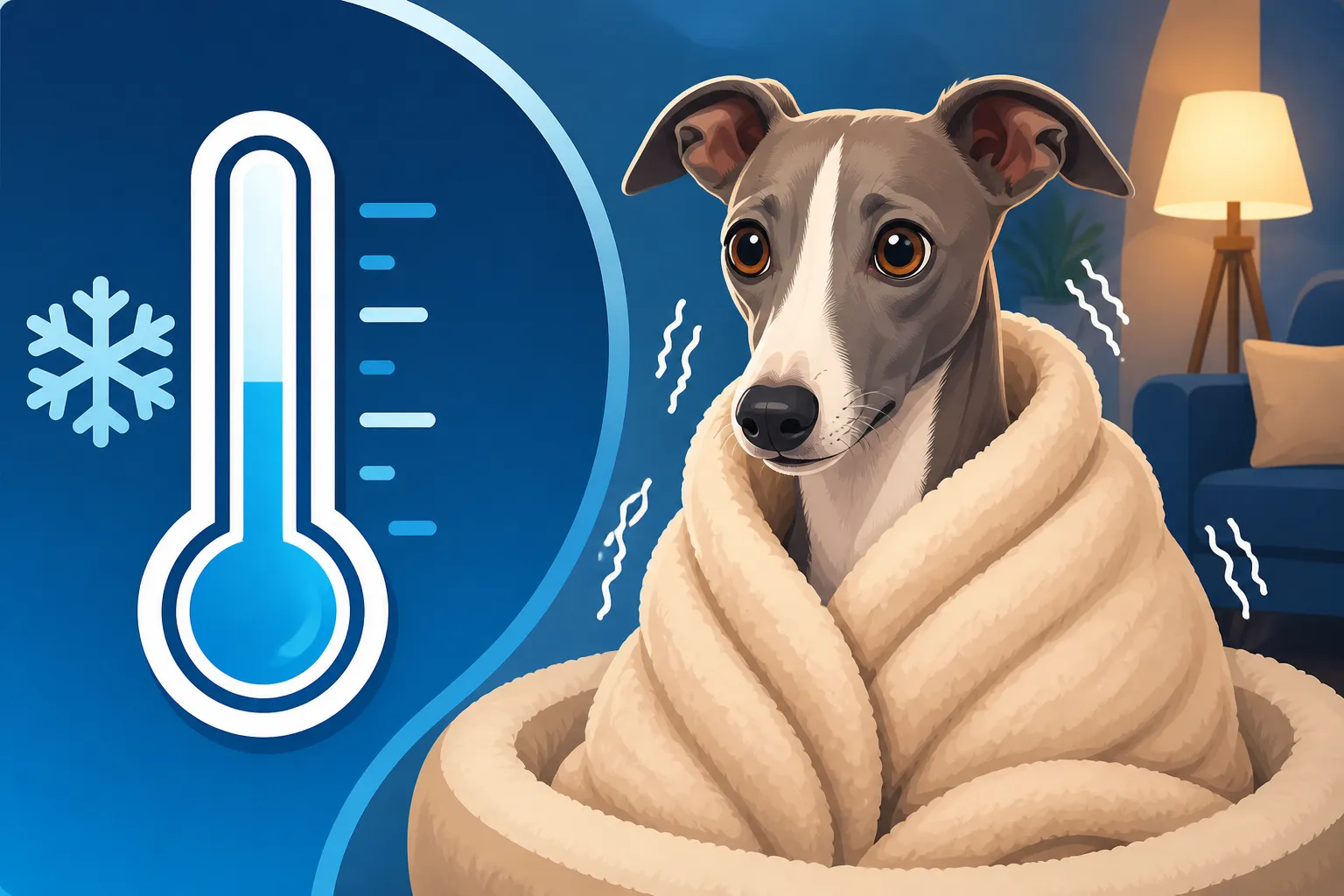
It's a familiar sight for Italian Greyhound owners: your beloved companion, wrapped in a blanket, still giving a little tremor, even when you swear the house isn't that cold. We've all been there, hovering over the thermostat, wondering if we're doing enough to keep our delicate Iggies comfortable. This guide is dedicated to understanding why Italian Greyhounds shiver so easily, what indoor temperatures typically trigger it, and practical steps you can take to ensure your little noodle horse stays warm and cozy, preventing those worrisome shivers.
Understanding Why Your Italian Greyhound Shivers Indoors
If you own an Italian Greyhound, you already know they are a breed unlike many others. Their elegant, fine-boned structure and incredibly short coat are part of their charm, but they also come with specific care needs, especially when it comes to temperature regulation. It's not just a quirk; it's deeply rooted in their unique physiology.
The Italian Greyhound's Unique Physiology
Think about it: most dogs have a dense undercoat, a protective layer of fat, or a bulky build that acts as insulation. Your Italian Greyhound has almost none of that. Their skin is remarkably thin, often described as paper-thin, and their coat is sparse, offering minimal protection against the cold. They really do feel the chill in a way many other breeds simply don't. This lack of natural insulation means their bodies have to work harder to maintain core temperature, and shivering is one of the primary ways they generate heat. It's an involuntary muscular response, a rapid contraction and relaxation of muscles, that burns energy to produce warmth. This is why you'll see them shiver even when you're feeling perfectly comfortable. They truly cannot hold their own heat effectively, which is a major difference compared to a fluffy Golden Retriever or a thick-coated Husky. Why an Italian Greyhound Carries Almost No Body Fat is a crucial read for understanding this better.
Beyond the visible coat and body fat, their metabolic rate and blood circulation also play a role. Their long, slender limbs and relatively large surface area to body volume ratio mean they lose heat quite efficiently, which is great for dissipating heat in a sprint but terrible for staying warm when inactive or in cooler conditions. It’s a design built for speed and agility, not for snuggling up outside in winter. They simply weren't designed for extreme cold, or even moderate cold from a human perspective.
More Than Just Cold: Other Reasons for Shivering
While cold is the most common reason an Italian Greyhound shivers, it's not the only one, and it's important for us as owners to learn to differentiate. Sometimes, those tremors are signs of other emotions or physical states. A visit to the vet for a new Italian Greyhound might involve shivering, not because the exam room is freezing, but because they are nervous. Similarly, a particularly exciting moment, like your arrival home after a long day or the anticipation of a treat, can also lead to a burst of happy shivers. It's their body's way of releasing pent-up energy or processing strong emotions.
However, shivering can also be a red flag for something more serious. If your Italian Greyhound is shivering uncontrollably, appears weak, is disoriented, or shows other signs of distress, it could indicate pain, illness, or a serious drop in body temperature (hypothermia). Conditions like low blood sugar, gastrointestinal upset, or even neurological issues can manifest with shivering. Always observe for accompanying symptoms – is their breathing labored? Are their gums pale? Are they unresponsive? If you suspect something is truly wrong, don't hesitate to contact your veterinarian immediately. It’s better to be overly cautious when it comes to these sensitive little dogs. How an Italian Greyhound Hides Pain is a good resource to understand how they often mask discomfort.
Pinpointing the Shivering Threshold: What Temperature is Too Cold?
This is the million-dollar question for many Italian Greyhound owners. There isn't one single magical number, because every dog is an individual, but we can certainly narrow down a range that often triggers those shivers.
The General Range for Italian Greyhounds
From years of living with these wonderful creatures, I've found that most Italian Greyhounds start to feel the chill and may begin to shiver once the indoor temperature drops below approximately 70-72°F (21-22°C). For some, particularly very young puppies, seniors, or those with underlying health conditions, this threshold can be even higher, perhaps closer to 74°F (23°C). Conversely, a robust, active adult might tolerate 68°F (20°C) without immediate shivering, especially if they are bundled up or actively playing. The key is observation. You'll notice that subtle tremor in their body, or perhaps they'll start seeking out blankets and sunny spots with more urgency than usual.
Consider how you feel in these temperatures. If you're walking around in a t-shirt and shorts at 70°F, your Iggy might already be pulling on a sweater. This is a breed that genuinely benefits from an environment that feels warm to a human wearing light clothing. They don't have the internal furnace to generate consistent warmth like larger, furrier breeds. Maintaining a consistent temperature within your home, ideally above 70°F, can significantly reduce instances of shivering and ensure their comfort. The Room Temperature an Italian Greyhound Is Comfortable At is usually a bit higher than what most people set their thermostats to.
Individual Factors Affecting Comfort
Just like people, not all Italian Greyhounds are exactly the same in their temperature preferences. Several factors can influence when your specific dog might start to shiver:
- Age: Puppies and senior Italian Greyhounds are typically more susceptible to cold. Puppies have less developed thermoregulation systems and tiny bodies that lose heat quickly. Why an Old Italian Greyhound Feels the Cold More explains that older Iggies often have slower metabolisms, thinner coats, and sometimes less subcutaneous fat, making them feel the cold more acutely. They might also have joint pain that is exacerbated by cold, leading to increased shivering.
- Health Status: Dogs recovering from illness, those with chronic conditions, or those on certain medications may have a lower tolerance for cold. Any condition that impacts their metabolism, circulation, or muscle mass can make them shiver more easily. It's always a good idea to discuss temperature sensitivity with your vet if your Iggy has ongoing health issues.
- Activity Level: An Italian Greyhound who has just had a vigorous zoomie session might tolerate a slightly cooler temperature for a short period because their body is still generating residual heat. However, a sleeping or inactive Iggy will feel the cold much faster, as their metabolism slows down during rest.
- Individual Coat Density: While all Italian Greyhounds have short coats, there can be subtle variations in thickness or density. Some might have a slightly softer, almost velvet-like coat that offers a tiny bit more insulation than others with a truly slick, barely-there coat. These differences are minimal but can contribute to slight variations in their shivering threshold.
Here's a quick reference table to help visualize how temperature and other factors might influence your Italian Greyhound's comfort:
| Indoor Temperature Range (Approx.) | Common Observation for Italian Greyhounds | Recommended Action |
|---|---|---|
| Below 68°F (20°C) | Frequent shivering, seeking blankets, cold to touch. | Immediate need for clothing and warm bedding. Consider raising thermostat. |
| 68-70°F (20-21°C) | Intermittent shivering, especially when still. | Sweater or pajamas often necessary. Provide warm beds. |
| 70-72°F (21-22°C) | Generally comfortable, might shiver if inactive/tired. | Monitor, offer blankets. Sweater might be appreciated. |
| Above 72°F (22°C) | Comfortable, little to no shivering. | Good baseline, ensure access to water and shade for warmer temps. |
Note: These are general guidelines. Always observe your individual Italian Greyhound for their specific comfort cues.
Practical Solutions to Keep Your Italian Greyhound Toasty
Now that we understand why they shiver and what temperatures trigger it, let's talk about the practical steps we can take to keep our Italian Greyhounds warm and content. It's all about creating a multi-layered approach to warmth.
Layering Up: The Power of Sweaters and Pajamas
For an Italian Greyhound, clothing isn't just a fashion statement; it's a necessity. A good quality sweater or set of pajamas acts as an extra layer of fur that their bodies simply don't produce naturally. When the indoor temperature dips below 72°F, even if you feel comfortable, your Italian Greyhound likely doesn't. This is where a cozy sweater or a full-body set of pajamas comes in handy.
There's a vast world of Italian Greyhound clothing out there, and fit is crucial. Generic dog sweaters often don't account for their deep chests, tiny waists, and long, slender legs. Look for brands that specialize in sighthound wear, as they understand these unique proportions. Materials matter too: fleece is fantastic for warmth, soft cotton blends are great for everyday wear, and sometimes a thermal material can make a big difference. Don't be afraid to dress them in layers, just like you would yourself. A light t-shirt under a fleece can provide extra insulation on particularly chilly days, or if they are prone to getting cold quickly. Many owners find that When an Italian Greyhound Needs a Sweater Indoors is almost all the time outside of peak summer. Also, budgeting for their wardrobe is a real thing, as Clothing an Italian Greyhound Is a Real Budget Line highlights.
Creating Warm Retreats and Cozy Beds
Beyond clothing, giving your Italian Greyhound dedicated warm spots to retreat to is essential. These aren't just beds; they're sanctuaries from the chill.
- Snuggle Sacks and Blankets: Italian Greyhounds love to burrow. Providing soft, plush blankets – and teaching them how to use a snuggle sack – gives them a secure, warm space to tuck themselves away. These sacks are essentially fleece-lined envelopes that they can crawl into, mimicking the feeling of being under the covers. You can find excellent options on sites like Chewy or Amazon, which often carry a wide selection of dog beds and blankets.
- Heated Beds: A low-wattage heated dog bed can be a game-changer, especially for seniors or those who feel the cold intensely. These beds provide gentle, consistent warmth that can soothe aching joints and prevent shivering. Always ensure the heated bed is designed for pets and has safety features to prevent overheating. Place it in a quiet, draft-free area where your Iggy can truly relax. Whether a Heated Bed Is Safe for an Italian Greyhound is a common question, and generally, they are, provided they are pet-specific and used correctly.
- Orthopedic and Deeply Cushioned Beds: Beyond warmth, comfort is key. Italian Greyhounds, with their minimal body fat, can develop pressure sores on their elbows and hips if they consistently lie on hard surfaces. A thick, orthopedic foam bed not only insulates them from a cold floor but also protects their delicate joints. The Bedding a Thin Skinned Italian Greyhound Actually Needs often includes features like memory foam or deep bolsters.
Place these warm retreats away from exterior walls, drafty windows, or frequently opened doors. Even a seemingly small draft can make a significant difference to their comfort.
Environmental Adjustments: Thermostats and Drafts
Managing your home's overall temperature is, of course, the most direct way to combat indoor shivering.
- Thermostat Settings: If possible, try to keep your home's thermostat set above 70°F during the day, and perhaps even at night, especially in cooler seasons. While this might be a bit warmer than many people prefer, it makes a world of difference for an Italian Greyhound. If you're out of the house for extended periods, consider a smart thermostat that allows you to adjust the temperature remotely or schedule warmth for when you know your dog will be most inactive.
- Combatting Drafts: Drafts are notorious for making a room feel much colder than the thermostat indicates. Check windows and doors for gaps, and consider using draft stoppers or heavy curtains to block cold air. Even the tiniest crack under a door can create a cold current that chills your Iggy, especially if their favorite sleeping spot is on the floor nearby. You might also want to move their main resting areas away from frequently used external doors.
- Space Heaters: For specific rooms where your Iggy spends a lot of time, a small, safe space heater can provide supplemental warmth. Always ensure it's a pet-safe model with tip-over protection and that it's placed out of reach of curious paws or tails. Never leave a space heater unattended, and make sure there's enough ventilation in the room.
These environmental adjustments, combined with proper clothing and cozy beds, create a comprehensive warmth strategy that will go a long way in keeping your Italian Greyhound happy and shiver-free.
When Shivering Signals Something More Serious
While we've focused on keeping your Italian Greyhound warm, it's crucial to distinguish between normal cold-induced shivering and shivers that indicate a more serious underlying issue. Your Iggy can't tell you in words when they feel unwell, so understanding their body language and subtle cues is incredibly important.
Recognizing Health-Related Shivers
Sometimes, shivering isn't just about being cold. It can be a symptom of pain, fear, anxiety, or a sign of illness. If your Italian Greyhound is shivering but also exhibits any of the following, it's time to pay closer attention and potentially contact your vet:
- Lethargy or Weakness: If your Iggy is unusually tired, unresponsive, or struggles to stand or walk, shivering combined with this could be a sign of significant illness.
- Changes in Appetite or Thirst: Refusal to eat or drink, or conversely, excessive thirst, can accompany various health problems.
- Vomiting or Diarrhea: These are clear signs of gastrointestinal distress, and shivering can be a secondary symptom of pain or discomfort.
- Changes in Breathing: Labored breathing, rapid breathing, or panting without exertion are serious symptoms that warrant immediate veterinary attention.
- Restlessness or Inability to Settle: While cold Iggies might seek warmth, an Iggy shivering due to pain might be unable to get comfortable, constantly shifting position.
- Whimpering or Crying: Vocalization of pain is a strong indicator that something is truly wrong.
- Pale Gums: Check their gums. If they are very pale or even bluish, this is an emergency.
Always trust your gut feeling. You know your Italian Greyhound best. If something seems "off," even if you can't put your finger on exactly what it is, a call to your vet for advice is always prudent. Early detection and intervention can make a significant difference in outcomes.
The Importance of Regular Vet Check-ups
Proactive veterinary care is paramount for Italian Greyhounds, not just when they are visibly unwell. Regular wellness exams, usually once a year for adult dogs and more frequently for puppies and seniors, are opportunities for your veterinarian to catch subtle changes that you might miss at home. During these check-ups, your vet can assess their overall health, listen to their heart and lungs, palpate their abdomen, and discuss any concerns you might have, including temperature sensitivity or changes in behavior.
For Italian Greyhounds, especially given their predisposition to certain health issues, these regular visits can be life-saving. Your vet can perform routine blood work to check organ function, ensure proper thyroid levels (which can affect temperature regulation), and discuss preventive care tailored to your dog's age and lifestyle. This ongoing relationship with your vet ensures that when those "more serious" shivers do appear, you have a trusted professional to turn to, who already knows your beloved Italian Greyhound's medical history. It's a key part of responsible ownership and ensures your Iggy lives the longest, happiest life possible.
Disclaimer
This article is for general informational purposes only and does not constitute professional advice. Laws, prices and regulations vary by location and change over time. Consult a qualified professional for guidance on your specific situation.