How Much an Adult Italian Greyhound Eats
One of the most common worries new Italian Greyhound parents have, right up there with broken legs and housetraining woes, is whether they're feeding their lean, delicate-looking pup enough. It’s a valid concern because Iggies don't look like your average dog, and their nutritional needs can feel like a mystery. This guide aims to clear up the confusion, helping you understand precisely how much food your adult Italian Greyhound truly needs to thrive, without being underfed or overfed.
Understanding the Italian Greyhound's Unique Metabolism and Build
Italian Greyhounds are often mistaken for miniature Greyhounds, and while they share the sighthound build, their metabolism and dietary requirements are quite distinct. Their sleek, athletic physique isn't just for show; it's a testament to centuries of breeding for speed and agility, even if today's Iggies are mostly champion couch potatoes. Understanding their unique physiological makeup is the first step to figuring out their feeding plan.
The High Metabolism of a Sighthound
If you’ve ever watched an Italian Greyhound zoom around the house in a burst of "zoomies," you know they're capable of incredible bursts of energy. This isn't just playfulness; it's a characteristic of their sighthound heritage. Sighthounds, in general, have a higher metabolic rate compared to many other breeds. This means they burn through calories more quickly, even when at rest. It’s why you might feel like your Italian Greyhound is always hungry, or that they can eat a surprising amount for their size without gaining an ounce. Their bodies are incredibly efficient at converting food into energy, which is fantastic for short, high-intensity activities but also means they need a consistent supply of good nutrition to maintain their energy levels and body condition.
This high metabolism also impacts how they handle certain things, like anesthesia, which is crucial to remember when they undergo any procedure. Why an Italian Greyhound Gets Cold Under Sedation is a common concern among owners and vets alike. Because of this high metabolism, a regular feeding schedule with quality food is paramount. Skipping meals or providing inadequate nutrition can quickly lead to a loss of condition, making them appear even more frail than they naturally are. You want to fuel that little engine properly.
Lean Muscle Mass and Minimal Body Fat
An Italian Greyhound's ideal body condition is very lean. You should be able to easily feel their ribs without seeing them protruding sharply, and their spine should be palpable. They have minimal body fat compared to many other breeds – sometimes as low as 17% body fat. This lack of insulating fat is a big part of why they get cold so easily, even indoors, and why a good sweater or a warm blanket is almost always a necessity. Keeping an Italian Greyhound Warm Is Daily Work, Not a Winter Job is something every owner learns quickly.
This lean muscle mass means their diet needs to support muscle maintenance and energy, rather than packing on extra fat. Too much fat can actually be detrimental, putting strain on their delicate bone structure. It's a fine balance. You want to see a defined waist and a noticeable "tuck-up" from their chest to their abdomen. If your Italian Greyhound looks like a tube or a sausage, they might be carrying too much weight, despite how small they are. Conversely, if their hip bones are sticking out prominently, or you can see individual vertebrae, they might be underweight. Getting the feeding right for their naturally lean build is about ensuring they have the right fuel without excess.
Why Small Breed Formulas Aren't Always the Answer
It's easy to assume that because Italian Greyhounds are small, they should simply eat any "small breed" dog food. However, this isn't always the case, and sometimes it can even be counterproductive. Many small breed formulas are designed for breeds that are prone to weight gain or have a different type of metabolism, often containing higher fat content to be palatable for picky eaters or smaller kibble for tiny mouths. While the smaller kibble size might be a good fit for an Italian Greyhound's delicate mouth, the nutritional composition needs careful consideration.
Italian Greyhounds, with their high metabolism and active nature, often require a diet that is higher in protein and has a balanced fat content to support their energy needs without causing unwanted weight gain. Their fast-twitch muscle fibers thrive on good protein sources. Instead of blindly reaching for a "small breed" bag, it’s more important to look at the actual ingredient list and nutritional analysis. Focus on real meat as the primary ingredient, digestible carbohydrates, and healthy fats. Some owners find that an all-life-stages formula or even a large breed puppy food (carefully monitored for calorie density) can sometimes be a better fit, especially for active younger Iggies, because these often provide the higher protein and balanced nutrition needed for growth and activity, without being excessively fatty.
Factors Influencing Your Italian Greyhound's Daily Calorie Needs
Just like humans, every Italian Greyhound is an individual, and their calorie needs aren't a one-size-fits-all equation. While their breed characteristics give us a baseline, several factors play a significant role in determining precisely how much food your specific Iggy should be eating each day. It's a dynamic calculation that will change over their lifetime.
Age, Activity Level, and Life Stage
A young, rambunctious Italian Greyhound puppy, growing rapidly and constantly exploring, will naturally have higher calorie requirements than a senior Iggy who spends most of their day napping in sunbeams. The Age an Italian Greyhound Is Considered Senior often comes with a shift in metabolism and activity. Puppies need more calories per pound of body weight to fuel their growth and boundless energy. As they transition into adulthood, their growth slows, and their calorie needs per pound will stabilize.
An adult Iggy's activity level is a huge differentiator. A dog that goes on long, brisk walks, perhaps even participates in lure coursing, will burn significantly more calories than one whose primary exercise consists of walking to the backyard and back. Even within a single household, two Italian Greyhounds of the same age might have vastly different energy expenditures. Think about your Iggy's typical day: are they constantly on the go, or are they more of a lap warmer? Adjust their food intake accordingly. If you've got an Iggy who loves to sprint, they're going to need more fuel than their lazier counterpart.
When an Italian Greyhound reaches their senior years, typically around 8-10 years old, their metabolism often slows down, and their activity levels naturally decrease. At this stage, it's common to need to reduce their calorie intake slightly to prevent weight gain, which can put unnecessary stress on aging joints. However, some senior Iggies might struggle to maintain weight due to other health issues, so careful monitoring is always key.
Individual Variations and Health Conditions
Beyond age and activity, each Italian Greyhound has a unique metabolic rate. Some Iggies are naturally "hard keepers," meaning they burn through calories very quickly and can easily become too thin. Others might be prone to gaining weight more readily. It's about getting to know your dog's individual body and how it processes food.
Underlying health conditions can also drastically alter calorie requirements. For instance, an Italian Greyhound recovering from a broken leg (a surprisingly common occurrence for the breed, as discussed in A Broken Leg Is the Emergency Every Italian Greyhound Owner Fears) might need increased protein and calories during the healing phase to support tissue repair. Conversely, a dog with a thyroid condition, like Hypothyroidism in an Italian Greyhound, might have a slowed metabolism and require fewer calories to maintain a healthy weight. Similarly, dental issues, a rampant problem for Iggies as explored in Periodontal Disease Is the Italian Greyhound's Most Common Diagnosis, might make eating painful, leading to a decrease in appetite and potentially weight loss.
Always consult with your veterinarian if you notice sudden changes in your Italian Greyhound's weight or appetite. They can help rule out any medical conditions and provide tailored dietary advice. This personalized approach ensures your Iggy is getting exactly what they need, not just what a generic feeding guide suggests.
Environmental Factors and Temperature
Italian Greyhounds are notoriously sensitive to cold. Their minimal body fat and thin coats mean they expend more energy to stay warm in cooler temperatures. If your Iggy spends time outdoors in chilly weather (even with a coat on!) or if your house is kept cooler during winter months, they might need a slight increase in their calorie intake to compensate for the extra energy burned to maintain body temperature. Why an Italian Greyhound Gets Cold on the Table illustrates just how sensitive they are to temperature fluctuations, even in a controlled environment like a vet clinic.
Conversely, in very hot climates or during peak summer, their activity might decrease, and they might require slightly fewer calories. However, it's important to ensure they remain well-hydrated during hot weather, often preferring smaller, more frequent meals. It's a subtle adjustment, not a drastic change, but acknowledging these environmental factors can help you fine-tune their diet. Think of it as a small tweak based on the weather report and your thermostat.
Calculating and Adjusting Your Italian Greyhound's Food Portions
With so many variables, how do you actually pinpoint the right amount of food for your Italian Greyhound? It's less about a magic number and more about understanding the tools available and being observant. It requires a bit of math, a lot of common sense, and consistent monitoring.
Decoding Dog Food Labels and Calorie Counts
Every bag of dog food comes with a feeding guide, usually a table that recommends a certain amount of food based on your dog's weight. This is a starting point, but it's only a starting point. These guides are often quite broad and don't account for individual metabolism, activity levels, or the unique sighthound build of an Italian Greyhound. Furthermore, different brands and formulations have vastly different calorie densities. A cup of one kibble might have 350 calories, while a cup of another might have 450.
The most important information on a dog food label, besides the ingredient list, is the calorie count per cup or per gram. This is often listed as "Metabolizable Energy (ME) kcal/kg" and "kcal/cup." To get an accurate sense of how much you're truly feeding, you need to know this number. If your bag states 350 kcal per cup, and your vet recommends 300 calories a day, you'd feed just under a cup. Many reputable brands, like those found on Chewy, provide clear caloric information, making it easier to calculate precise portions. If you're feeding a fresh food diet, like Ollie, the caloric density will also be provided, usually specific to your dog's profile.
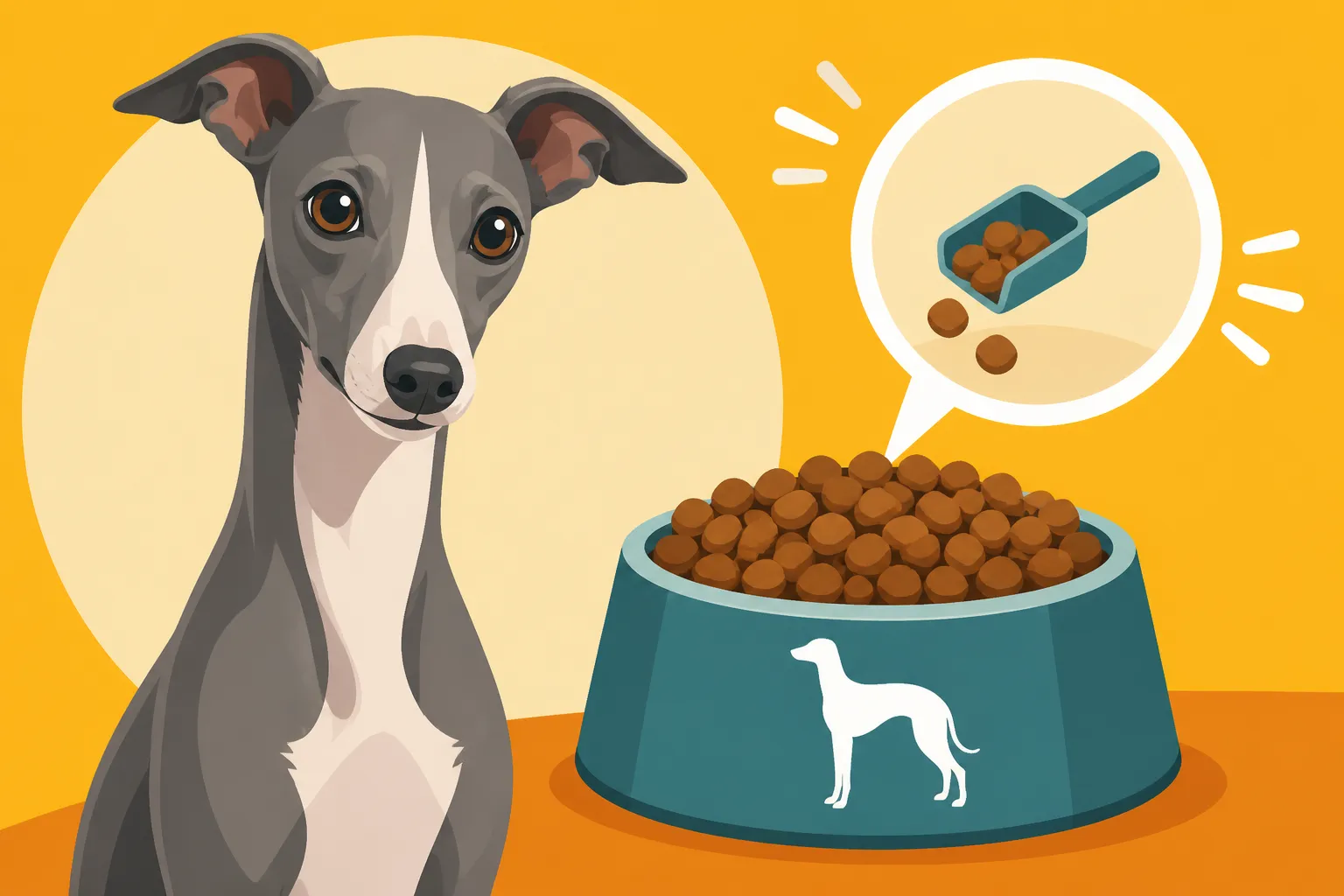
Don't just scoop blindly. Use a measuring cup, or even better, a kitchen scale to weigh out portions, especially if you're trying to be precise about calorie intake. Consistency in measurement is key to accurately assessing if your Iggy is gaining or losing weight on a particular diet.
The Importance of Regular Weight Monitoring
The best indicator of whether your Italian Greyhound is eating the right amount is their body condition. You should regularly (weekly or bi-weekly) weigh your Italian Greyhound and perform a "rib check." As mentioned, you should be able to feel their ribs easily, but not see them sharply defined. When looking from above, your Iggy should have a distinct waist, and from the side, a clear tuck-up.
- If you can't easily feel their ribs: They might be overweight.
- If their ribs are very visible, or hip bones protrude: They might be underweight.
A great tool is the Body Condition Score (BCS) chart, which veterinarians use. It's usually a 9-point scale, where 4 or 5 is ideal for an Italian Greyhound. Take some time to learn what an ideal BCS looks and feels like for your breed. This visual and tactile assessment is far more accurate than just looking at the number on the scale, as Italian Greyhounds can vary in ideal weight. What an Italian Greyhound Weighs and How to Tell If It Is Right goes into more detail on ideal weight ranges. Keep a log of their weight to track trends over time.
Adjusting for Treats and Supplements
Here’s where many well-meaning owners accidentally overfeed their Italian Greyhounds: treats! Treats are wonderful for training and bonding, but their calories count. A few small training treats here, a piece of cheese there, and suddenly you’ve added an extra 50-100 calories to their day without realizing it. For a dog that might only need 300-400 calories in total, that's a significant percentage.
When you factor in treats, they should make up no more than 10% of your Italian Greyhound's total daily calorie intake. If your Iggy is on a diet for weight loss, treats should be even more limited or consist of very low-calorie options like small pieces of carrot or green bean. Always remember to subtract the calories from treats from their main meal portions to maintain their overall daily intake.
Supplements, unless prescribed by a vet, are usually not necessary if your Italian Greyhound is on a high-quality, balanced diet. If you do give supplements, be aware that some can add calories. Always check the label. The goal is a balanced diet, and too many "extras" can throw that balance off.
Here’s a simplified guide to typical daily calorie needs for an adult Italian Greyhound:
| Activity Level | Estimated Daily Calories (per 10 lbs body weight) | Example Scenario |
|---|---|---|
| Low Activity | 250-300 kcal | Couch potato, short potty breaks, minimal play. Older Iggy. |
| Moderate Activity | 300-350 kcal | Daily walks (30-60 min), regular indoor play. Most Iggies. |
| High Activity | 350-400+ kcal | Active hikes, lure coursing, frequent intense play. Young, highly energetic Iggy. |
Note: These are approximations. Always monitor your individual dog's body condition and adjust accordingly. Most Italian Greyhounds weigh between 7-14 pounds, so multiply the above by your dog's weight in pounds, then divide by 10 for a rough estimate.
Choosing the Right Food and Feeding Schedule
Once you have a handle on the amount of food, the next step is considering the type of food and when to feed it. The choices out there can be overwhelming, but for an Italian Greyhound, focusing on quality ingredients and a consistent routine can make all the difference.
Kibble, Wet Food, or Fresh Food: Pros and Cons
The market is flooded with options, and each has its pros and cons for an Italian Greyhound.
- Kibble (Dry Food): This is the most common and often most economical choice.
- Pros: Convenient, long shelf life, can help with dental hygiene (though not as much as brushing!), and generally provides complete nutrition. Look for brands with real meat as the first ingredient and without excessive fillers. Brands found on Amazon often have a wide variety of quality kibbles suitable for Iggies.
- Cons: Can be less palatable for picky eaters, lower moisture content (requiring more water intake), and quality varies greatly. Some Iggies might find larger kibble difficult to chew, so finding a smaller size is often a good idea. Whether Dry Food Keeps an Italian Greyhound's Teeth Clean covers some myths about kibble and dental health.
- Wet Food (Canned/Pouches):
- Pros: Highly palatable, excellent moisture content (great for hydration), and often very digestible. Can be a good option for Iggies with dental issues or those who are picky.
- Cons: More expensive, shorter shelf life once opened, and can be less calorie-dense than kibble, meaning you might need to feed more volume. It also contributes less to mechanical tooth cleaning.
- Fresh Food (Cooked or Raw): This category includes commercially prepared fresh food (like Ollie, which delivers pre-portioned meals) or homemade diets.
- Pros: Often incredibly palatable, high moisture content, and you have complete control over ingredients if homemade. Many owners report improved coat, digestion, and energy levels.
- Cons: Can be the most expensive option (commercial fresh food), requires significant time and knowledge to balance properly if homemade (risk of nutritional deficiencies if not done correctly). Raw feeding carries specific handling risks. It's essential to consult with a veterinary nutritionist if considering a homemade diet to ensure it's complete and balanced.
Regardless of the type, always prioritize quality. Read ingredient labels carefully. For Italian Greyhounds, who can sometimes have sensitive stomachs, avoiding common allergens and artificial additives is often beneficial.
Frequency and Timing of Meals
Most adult Italian Greyhounds do well with two meals a day, typically once in the morning and once in the evening. This helps to keep their metabolism steady, prevents them from getting too hungry, and can aid in housetraining consistency. Dividing their daily caloric intake into two meals is generally more beneficial than one large meal.
For very young puppies, three or even four smaller meals a day might be appropriate. As they grow, you can gradually transition to two meals. For senior Italian Greyhounds, especially those with smaller appetites or sensitive digestion, sticking to two meals or even offering smaller, more frequent meals might be best. Consistency is key here. Feeding at roughly the same times each day helps establish a routine, which can be reassuring for your Iggy and make housetraining much easier. How Often an Italian Greyhound Puppy Needs Out emphasizes the importance of routine for puppies.
Bowl Type and Feeding Environment
This might seem minor, but the right bowl and a calm feeding environment can make a difference for your Italian Greyhound.
- Bowl Type: Stainless steel bowls are generally recommended as they are durable, easy to clean, and non-porous (reducing bacterial growth). Ceramic bowls are also good, but can chip. Plastic bowls can harbor bacteria and some Iggies can develop chin acne from them. Given their lean build and delicate necks, some Italian Greyhounds benefit from raised bowls to prevent strain while eating, especially as they age or if they have any neck issues.
- Feeding Environment: Italian Greyhounds are sensitive souls, and a chaotic mealtime can be stressful. Designate a quiet, calm area for their meals. If you have multiple pets, feed them separately to prevent resource guarding or one dog eating another's food. Ensure they have fresh water available at all times, ideally in a separate bowl nearby, but not directly underneath if using a raised feeder, to avoid splashing their food.
Remember, eating should be a positive, stress-free experience for your Italian Greyhound. A calm environment reinforces good eating habits and allows them to properly digest their food.
Addressing Common Feeding Challenges and Concerns
Even with the best intentions and carefully chosen food, you might encounter some common challenges when feeding your Italian Greyhound. From finicky eaters to managing weight, these issues are often breed-specific and require a little extra understanding and patience.
Dealing with Picky Eaters
"My Italian Greyhound is so picky!" This is a refrain I hear often, and it's a completely valid frustration. Italian Greyhounds can indeed be notoriously finicky eaters. Their delicate stomachs and often discerning palates mean they might turn up their nose at food one day and gobble it down the next. There are a few reasons for this:
- Sensitivity: Their sensitive digestive systems mean they might truly feel unwell with certain ingredients or if there's a slight change in their food.
- Boredom/Preference: They can simply get bored with the same food, or have very strong preferences for certain textures or flavors.
- Dental Pain: A very common, and often overlooked, reason for pickiness is dental pain. Given how susceptible Iggies are to How Common Dental Disease Is in an Italian Greyhound, a sore tooth or inflamed gums can make eating painful, leading them to refuse food or only eat soft items. If pickiness is sudden, always rule out dental issues first with a vet check.
If dental issues aren't the cause, here are some strategies:
- Consistency: Offer the food for 15-20 minutes, and if they don't eat it, pick it up until the next meal. No free-feeding. This teaches them that food is available at certain times.
- Enhancers: You can try adding low-sodium broth, a tiny bit of plain cooked chicken, or a spoonful of plain yogurt to their kibble to make it more appealing. Just be mindful of extra calories.
- Rotation: Some owners find success by rotating between a couple of different high-quality kibbles or mixing kibble with wet food or fresh food components. Services like Ollie can be great for picky eaters as the fresh ingredients are often more appetizing.
- Patience: Don't hover or beg them to eat. Present the food calmly and walk away. Stress can make them even less likely to eat. If they go a full day without eating, especially a puppy, consult your vet, but an adult Iggy missing a meal here and there isn't usually a crisis. Getting a Picky Italian Greyhound to Eat offers more in-depth solutions.
Recognizing Underweight vs. Overweight
As we discussed, Italian Greyhounds are meant to be lean. But what's too lean, and what's too much? It's a spectrum, and it's something many owners struggle with, especially if they're used to broader, less delicate breeds.
Underweight:
- Signs: Ribs, hip bones, and vertebrae are very prominent and easily visible with little to no fat covering. You might see a very sharp angle from their chest to their abdomen. Their muscles might look wasted, and they might seem lethargic.
- Risks: Compromised immune system, lack of energy, increased risk of injury (especially fractures due to lack of muscle support), and can indicate underlying health issues.
- Action: Increase food portions gradually, ensure they are eating nutrient-dense, high-quality food. Add healthy fats like a small amount of fish oil or cooked egg yolk if cleared by your vet. Rule out medical conditions with your vet.
Overweight:
- Signs: Ribs are difficult or impossible to feel without pressing firmly. No discernible waist or tuck-up; they look "blocky" or tube-shaped. You might see fat deposits over their hips or at the base of their tail.
- Risks: Increased stress on delicate joints and bones, higher risk of Arthritis in an Italian Greyhound's Healed Leg if they've had a fracture, reduced mobility, respiratory issues, and a shorter lifespan. Why an Overweight Italian Greyhound Is at Fracture Risk highlights a significant danger.
- Action: Gradually reduce food portions. Switch to a lower-calorie or weight-management formula if necessary. Increase gentle, consistent exercise (multiple short walks rather than one long one). Drastically cut back on treats, or switch to healthy, low-calorie options. Discuss a weight loss plan with your vet.
Regularly performing the "rib check" and visual assessment is your best defense against these extremes. Remember, a healthy Iggy is a happy Iggy, and maintaining their ideal weight is crucial for their long-term well-being.
Dental Health and Food Choices
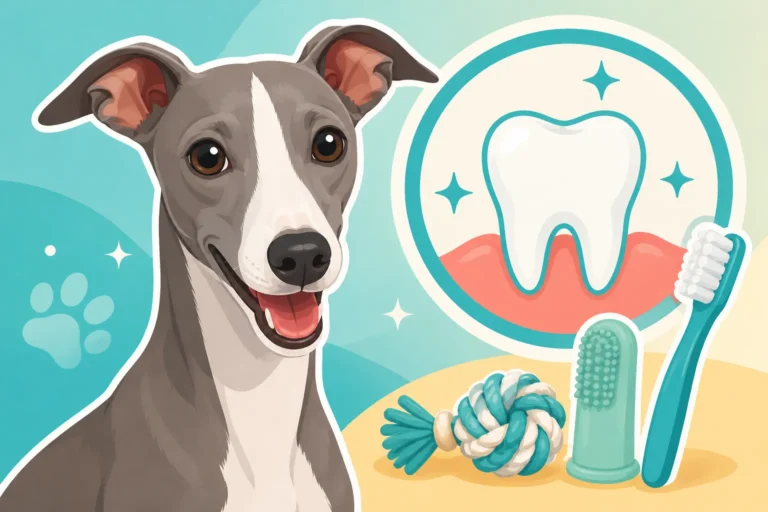
Dental disease is rampant in Italian Greyhounds. Their small mouths, often overcrowded with teeth, create a perfect environment for plaque and tartar buildup. This isn't just an aesthetic issue; severe periodontal disease can lead to tooth loss, pain, infection, and even impact systemic health. Why an Italian Greyhound's Teeth Crowd is a key factor.
While no kibble can replace daily tooth brushing, certain food choices can play a supportive role, or at least not make the problem worse.
- Kibble Size: Choose kibble that is small enough for your Italian Greyhound to comfortably chew. If the kibble is too large, they might swallow it whole, negating any minimal scraping action it might provide.
- "Dental" Diets: Some specialized veterinary dental diets are designed with larger, fibrous kibble that encourages chewing and has coatings to reduce plaque. These can be helpful as part of a comprehensive dental care plan, but they are not a substitute for brushing.
- Wet/Fresh Food: While excellent for palatability and hydration, wet and fresh foods offer almost no mechanical cleaning action. If your Iggy is on a predominantly soft diet, daily brushing becomes even more critical.
- Chews: Be cautious with dental chews. Many are high in calories, and some can be too hard for an Italian Greyhound's delicate teeth, risking fractures. Always choose chews that are appropriately sized and flexible. Checking reviews on sites like Amazon or Chewy for appropriate chews for small, delicate-mouthed dogs can be helpful.
Ultimately, the best defense against dental disease in your Italian Greyhound is consistent daily brushing. Brushing an Italian Greyhound's Teeth Every Day is a habit worth cultivating from puppyhood. Food plays a supporting role, but the toothbrush is your main tool.
Disclaimer
This article is for general informational purposes only and does not constitute professional advice. Laws, prices and regulations vary by location and change over time. Consult a qualified professional for guidance on your specific situation.