Whether Dry Food Keeps an Italian Greyhound’s Teeth Clean
It's a common belief, and one many of us held when we first welcomed an Italian Greyhound into our lives, that simply feeding dry kibble would be enough to keep their pearly whites in tip-top shape. We've all seen the marketing, after all! But for Italian Greyhound owners, the harsh reality often sets in quickly: despite diligent kibble feeding, dental issues are almost inevitable. This guide will dive deep into why dry food isn't a magic bullet for your IG's oral health and what truly effective strategies you can adopt to protect their delicate teeth and gums.
The Myth of Kibble as a Toothbrush for Italian Greyhounds
Let's get this out of the way upfront: dry kibble, in most cases, does not effectively clean your Italian Greyhound's teeth. It's a pervasive myth that has unfortunately led many well-meaning owners to neglect other crucial aspects of dental care. The idea is simple enough: the hard, crunchy texture of kibble supposedly scrapes away plaque and tartar as your dog chews. If only it were that easy!
The Mechanics of Kibble and Plaque Buildup
When your Italian Greyhound crunches down on kibble, the pieces usually shatter quickly. This means there's very little abrasive action against the surface of their teeth, especially along the gum line where plaque and tartar tend to accumulate the most. Think about it this way: the primary chewing action happens at the tips of the teeth, not along the sides or where the tooth meets the gum. Plaque is a sticky film that forms constantly, and it hardens into tartar within days if not removed. Kibble simply isn't designed, nor does it function, to meticulously scrub away this persistent film.
Furthermore, many dry foods are formulated with carbohydrates that can actually contribute to plaque formation. Just like in humans, sugars and starches in food provide a feast for bacteria in the mouth, leading to an increase in plaque production. While high-quality kibble is essential for overall nutrition, its dental benefits are often greatly exaggerated. Relying solely on dry food for dental hygiene is akin to believing that eating crunchy crackers will replace brushing your own teeth. It just doesn't work that way for us, and it doesn't for our Iggys either.
Crunching a Cookie Analogy
Imagine you're eating a crunchy cookie. Does that cookie clean your teeth? Not really, right? Bits might even get stuck, and you'd still reach for a toothbrush afterward. It's much the same for an Italian Greyhound. They quickly break down dry food, swallow it, and the minimal surface contact simply isn't enough to remove the microscopic film of bacteria and food particles that cling to their teeth. The design of most kibble, with its uniform shape and size, offers no specialized ridges or textures to reach into the nooks and crannies where dental disease thrives. For a breed like the Italian Greyhound, which is already predisposed to dental challenges, this lack of effective cleaning from kibble can lead to significant problems down the line.
Why Italian Greyhounds Are Prone to Dental Disease
If you're an Italian Greyhound owner, you've likely heard or even experienced firsthand that dental issues are incredibly common in the breed. It's not just a rumor; Italian Greyhounds are indeed predisposed to a range of oral health problems, often starting at a surprisingly young age. Understanding these inherent vulnerabilities is the first step toward proactive care. As a matter of fact, How Common Dental Disease Is in an Italian Greyhound is something many new owners quickly discover.
Crowded Mouths and Thin Jaws
One of the primary reasons Italian Greyhounds struggle with dental health lies in their unique craniofacial structure. They have long, narrow muzzles, but those muzzles often don't have enough space to comfortably accommodate all 42 adult teeth that a dog typically has. This leads to severe overcrowding. When teeth are packed too tightly, they rotate, overlap, and create tiny crevices where food particles and bacteria can easily get trapped. These tight spaces are impossible for kibble to reach and incredibly difficult for even a toothbrush to clean effectively.
This crowding also contributes to increased plaque and tartar buildup because the natural self-cleaning action of saliva and the friction of the tongue can't reach all tooth surfaces. Imagine trying to clean between two very close books on a shelf – it's tough! The same principle applies here. Additionally, their delicate, thin jawbones are also a concern. Advanced periodontal disease, if left untreated, can weaken the jawbone significantly, leading to a higher risk of pathological fractures, especially during dental extractions. It's a frustrating reality that such a beautiful, elegant feature of the breed – their refined muzzle – comes with such a significant health challenge. We often have to grapple with the reality of Why an Italian Greyhound's Muzzle Cannot Hold Its Teeth.
Genetic Predisposition to Tartar and Gum Disease
Beyond the physical structure of their mouths, Italian Greyhounds also appear to have a genetic predisposition to developing plaque and tartar at an accelerated rate, which quickly progresses to gingivitis and then full-blown periodontal disease. Some breeds simply have different salivary pH levels or bacterial populations in their mouths that make them more susceptible, and Italian Greyhounds seem to fall into this category. It's a frustrating situation where, even with a seemingly good diet, tartar can appear surprisingly early. Owners frequently notice How Early Tartar Appears on an Italian Greyhound, often starting by two or three years of age, if not sooner.
This means that while good home care is vital, Iggys often require more frequent and intensive dental intervention than many other breeds. It’s not a reflection of your care, but rather the hand nature has dealt them. The rapid progression of dental disease in Italian Greyhounds means that ignoring those early signs of bad breath or visible tartar can quickly lead to painful infections, tooth loss, and even systemic health issues as bacteria from the mouth enter the bloodstream. This is why early and consistent intervention is not just recommended, but absolutely critical for their long-term well-being.
Effective Strategies for Italian Greyhound Dental Health
Since dry food won't cut it, and our Iggys are genetically predisposed to dental woes, it falls to us, their dedicated owners, to implement effective strategies. This isn't just about preventing bad breath; it's about preventing pain, infection, and the myriad of other health issues that stem from poor oral hygiene.
Daily Brushing: The Gold Standard for Italian Greyhounds
Hands down, daily tooth brushing is the single most effective way to combat plaque and tartar in Italian Greyhounds. Yes, daily! It might sound daunting, but once you get into a routine, it becomes a quick and simple part of your day. The mechanical action of a soft brush, combined with veterinary-approved enzymatic toothpaste, physically removes the sticky plaque before it has a chance to harden into tartar.
To start, choose a dog-specific toothpaste (never human toothpaste, as it contains xylitol, which is toxic to dogs, and fluoride, which can upset their stomach if swallowed). You’ll want a small, soft-bristled brush that fits comfortably in their delicate mouths, perhaps even a finger brush or a child's toothbrush. When you’re ready to begin, slowly introduce the brush and paste, making it a positive experience with praise and treats. Focus on the outside surfaces of the upper teeth, especially the canines and molars, as these tend to accumulate the most plaque. Don't be discouraged if it takes time; consistency is key. Even a few minutes of brushing a day can make a monumental difference in preventing Periodontal Disease Is the Italian Greyhound's Most Common Diagnosis. If you need a bit of guidance, understanding Which Toothbrush Fits an Italian Greyhound's Mouth can make the process much easier.
Dental Chews and Water Additives
While brushing is paramount, certain dental chews and water additives can offer supplementary benefits. It's crucial to understand that these are supplements to brushing, not replacements. Look for dental chews that are specifically endorsed by the Veterinary Oral Health Council (VOHC) for plaque and tartar control. These products have undergone scientific testing to prove their efficacy. However, be cautious: some dental chews can be too hard for an Italian Greyhound's fragile teeth and could lead to fractures, which is the last thing we want. Always supervise your IG with chews and choose softer, more flexible options. Brands like Greenies or some specific dental diets designed with larger, fibrous kibble might offer a marginal benefit over standard dry food, but again, they are not a substitute for brushing.
Water additives contain enzymes or other compounds designed to reduce bacteria in the mouth or break down plaque. While some owners report success, their effectiveness can vary greatly, and they are generally considered the least impactful of dental care options. Again, look for VOHC-approved products if you choose this route. They can be a small piece of a larger puzzle, but they won't solve the core issue of plaque buildup on their own.
Dietary Considerations Beyond Kibble
While dry kibble doesn't clean teeth, the overall diet can still play a supporting role in your Italian Greyhound's dental health. A balanced, high-quality diet supports overall health, including the immune system, which in turn helps the body fight off oral infections.
Some veterinarians may recommend specific prescription dental diets. These specialized kibbles often feature a unique texture, size, or shape that encourages more extensive chewing and provides a mild abrasive action. They may also contain ingredients designed to reduce plaque adherence or control bacterial growth. However, these diets are often significantly more expensive and still require careful consideration, as their primary benefit still comes from mechanical action, which can be limited in an Italian Greyhound's crowded mouth. Ultimately, no food will replace the hands-on care of daily brushing and regular professional veterinary cleanings.
The Role of Veterinary Care in Oral Hygiene
Even with the most diligent home care, professional veterinary dental cleanings are an indispensable part of an Italian Greyhound's oral health routine. Because of their breed-specific predispositions, Italian Greyhounds often need these cleanings more frequently than other breeds.
Regular Professional Cleanings: Why They Are Essential
Think of professional dental cleanings at your vet's office as what you'd get at your own dentist – but for your dog. During a professional dental cleaning, your Italian Greyhound will undergo general anesthesia. This allows the veterinarian to thoroughly examine every tooth, probe for gum pockets, and take full mouth dental X-rays. These X-rays are critical because a significant portion of dental disease, especially in Iggys, lies below the gum line and is invisible to the naked eye. Problems like bone loss, abscesses, or unerupted teeth can only be detected with X-rays.
Once the assessment is complete, the vet or veterinary technician will use specialized ultrasonic scaling tools to meticulously remove plaque and tartar from above and below the gum line, a level of cleaning impossible to achieve at home. They will then polish the teeth to smooth the enamel, making it harder for new plaque to stick. These regular cleanings are vital for preventing the progression of periodontal disease, which can lead to severe pain, tooth loss, and even impact vital organs like the heart and kidneys due to bacterial spread. This is especially important for the breed, and understanding How Often an Italian Greyhound Needs a Dental Cleaning is key to their long-term health. Many owners find themselves grappling with What an Italian Greyhound's Annual Dental Costs and how to budget for it.
Understanding Anesthesia for Italian Greyhounds
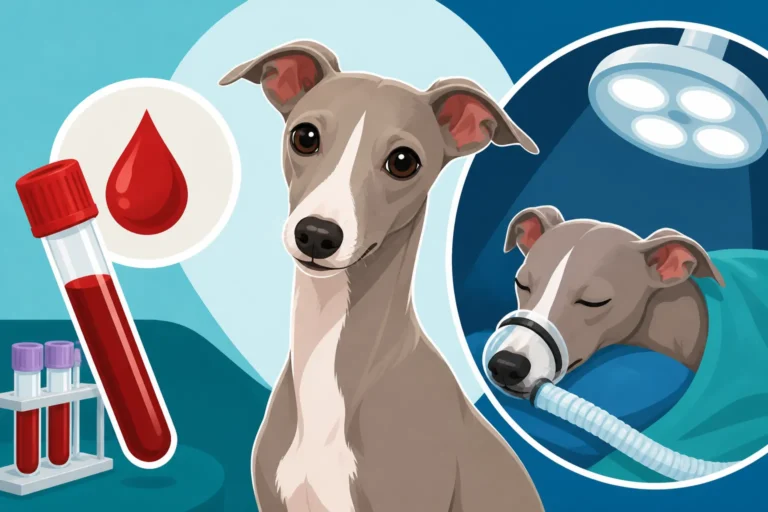
The mention of anesthesia often causes understandable anxiety for Italian Greyhound owners, and rightly so. Iggys, like other sighthounds, are known to be more sensitive to certain anesthetic agents and can be prone to hypothermia due to their low body fat. However, modern veterinary anesthesia protocols have advanced significantly, making procedures much safer. Your vet should perform pre-anesthetic blood work to check organ function and tailor the anesthetic plan to your dog's individual needs. They will use specific drugs known to be safer for sighthounds and implement careful monitoring of heart rate, breathing, blood pressure, and body temperature throughout the procedure.
A clinic experienced with sighthounds will prioritize warming measures, such as heated blankets and IV fluids, to prevent hypothermia. While no anesthesia is without risk, the risks of untreated, severe dental disease – including chronic pain, infection, and systemic illness – often far outweigh the risks of a properly managed anesthetic procedure. Don't let fear of anesthesia prevent your Italian Greyhound from getting the essential dental care they need. Discuss any concerns thoroughly with your veterinarian, making sure they are well-versed in Why Anesthesia Is Handled Differently in an Italian Greyhound. Many pet insurance plans, like those from Healthy Paws, may cover a portion of unexpected dental surgeries or advanced treatments under anesthesia, though routine cleanings are typically excluded. It’s always worth checking your policy details from providers like Healthy Paws to understand what could be covered in an emergency.
When Extractions Become Necessary
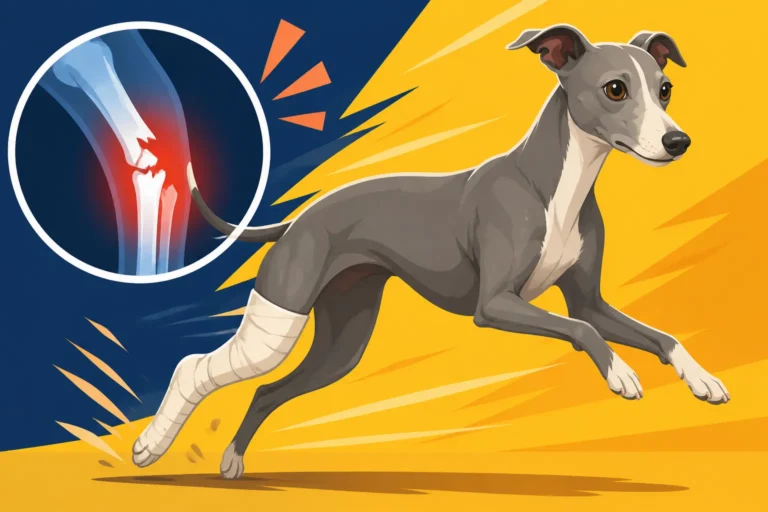
Despite our best efforts, sometimes dental disease progresses to a point where extractions become unavoidable. If a tooth is severely diseased, has extensive bone loss around its roots, or is causing pain and infection, removing it is the best course of action to alleviate suffering and prevent further health complications. It can be heartbreaking to hear that your beloved IG needs teeth removed, but remember, a painful, infected tooth is far worse for their quality of life than no tooth at all.
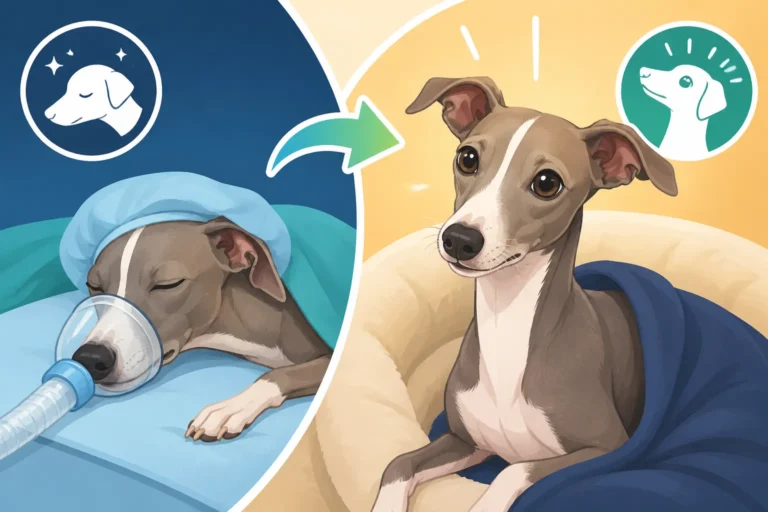
Italian Greyhounds can live perfectly happy and healthy lives even with several missing teeth. They adapt remarkably well to eating softer foods or kibble soaked in water. In fact, many owners report a significant improvement in their dog's demeanor and appetite once the source of chronic oral pain is removed. Post-extraction care involves pain management and sometimes antibiotics, with a recovery period during which softer food is recommended. While extractions are never ideal, they are a necessary tool in the veterinary arsenal to ensure your Italian Greyhound's comfort and long-term health. Unfortunately, it's not uncommon for owners to deal with The Age an Italian Greyhound Starts Losing Teeth and the subsequent need for extractions. This can also lead to understanding How Many Teeth an Italian Greyhound Loses by Eight.
Here's a quick comparison of various dental care methods:
| Method | Description | Effectiveness (Plaque/Tartar) | Frequency | Pros | Cons |
|---|---|---|---|---|---|
| Dry Kibble (Standard) | Regular dry dog food | Minimal | Daily | Convenient, provides nutrition | Not an effective cleaner, can contribute to plaque, expensive if relying on special formulas. |
| Daily Brushing | Manual cleaning with dog toothbrush and enzymatic paste | High | Daily | Most effective at home, prevents buildup | Requires commitment, can be challenging to teach IG to accept |
| VOHC-Approved Dental Chews | Specifically formulated chews for dental health | Moderate (plaque only) | Daily/Few times a week | Tasty, some mechanical action | Not a replacement for brushing, some can be too hard for Iggys, caloric intake |
| Water Additives | Solutions added to drinking water to reduce bacteria/plaque | Low to Moderate | Daily | Easy to use | Least effective, some IGs may refuse treated water |
| Professional Dental Cleaning (Vet) | Anesthetized scaling, polishing, and X-rays by a vet | High (removes existing buildup) | Annually/Biennially | Thorough cleaning, addresses sub-gingival issues | Requires anesthesia, cost can be significant |
Pet Insurance and Dental Coverage
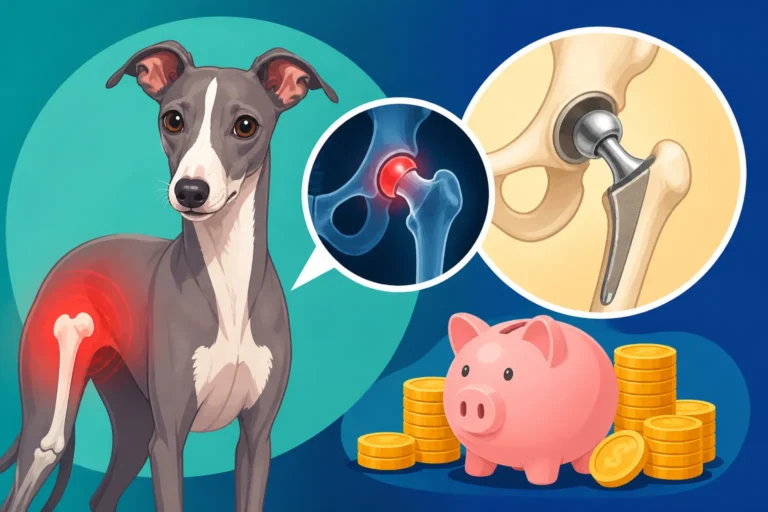
It’s important to clarify how pet insurance, from companies like Healthy Paws, generally handles dental care. Most standard pet insurance policies, including those from providers like Healthy Paws, classify routine dental cleanings (scaling and polishing without extractions) as "preventative care" and typically do not cover them. This is similar to how human health insurance often handles routine dental check-ups.
However, pet insurance can be an absolute lifesaver if your Italian Greyhound develops serious dental disease that requires extensive extractions, root canals, or treatment for conditions like stomatitis or jaw fractures resulting from dental disease. In these situations, where it's considered a "sick visit" or an accidental injury, many comprehensive policies from Healthy Paws or similar companies will cover a significant portion of the costs after your deductible and co-pay. This distinction is crucial for budgeting and understanding what financial support you can expect. Always review your specific policy with your provider, such as Healthy Paws, to understand the exact terms and coverage limitations for dental health, as it can vary. Preparing for unexpected health challenges, even with a plan from Healthy Paws, is a smart move for any Italian Greyhound owner.
Disclaimer
This article is for general informational purposes only and does not constitute professional advice. Laws, prices and regulations vary by location and change over time. Consult a qualified professional for guidance on your specific situation.