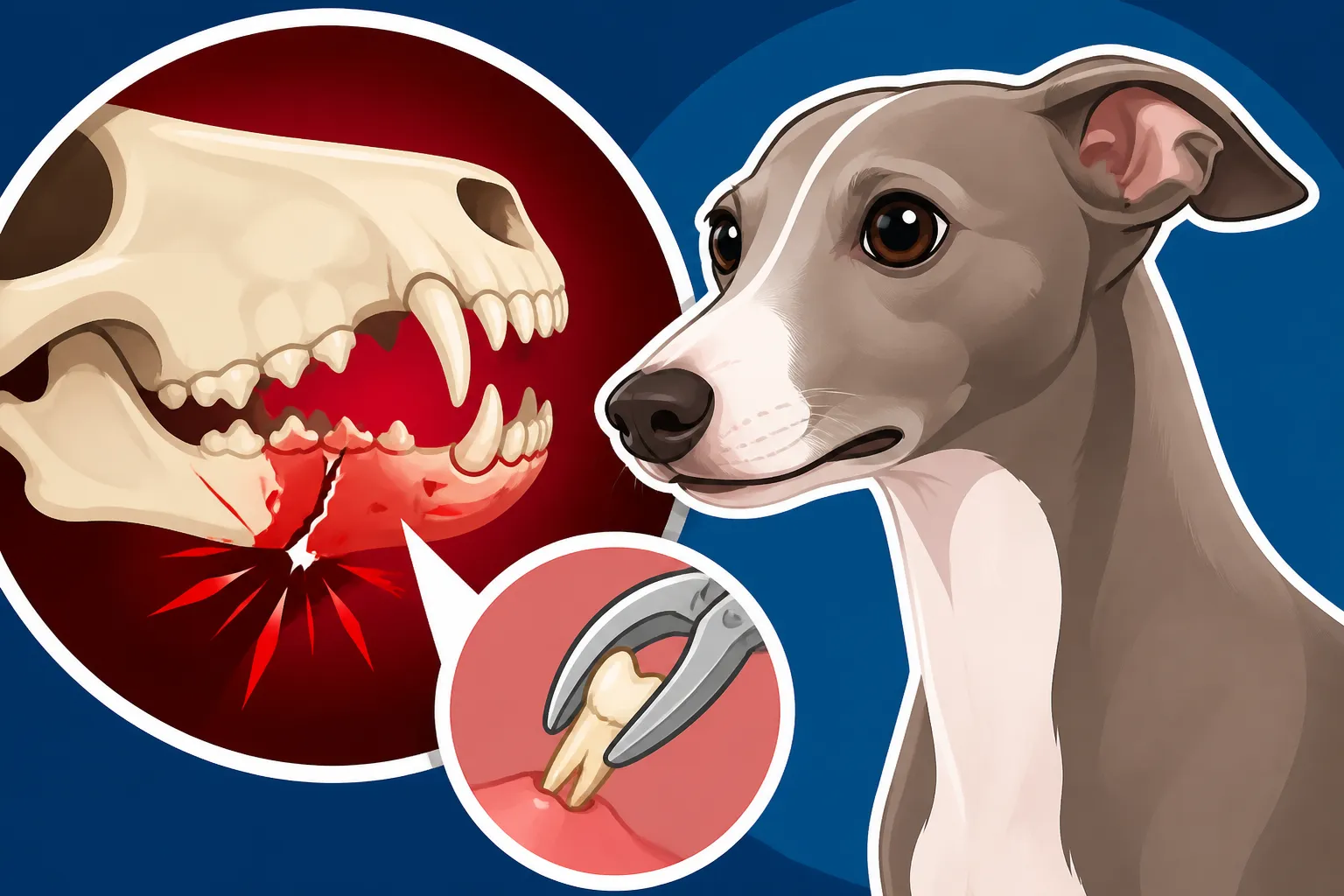
Why an Italian Greyhound’s Jaw Can Break During Extraction
It's an utterly terrifying thought for any Italian Greyhound owner: the idea that your delicate companion could suffer a jaw fracture during a routine dental extraction. We bring our beloved Iggys to the vet for dental care, hoping to alleviate pain and prevent further health issues, only to be faced with the very real risk of a catastrophic complication. This guide is here to help you understand precisely why an Italian Greyhound's jaw is so susceptible to breaking during extractions, what increases this risk, and the proactive steps you can take to protect your precious pup.
The Delicate Anatomy of an Italian Greyhound's Jaw
Italian Greyhounds are exquisite creatures, known for their fine bones and delicate build. While this contributes to their undeniable grace, it also presents unique challenges, particularly when it comes to their oral health and the structural integrity of their jaw. It's not just that they're small; there are specific anatomical features that make their jaws prone to fracture.
Thin Bone Structure and Jaw Density
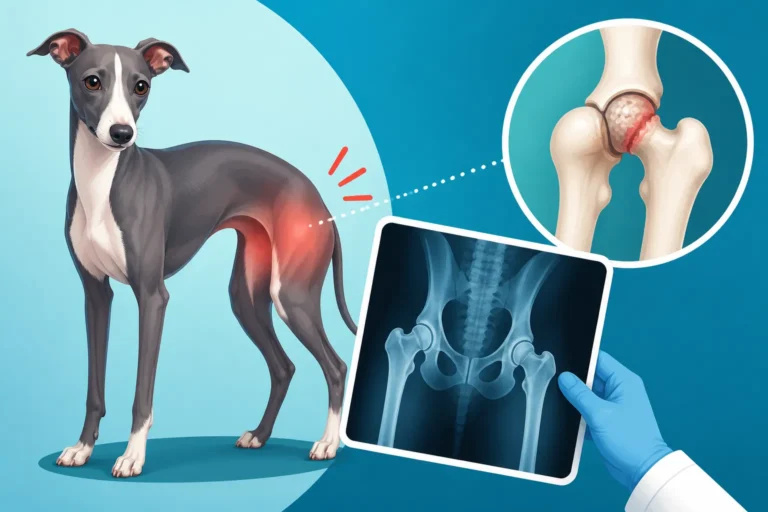
Unlike many other breeds, the Italian Greyhound possesses a remarkably thin and fragile bone structure throughout its body, and the jawbone is no exception. Their mandibles (lower jaw) and maxillae (upper jaw) are naturally less dense and significantly more slender than those of most other dogs, even other small breeds. This isn't a defect; it's simply a characteristic of the breed, a result of centuries of selective breeding for that refined, elegant head shape.
Imagine trying to extract a deeply rooted tooth from a piece of balsa wood compared to oak. That's a simplified way to think about the difference in bone density. This inherent fragility means that any significant force applied during a tooth extraction, especially when a tooth is stubbornly rooted or surrounded by compromised bone, can overwhelm the jaw's structural integrity, leading to a break. It's a cruel irony that the very feature that makes them so graceful also makes them so vulnerable.
Impact of a Crowded Mouth and Small Teeth
Despite their diminutive size, Italian Greyhounds typically have the same number of teeth as much larger dogs – a full complement of 42 adult teeth. Trying to fit all those teeth into such a narrow, refined muzzle is like trying to cram a dozen people into a compact car. The result is often severe dental crowding, where teeth are packed tightly together, sometimes even overlapping.
This crowding has several implications for jaw fragility. Firstly, the thin bone that separates individual tooth roots is even thinner due to the lack of space. Secondly, the roots of Italian Greyhound teeth can be surprisingly long relative to the shallow depth of their jawbones. This means a significant portion of the tooth root is embedded within the already delicate bone, requiring careful, precise work to extract without damaging the surrounding structure. You can read more about this phenomenon in our article, Why an Italian Greyhound's Teeth Crowd. This overcrowding isn't just an aesthetic issue; it creates structural weak points and makes every extraction a high-stakes procedure.
Factors Increasing Jaw Fracture Risk During Extractions
While an Italian Greyhound's natural anatomy sets the stage for potential jaw fragility, several other factors can significantly heighten the risk of a fracture occurring during a dental extraction. These often relate to the underlying health of the dog's mouth and the approach taken by the veterinary team.
Severe Periodontal Disease and Bone Loss
This is, without a doubt, the single biggest culprit behind jaw fractures during Italian Greyhound dental extractions. Periodontal disease, which is incredibly common in the breed, doesn't just affect the gums and teeth; it aggressively attacks and erodes the supporting bone structure around the teeth. You might be surprised to learn that Periodontal Disease Is the Italian Greyhound's Most Common Diagnosis. As the disease progresses, the infection and inflammation cause irreversible bone loss, creating deep pockets and weakening the jawbone significantly.
When a tooth needs to be extracted from an area where severe bone loss has occurred, the remaining jawbone can be astonishingly thin and brittle. It's like trying to remove a nail from rotting wood – the wood itself offers little resistance and is prone to splitting. In these cases, even minimal pressure during extraction can cause the compromised bone to give way. This is why addressing How Common Dental Disease Is in an Italian Greyhound is so critical, often necessitating extractions in already fragile areas.
The Skill and Experience of the Veterinary Team
It cannot be stressed enough: experience matters, especially with a breed as unique as the Italian Greyhound. Extracting teeth from an IG requires an understanding of their delicate anatomy, a gentle touch, and specialized techniques. A general practice vet who primarily works with larger, sturdier breeds might inadvertently apply too much force or use techniques that are appropriate for a Labrador but disastrous for an Italian Greyhound.
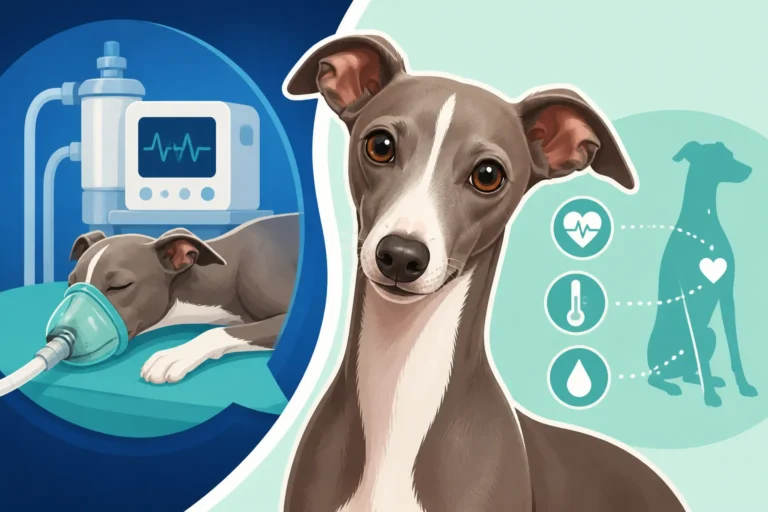
Before any extractions, a skilled veterinary team will insist on full-mouth dental X-rays. These aren't optional; they are absolutely vital. X-rays allow the vet to see the hidden structures – the length and curvature of tooth roots, the extent of bone loss, and any underlying jaw pathology that might not be visible on a surface examination. This critical information allows the vet to plan the extraction meticulously, identifying potential weak points and choosing the least traumatic method. It's also worth noting that Why an Italian Greyhound's Dental Requires Anesthesia is a complex topic itself, adding another layer of expertise required for the procedure.
A vet experienced with IGs will often use sectioning techniques for multi-rooted teeth, carefully dividing the tooth into smaller pieces before removing them, rather than attempting to extract the entire tooth at once with potentially excessive leverage. They also understand the importance of minimal luxation (wiggling) and controlled, consistent pressure.
The Number and Location of Extractions
The complexity of the dental procedure also plays a significant role in fracture risk. A single, straightforward extraction of a small incisor is generally less risky than multiple extractions, especially if several teeth are being removed from a concentrated area. The more teeth that need to come out, the more manipulation of the jawbone is involved, and the greater the cumulative stress on the delicate structure.
Locations of extractions also matter. The lower jaw (mandible), particularly in the area of the molars and premolars, can be very thin and more susceptible to fracture. Extracting canine teeth, with their incredibly long roots, can also be particularly challenging and risky. The forces required to loosen and remove these deeply anchored teeth are substantial, and if the surrounding bone is already weakened by periodontal disease, the risk escalates dramatically. It’s disheartening to consider that many IGs may start losing teeth as early as two or three years old, as discussed in The Age an Italian Greyhound Starts Losing Teeth, leading to multiple extractions throughout their life.
Minimizing the Risk of Jaw Fracture
While the risk of a jaw fracture during extraction is inherent for Italian Greyhounds, there are significant steps you can take as an owner to minimize this terrifying possibility. It truly boils down to proactive care, consistent vigilance, and making informed choices about your veterinary team.
Proactive and Consistent Home Dental Care
This is your first and most powerful line of defense. Preventing severe periodontal disease is the absolute best way to protect your Italian Greyhound's delicate jaw. And the cornerstone of prevention is daily home dental care. Yes, daily! Brushing your Italian Greyhound's teeth every single day is not just a recommendation; it's a necessity. Their unique anatomy and predisposition to dental disease mean that tartar and plaque build up rapidly. Our guide on Brushing an Italian Greyhound's Teeth Every Day provides detailed steps to make this a manageable part of your routine.
Daily brushing physically removes the plaque before it can harden into tartar, which then leads to gum inflammation and bone loss. Without this consistent removal, periodontal disease progresses silently and aggressively, eating away at the very bone that holds the teeth in place and provides structural integrity to the jaw. Think of it as investing in the strength of their jawbone bit by bit, every single day. You can also explore Why an Italian Greyhound's Teeth Need Brushing Daily for a deeper dive into the specifics of this crucial habit.
While dental chews and water additives can be supplementary, they are never a substitute for manual brushing. They simply don't have the mechanical action required to effectively clean an Italian Greyhound's crowded mouth.
Regular Veterinary Dental Exams and Cleanings
Even with diligent home care, professional veterinary dental cleanings are indispensable for Italian Greyhounds. These aren't just for cleaning; they are crucial diagnostic opportunities. Your vet can perform a thorough oral exam, identify early signs of trouble, and, most importantly, conduct full-mouth dental X-rays under anesthesia.
X-rays are non-negotiable for Italian Greyhounds. They reveal the true extent of dental disease below the gum line, showing bone loss, root integrity, and any hidden abscesses that are invisible to the naked eye. This allows your vet to intervene before problems become so severe that extractions are highly risky. Discover more about What Happens During an Italian Greyhound's Dental and why it's so vital.
Regular cleanings, usually annually or even every six months for some IGs, remove tartar buildup and prevent the progression of periodontal disease, thereby preserving jawbone density. These procedures can be costly, but investing in regular professional cleanings is far less expensive, emotionally and financially, than dealing with a jaw fracture. This is where pet insurance, like a plan from Healthy Paws, can be incredibly beneficial. It can help cover the substantial costs of these preventative annual cleanings and necessary extractions, making it much easier for you to prioritize your IG's oral health without financial strain. Understanding What an Italian Greyhound's Annual Dental Costs can help you budget for this essential care.
Choosing an Experienced Veterinary Professional
When it comes to dental procedures, especially extractions, choosing the right veterinary professional is paramount. Don't hesitate to ask your veterinarian about their experience with Italian Greyhounds and toy breeds in general when performing dental work. Specifically inquire about:
- Their approach to dental X-rays: Do they perform full-mouth X-rays routinely for IGs before any extractions?
- Extraction techniques: Are they familiar with techniques like crown sectioning to minimize trauma to the jawbone?
- Anesthesia protocols: Do they have specific protocols for sighthounds, who can be more sensitive to certain anesthetics? We cover this in depth in Why Anesthesia Is Handled Differently in an Italian Greyhound.
If your general practice vet is not comfortable or extensively experienced with complex extractions in Italian Greyhounds, they should be able to refer you to a board-certified veterinary dentist. These specialists have advanced training and equipment specifically for intricate oral surgeries, making them the ideal choice for high-risk cases. While seeking a specialist may mean traveling further and incurring higher costs, the peace of mind and the reduced risk to your Italian Greyhound's jaw are invaluable. Healthy Paws insurance plans can also help with specialist visits, easing the burden of higher specialist fees.
What Happens if a Jaw Fracture Occurs?
Despite everyone's best efforts and meticulous planning, sometimes a jaw fracture can still occur during an Italian Greyhound's dental extraction. It’s a devastating complication, but understanding what happens next and the prognosis can help prepare you, should the unthinkable happen.
Immediate Recognition and Action
A competent veterinary team will typically recognize a jaw fracture immediately if it occurs during an extraction procedure. The signs are usually obvious to the surgeon, who will cease the extraction and address the fracture. This usually involves an immediate shift from dental work to orthopedic surgery.
The primary goal is stabilization. The fractured jawbone needs to be meticulously realigned and secured to allow it to heal. Common methods include:
- Cerclage wiring: Thin wires are used to bind bone fragments together.
- Maxillomandibular fixation (MMF): The upper and lower jaws are wired together to prevent movement, often involving a muzzle or special external fixator.
- Mini-plates and screws: Small metal plates and screws can be used for more stable fixation, similar to how a broken limb might be repaired. This is a highly specialized procedure.
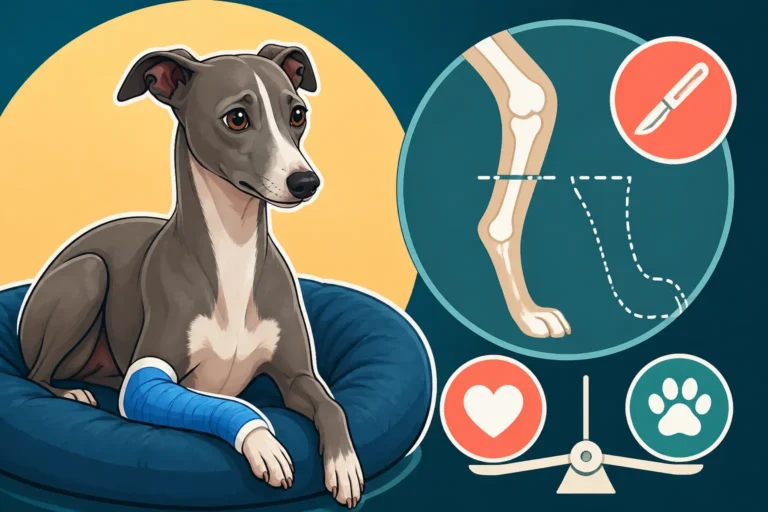
The surgical repair of a jaw fracture can be complex and typically requires a skilled veterinary surgeon, sometimes even an orthopedic specialist. Post-surgery, your Italian Greyhound will face a significant recovery period, which will involve strict dietary modifications (liquid or soft foods only), pain management, and activity restriction to prevent re-injury and allow the bone to knit. The costs associated with such emergency orthopedic surgery can be substantial, as detailed in What Fracture Repair Costs on an Italian Greyhound, highlighting once again the value of comprehensive pet insurance.
Recovery and Prognosis
The recovery period for a jaw fracture can be lengthy and challenging, often spanning several weeks or even months. Your Italian Greyhound will need an immense amount of patience, gentle handling, and diligent care from you. During this time:
- Diet: They will be on a strictly soft or liquid diet to avoid any chewing that could disrupt the healing bone. This might involve feeding pureed food or gruel through a syringe.
- Pain Management: Consistent pain relief will be crucial to keep them comfortable and reduce stress.
- Activity Restriction: Your IG will need to be kept quiet, with no rough play or jumping, to prevent any undue stress on the healing jaw. This can be difficult for active young IGs, but it is absolutely essential.
- Follow-up X-rays: Regular X-rays will be necessary to monitor the healing progress and ensure the bone is mending correctly.
- Infection Control: Antibiotics may be prescribed to prevent infection in the surgical site.
While a jaw fracture is undoubtedly a severe complication, the good news is that with proper surgical intervention and dedicated post-operative care, many Italian Greyhounds can make a full recovery. The bone is quite capable of healing. However, the prognosis can vary depending on the severity and type of fracture, the dog's age and overall health, and the quality of the surgical repair. Older Italian Greyhounds or those with more advanced bone disease may have a longer or more complicated recovery. Our article Caring for an Italian Greyhound Past Eleven also touches on the unique health considerations for senior IGs.
It's a testament to the resilience of these little dogs that they often bounce back remarkably well. Still, preventing such a traumatic event through vigilant preventative care and choosing experienced veterinary professionals remains the ideal scenario. Having pet insurance, like a robust plan from Healthy Paws, can significantly alleviate the financial burden of these unexpected and high-cost emergencies, allowing you to focus on your Italian Greyhound's recovery without added stress.
Understanding Dental Extraction Risks in Italian Greyhounds
To provide a clearer picture of the unique challenges Italian Greyhounds face during dental extractions, here's a comparative overview:
| Factor | Italian Greyhound | General Dog Breeds (e.g., Labrador) | Jaw Fracture Risk During Extraction |
|---|---|---|---|
| Bone Density | Significantly lower; very thin, fragile jawbones. | Generally higher; robust, thicker jawbones. | High |
| Tooth Crowding | Severe; 42 teeth in a tiny, narrow muzzle, often overlapping. | Varies by breed, but often less severe in proportion to jaw size. | Elevated |
| Periodontal Disease | Highly prevalent and aggressive, leading to rapid bone loss. | Common, but progression and bone loss severity can vary more. | Significantly Elevated |
| Anesthesia Sensitivity | Known for sighthound-specific sensitivities to certain drugs. | Generally less sensitive, broader range of acceptable protocols. | Indirectly Elevated (due to need for careful handling) |
| Recovery Time | Can be prolonged due to delicate structure, requiring strict management. | Generally straightforward, less risk of re-injury with activity. | Elevated (due to fragility after repair) |
Disclaimer
The information provided in this article is for educational purposes only and is not intended to be a substitute for professional veterinary advice. Always consult with a qualified veterinarian for any health concerns or before making any decisions related to your pet's health or treatment.