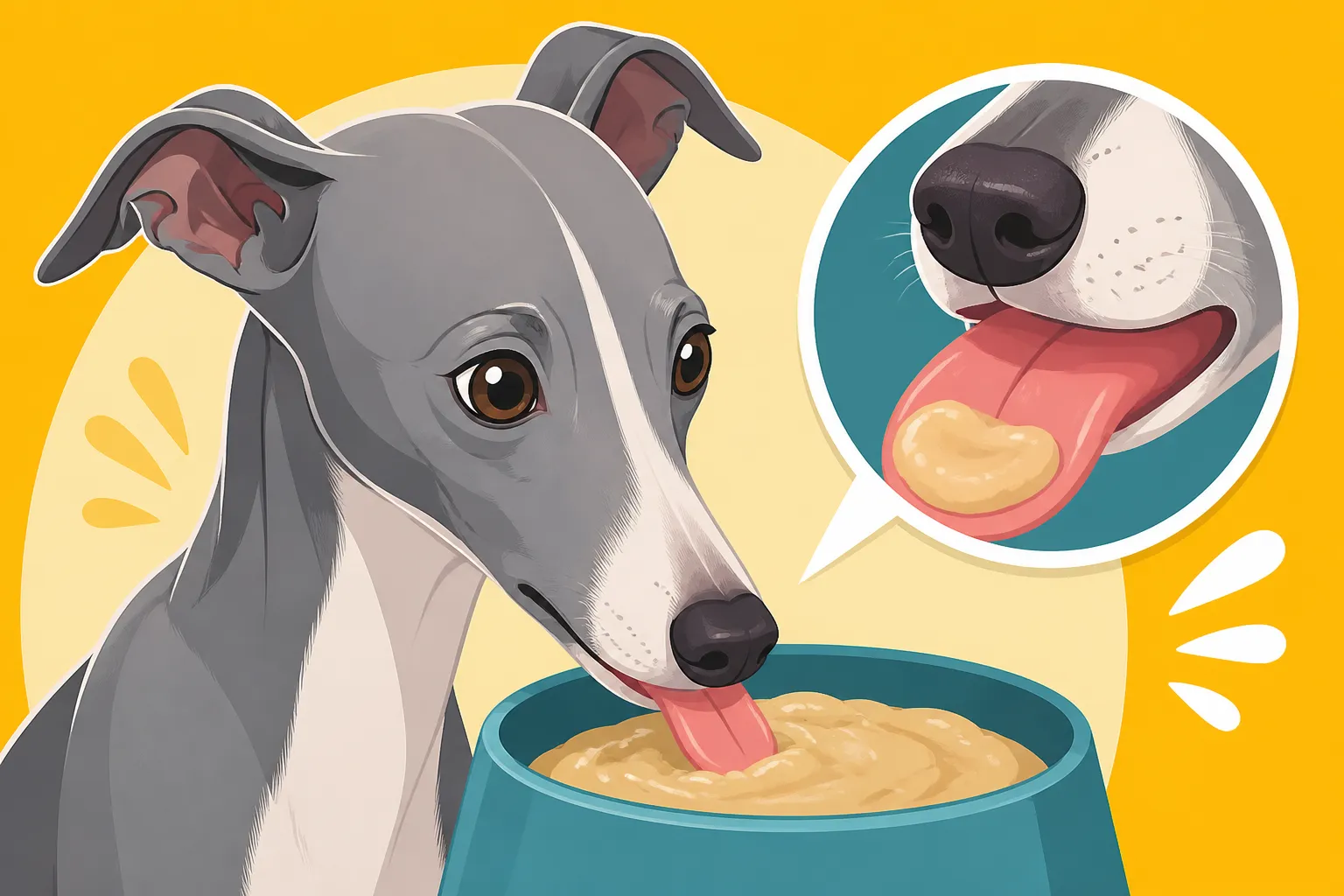
How an Italian Greyhound Eats With No Teeth
It's heartbreaking to see our beloved Italian Greyhounds struggle with dental issues, and the thought of them losing their teeth can be truly frightening for any owner. Many of us worry endlessly about how our delicate Iggies will manage to eat and maintain their health without those crucial chompers. This comprehensive guide is here to alleviate those fears and walk you through exactly how an Italian Greyhound can not only survive but thrive, even with a mouth full of gums instead of teeth, ensuring they continue to enjoy their meals and live a comfortable, happy life.
Understanding Why Italian Greyhounds Lose Their Teeth
It's a harsh reality that many Italian Greyhounds will, at some point in their lives, face significant tooth loss. This isn't just a random occurrence; it's often a direct consequence of their unique anatomy and a predisposition to certain health issues. As owners, understanding the root causes can help us better prepare and manage this common challenge.
The Silent Battle: Periodontal Disease
The absolute primary culprit behind tooth loss in Italian Greyhounds is periodontal disease. This isn't just a bit of bad breath; it's a progressive, painful infection of the tissues surrounding the teeth, and it's shockingly common in our breed. Their elegant, narrow muzzles and small jaws are simply not designed to comfortably house the 42 teeth most dogs possess. This crowding leads to an environment ripe for food particles and bacteria to get trapped, quickly forming plaque and then hardening into tartar. Once tartar takes hold below the gum line, it pushes the gums away from the teeth, creating pockets where bacteria flourish unchecked.
This process can be insidious, often advancing without obvious signs until the disease is quite severe. By the time many owners notice issues, the infection has often destroyed the supporting structures around the teeth, making them loose and causing immense pain. The genetic predisposition of Italian Greyhounds to these issues means that even with diligent home care, some Iggies will still struggle. This isn't a reflection of your care, but rather the challenging hand some of these pups are dealt. It's truly a widespread problem, so much so that Periodontal Disease Is the Italian Greyhound's Most Common Diagnosis is a topic many of us are unfortunately familiar with. You can also delve deeper into Why an Italian Greyhound's Teeth Crowd to understand the anatomical specifics.
When Extractions Become Necessary
While preventative care, including daily brushing, is crucial, there comes a point for many Italian Greyhounds where extractions are the only humane option. When periodontal disease reaches an advanced stage, the teeth become so compromised that they are sources of chronic pain and infection. Left untreated, this infection can spread throughout the body, affecting vital organs like the heart, liver, and kidneys, significantly shortening your Italian Greyhound's lifespan.
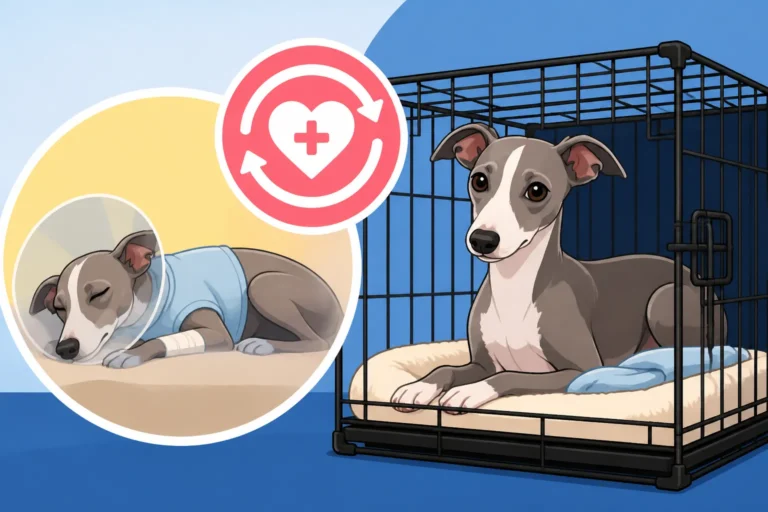
Veterinarians, especially those experienced with sighthounds, will often recommend full-mouth extractions in severe cases. This might sound drastic, but it's a decision made to eliminate pain entirely and vastly improve your dog's quality of life. An Italian Greyhound suffering from severe dental disease is in constant agony, even if they don't show it overtly. Once those diseased teeth are gone, the relief is often immediate and profound. While it's a significant procedure, it's often the pathway to a happier, pain-free existence. Many Iggies start losing teeth as they age; to learn more about the timeline, check out The Age an Italian Greyhound Starts Losing Teeth. It's not uncommon for them to lose quite a few, or even most, by middle age; our article on How Many Teeth an Italian Greyhound Loses by Eight gives a good overview of what to expect.
Crafting a Meal Plan for a Toothless Italian Greyhound
The biggest hurdle for owners after extensive tooth loss or extractions is often mealtime. How will they eat? Will they get enough nutrients? The good news is that Italian Greyhounds are incredibly adaptable, and with a few simple adjustments, they can eat just as well, if not better, without their teeth. The key is providing easily consumable food that is still nutritionally complete and enjoyable.
The Art of Softening and Pureeing Food
When teeth are no longer in the picture, the texture of food becomes paramount. Hard kibble is simply out of the question, as it can be painful and frustrating for a toothless dog to try and chew. The goal is to present food in a way that your IG can easily lap up or swallow without needing to break it down.
Commercial wet foods are an excellent starting point. Look for high-quality pate-style wet foods that are naturally soft and easy to consume. Brands like Weruva, Merrick, or Ziwi Peak often offer excellent, palatable options. If your Italian Greyhound is accustomed to kibble, don't despair! You can transform their favorite dry food by rehydrating it. Simply add warm water, low-sodium chicken or beef broth, or even goat's milk to their kibble and let it soak for 15-30 minutes until it becomes a soft, mushy consistency. Stir it well to ensure all pieces are softened. For the truly toothless, or those with very sensitive gums, pureeing food in a blender or food processor is a fantastic solution. You can blend wet food, rehydrated kibble, or even cooked lean meats and soft, dog-safe vegetables (like pumpkin or sweet potato) into a smooth, thick consistency. This ensures easy swallowing and digestion, and many Iggies absolutely adore the new "baby food" texture. Our article on Softer Food for an Old Italian Greyhound has even more ideas for transitioning to softer foods as they age.
Here's a quick guide to preparing soft food:
| Food Type | Preparation Method | Notes |
|---|---|---|
| Commercial Wet Food | Serve as is, or lightly mash for smoother consistency. | Choose pate or finely shredded textures. Ensure complete and balanced. |
| Dry Kibble | Soak in warm water or low-sodium broth until mushy. | Allow 15-30 minutes for soaking. Stir thoroughly to check for hard pieces. |
| Homemade Cooked Meats | Boil or steam lean chicken/turkey/beef, then shred or puree. | Avoid bones, seasoning. Mix with soft vegetables for nutritional balance. |
| Soft Cooked Vegetables | Steam or boil pumpkin, sweet potato, green beans, carrots. | Mash or puree. Introduce slowly to avoid stomach upset. |
| Bone Broth | Can be added to kibble or served alone for hydration/nutrients. | Ensure it's unsalted and free of onions/garlic. |
Encouraging Eating with Adapted Bowls and Routines
Beyond the food's texture, how you present it can make a big difference for a toothless Italian Greyhound. Standard dog bowls can sometimes be deep and difficult for a dog to comfortably lap from, especially if they're used to picking up kibble with their teeth.
Consider switching to a shallow, flat dish or even a plate. This allows your IG to access the food easily without having to dive their muzzle deep into a bowl, which can be messy and frustrating. Some owners find that elevated bowls help older Iggies or those with neck issues, as it reduces the need to bend down excessively. If your Italian Greyhound is initially hesitant, don't be afraid to hand-feed a few bites to encourage them. The warmth of your hand and gentle reassurance can often coax them into eating. Maintaining a consistent feeding routine can also help. Iggies thrive on predictability, and knowing when and where their delicious, soft meal will appear can build their confidence and appetite. Expect a bit more mess than before, but embrace it as part of their unique charm. A clean floor is a small price to pay for a happy, well-fed pup!
Nutritional Balance and Ongoing Health Support
Even without teeth, ensuring your Italian Greyhound receives all the necessary nutrients is crucial for their long-term health and vitality. Dental issues don't occur in a vacuum; they often come with age or other health considerations, making a balanced diet and consistent veterinary care even more important.
Ensuring Complete and Balanced Nutrition
When relying on commercial wet foods or homemade diets, it's vital to confirm that your Italian Greyhound is receiving a complete and balanced nutritional profile. Not all wet foods are created equal; some are designed as toppers or supplementary feeding, not as a sole diet. Always look for labels that state the food is "complete and balanced" for all life stages, or for adult maintenance, depending on your dog's age. If you opt for a homemade pureed diet, consulting with a veterinary nutritionist is highly recommended. They can help you formulate recipes that meet all your Italian Greyhound's specific dietary needs, ensuring they get the right balance of proteins, fats, carbohydrates, vitamins, and minerals. This prevents deficiencies that could lead to other health problems down the line.
Sometimes, extensive dental work, including multiple extractions, can be costly. This is where pet insurance can be a real lifesaver. Companies like Healthy Paws often cover a significant portion of unexpected veterinary bills, which can include the diagnostics, surgery, and post-operative care for severe dental disease. Having a good policy from Healthy Paws can give you peace of mind, knowing you can afford the best care for your toothless wonder without breaking the bank, and focus on their diet rather than the looming vet bill.
Supporting Overall Oral Health (Even Without Teeth)
Just because your Italian Greyhound no longer has teeth doesn't mean you can neglect their oral hygiene entirely. While the risk of tooth decay is obviously gone, gum health remains paramount. The gums can still become inflamed, infected, or develop issues that cause discomfort.
Continue to regularly inspect your IG's mouth. Look for any redness, swelling, unusual growths, or signs of pain. Gently massaging their gums with a soft finger brush or a piece of gauze can stimulate blood flow and help keep the tissue healthy. Your vet might also recommend specific oral rinses or wipes designed for dogs to help maintain a clean oral environment and prevent bacterial overgrowth. Regular veterinary check-ups are more important than ever. Your vet will not only assess their gum health but also their overall nutritional status and look for any other age-related issues. These routine exams are fundamental to catching any potential problems early. For example, our article on What an Italian Greyhound's Annual Checkup Costs highlights the importance of budgeting for and attending these regular appointments. It’s also important to remember the delicate nature of their jaws, as discussed in Why an Italian Greyhound's Jaw Can Break During Extraction, reinforcing the need for careful oral care throughout their lives.
Thriving Beyond Tooth Loss: Quality of Life for Your Italian Greyhound
The journey through tooth loss and adapting to a new way of eating might seem daunting, but it’s a path many Italian Greyhound owners navigate successfully. The resilience of these little dogs is truly remarkable, and their quality of life can dramatically improve once they are free from chronic dental pain.
Addressing Adaptation and Comfort
One of the most heartwarming aspects of managing tooth loss in Italian Greyhounds is witnessing their incredible adaptability. Many owners report that after a period of recovery from extractions, their Iggies show a renewed zest for life. They often become more playful, their personalities shine brighter, and their appetites improve significantly. The constant, nagging pain of infected teeth is gone, replaced by comfort and the simple joy of eating. While you might worry they'll miss chewing, Iggies are often happy to lap up their meals, especially if it means no more pain.
It's natural for owners to feel a pang of sadness or guilt over their dog losing teeth, but remember that this intervention is almost always for their ultimate benefit. Your Italian Greyhound will likely adjust far quicker than you anticipate, focusing on the comfort and deliciousness of their new, soft food. Provide them with plenty of love, patience, and positive reinforcement during this transition, and you'll be amazed at how quickly they bounce back.
Long-Term Care and Financial Planning
Managing a toothless Italian Greyhound is truly a long-term commitment, often intertwining with the broader aspects of caring for a senior dog. As Iggies age, dental disease isn't the only health consideration. They might face other challenges such as arthritis, vision changes, or other common ailments that require ongoing veterinary attention. Our article on Caring for an Italian Greyhound Past Eleven offers a wealth of information on supporting your older pup through these years.
Financial planning for these eventualities is crucial. While a company like Healthy Paws can significantly mitigate the costs of unexpected illnesses or injuries, it’s always wise to have an emergency fund. Consider that Italian Greyhounds are generally quite healthy and can live long, fulfilling lives, often reaching 14 to 15 years. This extended lifespan, while wonderful, means more years of potential vet visits and specialized care. You can find more details on their longevity in Why an Italian Greyhound Lives Fourteen to Fifteen Years. Overall, Italian Greyhounds are considered a robust breed, and understanding Whether the Italian Greyhound Is a Healthy Breed can help set your expectations for their health journey. With proper care and a loving home, your toothless Italian Greyhound can enjoy many happy, pain-free years by your side.
Disclaimer
The information provided in this guide is for general informational purposes only and does not constitute veterinary advice. Always consult with a qualified veterinarian or veterinary specialist for any health concerns or before making any decisions about your pet's health or treatment.