Whether an Italian Greyhound Can Reach Eighteen
We all want our beloved Italian Greyhounds to stay with us forever, and the thought of them reaching a truly venerable age like eighteen years old is a dream many of us hold close. While it's certainly ambitious, and indeed quite rare, it's not entirely out of the realm of possibility for this delicate yet surprisingly hardy breed. This guide will delve into the remarkable factors that could contribute to an Italian Greyhound celebrating its eighteenth birthday, and what you can do to give your cherished companion the longest, healthiest life possible.
The Typical Italian Greyhound Lifespan
Italian Greyhounds are renowned for their generally long lifespans compared to many other purebred dogs. This isn't just wishful thinking; it's a characteristic often seen in the breed. However, eighteen years old is certainly pushing the upper limits of even their impressive longevity.
Average Lifespan Expectations
On average, an Italian Greyhound lives for about 14 to 15 years. This is a fantastic run for any dog, and it's one of the reasons many people are drawn to the breed. It means you can expect many wonderful years of companionship, zoomies, and snuggles. When we talk about Italian Greyhounds living to 18, we're talking about outliers – the exceptionally lucky few who have a perfect storm of genetics, care, and a bit of good fortune on their side. These are the dogs whose stories we share with awe, celebrating their incredible journey. It's truly inspiring to see a little Italian Greyhound still trotting along, even if a bit more slowly, after so many years. You can learn more about this in our article, How Long an Italian Greyhound Lives on Average.
Factors Influencing a "Normal" Long Life
Even within the typical 14-15 year range, there are countless individual variables that come into play. A dog from a reputable breeder who focuses on health and temperament often starts with a genetic advantage. These breeders diligently screen for potential inherited conditions, giving their puppies the best possible foundation. Beyond genetics, consistent, high-quality care throughout an Italian Greyhound's life is paramount. This includes a nutritious diet, regular exercise tailored to their needs, preventive veterinary care, and a safe home environment. A mentally stimulated and emotionally secure Italian Greyhound is also a happier and, quite possibly, healthier one. The bond we share with them truly makes a difference.
What It Takes to Reach Eighteen: The Ideal Scenario
For an Italian Greyhound to reach the remarkable age of eighteen, everything has to align perfectly. It’s not just about avoiding major illness, but about a lifelong commitment to optimal health and a good dose of luck. Think of it as hitting the longevity lottery.
Exceptional Genetics and Breeding
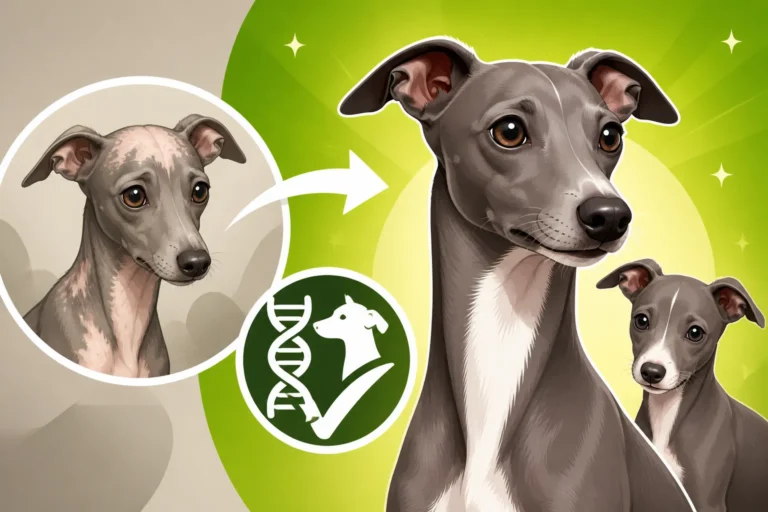
The foundation for extreme longevity often begins long before a puppy even comes home. Exceptional genetics from a lineage known for health and long-lived ancestors can significantly boost an individual Italian Greyhound's prospects. This means choosing a puppy from a breeder who not only screens for common issues but actively tracks the lifespan and health trajectories of their lines for generations. They should be transparent about the health tests their breeding dogs undergo, such as those discussed in What an Italian Greyhound Breeder Should Have Tested. Genetic predispositions to certain diseases, even those that might not be immediately apparent, can cut a life short. A dog from truly robust, carefully selected lines will simply have a better internal blueprint for a long and healthy existence, giving them an inherent advantage when striving for those truly advanced years. It’s about building a strong genetic house from the very beginning.
Proactive, Lifelong Veterinary Care
Consistent, top-tier veterinary care from puppyhood through their golden years is non-negotiable for an Italian Greyhound hoping to reach 18. This isn't just about reacting to problems; it's about being proactive. Regular wellness exams, as detailed in How Often an Italian Greyhound Needs a Wellness Exam, are crucial for catching subtle changes before they become major issues. This includes comprehensive bloodwork as they age, checking organ function, and addressing any emerging concerns promptly. Think about dental care, which is a massive contributor to overall health. It's often said that Italian Greyhounds are prone to dental disease, so staying on top of cleanings and at-home care is essential.
Having a robust pet insurance plan, like those offered by Healthy Paws, can be incredibly helpful here. It allows owners to make healthcare decisions based on what's best for their dog, rather than being constrained by cost, especially as unexpected age-related conditions or emergencies can arise. This financial safety net can ensure that even expensive diagnostic tests or specialized treatments are accessible, removing a significant barrier to optimal care. Early detection and consistent treatment for conditions like kidney disease or heart murmurs can add precious years to an Italian Greyhound's life.
Meticulous Home Care and Environment
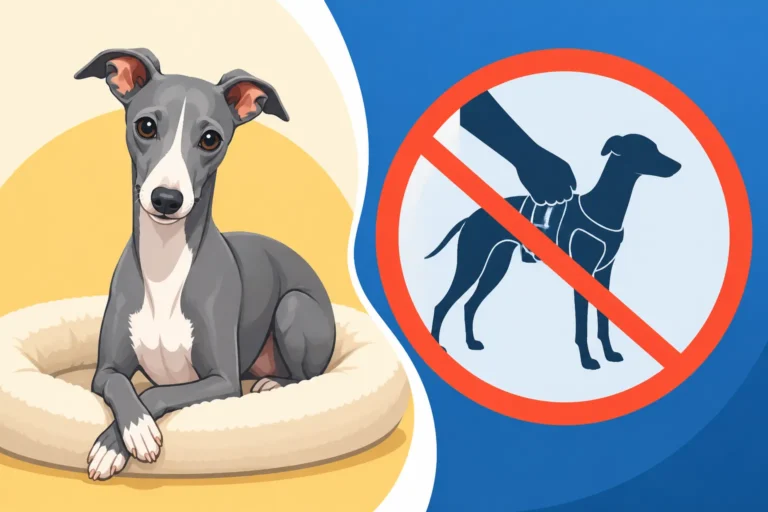
Beyond veterinary intervention, the daily environment and care at home play an equally critical role. An Italian Greyhound needs a home that is a sanctuary of warmth, comfort, and safety. Given their extremely low body fat and thin skin, keeping an Italian Greyhound warm is a constant effort, not just a winter job. Drafts, cold floors, and chilly outdoor temperatures can stress their systems, making them more susceptible to illness. Many Italian Greyhounds adore burrowing under blankets, and providing them with cozy, soft bedding, perhaps even a heated bed for their later years, can make a huge difference in their comfort and overall well-being. This is detailed in our guide to Caring for an Italian Greyhound Past Eleven.
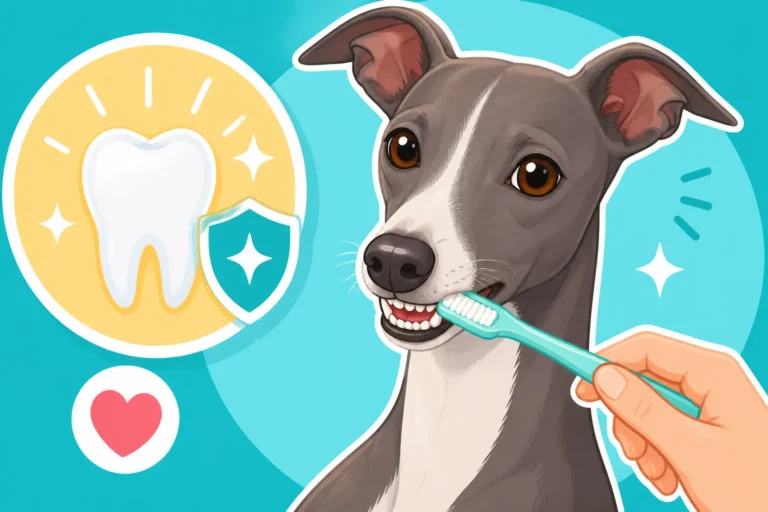
Nutrition is another cornerstone. Feeding a high-quality, balanced diet appropriate for their life stage, and carefully managing their weight to prevent obesity, puts less strain on their joints and organs. Italian Greyhounds are naturally lean, and maintaining that ideal body condition is vital. As discussed in Feeding an Italian Greyhound That Carries Seventeen Percent Body Fat, understanding their unique metabolic needs is key. Furthermore, preventing injuries is paramount. Their delicate bones are notoriously fragile, especially when young, but even an older Italian Greyhound can suffer a devastating fracture from a simple fall. Utilizing ramps and steps for furniture, as explored in Ramps and Steps for an Italian Greyhound's Furniture, and ensuring non-slip flooring can mitigate these risks significantly. Daily dental care, beyond professional cleanings, is also a must. Brushing an Italian Greyhound's teeth every day, as highlighted in Brushing an Italian Greyhound's Teeth Is the Care Task That Matters, can drastically reduce the severity of periodontal disease, which can lead to systemic health issues if left unchecked.
Common Hurdles to Extreme Longevity for Italian Greyhounds
While Italian Greyhounds are a relatively long-lived breed, they do face specific health challenges that can unfortunately cut their lives shorter than that coveted 18-year mark. Being aware of these common hurdles allows owners to be proactive in prevention and early intervention.
Dental Disease
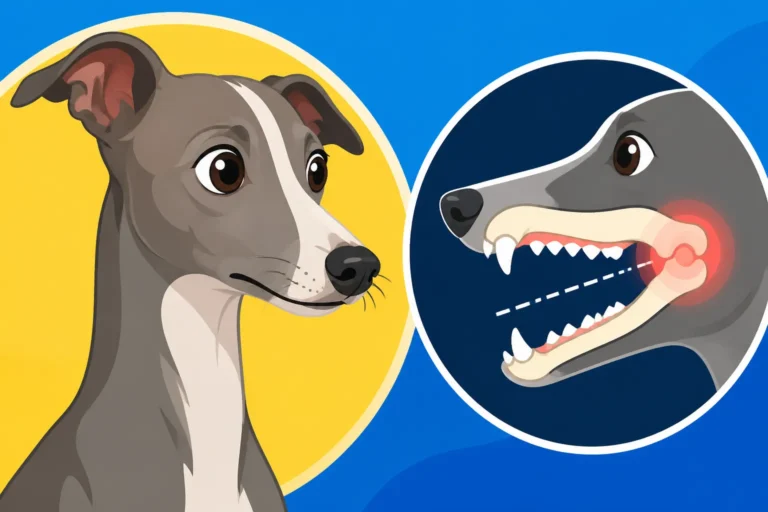
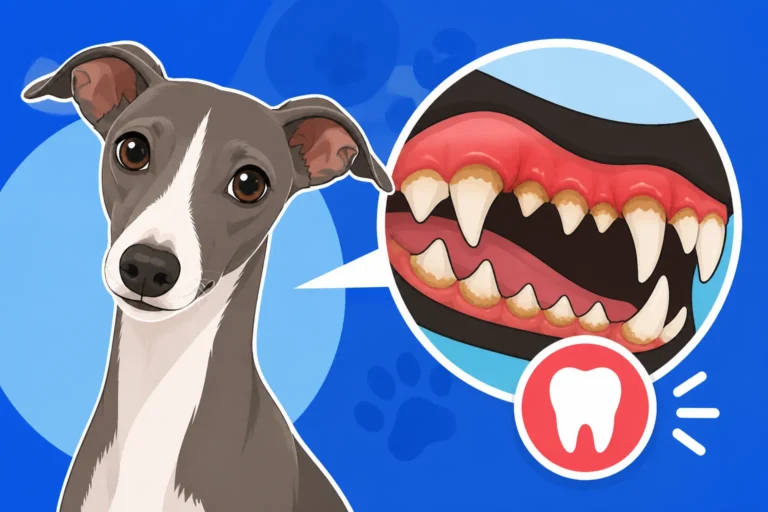
Hands down, one of the most prevalent and impactful health issues for Italian Greyhounds is dental disease. It's an issue that almost every Italian Greyhound owner will contend with. Their delicate, narrow muzzles are often overcrowded with teeth, leading to plaque and tartar buildup at an alarming rate. This often starts much earlier in life than in many other breeds. Periodontal Disease Is the Italian Greyhound's Most Common Diagnosis for a reason, and if you read How Common Dental Disease Is in an Italian Greyhound, you'll quickly understand why.
If left untreated, this isn't just about bad breath; it's a gateway to more serious health problems. Bacteria from severe gum disease can enter the bloodstream and travel to vital organs like the heart, kidneys, and liver, causing secondary infections and chronic inflammation. This systemic impact can significantly reduce an Italian Greyhound's overall health and shorten their lifespan. Regular, professional dental cleanings under anesthesia, combined with diligent daily home care, are absolutely essential to prevent this silent killer from taking hold. Some owners might worry about anesthesia for older dogs, but the risks of untreated dental disease often far outweigh the risks of a properly managed dental procedure.
Orthopedic Issues and Injuries
Italian Greyhounds are famously fragile, and a broken leg is a devastating reality that many owners unfortunately face. As our article A Broken Leg Is the Emergency Every Italian Greyhound Owner Fears emphasizes, it's not just a painful event but a major medical crisis. Their long, slender leg bones, particularly the radius and ulna, are particularly prone to fracture. For a deeper dive, consider reading Why an Italian Greyhound's Leg Bones Break So Easily. While many fractures can be repaired successfully, the recovery process is long, arduous, and costly.
Even if a dog fully recovers, a severe fracture can sometimes lead to complications such as chronic pain, arthritis in the affected limb, or changes in gait that put stress on other joints. These issues, while not directly fatal, can reduce an Italian Greyhound's quality of life and potentially impact their overall longevity by limiting their mobility and general well-being. Other orthopedic conditions, like Legg-Calve-Perthes or patellar luxation, can also impact mobility and comfort throughout life, though typically less dramatically than a severe fracture. Minimizing the risk of injury through a safe environment and careful handling is paramount throughout their lives.
Age-Related Conditions
As Italian Greyhounds gracefully enter their senior years, like all dogs, they become more susceptible to a range of age-related conditions. These are the wear-and-tear diseases that can gradually diminish their health and eventually lead to their passing.
- Kidney Disease: This is a common concern in aging Italian Greyhounds. The kidneys play a vital role in filtering waste from the blood, and their function can decline over time. Early signs might be subtle, but regular blood and urine tests can detect changes before they become severe. Management often involves specialized diets, fluid therapy, and medications to support kidney function, as discussed in Kidney Disease in an Old Italian Greyhound.
- Heart Conditions: Heart murmurs, often indicating valve disease, are also frequent findings in older Italian Greyhounds. While some murmurs are benign, others can progress to congestive heart failure. Regular veterinary check-ups, including cardiac auscultation, can help identify these early. Medications can often manage symptoms and slow progression, allowing for a good quality of life for an extended period, which is why The Heart Murmur an Old Italian Greyhound Develops is such a critical topic for older Iggies.
- Cancer: Unfortunately, cancer is a leading cause of death in senior dogs of all breeds, and Italian Greyhounds are no exception. While they may not have a breed-specific high incidence for certain types of cancer, general age-related cancers can occur. Vigilance for lumps, unexplained weight loss, changes in appetite, or lethargy is important.
- Neurological Changes: Cognitive dysfunction syndrome, similar to Alzheimer's in humans, can affect older dogs. Signs include disorientation, changes in sleep-wake cycles, anxiety, and house-training accidents. While not directly life-threatening, it can significantly impact an Italian Greyhound's quality of life and the human-animal bond.
Managing these conditions requires diligent veterinary care, adherence to treatment plans, and a deep understanding of how to support an aging Italian Greyhound at home.
Maximizing Your Italian Greyhound's Chances of a Long Life (Even if Not Eighteen)
While reaching eighteen is a rare feat, every Italian Greyhound owner can implement strategies to maximize their companion's chances of living a long, healthy, and fulfilling life, pushing as close to that upper limit as possible.
Nutrition and Weight Management
One of the most impactful things you can control for your Italian Greyhound's health is their diet and weight. Italian Greyhounds are naturally lean, and maintaining that svelte physique is crucial. Even a couple of extra pounds can put undue stress on their delicate joints, internal organs, and cardiovascular system. It can also exacerbate existing conditions or make them more prone to new ones. Understanding Feeding an Italian Greyhound That Carries Seventeen Percent Body Fat is essential to prevent both obesity and malnourishment.
Feed a high-quality, balanced diet appropriate for their age and activity level, and measure portions carefully. Avoid free-feeding, as many Iggies will eat until they're uncomfortably full. Use healthy treats sparingly. Regularly assess your Italian Greyhound's body condition – you should be able to easily feel their ribs without seeing them sharply protruding, and they should have a distinct waist. If you're unsure, your vet can help you determine if your Italian Greyhound is at their ideal weight and offer advice on adjusting their diet.
Environmental Safety
Preventing injuries is paramount for Italian Greyhounds, especially given their fragile bone structure. A significant portion of their potential lifespan can be jeopardized by a preventable accident. This means meticulously "Italian Greyhound-proofing" your home. Start by thinking about furniture. High jumps off sofas or beds are a leading cause of fractures. Install Ramps and Steps for an Italian Greyhound's Furniture to give them a safe way to access elevated surfaces, or restrict access entirely.
Consider the type of flooring in your home. Hardwood, tile, or laminate can be incredibly slippery, especially for a dog with minimal padding on their feet. This can lead to slips, falls, and injuries. Laying down runners or area rugs, particularly in high-traffic areas or near furniture, can provide much-needed traction. Supervise your Italian Greyhound diligently, especially around stairs, children, or larger dogs, as even playful roughhousing can lead to serious injury. Never allow them to jump out of your arms, and always hold them securely. A safe home environment is one of the most proactive steps you can take to protect their physical well-being.
Mental Stimulation and Emotional Well-being
A long life isn't just about physical health; it's also about mental and emotional well-being. Italian Greyhounds are intelligent, sensitive, and deeply bonded to their people. They thrive on companionship and can suffer from anxiety or depression if left alone for long periods or if they feel neglected. This is why they are often referred to as "The Velcro Dog: What Constant Company Means With an Italian Greyhound."
Engage their minds with puzzle toys, short training sessions, and interactive play. Even a senior Italian Greyhound benefits from gentle mental exercise. Daily walks, appropriate for their age and physical condition, provide not just physical activity but also valuable sensory stimulation. Ensure they have a consistent routine and a secure, loving environment where they feel safe and cherished. A happy, stress-free Italian Greyhound is more likely to maintain good health and have the resilience to navigate the challenges that come with aging. Regular affection, cuddles, and quiet time together also contribute immensely to their emotional health, reminding them they are loved and valued members of the family.
Planning for a Long-Lived Italian Greyhound
If you're lucky enough to have an Italian Greyhound that lives well into its teen years, you'll find that their needs evolve. Planning for this long journey can help ensure both you and your dog are comfortable and prepared.
| Aspect of Care | Younger Italian Greyhound (0-10 years) | Senior Italian Greyhound (11+ years) |
|---|---|---|
| Diet | High-energy, growth-supporting, weight management. | Lower calorie, higher fiber, easily digestible. May need softer food for dental issues. |
| Exercise | Regular walks, zoomies, safe play. High energy bursts. | Shorter, more frequent, gentle walks. Focus on maintaining mobility. |
| Dental Care | Daily brushing, annual professional cleanings. | Daily brushing, more frequent professional cleanings or extractions often needed. |
| Vet Visits | Annual wellness exams, vaccinations, parasite prevention. | Bi-annual wellness exams, comprehensive bloodwork, focus on age-related issues. |
| Environmental Safety | Injury prevention from jumps, falls. | Continued injury prevention, added ramps, non-slip surfaces, extra warmth. |
| Comfort | Soft beds, blankets. | Orthopedic beds, heated beds, extra blankets, easy access to water/food. |
| Mental Stimulation | Training, puzzle toys, social interaction. | Gentle games, familiar routines, quiet companionship. |
| Financial Planning | Routine costs, emergency fund/pet insurance. | Increased vet bills, specialized food, medications, pet insurance (e.g., Healthy Paws) is vital from an early age. |
As Italian Greyhounds age, their needs shift dramatically. While a young Italian Greyhound might benefit from robust pet insurance like Healthy Paws for accident coverage, an older one will rely on it for managing chronic conditions that arise with age. Getting insurance early in their life helps ensure pre-existing conditions don't limit coverage later on. Their comfort becomes paramount – more supportive bedding, easier access to everything, and meticulous attention to their body temperature are all part of the daily routine. Ensuring your home evolves with their needs will allow them to age gracefully and comfortably by your side for as long as possible.
Ultimately, while an Italian Greyhound reaching eighteen is a testament to extraordinary care and fortunate circumstances, every owner has the power to significantly extend their cherished companion's healthy, happy years through diligent care and unwavering love.
Disclaimer
This article is for general informational purposes only and does not constitute professional advice. Laws, prices and regulations vary by location and change over time. Consult a qualified professional for guidance on your specific situation.