What an Italian Greyhound Breeder Should Have Tested
Bringing an Italian Greyhound into your life is an incredible joy, but it's also a significant commitment, and unfortunately, many prospective owners don't fully understand the genetic health challenges unique to the breed. The truth is, not all breeders are created equal, and knowing what health tests a truly responsible Italian Greyhound breeder should have performed on their breeding dogs is crucial for safeguarding your future puppy's health and your peace of mind. This guide will walk you through the essential screenings and what they mean for your beloved companion.
The Indispensable Role of Pre-Breeding Health Testing
It's a common misconception that if a dog looks healthy, it's fit to be bred. Many genetic conditions are sneaky, lying dormant, or only manifesting later in life, long after a dog has already produced offspring. This is why pre-breeding health testing isn't just a suggestion; it's the bedrock of ethical breeding practices for Italian Greyhounds and any purebred dog. Without these screenings, breeders are essentially playing a genetic lottery, perpetuating avoidable suffering and heartache for future generations of dogs and their families.
Understanding the Genetic Lottery and Why Testing Matters
Imagine bringing home a tiny, vibrant Italian Greyhound puppy, full of life and playful energy. You fall head over heels in love. Then, a few years down the line, perhaps around the age of five or six, you notice a subtle change in their gait, or their eyes start to look cloudy. A trip to the vet reveals a painful orthopedic condition or a progressive eye disease that could have been identified, or at least significantly reduced, through careful genetic screening of the parents. This scenario, sadly, is all too real for many Italian Greyhound owners. These dogs, like all purebreds, have certain predispositions due to their closed gene pool and specific traits selected for over centuries. Without testing, breeders unknowingly pass on genes for conditions like patellar luxation, progressive retinal atrophy, or even some forms of epilepsy.
The goal of health testing is to minimize the chances of these heartbreaking situations. It’s about being proactive rather than reactive. By understanding the genetic makeup of their breeding stock, a breeder can make informed decisions, ensuring that two carriers of a recessive gene are never bred together, for example. This foresight not only spares individual puppies from suffering but also contributes to the long-term health and vitality of the entire Italian Greyhound breed. It’s a painstaking process, often involving multiple vet visits and specialist consultations, but it's an investment in a healthier future for these delicate sighthounds.
The Ethical Imperative for Responsible Breeders
For a truly responsible Italian Greyhound breeder, health testing is a fundamental ethical responsibility, not just a marketing point. They understand that every puppy they bring into the world is a lifetime commitment for a family, and they take that responsibility seriously. It's not enough to simply say, "My dogs are healthy." Proof is in the pudding, or in this case, in the certifications. A breeder who truly cares will readily provide verifiable documentation from reputable organizations like the Orthopedic Foundation for Animals (OFA) or the Canine Eye Registration Foundation (CAER). These certifications aren't just pieces of paper; they represent a rigorous evaluation process designed to identify potential health issues before they become a problem for a puppy.
Think of it this way: a breeder who skips health testing is essentially gambling with the well-being of their puppies and the emotional and financial resources of the families who adopt them. An Italian Greyhound with a serious genetic condition can incur significant veterinary bills, sometimes stretching into the tens of thousands of dollars, as many owners can attest after facing emergencies like A Broken Leg Is the Emergency Every Italian Greyhound Owner Fears. While no amount of testing can guarantee a dog will never face a health challenge, it dramatically reduces the risk of inherited diseases. Responsible breeders pour their heart and soul into their dogs, investing time, money, and expertise to ensure they are producing the healthiest, happiest puppies possible. Their commitment extends far beyond the sale, often offering lifelong support and advice to their puppy owners.
Core Orthopedic and Ocular Screenings
When we talk about specific health tests for Italian Greyhounds, there are several foundational screenings that every reputable breeder should undertake. These often involve specialists and specific protocols to ensure accuracy and consistency across the breed. These are not just "nice-to-haves" but truly essential components of a robust breeding program.
Comprehensive Eye Exams: OFA CAER Certification
Eye health is a significant concern in Italian Greyhounds, making regular, comprehensive ophthalmic examinations absolutely vital for breeding dogs. These aren't just quick checks during a regular vet visit; they require a board-certified veterinary ophthalmologist to perform a thorough examination. The results are then certified by the Orthopedic Foundation for Animals (OFA) through their Companion Animal Eye Registry (CAER). This certification assesses for a range of inherited eye conditions that can affect Italian Greyhounds, some of which can lead to blindness.
The examination includes looking for conditions such as cataracts, progressive retinal atrophy (PRA), vitreous degeneration, and glaucoma, among others. A dog might appear to have perfect vision in a casual glance, but an ophthalmologist can detect subtle changes or early signs of disease that a general vet might miss. These exams should ideally be done annually throughout the dog's breeding life, as some conditions can develop later. If a breeder shows you a CAER certificate, ensure it's current. Knowing that a breeder regularly screens their dogs for The Eye Diseases an Italian Greyhound Breeder Screens For gives you immense confidence that they are serious about preventing inherited eye problems in their lines.
Assessing Patellar Luxation for Joint Health
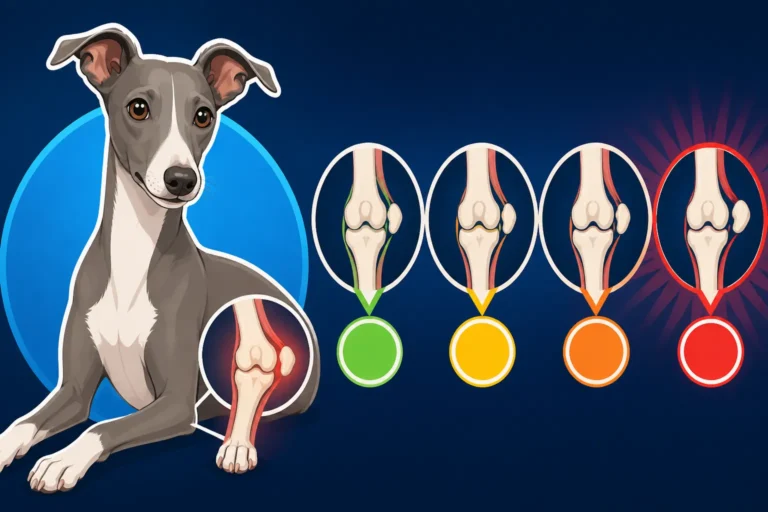
Patellar luxation, or a slipping kneecap, is a common orthopedic issue in many small breeds, including the Italian Greyhound. It occurs when the patella (kneecap) dislocates from its normal groove in the femur (thigh bone). This can range from a mild, occasional slip to a severe condition causing lameness and pain, potentially requiring costly surgery. While environmental factors can play a role, there's a strong genetic component to patellar luxation. Therefore, responsible breeders screen their dogs for this condition.
The screening involves a physical examination by a veterinarian, who will manually manipulate the kneecap to determine if it luxates and, if so, to what degree. The condition is graded from 0 (normal) to 4 (permanently luxated). The OFA maintains a registry for patellar evaluations, providing an objective assessment. Breeders should only breed dogs with normal patellas (Grade 0) or, in some cases, Grade 1 if the condition is not clinically significant and careful consideration of other factors is made. Breeding dogs with higher grades significantly increases the risk of passing on this debilitating condition to puppies. It's a testament to a breeder's commitment to structural soundness when they invest in these evaluations.
Screening for Legg-Calvé-Perthes Disease
Legg-Calvé-Perthes disease (LCPD) is another orthopedic concern, though thankfully less common than patellar luxation, that can affect Italian Greyhounds. This condition involves the spontaneous degeneration of the femoral head (the ball part of the hip joint) in young dogs, typically between 6 to 12 months of age. It disrupts the blood supply to the bone, leading to a breakdown of the bone tissue, causing pain, limping, and muscle atrophy. While the exact cause is unknown, a hereditary predisposition is strongly suspected in breeds like the Italian Greyhound.
Although there isn't a simple genetic test like for some other conditions, ethical breeders will take this into account when planning breedings. They will closely monitor their puppies and their lines for any signs of the disease. A physical examination by a vet and X-rays are typically used to diagnose LCPD. If a dog has been diagnosed with LCPD, it should absolutely not be used for breeding. While you might not see an "LCPD certificate" in the same way you do for eyes or patellas, a breeder should be knowledgeable about this condition and transparent about any history of it in their lines. It’s part of a broader commitment to sound orthopedic health, ensuring that puppies don't face conditions like Legg Calve Perthes Turns Up in an Italian Greyhound at Six Months.
Essential Endocrine and Autoimmune Diagnostics
Beyond structural soundness, Italian Greyhounds can also be prone to certain endocrine and autoimmune conditions. These are equally important for breeders to screen for, as they can significantly impact a dog's quality of life and longevity. Identifying these predispositions in breeding stock allows for responsible pairing and better management of the breed's health.
Thyroid Function Testing for Hypothyroidism
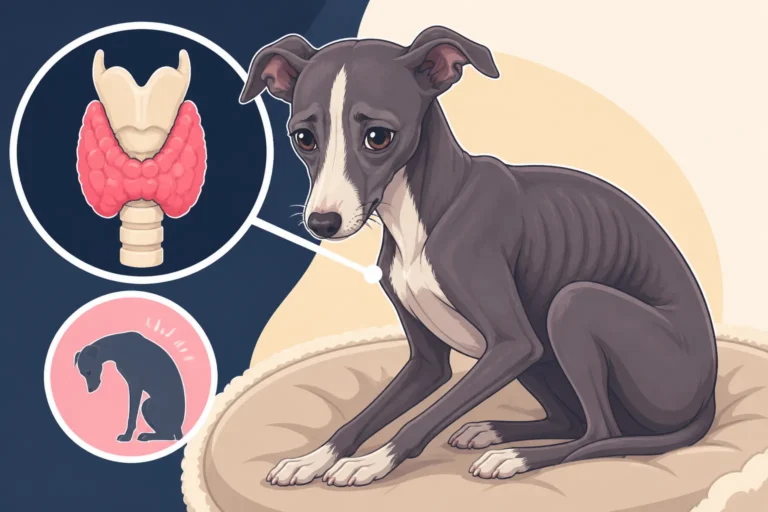
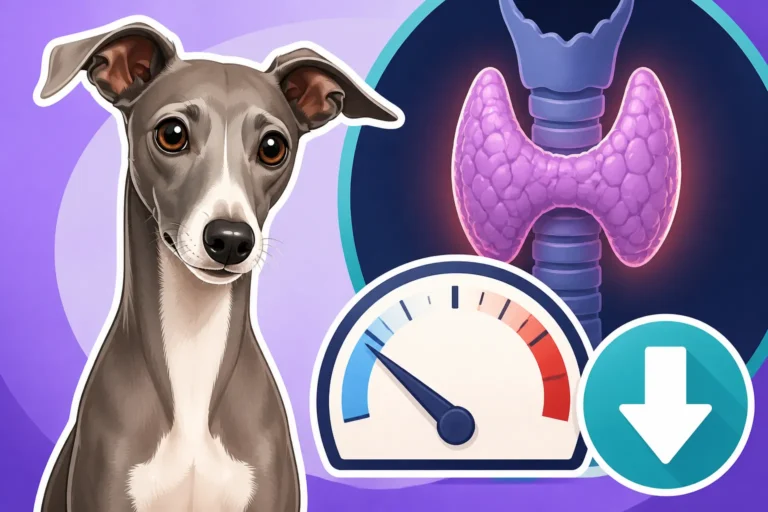
Hypothyroidism, an underactive thyroid gland, is a condition where the thyroid doesn't produce enough thyroid hormone, leading to a range of symptoms. While it's not as prevalent as some other issues, it can occur in Italian Greyhounds and has a suspected hereditary component. Symptoms can be vague and varied, including lethargy, weight gain, hair loss, a dull coat, cold intolerance, and even behavioral changes. Undiagnosed hypothyroidism can significantly impact a dog's health and quality of life, and if a breeding dog is affected, it can pass this predisposition to its offspring.
Responsible breeders will have their breeding dogs' thyroid function tested regularly. This typically involves a blood test to measure various thyroid hormones, such as T4, free T4, and TSH. The OFA offers a thyroid registry program where results can be recorded. Breeders should be transparent about their dogs' thyroid health and use only those with normal thyroid function in their breeding program. This screening helps prevent puppies from inheriting a condition that could lead to lifelong medication and health management, as detailed in discussions around Epilepsy and Thyroid Disease in an Italian Greyhound. It's a proactive step to ensure the overall vitality of their puppies.
Liver Shunt and Autoimmune Disease Considerations
While specific, universal pre-breeding tests for all autoimmune diseases are not always available or straightforward, a conscientious Italian Greyhound breeder will be acutely aware of any autoimmune conditions or liver shunts within their breeding lines. Autoimmune diseases, where the body's immune system attacks its own tissues, can manifest in various ways, from skin issues to more systemic problems. Similarly, portosystemic shunt (PSS), commonly known as a liver shunt, is a congenital condition where blood bypasses the liver, preventing proper detoxification of the blood. It can lead to a host of neurological and gastrointestinal symptoms and is often identified in puppies.
For liver shunts, while there isn't a simple genetic test for all forms, reputable breeders will pay close attention to the health of their puppies and their dam's history. Some breeders may even opt for bile acid tests on potential breeding dogs to rule out subclinical shunts. Regarding autoimmune diseases, a breeder will meticulously track the health history of their dogs and their extended family. If a particular autoimmune condition (e.g., specific skin conditions, certain types of anemia) appears repeatedly in a line, a responsible breeder will take this into account and avoid breeding individuals from affected lines. While challenging to screen comprehensively, awareness and careful pedigree analysis are crucial, reflecting a commitment to the overall health and resilience of the breed.
Harnessing DNA Technology for Breed Health
The advancements in canine genetic testing have been a game-changer for responsible breeders. DNA tests allow for the identification of carriers for certain genetic diseases, even if the dog itself shows no symptoms. This means breeders can make informed decisions to avoid producing affected puppies, moving beyond simply treating symptoms to actively eradicating diseases from their lines.
Genetic Testing for Progressive Retinal Atrophy (PRA)
Progressive Retinal Atrophy (PRA) is a group of inherited eye diseases that cause the degeneration of the retina, eventually leading to blindness. In Italian Greyhounds, a specific form of PRA, often referred to as PRA-PRCD, has been identified. This is a devastating condition for both the dog and its owner. Imagine your vibrant, active Italian Greyhound slowly losing its sight, navigating a world that becomes increasingly challenging. This is the reality for dogs affected by PRA.
Fortunately, a DNA test is available to identify Italian Greyhounds who are clear, carriers, or affected by PRA. This test is non-invasive, usually requiring just a cheek swab, and provides definitive results. A "clear" dog does not carry the gene and cannot pass it on. A "carrier" dog carries one copy of the gene but will not develop the disease itself; however, if bred with another carrier, it can produce affected puppies. An "affected" dog has two copies of the gene and will develop the disease. A responsible breeder will test all their breeding dogs for PRA and will never breed two carriers together. This ensures that no puppy produced will ever be affected by this form of PRA, protecting families from the heartbreak of Progressive Retinal Atrophy in an Italian Greyhound.
Understanding Color Dilution Alopecia (CDA) Status
Color Dilution Alopecia (CDA) is another genetic condition that Italian Greyhounds can be predisposed to, particularly those with dilute coat colors like blue or fawn. CDA is a hereditary follicular dysplasia that results in poor coat quality, thinning hair, and skin problems in affected areas, typically along the back. While not life-threatening, it can be uncomfortable for the dog and aesthetically concerning for owners. The skin can become dry, flaky, itchy, and prone to secondary bacterial infections. Learning about Color Dilution Alopecia in a Blue Italian Greyhound is often a distressing experience for owners.
Similar to PRA, a DNA test is available to identify dogs that carry the gene for CDA. This allows breeders to understand the genetic risk associated with certain coat colors in their lines. A responsible breeder will test their dilute-colored breeding dogs, especially blues and fawns, to avoid breeding two carriers. By understanding the CDA status of their dogs, they can make informed decisions to reduce the incidence of this condition in future generations, promoting healthier coats and happier skin for Italian Greyhounds. While a dog with CDA can still live a full life, preventing it through thoughtful breeding is a hallmark of a truly ethical program.
Epilepsy and Other Emerging Genetic Concerns
Epilepsy, a neurological disorder characterized by recurrent seizures, can affect Italian Greyhounds. While some cases are idiopathic (meaning no known cause), there is often a strong genetic component, especially when seizures begin at a young age. Experiencing an Italian Greyhound seizure can be terrifying for an owner, and managing epilepsy involves lifelong medication and careful monitoring. This emphasizes the importance of understanding the health history of a breeding dog's lineage.
Currently, there isn't a single, definitive DNA test for all forms of epilepsy in Italian Greyhounds, as the genetics can be complex and involve multiple genes or environmental triggers. However, a responsible breeder will meticulously track any instances of epilepsy in their lines, including siblings, parents, and grandparents. If a particular line shows a higher incidence of epilepsy, a conscientious breeder will carefully consider breeding decisions, perhaps avoiding repeat breedings or removing affected individuals from their program. Additionally, as genetic research continues to advance, new tests for other emerging genetic concerns may become available. A truly dedicated breeder stays informed about the latest research and considers any new, relevant genetic tests as they become validated and available to the breed.
Beyond the Tests: Holistic Breeder Practices
While specific health tests are fundamental, a truly excellent Italian Greyhound breeder goes beyond a checklist of certifications. They adopt a holistic approach to breeding, considering various factors that contribute to the overall health, temperament, and longevity of their dogs. This includes a keen eye for physical structure, a deep understanding of dental health, and thorough pedigree analysis.
Evaluating Conformation and Structural Soundness
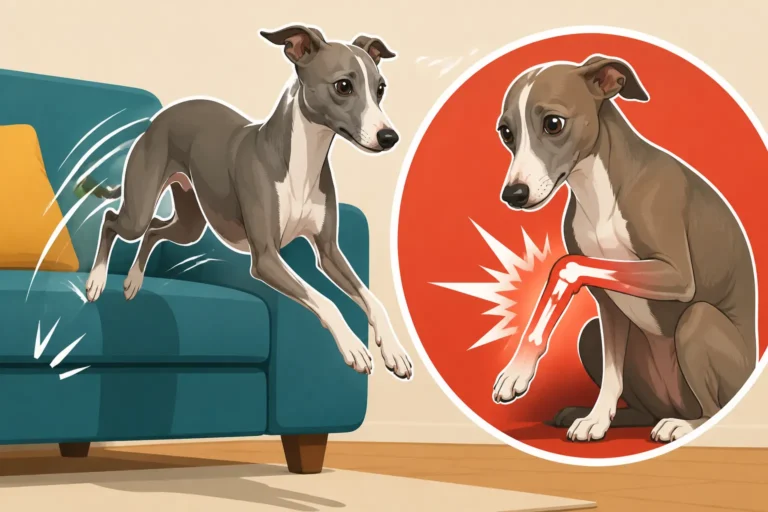
An Italian Greyhound's delicate, elegant build is one of its most defining characteristics, but it also makes them prone to certain injuries, particularly leg fractures. Many prospective owners are shocked to learn Why an Italian Greyhound's Leg Bones Break So Easily. While fractures are often due to accidents, underlying structural issues can increase susceptibility. A responsible breeder meticulously evaluates the conformation and structural soundness of their breeding dogs, looking for proper bone density, strong angulation, correct proportion, and overall balance. This isn't just about meeting show ring standards; it's about breeding a dog that is built to minimize risk and live a comfortable life.
They will assess features like the length and thickness of the radius and ulna, the angulation of the hock, and the strength of the pasterns. Dogs that appear overly fragile, have fine bone lacking substance, or exhibit poor muscle tone might be excluded from a breeding program, even if they pass other health tests. This hands-on, experienced evaluation of a dog's physical structure, combined with generations of understanding their lines, helps reduce the risk of structural weaknesses being passed on. It's an art as much as a science, requiring an experienced eye and deep knowledge of the breed's physical needs.
Prioritizing Dental Health in Breeding Lines
Dental disease is shockingly prevalent in Italian Greyhounds, often earning it the unfortunate title of Periodontal Disease Is the Italian Greyhound's Most Common Diagnosis. Their small mouths and crowded teeth, combined with a genetic predisposition, make them highly susceptible to tartar buildup, gum disease, and tooth loss, sometimes starting at a very young age. While daily brushing and professional dental cleanings are crucial for owners, a responsible breeder also considers dental health in their breeding decisions.
Breeders should be evaluating the bite and tooth placement of their breeding dogs. While not a formal OFA certification, observing the parents' dental health and their history of dental issues can provide valuable insight. Dogs with severely crowded teeth, malocclusions that lead to abnormal wear, or a history of significant dental problems requiring extensive extractions at an early age might indicate a genetic predisposition that a conscientious breeder would aim to avoid. They understand that while routine care helps, some dogs are just biologically set up for worse dental health. By selectively breeding dogs with healthier mouths, they strive to improve the dental longevity of the breed, aiming for puppies that stand a better chance of keeping their teeth for life.
Pedigree Analysis and Longevity Records
A comprehensive health program doesn't just stop with the individual dog; it extends to a thorough analysis of its entire pedigree. A responsible breeder is a meticulous record-keeper and a genealogist of their dogs' health. They delve deep into the family tree, looking not just at the immediate parents but also at grandparents, great-grandparents, and siblings. This extensive research provides a clearer picture of the health trends within a specific line.
They will track the incidence of various health issues – anything from autoimmune diseases to specific types of cancer, and importantly, longevity. Do dogs in the pedigree typically live to a ripe old age, or are there recurring patterns of early deaths or significant health problems? For example, if a line consistently produces Italian Greyhounds that suffer from debilitating joint issues or early-onset blindness despite clear individual testing, a responsible breeder will re-evaluate their breeding plans. They seek out lines known for their vitality and long, healthy lives. This dedication to understanding the full ancestral health picture is a hallmark of someone truly committed to improving the breed, rather than just reproducing it.
Empowering Prospective Owners: Your Questions to Ask
As a prospective Italian Greyhound owner, you are an essential part of the equation. You have the power to choose a responsible breeder and, in doing so, support ethical breeding practices that prioritize health. Don't be afraid to ask tough questions and expect transparent answers. A good breeder will welcome your inquiries and be eager to educate you.
Demanding Proof of Health Clearances
When you contact an Italian Greyhound breeder, one of your absolute first questions should be about health clearances. Do not accept vague assurances like "my vet says they're healthy" or "they come from healthy lines." You need to see proof, and a reputable breeder will be happy to provide it. Specifically, ask for copies of the following:
- OFA CAER Eye Certificates: Look for current certificates, ideally renewed annually.
- OFA Patella Certifications: Ensure the parents are graded 0 or 1.
- Thyroid Panel Results: Ask for recent thyroid test results, especially if registered with OFA.
- PRA-PRCD DNA Test Results: Look for "clear" results for both parents. If one parent is a carrier, the other must be clear.
- CDA DNA Test Results: Especially important for blue or fawn IGs. Again, avoid breeding two carriers.
A responsible breeder will not only show you these documents but also explain what they mean. They'll typically use the OFA website (www.ofa.org) to search for their dogs by name or registration number, showing you public, verifiable results. If a breeder hedges, becomes defensive, or cannot produce these documents, it's a significant red flag. Walking away from such a situation, no matter how cute the puppies, is the responsible choice. This due diligence can save you from immense future costs and heartbreak, helping you to budget for a healthy dog rather than a dog that might cost you repeated fracture bills (Whether an Italian Greyhound's Fracture Bill Repeats) due to poor breeding practices.
Discussing Health Guarantees and Support
Beyond showing proof of health clearances, a good Italian Greyhound breeder will stand behind the health of their puppies. This usually comes in the form of a written health guarantee or contract. These contracts vary, but they typically outline the breeder's commitment regarding genetic health issues. For example, a breeder might guarantee against debilitating genetic conditions for a certain period, often one or two years. This might mean offering a replacement puppy or a refund if a serious, verifiable genetic issue arises within that timeframe.
It's crucial to read this contract carefully and ask clarifying questions. What specific conditions are covered? What is the procedure if an issue arises? Does it require veterinary verification? What about support beyond the guarantee period? A truly dedicated breeder offers lifelong support, remaining a resource for you for the entire life of your Italian Greyhound. They want to hear about your dog, celebrate successes, and help you navigate challenges. This ongoing relationship is invaluable, far more than just a transaction. A breeder who offers a comprehensive health guarantee and a commitment to ongoing support is showing confidence in their breeding program and a deep care for the welfare of their puppies and their new families. They understand that Which Health Tests an Italian Greyhound Breeder Should Run are just the starting point for a lifetime of commitment.
Here's a quick summary of the key health tests and what they screen for:
| Test Name | What it Screens For | Target Age for Testing | OFA/Registry | Importance for IGs |
|---|---|---|---|---|
| OFA CAER Eye Exam | Inherited eye diseases like PRA, cataracts, glaucoma, vitreous degeneration | Annually | OFA CAER (Companion Animal Eye Registry) | Essential to prevent hereditary blindness and other ocular issues. |
| OFA Patellar Luxation | Dislocating kneecaps (luxating patellas) | 12 months+ | OFA (Orthopedic Foundation for Animals) | Prevents pain, lameness, and potential surgical correction. |
| Thyroid Panel | Hypothyroidism (underactive thyroid) | 12 months+ (often re-tested periodically) | OFA (Thyroid Registry) | Avoids lifelong medication, lethargy, skin/coat issues, and other systemic problems. |
| PRA-PRCD DNA Test | Carrier/affected status for a specific form of Progressive Retinal Atrophy | Any age (once is enough) | Various labs (e.g., Embark, Optimal Selection) | Directly prevents puppies from inheriting a form of blindness. |
| CDA DNA Test | Carrier/affected status for Color Dilution Alopecia (for dilute colors) | Any age (once is enough) | Various labs (e.g., Embark, Optimal Selection) | Reduces risk of poor coat, skin infections, and discomfort in blue/fawn IGs. |
| Legg-Calvé-Perthes Disease | Degeneration of the femoral head (diagnosed via X-ray/clinical signs) | 6-12 months | Clinical diagnosis, not a specific registry test | Prevents severe hip pain and lameness; breeders should track lineage. |
| Dental Evaluation | Bite issues, tooth crowding, early periodontal disease | Ongoing | Breeder observation/Vet exams | Reduces risk of severe, early-onset dental issues that are common in the breed. |
Disclaimer
This article is for general informational purposes only and does not constitute professional advice. Laws, prices and regulations vary by location and change over time. Consult a qualified professional for guidance on your specific situation.