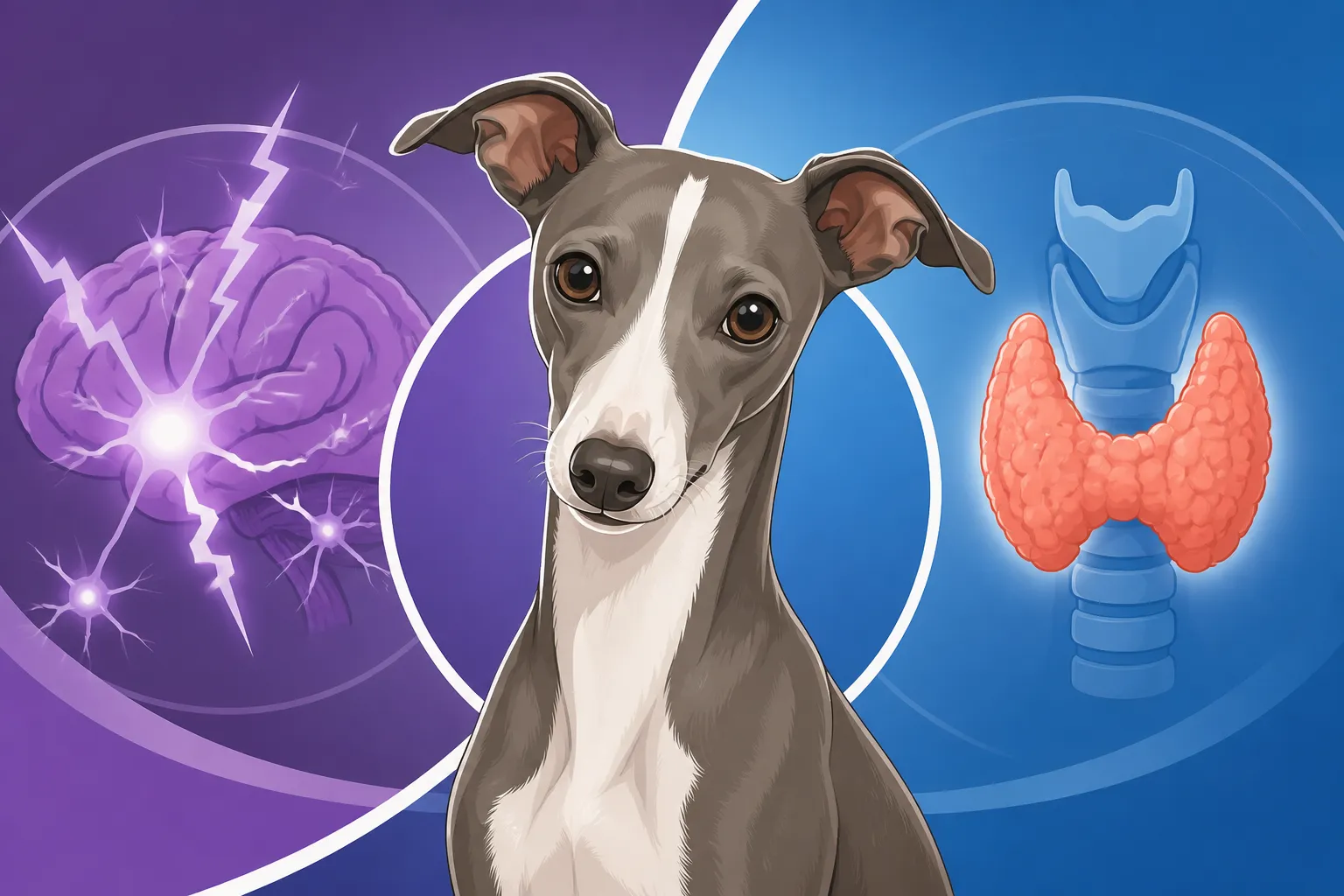
Epilepsy and Thyroid Disease in an Italian Greyhound
It’s a truly frightening experience to witness your beloved Italian Greyhound suddenly seize, or to slowly watch them change, losing their spark without understanding why. These moments can leave you feeling helpless and worried, wondering if you're doing enough or if there's something you missed. This comprehensive guide aims to demystify epilepsy and thyroid disease in Italian Greyhounds, offering insight into recognizing, diagnosing, and managing these common, yet often complex, health challenges so you can better advocate for your furry companion.
Understanding Epilepsy in Italian Greyhounds
Epilepsy, a neurological disorder characterized by recurrent seizures, can be particularly alarming for Italian Greyhound owners. While any dog breed can experience seizures, primary or idiopathic epilepsy is often diagnosed when no underlying cause can be identified. For our delicate Iggys, understanding the nuances of this condition is crucial, not just for their well-being but for your peace of mind. It’s a journey that requires patience, observation, and a close partnership with your veterinarian.
What Seizures Look Like in an Italian Greyhound
When we talk about seizures, many people immediately picture a dog convulsing uncontrollably, but the reality is that seizures in Italian Greyhounds can manifest in a variety of ways, some subtle and easily missed. A full-blown generalized seizure, often called a grand mal, is indeed dramatic. Your Iggy might fall to their side, paddle their legs frantically, drool excessively, vocalize, and lose bladder or bowel control. These episodes typically last from a few seconds to several minutes and are followed by a post-ictal phase where your dog may appear disoriented, tired, or even temporarily blind.
However, seizures aren't always so obvious. Focal seizures, sometimes referred to as partial seizures, affect only a limited part of the brain and can result in more localized symptoms. This might look like repetitive twitching of a single limb, snapping at imaginary flies, lip-smacking, or even just a vacant stare. Some Italian Greyhounds might experience what's known as "fly-biting syndrome," where they snap at nothing in the air, a behavior that can sometimes be mistaken for an allergy or anxiety. It's incredibly important to observe and note down everything you see during and after these events, as this detailed information is invaluable for your vet. To get a clearer picture of these events, you might find our guide on What an Italian Greyhound's Seizure Looks Like particularly helpful.
Diagnosing Epilepsy and Ruling Out Other Causes
Diagnosing epilepsy in an Italian Greyhound is a process of elimination. Before settling on a diagnosis of primary epilepsy, your vet will need to rule out other potential causes for seizure activity. This involves a thorough physical examination, extensive blood work to check organ function (like liver and kidney, which can impact brain health) and electrolyte balances, and urinalysis. They'll be looking for metabolic issues, toxins, infections, or other systemic diseases that could be triggering seizures.
Beyond initial blood tests, your veterinarian might recommend more advanced diagnostics. This could include a spinal tap to analyze cerebrospinal fluid for inflammation or infection, and potentially an MRI or CT scan of the brain to check for structural abnormalities like tumors, cysts, or inflammation. These advanced tests are crucial, especially if the seizures start suddenly in an older dog, are unusually severe, or don't respond to initial medication. It’s a significant investment, but it provides the clearest picture of what's happening internally, guiding the most effective treatment plan.
Managing Epilepsy with Medication and Lifestyle
Once a diagnosis of epilepsy is confirmed, management typically involves a combination of medication and careful lifestyle adjustments. The goal of medication is not to cure epilepsy but to reduce the frequency, duration, and severity of seizures. Common anticonvulsant medications include phenobarbital, potassium bromide, zonisamide, and levetiracetam, often used alone or in combination. Your vet will start with a specific dosage and then likely adjust it based on your Iggy's response and regular blood tests to ensure therapeutic levels are maintained and to monitor for potential side effects on organs like the liver. It's important to never adjust medication dosages yourself without veterinary guidance. More detailed information about treatment can be found in our article on Daily Medication for an Epileptic Italian Greyhound.
Beyond medication, lifestyle plays a significant role. Consistency in routine, meal times, and exercise can help reduce stress, which some owners report can be a seizure trigger. Providing a safe, padded space for your Iggy during a seizure can prevent injury. Keeping a detailed log of seizure activity—date, time, duration, description, and any potential triggers—will be your best tool for tracking progress and communicating with your vet. Remember, managing epilepsy is a marathon, not a sprint, and requires unwavering dedication. Regular wellness exams are critical to monitor both the disease and the side effects of medication.
Delving into Thyroid Disease in Italian Greyhounds
Thyroid disease, particularly hypothyroidism (an underactive thyroid), is another condition Italian Greyhound owners should be aware of. While perhaps not as dramatic as a seizure, the insidious onset and generalized symptoms of thyroid disease can be frustratingly subtle, often mimicking other issues or simply being attributed to "getting old." Recognizing these changes early can make a profound difference in your Iggy's quality of life.
Recognizing the Subtle Signs of Hypothyroidism
Hypothyroidism in Italian Greyhounds often presents with a range of non-specific symptoms, making it challenging to pinpoint without proper diagnostic testing. One of the most common signs is a change in coat quality: dry, brittle hair, excessive shedding, or even hair loss, particularly on the flanks or tail (sometimes called a "rat tail"). Many owners notice their Italian Greyhound becoming more prone to feeling the cold, shivering indoors even when you feel comfortable, or seeking out warm spots more frequently. This can be particularly pronounced in a breed already sensitive to temperature changes, as discussed in Why an Italian Greyhound Gets Cold on the Table.
Beyond coat and temperature sensitivity, affected Iggys might experience lethargy, a general slowing down, and decreased activity levels. They might seem less interested in play or walks, preferring to sleep more. Weight gain, despite no change in diet, is another classic symptom, as is a dull mental demeanor, sometimes described as a "sad" or "tired" expression. Skin issues, such as recurrent infections, dryness, or thickening, can also arise. Owners might initially dismiss these as minor complaints or signs of aging, but collectively, they paint a picture that warrants investigation. Our article on Signs an Italian Greyhound Has an Underactive Thyroid goes into even more detail on what to look for.
How Thyroid Levels Are Tested and Interpreted
Diagnosing hypothyroidism requires specific blood tests that measure the levels of thyroid hormones. The primary tests include total T4 (thyroxine) and canine TSH (thyroid-stimulating hormone). A low T4 combined with a high TSH is a strong indicator of hypothyroidism. However, interpretation can be tricky in Italian Greyhounds and sighthounds in general. Their baseline thyroid levels can naturally run lower than other breeds, which means a "normal" range for a Golden Retriever might actually be too low for an Iggy, but still not indicate disease. This phenomenon is often explored in Why an Italian Greyhound's Thyroid Reading Reads Low.
Your vet might also recommend a free T4 by equilibrium dialysis (fT4 ED) test, which is considered a more accurate measure of the biologically active thyroid hormone and is less affected by non-thyroidal illnesses or certain medications. Sometimes, a full thyroid panel, which includes T3, free T3, and autoantibodies to T3 and T4, might be necessary to get a complete picture. It’s essential to work with a vet experienced with sighthounds, as they’ll be better equipped to interpret these results accurately for your Italian Greyhound’s specific physiology, preventing misdiagnosis or unnecessary treatment.
Lifelong Management of Hypothyroidism
Once hypothyroidism is diagnosed, treatment is straightforward and highly effective: daily thyroid hormone replacement medication, typically levothyroxine. This medication is given orally, usually once or twice a day, for the remainder of your Italian Greyhound's life. The improvement in symptoms can be dramatic and rewarding, with owners often reporting a "new dog" within a few weeks or months. Their energy levels return, their coat quality improves, and their mental dullness often lifts.
Regular monitoring is a critical part of lifelong management. Your vet will typically schedule follow-up blood tests a few weeks after starting medication and after any dosage adjustments to ensure the thyroid hormone levels are within the optimal therapeutic range. Once stable, these tests might be performed once or twice a year. It's a commitment, but one that significantly enhances your Italian Greyhound's health and vitality. Companies like Healthy Paws can be a valuable resource for budgeting and managing these ongoing medication costs, offering reimbursement for eligible expenses related to chronic conditions.
The Interplay Between Epilepsy and Thyroid Health
While epilepsy and thyroid disease are distinct conditions affecting different systems of the body, there can be fascinating and sometimes complex interactions between the two. Understanding these potential connections is vital for a holistic approach to your Italian Greyhound's health, ensuring that treatment for one condition doesn't inadvertently complicate the other, or that an undiagnosed issue isn't contributing to another.
Can Thyroid Imbalance Trigger Seizures?
It's a question many owners ponder: could something as seemingly unrelated as a thyroid issue actually contribute to seizure activity? The answer, surprisingly, is yes. Severe, untreated hypothyroidism can, in some rare cases, manifest as neurological symptoms, including seizures. While not a common primary cause of seizures in dogs, metabolic disturbances caused by severe thyroid hormone deficiency can affect brain function. For instance, severe hypothyroidism can lead to a condition called myxedema coma, which can include seizures as a symptom, though this is rare in dogs.
More commonly, however, the link might be indirect. An Italian Greyhound struggling with the generalized ill health, weakness, or metabolic imbalances caused by low thyroid function might simply be less resilient to other seizure triggers. Or, a seizure-like event could actually be a syncopal episode (fainting) due to an underlying cardiac issue sometimes associated with severe hypothyroidism, rather than a true neurological seizure. This underscores the importance of a thorough diagnostic workup, ensuring that all potential contributing factors are investigated before a definitive diagnosis of idiopathic epilepsy is made.
The Impact of Seizure Medication on Thyroid Function
The relationship can also flow in the opposite direction: certain medications used to manage epilepsy can have an impact on thyroid hormone levels. Phenobarbital, one of the most commonly prescribed anticonvulsants, is known to influence thyroid function in dogs. It can increase the metabolism of thyroid hormones, leading to a decrease in circulating T4 levels, even in dogs with otherwise healthy thyroid glands. This is known as drug-induced hypothyroidism or non-thyroidal illness.
When an Italian Greyhound is on phenobarbital, their T4 levels might appear low, even if their thyroid gland is functioning perfectly well. This is where the TSH test becomes crucial; if TSH levels remain normal or only slightly elevated despite low T4, it suggests the low T4 is drug-induced rather than true hypothyroidism. This distinction is vital because treating drug-induced low T4 with thyroid medication when the gland is healthy can lead to hyperthyroidism, which has its own set of serious health consequences. Therefore, close monitoring of thyroid levels is essential for Italian Greyhounds on phenobarbital, often including both T4 and TSH measurements, to avoid misdiagnosis and inappropriate treatment. This is another area where specialized knowledge from a sighthound-savvy vet, as discussed in What an Italian Greyhound Breeder Should Have Tested, truly makes a difference.
Genetic Predisposition and Responsible Breeding
Understanding the genetic underpinnings of epilepsy and thyroid disease is incredibly important, not only for current Italian Greyhound owners but also for the future health of the breed. Responsible breeding practices play a crucial role in minimizing the incidence of these complex conditions.
Identifying High-Risk Lines
Both epilepsy and hypothyroidism are believed to have a genetic component in Italian Greyhounds, meaning they can be passed down from parents to offspring. While the exact mode of inheritance is often complex and polygenic (involving multiple genes), certain family lines or pedigrees may have a higher incidence of these diseases. Breeders who are transparent about the health histories of their breeding stock, including any cases of seizures or thyroid issues in their dogs or their relatives, are invaluable. For Italian Greyhounds, the onset of epilepsy can vary, but it often surfaces between six months and five years of age, as highlighted in The Age Epilepsy Starts in an Italian Greyhound.
For owners, knowing if their Italian Greyhound comes from a line with a history of these conditions isn't about blame, but about informed proactive care. If your Iggy has relatives with epilepsy or hypothyroidism, you'll want to be extra vigilant about observing any subtle signs and discuss these concerns with your vet, perhaps even initiating screening tests earlier than usual. This kind of awareness helps you stay ahead of potential health issues, allowing for earlier diagnosis and intervention.
The Role of Health Screening in Breeders
Reputable Italian Greyhound breeders are committed to improving the health of the breed and actively engage in health screening to reduce the incidence of inherited diseases. While there isn't a single genetic test for idiopathic epilepsy or hypothyroidism that can definitively predict if an individual dog will develop the condition, breeders can make informed decisions by selecting breeding dogs with clear health histories and from lines with low incidences of these conditions. They also typically perform annual or biennial thyroid screenings on their breeding animals and monitor for any signs of seizure activity.
Furthermore, responsible breeders should be open about their health testing protocols and offer comprehensive health guarantees. They may also participate in voluntary health registries or databases, like those maintained by the Orthopedic Foundation for Animals (OFA), to publicly document health clearances. While these conditions can still appear even in well-bred lines, choosing a puppy from a breeder who prioritizes health testing and transparency significantly improves your chances of bringing home a healthier Italian Greyhound. This diligent approach is part of why Whether the Italian Greyhound Is a Healthy Breed remains a pertinent question for prospective owners.
Living with an Italian Greyhound with Chronic Conditions
Having an Italian Greyhound diagnosed with a chronic condition like epilepsy or hypothyroidism can feel overwhelming at first. However, with the right approach and support, your Iggy can continue to lead a full and happy life. It's about adapting, learning, and strengthening the bond you share.
Creating a Supportive Home Environment
For an Italian Greyhound with epilepsy, creating a seizure-safe home environment is paramount. This doesn't mean child-proofing your entire house, but rather being mindful of potential hazards. During a seizure, a dog can injure themselves by falling down stairs, hitting sharp furniture edges, or getting tangled in cords. Consider placing soft rugs in high-traffic areas, adding padding to sharp table corners, and ensuring stairs are safely gated if your Iggy has access to them unsupervised. Minimizing stressors in their daily routine can also be beneficial, as sudden changes or loud noises can sometimes be triggers.
For Iggys with hypothyroidism, managing their increased sensitivity to cold is a key aspect of their comfort. Provide plenty of warm, soft bedding, and consider indoor sweaters or pajamas, especially during colder months or if your home is air-conditioned. When an Italian Greyhound Needs a Sweater Indoors offers great advice on this. Ensuring easy access to comfortable, draft-free sleeping spots will contribute significantly to their overall well-being. Both conditions benefit from a calm, predictable home environment, emphasizing gentle routines and minimizing unnecessary excitement or stress.
The Importance of a Sighthound-Experienced Vet
Perhaps one of the most critical elements in managing chronic health conditions in an Italian Greyhound is having a veterinarian who truly understands the unique physiology of sighthounds. Italian Greyhounds, like other sighthounds, have distinct metabolic differences compared to other breeds, particularly concerning drug metabolism and anesthesia. This difference in metabolism can affect how they process anti-epileptic medications and how their thyroid levels are interpreted. The article Why an Italian Greyhound's Vet Should Know Sighthounds elaborates on this specific need.
A sighthound-experienced vet will be better equipped to:
- Accurately interpret thyroid panel results, understanding their naturally lower baseline levels.
- Select appropriate anti-epileptic medications and adjust dosages carefully, considering their unique drug metabolism.
- Monitor for side effects with a keen eye for sighthound-specific sensitivities.
- Advise on anesthetic protocols that are safer for breeds with lower body fat and different metabolic rates, should any procedures be necessary.
This specialized knowledge can mean the difference between effective, safe management and a series of frustrating, or even dangerous, missteps. Don't hesitate to seek out a vet with sighthound expertise; it’s an investment in your Italian Greyhound's long-term health. When faced with ongoing vet bills for chronic conditions, enrolling in pet insurance like Healthy Paws can provide much-needed financial support, covering eligible costs for recurring medications and specialist consultations.
Emergency Preparedness and Long-Term Outlook
Dealing with chronic conditions means being prepared for the unexpected and understanding what the future might hold. While no one wants to imagine their Italian Greyhound in distress, having a plan in place can alleviate stress and ensure prompt, effective action when it matters most.
What to Do During an Italian Greyhound Seizure
Witnessing your Italian Greyhound have a seizure is distressing, but knowing how to react can make a significant difference. First and foremost, stay calm. Panicking won't help your Iggy. Move any furniture or objects away from them to prevent injury, but do not try to restrain them or put anything in their mouth, as they could accidentally bite you. Time the seizure if you can; this information is crucial for your vet. As soon as the seizure ends, gently comfort your dog and keep them warm and quiet. They will likely be disoriented during the post-ictal phase, so keep them away from stairs or busy areas.
If a seizure lasts longer than five minutes, or if your Italian Greyhound has multiple seizures in a short period (cluster seizures) without fully recovering consciousness in between, it is considered a medical emergency. You should contact your emergency veterinary clinic immediately. Your vet may prescribe emergency rectal or intranasal medications, such as diazepam or midazolam, to administer at home if a seizure is prolonged, to stop the seizure before you can get to the clinic. This kind of preparation can be a lifesaver.
Understanding the Prognosis for Both Conditions
The good news is that both epilepsy and hypothyroidism, while chronic, often carry a good prognosis with diligent management. For Italian Greyhounds with primary epilepsy, the goal is often to achieve good seizure control, meaning significantly reducing the frequency and severity of seizures, if not eliminating them entirely. Many epileptic Iggys live long, happy lives with appropriate medication and care. The prognosis is generally less favorable if seizures are frequent, severe, or difficult to control, or if they are caused by an underlying, untreatable condition like a brain tumor.
For hypothyroidism, the prognosis is excellent with proper treatment. Once stable on levothyroxine, most Italian Greyhounds lead completely normal lives. The medication effectively replaces the missing hormone, resolving symptoms and preventing complications. The key for both conditions is consistent medication adherence, regular veterinary check-ups, and proactive monitoring of symptoms and side effects. Early diagnosis and intervention also significantly improve the long-term outlook for both diseases, emphasizing the importance of recognizing the signs early, which can sometimes be subtle, as described in How an Italian Greyhound Hides Pain.
Supporting Your Italian Greyhound's Overall Well-being
Beyond direct medical management, fostering your Italian Greyhound's general health and happiness is paramount. A holistic approach that integrates good nutrition, mental stimulation, and emotional security can significantly enhance their quality of life, especially when dealing with chronic conditions.
Nutritional Considerations for Health
While there isn't a specific "epilepsy diet" or "thyroid diet" per se, feeding your Italian Greyhound a high-quality, balanced diet is fundamental to supporting their overall health. Opt for a premium commercial dog food that lists real meat as the first ingredient and avoids excessive fillers or artificial additives. Some owners explore diets that are lower in carbohydrates and higher in healthy fats, particularly omega-3 fatty acids, which are known for their anti-inflammatory properties and support of neurological health. However, any significant dietary changes should always be discussed with your veterinarian to ensure nutritional adequacy and avoid potential interactions with medications.
Ensuring consistent meal times can also contribute to a stable routine, which is beneficial for epileptic dogs. For Italian Greyhounds on thyroid medication, it's generally recommended to administer the levothyroxine at least an hour before or two hours after a meal to optimize absorption. Some supplements, like certain vitamins or antioxidants, might be recommended by your vet to support brain health or reduce oxidative stress, but always introduce new supplements under veterinary guidance.
The Role of Routine and Mental Stimulation
A predictable daily routine can be incredibly comforting for Italian Greyhounds, especially those prone to seizures or anxiety. Consistent feeding times, potty breaks, and exercise schedules can help minimize stress and create a sense of security. While Iggys love their zoomies, they also thrive on calm, quiet companionship. Adequate mental stimulation is also vital; this could include puzzle toys, short training sessions, or gentle enrichment activities that engage their intelligent minds without over-exciting them.
For dogs with epilepsy, managing stress is often cited by owners as a way to potentially reduce seizure frequency. A calm home environment, consistent positive reinforcement, and avoiding situations that cause extreme anxiety can be beneficial. Regular, moderate exercise, like daily walks, is important for physical health, but avoid over-exertion, especially in extreme weather, as mentioned in An Italian Greyhound in Summer and in Snow. Your Italian Greyhound needs to feel secure and loved, and providing a stable, enriching environment is one of the best ways to support their long-term well-being, complementing their medical treatments.
Disclaimer
The information provided in this guide is intended for educational purposes only and should not be considered a substitute for professional veterinary advice, diagnosis, or treatment. Always consult with your veterinarian regarding any medical conditions or health concerns your Italian Greyhound may have.