The Age Epilepsy Starts in an Italian Greyhound
One of the most heart-stopping moments an Italian Greyhound owner can experience is witnessing their beloved companion suffer a seizure. The sudden loss of control, the shaking, the vacant stare – it's a truly terrifying event that leaves you feeling helpless and desperate for answers. Understanding when epilepsy typically starts in Italian Greyhounds can provide crucial insights, helping you recognize potential signs early and prepare for the long-term care these special dogs sometimes need.
Understanding Epilepsy in Italian Greyhounds
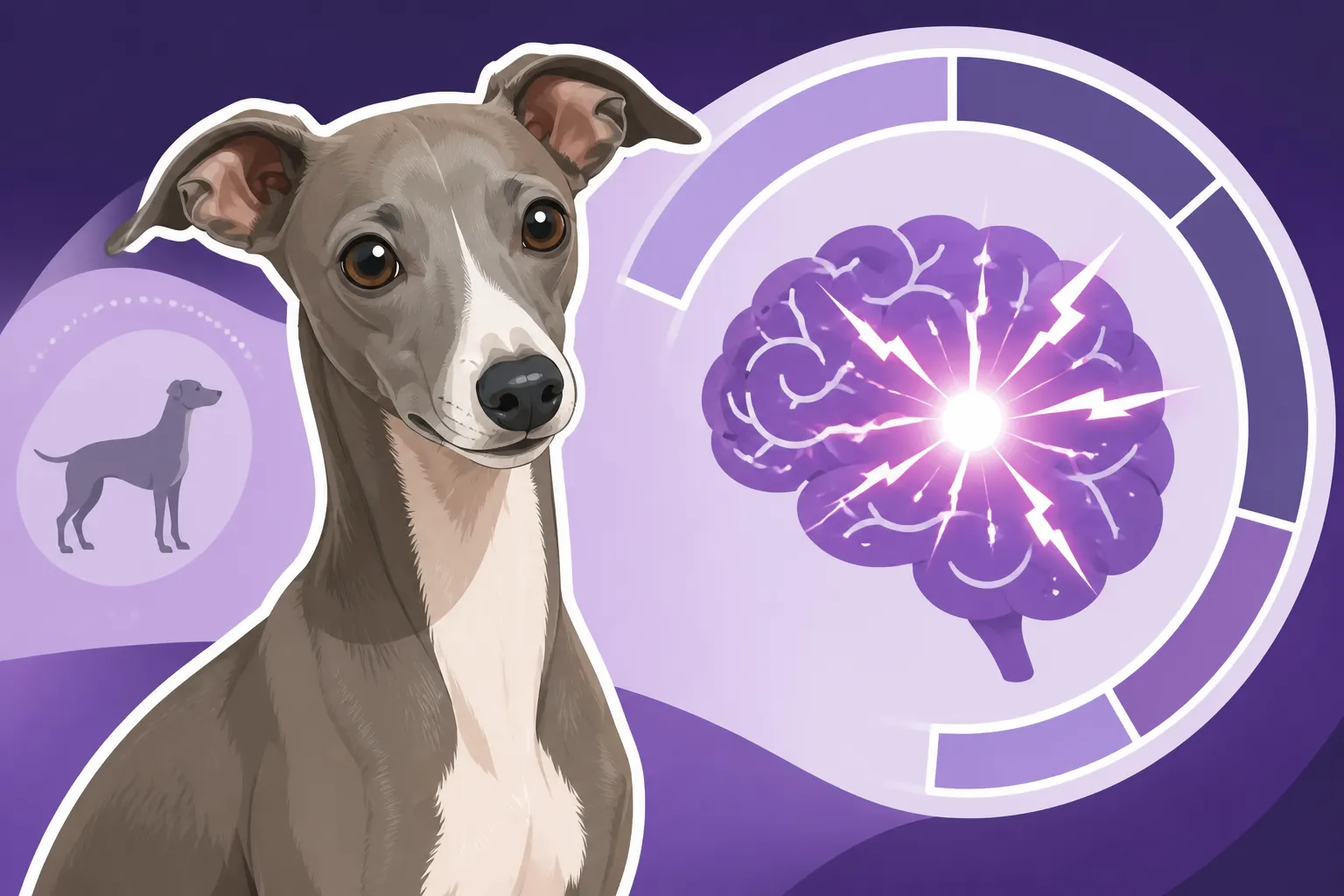
Epilepsy in dogs, just like in humans, is a neurological condition characterized by recurrent, unprovoked seizures. It's not a single disease but rather a symptom of abnormal electrical activity in the brain. For Italian Greyhounds, a breed known for its delicate nature and unique physiology, epilepsy can be particularly concerning, often leaving owners with a knot in their stomach wondering if they missed something or if their dog will ever truly be "normal" again. The good news is that while terrifying, epilepsy is often manageable, and many Iggys live full, happy lives with proper care.
The journey to understanding canine epilepsy begins with distinguishing between its primary forms. It's a bit like trying to figure out if your car's check engine light is on because of a loose gas cap or a major engine malfunction – the initial symptom is the same, but the cause and treatment are vastly different. Knowing the difference between primary and secondary epilepsy is the first, crucial step toward effective management for your Italian Greyhound.
Primary (Idiopathic) Epilepsy Versus Secondary Epilepsy
When we talk about primary, or idiopathic, epilepsy, we're referring to a condition where there's no identifiable underlying cause for the seizures. It's essentially a diagnosis of exclusion; once all other potential reasons for seizure activity have been ruled out, vets often conclude it's idiopathic. This form is widely believed to be genetic, meaning it's inherited, though the exact genes involved can be complex and are still being researched in many breeds. For an Italian Greyhound owner, an idiopathic epilepsy diagnosis can be frustrating because there isn't a "fix" for the root cause, only management of the symptoms. You're left treating the seizures themselves, rather than an underlying disease.
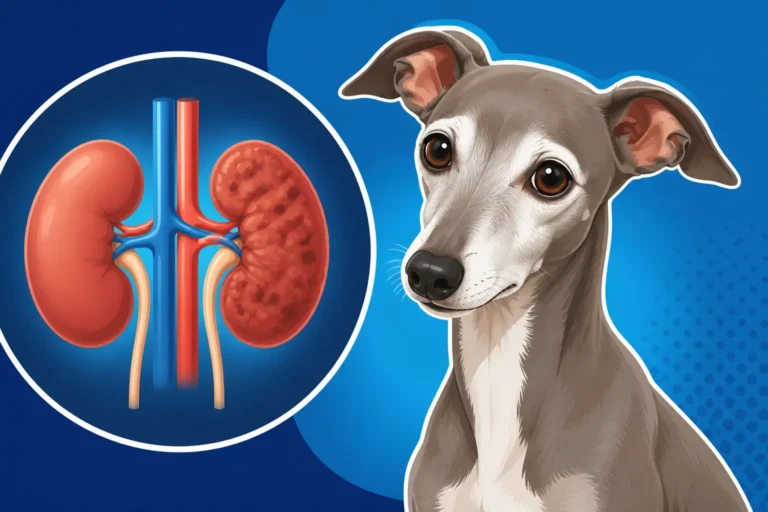
Secondary epilepsy, on the other hand, means the seizures are a symptom of another medical problem. This could be anything from a brain tumor, a stroke, trauma to the head, liver disease, kidney failure, or even exposure to certain toxins. Sometimes, metabolic imbalances like low blood sugar (hypoglycemia) can also trigger seizures. The key difference here is that if you can identify and treat the underlying cause, you might be able to stop or significantly reduce the seizure activity. This is why a thorough diagnostic workup is so incredibly important when your Italian Greyhound first experiences a seizure. It’s about leaving no stone unturned to find out why this is happening.
The Genetic Link in Italian Greyhounds
Italian Greyhounds, unfortunately, do have a known predisposition to certain health conditions, and epilepsy is one of them. While not as universally prevalent as, say, dental disease (which almost every Iggy eventually faces, as detailed in our guide on Periodontal Disease Is the Italian Greyhound's Most Common Diagnosis), the genetic component of idiopathic epilepsy means that certain lines or families within the breed are more likely to produce affected individuals. This genetic vulnerability is a serious concern for responsible breeders.
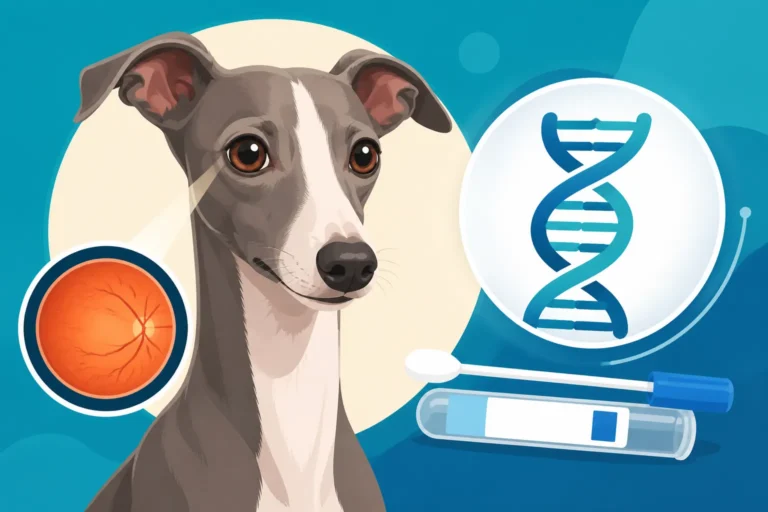
A reputable breeder will often conduct extensive health testing on their breeding stock to try and reduce the incidence of hereditary conditions. While there isn't a single, definitive DNA test for all forms of epilepsy in Italian Greyhounds yet, breeders can still make informed decisions by being transparent about the health history of their dogs and their lines. They should be able to discuss whether there's a history of seizures in their dogs or their ancestors. Understanding the full scope of potential health issues, including when to ask a breeder about specific screenings, is covered in our detailed article, What an Italian Greyhound Breeder Should Have Tested. It's a crucial discussion to have before bringing a puppy home, as it can significantly impact the long-term health and financial commitment you'll face.
When Does Epilepsy Typically Begin in Italian Greyhounds?
This is often the first, most urgent question on an owner's mind when faced with an Italian Greyhound's seizure: why now? The age of onset can provide clues to the underlying cause and help your veterinarian narrow down diagnostic possibilities. While every dog is an individual, there are general patterns that veterinarians observe across breeds, and Italian Greyhounds often fall within these common ranges. It's like tracking milestones – while some puppies walk early and some late, there's a typical window, and deviations from that window might warrant a closer look.
The suddenness of a first seizure can be jarring, particularly if your Iggy has seemed perfectly healthy up until that point. You might start second-guessing every little behavior, wondering if there were subtle signs you missed. The truth is, often there aren't obvious precursors to the first seizure, especially with idiopathic epilepsy, which adds to the shock and worry for owners.
The Common Age Range for Onset
For most breeds, including Italian Greyhounds, primary (idiopathic) epilepsy typically manifests in young adulthood. The most common age range for the first seizure to occur is generally between six months and six years of age. Within this window, you'll find a majority of cases where there's no other identifiable cause. It's a period of significant growth and development, both physically and neurologically, and for reasons not yet fully understood, this is when the brain's electrical misfires tend to begin.
Imagine your Italian Greyhound, perhaps a year or two old, full of life, zipping around the house with those characteristic "zoomies." One moment they're perfectly fine, and the next, they're experiencing something utterly terrifying. This age range is considered typical because the brain has matured enough for the genetic predisposition to assert itself, but before age-related degenerative conditions typically begin to complicate things. If your Italian Greyhound has its first seizure within this timeframe and all other medical tests come back normal, idiopathic epilepsy is often the most likely diagnosis.
Early Versus Late Onset Seizures
While the 6-month to 6-year window is most common, seizures can, of course, occur outside this range, and the timing of onset can be quite informative for diagnosis.
If your Italian Greyhound experiences its first seizure very early, say, before six months of age, it tends to raise a red flag for veterinarians. Seizures in very young puppies might indicate a more severe form of idiopathic epilepsy, or, more concerningly, a congenital brain defect, an infection, or even exposure to a toxin. Puppy brains are still developing rapidly, and any disruption can have profound effects. When a tiny Italian Greyhound puppy has a seizure, the diagnostic urgency often increases because the potential causes can be more immediately life-threatening. Early onset can be particularly distressing as it often means a longer, more complex diagnostic journey and potentially a more challenging management plan right from the start of your shared life.
Conversely, if an Italian Greyhound has its first seizure later in life, typically after six years of age, it also prompts a different line of investigation. While idiopathic epilepsy can, rarely, have a late onset, a senior Italian Greyhound experiencing new seizure activity often leads veterinarians to suspect secondary causes. This is because older dogs are more prone to conditions like brain tumors, kidney disease, liver disease, or strokes, all of which can trigger seizures. For a beloved older Iggy, the vet will likely recommend a comprehensive workup, including advanced diagnostics like an MRI, to rule out treatable conditions. Dealing with a new seizure disorder in a senior Italian Greyhound can be particularly challenging, as they might already have other age-related health issues, as we discuss in Caring for an Italian Greyhound Past Eleven.
Here's a quick comparison of the typical onset scenarios:
| Characteristic | Early Onset (<6 months) | Common Onset (6 months – 6 years) | Late Onset (>6 years) |
|---|---|---|---|
| Likely Causes | Congenital defect, severe idiopathic, infection, toxin | Idiopathic (Primary) Epilepsy | Brain tumor, organ disease, stroke, severe idiopathic |
| Diagnostic Focus | Thorough investigation for underlying, potentially treatable cause | Rule out secondary, confirm idiopathic | Rule out underlying causes (especially tumors, organ failure) |
| Prognosis for Cause | Varies, potentially more severe or treatable | Often manageable with medication, but lifelong | Depends heavily on underlying cause; can be more guarded |
| Owner Worry Level | Very High | High (but relief if idiopathic and manageable) | High (concern for serious underlying disease) |
Recognizing and Managing the First Seizure
The moment an Italian Greyhound has its first seizure can be incredibly frightening. It’s not just a physical event; it’s an emotional one for the owner, often marked by panic and confusion. You might have no idea what’s happening, or what to do. The key is to try and remain as calm as possible, for your Iggy's sake, and to observe what's happening so you can provide crucial information to your vet. Don't worry if you miss details – the most important thing is your dog's safety and your ability to seek veterinary care quickly.
Understanding what a seizure looks like in an Italian Greyhound is critical. These aren't always dramatic, full-body convulsions you see in movies. They can be subtle, and in a breed as prone to shivering from cold or nervousness as an Iggy, it can sometimes be hard to differentiate.
What an Italian Greyhound's Seizure Looks Like
When most people think of a seizure, they picture a "grand mal" or generalized seizure. This is characterized by the dog losing consciousness, falling to its side, and exhibiting rhythmic jerking or paddling motions with all four limbs. They might also drool excessively, vocalize (whine or cry), urinate, or defecate involuntarily. Their eyes might roll back or appear wide and staring. These seizures typically last from a few seconds to a few minutes. While incredibly distressing to watch, it’s important to remember your Italian Greyhound is not experiencing pain during the seizure itself, though they may be disoriented and confused afterward. For a deeper dive into the visual signs, our guide What an Italian Greyhound's Seizure Looks Like offers detailed descriptions.
However, not all seizures present this way. Italian Greyhounds can also experience focal (or partial) seizures, which are often more subtle and can be harder to recognize. These involve abnormal electrical activity in only a localized part of the brain, leading to symptoms like twitching in one limb or one side of the face, "fly-biting" (snapping at imaginary flies), jaw chomping, or unusual repetitive behaviors like pacing or staring blankly. Your Iggy might appear confused or dazed but remain somewhat conscious. These can sometimes be mistaken for behavioral quirks or even pain, which reminds us that sometimes an Iggy will try to How an Italian Greyhound Hides Pain. The challenge with focal seizures is their varied presentation, making accurate description to your vet even more crucial.
Regardless of the type, seizures typically have three phases:
- Pre-ictal phase (aura): This is the period before the seizure, and not all dogs show signs. Your Iggy might become restless, clingy, anxious, seek attention, or seem disoriented. It could last minutes or hours.
- Ictal phase: This is the actual seizure itself, as described above. Time this phase.
- Post-ictal phase: This is the period after the seizure, and it can be highly variable. Your Italian Greyhound might be disoriented, confused, restless, tired, temporarily blind, or have an increased appetite or thirst. This phase can last from minutes to days.
Immediate Steps During and After a Seizure
Witnessing a seizure is terrifying, but knowing what to do can make a difference. The primary goal during the ictal phase is to keep your Italian Greyhound safe and prevent injury.
First, do not try to restrain your dog or put anything in their mouth. Despite the common misconception, dogs do not swallow their tongues during seizures. Attempting to pry open their mouth can lead to you being bitten accidentally, and it won't help your dog. Instead, gently move any furniture or sharp objects away from your Iggy to create a safe space. If they are on a high surface like a bed or couch, gently lower them to the floor if possible, to prevent falls. Keep your hands away from their mouth and head.
Second, time the seizure. This is vital information for your vet. Use your phone or a watch to note how long the active convulsing lasts. Also, try to note any specific behaviors, like which limbs are paddling or if they vocalize.
Once the seizure activity stops and your Italian Greyhound enters the post-ictal phase, they will likely be disoriented and confused. Speak to them calmly and reassuringly. Offer them comfort but be mindful that some dogs can be momentarily aggressive or unaware of their surroundings. Allow them to recover in a quiet, safe space. Clean up any urine or feces, and make sure they have access to fresh water, as some dogs are very thirsty after a seizure.
Seek veterinary attention immediately if:
- The seizure lasts longer than 5 minutes.
- Your Italian Greyhound has multiple seizures in a short period (cluster seizures).
- They don't recover fully between seizures.
- This is their very first seizure.
Even if it's a short, isolated seizure, it's crucial to contact your veterinarian as soon as possible to schedule an examination. They will need to rule out underlying causes and discuss potential treatment options. Having pet insurance like Healthy Paws can be a real lifesaver here, as diagnostic tests and emergency visits can quickly add up, taking some of the financial pressure off during an already stressful time.
Long-Term Management and Support
Receiving an epilepsy diagnosis for your Italian Greyhound can feel overwhelming. It's not a condition that typically goes away; instead, it becomes a chronic part of your dog's life that requires ongoing management and a deep commitment from you as their owner. The good news is that with proper care, many Italian Greyhounds with epilepsy can lead very high-quality lives. The journey involves a careful diagnostic process, consistent medication, and often, some lifestyle adjustments to ensure their well-being.
One of the biggest anxieties owners face is the financial aspect. Managing a chronic condition can be costly, from initial diagnostics to lifelong medications. This is where pet insurance, such as a comprehensive plan from Healthy Paws, can really alleviate some stress, covering a significant portion of the eligible veterinary expenses associated with epilepsy.
The Diagnostic Journey
When your Italian Greyhound has its first seizure, your veterinarian will embark on a diagnostic journey to determine the cause. This process is crucial because managing secondary epilepsy (caused by an underlying issue) is vastly different from managing idiopathic epilepsy.
The first step usually involves routine blood work and a urinalysis to check for metabolic issues that can cause seizures, such as liver or kidney disease, or imbalances in blood sugar or electrolytes. Your vet will also perform a thorough physical and neurological exam. If these initial tests don't reveal a cause, and especially if your Iggy's seizures are frequent, severe, or have a late onset, your vet might recommend more advanced diagnostics.
These advanced tests often include an MRI (Magnetic Resonance Imaging) of the brain and a CSF (Cerebrospinal Fluid) tap. An MRI can detect structural abnormalities like brain tumors, inflammation, strokes, or congenital malformations. A CSF tap helps diagnose inflammatory or infectious diseases of the brain and spinal cord. These procedures usually require general anesthesia and are often performed by a veterinary neurologist. For some Italian Greyhounds, ruling out other conditions like Epilepsy and Thyroid Disease in an Italian Greyhound is part of the comprehensive workup, as thyroid imbalances can sometimes mimic or exacerbate neurological symptoms. While these tests can be expensive, they are essential for getting an accurate diagnosis and formulating the most effective treatment plan.
Living with an Epileptic Italian Greyhound
Once a diagnosis of epilepsy is made, typically idiopathic, the focus shifts to management. The cornerstone of epilepsy management is daily medication. Your veterinarian will prescribe anti-epileptic drugs (AEDs) to help control the frequency and severity of seizures. Common medications include phenobarbital, potassium bromide, zonisamide, levetiracetam (Keppra), and gabapentin. Our article, Daily Medication for an Epileptic Italian Greyhound, dives deep into what these medications entail. It's incredibly important to administer these medications exactly as prescribed, at the same time every day, without missing doses. Consistency is key to maintaining stable drug levels in your dog's system and preventing breakthrough seizures.
You’ll also become a diligent record-keeper. Keeping a seizure log is invaluable. Note the date, time, duration, description of the seizure, and any potential triggers you observed. This log helps your vet assess the effectiveness of medication and make adjustments.
Beyond medication, lifestyle adjustments can significantly contribute to your Italian Greyhound's quality of life. Maintaining a consistent routine is helpful, as stress and excitement can sometimes be seizure triggers for some dogs. Try to identify and minimize potential triggers specific to your Iggy. This might include avoiding certain foods (though diet changes should always be discussed with your vet), loud noises, or overly stimulating environments. Creating a calm, predictable home environment is beneficial. Ensure your home is safe, especially if your Iggy experiences disorientation after a seizure. Consider Ramps and Steps for an Italian Greyhound's Furniture to prevent falls from heights during confusion.
Living with an epileptic Italian Greyhound requires patience, vigilance, and a strong partnership with your veterinary team. While it's a lifelong commitment, seeing your Iggy thriving and happy despite their condition is incredibly rewarding. With attentive care, many Italian Greyhounds can continue to enjoy their lives to the fullest.
Disclaimer
The information provided in this article is for educational purposes only and is not intended to be a substitute for professional veterinary advice, diagnosis, or treatment. Always seek the advice of your veterinarian or other qualified animal health provider with any questions you may have regarding a medical condition.