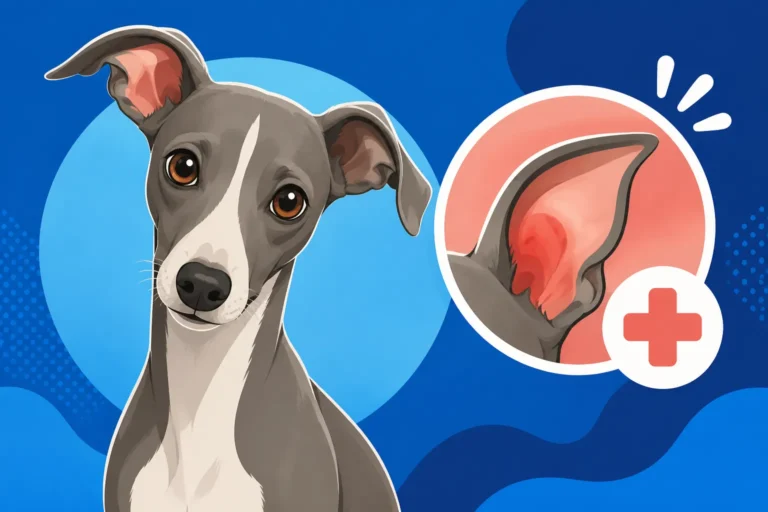
An Italian Greyhound in Summer and in Snow
One of the most profound truths about sharing your life with an Italian Greyhound is that their delicate nature isn't just a charming quirk; it dictates much of their daily care, especially when it comes to the weather. These elegant little sighthounds were not built for extremes, and anyone who has shivered alongside their tiny companion on a crisp morning or worried over them panting in the heat knows the constant vigilance required. This guide will walk you through the very real challenges of keeping your Italian Greyhound safe and comfortable, no matter if the world outside is a winter wonderland or a summer scorcher.
Understanding Your Italian Greyhound's Unique Thermoregulation
Italian Greyhounds are undeniably beautiful, with their sleek lines and graceful movements, but these very characteristics contribute to their struggles with temperature regulation. They are, quite simply, not built for insulation. Their physiology is perfectly adapted for bursts of incredible speed, not for weathering the elements. This means you, their devoted human, must step in to be their primary thermostat, often year-round.
The Lack of Body Fat and Fine Coat
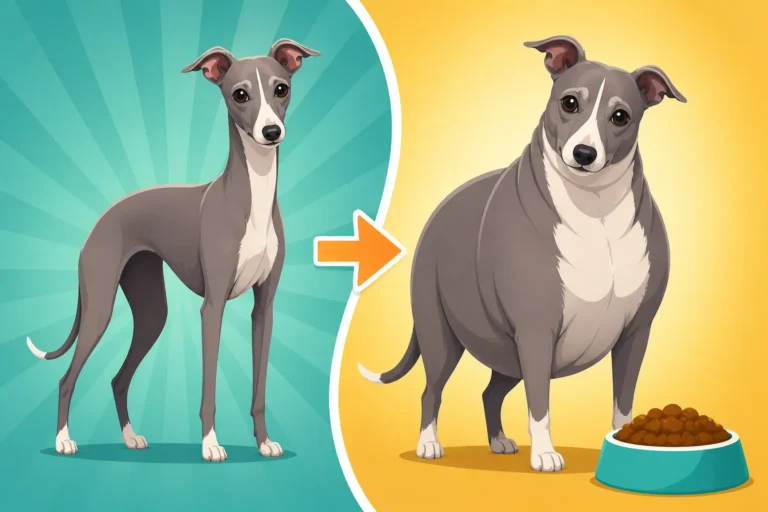
Imagine a human with very little body fat, wearing only a light silk scarf in winter. That’s pretty much what your Italian Greyhound feels like. Their skin is incredibly fine, almost paper-thin, offering minimal protection. Unlike breeds with thick double coats or ample fat reserves, Italian Greyhounds have a single, short, fine coat that lies flat against their body. This coat, while stunning to look at, does practically nothing to trap warm air or repel cold. It's why they can look so effortlessly elegant, but it also means they lose heat incredibly quickly.
When the temperature drops, that lack of natural insulation becomes a critical issue. Their bodies simply don't have the biological tools to maintain a core temperature in cold environments. This isn't a sign of weakness; it's just how they're made. Why an Italian Greyhound Carries Almost No Body Fat explains this in more detail. You'll notice they're often seeking out the warmest spots in the house – under blankets, nestled against you, or curled up in a sunbeam – not because they're being dramatic, but because their bodies are constantly working to stay warm. This is a fundamental aspect of Italian Greyhound ownership that new owners often underestimate, leading to shivering, discomfort, and even health risks if not properly addressed.
Shivering: More Than Just Being Cold
Many dog owners see a shivering dog and assume it's just a little cold. For an Italian Greyhound, shivering can be much more complex. While it certainly is often a primary indicator that they are indeed cold, their bodies' attempt to generate heat through rapid muscle contractions, it can also be a sign of stress, anxiety, or even pain. Sometimes, a happy, excited IG will shiver with anticipation. But when it's cold, their shivering is usually a desperate plea for warmth.
It's heartbreaking to watch your beloved companion tremble uncontrollably. This is not just about their comfort; prolonged shivering expends a lot of energy and can quickly lead to exhaustion and a further drop in body temperature. It's a clear signal that their internal thermostat is struggling, and they need immediate intervention. This could mean putting on an extra sweater, wrapping them in a blanket, or bringing them inside from a chilly outdoor adventure. A good rule of thumb is, if you're feeling a chill, your Italian Greyhound is likely already feeling quite cold. Many owners learn that When an Italian Greyhound Needs a Sweater Indoors is almost always, not just when it's truly frigid.
The Impact of Their Size
The Italian Greyhound is a small dog, typically weighing under 15 pounds, and this diminutive size significantly impacts their ability to cope with temperature extremes. Smaller bodies have a larger surface area to volume ratio compared to larger bodies. This means they lose heat to the environment much faster. Think about how a small cup of hot coffee cools down quicker than a large thermos – it's the same principle for a small dog.
This physical reality means that what might be a perfectly comfortable temperature for a Golden Retriever or even a larger sighthound like a Whippet, can be dangerously cold for an Italian Greyhound. They simply don't have the sheer mass to retain heat effectively, nor the insulating coat to slow heat loss. Conversely, in hot weather, their small size means they can overheat more quickly. Their delicate systems are easily overwhelmed, making them highly susceptible to both hypothermia and heatstroke. Understanding this fundamental aspect of their physiology helps you appreciate why their care needs are so specialized and why seemingly minor temperature fluctuations can have a significant impact on their well-being.
Navigating the Winter Wonderland with Your Italian Greyhound
Winter can be a magical time for many, but for an Italian Greyhound owner, it often brings a unique set of anxieties. The thought of ice, snow, and biting winds can fill you with dread, knowing how quickly your delicate companion can get cold. Keeping them safe and snug when temperatures plummet requires proactive planning and a dedicated approach to their daily routine.
Essential Winter Wardrobe: More Than Just Fashion
Let's be real: dressing up your dog can feel a little silly to some, but for an Italian Greyhound, a proper winter wardrobe is a non-negotiable health necessity, not just a fashion statement. Their thin skin and lack of body fat mean they simply cannot generate or retain enough warmth on their own. You're not just choosing a cute outfit; you're providing vital insulation.
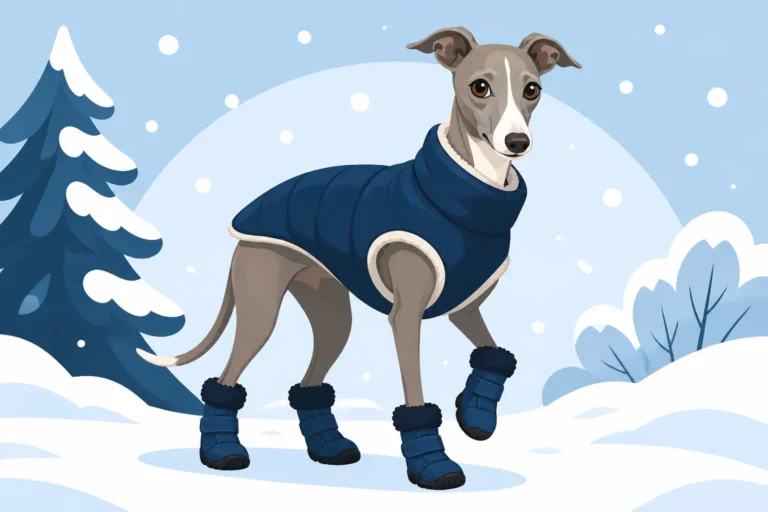
You'll quickly find that one sweater isn't enough. Many Italian Greyhound owners invest in multiple layers: a thin onesie under a fleece sweater, topped with a waterproof winter coat for outdoor excursions. Look for coats that cover their chest and belly thoroughly, as these areas are particularly vulnerable to cold. Brands that specialize in sighthound apparel often provide the best fit, accounting for their deep chests and slender waists. You might find a great selection of these specialized items on sites like Chewy or Amazon, where reviews often highlight suitability for breeds like IGs. Without these layers, even a quick trip outside can lead to uncontrollable shivering and discomfort, reinforcing why Keeping an Italian Greyhound Warm Is Daily Work, Not a Winter Job. Don't forget their indoor attire either; a light fleece or sweater can make a huge difference in keeping them comfortable inside a moderately cool house.
Paw Protection: Guarding Against Ice and Salt
While we often focus on keeping their bodies warm, an Italian Greyhound's paws are equally vulnerable in winter. Cold pavement, ice, and especially de-icing salts can be incredibly harsh. Those delicate pads aren't built for icy conditions, and prolonged exposure can lead to frostbite, cracking, and chemical burns from salt.
Boots are often the best defense, though getting an IG to tolerate them can be a training challenge! Start early, with positive reinforcement. If boots are a non-starter, consider a good quality paw balm to create a protective barrier before walks. After every outing, it's crucial to wipe or rinse their paws thoroughly to remove any salt, chemicals, or ice balls that might have accumulated. Not only can these substances irritate their skin, but if ingested when they lick their paws, they can cause digestive upset. Remember, even a short walk on a cold, salted sidewalk can be painful and damaging for their sensitive paw pads, so always check the ground yourself before taking them out. Walking an Italian Greyhound in Snow highlights other considerations.
Indoor Activities When Outdoor Walks Are Too Harsh
There will be days in winter when outdoor walks are simply out of the question. Blizzards, ice storms, or simply dangerously low temperatures make venturing outside a risk for your Italian Greyhound. On these days, you can't just skip exercise; you need to pivot to indoor activities to keep them mentally stimulated and physically engaged.
Indoor zoomies are a classic Italian Greyhound phenomenon, and a great way for them to burn off energy. Clear a safe path in your home, ensure there are no obstacles they can crash into, and let them fly! Puzzle toys and interactive feeders are also excellent for mental enrichment, keeping their sharp minds busy. Training sessions, even just practicing basic commands in a new way, can be surprisingly tiring. Hide-and-seek with treats is another favorite. The goal is to prevent boredom and pent-up energy, which can lead to destructive behaviors. While it might feel restrictive for you, prioritizing their warmth and safety by limiting outdoor exposure on truly brutal days is paramount. These indoor alternatives ensure your IG remains happy and healthy until the weather improves.
The Realities of Potty Breaks in the Cold
This is perhaps one of the biggest frustrations for Italian Greyhound owners in winter: the dreaded cold-weather potty break. Many Iggies develop a strong aversion to cold, wet, or snowy conditions. They will hold it for as long as humanly (or dog-ly) possible, often making a dash for the door, doing their business in two seconds flat, and then bolting back inside as if their life depends on it. Or, sometimes, they'll refuse to go out altogether.
This refusal isn't stubbornness; it's genuine discomfort. Their thin bodies get cold almost instantly, and standing on cold ground to relieve themselves is miserable. This can lead to accidents indoors, even with a previously well-housetrained dog. To mitigate this, many owners set up an indoor potty area, like a litter box with pee pads or artificial grass, especially for those frigid days. Having a designated, warm spot indoors can relieve pressure on your dog and you. For outdoor breaks, ensure they are fully geared up in their warmest layers, and if possible, create a small, sheltered spot in your yard. Standing with them, offering praise as soon as they go, and making the experience as quick and positive as possible can help. Remember, Why an Italian Greyhound Refuses to Go Out in Rain applies even more so to snow and ice!
Keeping Your Italian Greyhound Cool in the Sizzling Summer
While winter often brings the most immediate concerns for Italian Greyhounds, summer poses its own unique set of dangers. Their delicate physiology, which struggles to retain heat in cold, also makes them susceptible to overheating when temperatures soar. Just as you bundled them up in layers, you'll need a strategy to keep them comfortably cool and protected from the summer sun.
Sunburn Risks and Protection
Those beautiful, fine coats and thin skin that make Italian Greyhounds so susceptible to cold also make them incredibly vulnerable to sunburn. Unlike many breeds with thicker fur, an Italian Greyhound’s skin offers little to no natural protection from harmful UV rays. Areas like their ears, noses, bellies, and any sparse patches of fur are particularly at risk.
Just like humans, dogs can get painful sunburns, which can lead to blistering, skin damage, and in severe cases, increase the risk of skin cancer over time. If you plan on spending any significant time outdoors, especially during peak sun hours, you'll need to apply dog-specific sunscreen to their exposed skin. Avoid human sunscreens, as many contain zinc oxide or PABA, which are toxic if ingested. There are many safe, pet-friendly sunscreens available online through retailers like Amazon. Also, consider lightweight, UV-protective clothing for extended outdoor exposure. Remember, prevention is key, and a few minutes of care can save your Italian Greyhound from a painful burn and long-term health issues. You'll find more on this in Sunburn on a Bald Italian Greyhound.
Hydration and Cooling Strategies
Heat can quickly lead to dehydration and overheating in an Italian Greyhound. They don't sweat like humans do; instead, they cool themselves primarily through panting. If the air around them is too hot or humid, this mechanism becomes less effective, leading to rapid temperature increases. Maintaining proper hydration is paramount during warm weather.
Always ensure your Italian Greyhound has access to fresh, cool water, both indoors and outdoors. Consider placing multiple water bowls around the house, and always carry water with you on walks. During hotter parts of the day, offer ice cubes (which many Iggies love) or even frozen treats to encourage water intake. For cooling, a damp towel draped over their back or a cooling vest can help. Many owners find cooling mats, available from pet suppliers like Chewy, to be excellent tools for helping their Iggies regulate their temperature indoors. Even a small, shallow kiddie pool can be a fun way for some Iggies to cool their paws, though many are not fans of getting wet! These strategies are vital for preventing heat-related illnesses and ensuring your Italian Greyhound stays comfortable and safe in the summer.
Avoiding Hot Pavement and Midday Sun
One of the most insidious dangers of summer for an Italian Greyhound is hot pavement. Asphalt and concrete can heat up to dangerously high temperatures, far exceeding the ambient air temperature, causing severe burns to their delicate paw pads. A good rule of thumb: if it's too hot for your bare hand, it's too hot for their paws.
Always test the pavement with your hand before heading out. If it's scorching, stick to grass or shaded areas. This often means adjusting your walking schedule to early mornings or late evenings when the sun is less intense and surfaces have had a chance to cool down. Avoiding midday sun is also crucial to prevent overheating and sunburn. If you must be outside during these hours, seek out shady spots and limit activity. Dog parks, while tempting, can also be risky due to exposed surfaces and uncontrolled play that can lead to overexertion in the heat. A well-ventilated carrier with a cooling mat for transport can also be helpful on warmer days. Remember, How an Italian Greyhound Handles Summer Heat is often with great difficulty without your diligent intervention.
Creating a Comfortable Indoor Environment Year-Round
Since Italian Greyhounds are so susceptible to external temperatures, their indoor environment becomes their sanctuary. Crafting a home that consistently meets their specific needs for warmth and comfort, regardless of the season, is one of the most important aspects of their care. This isn't just about turning the thermostat; it's about thoughtful arrangement and specialized bedding.
Optimal Indoor Temperatures
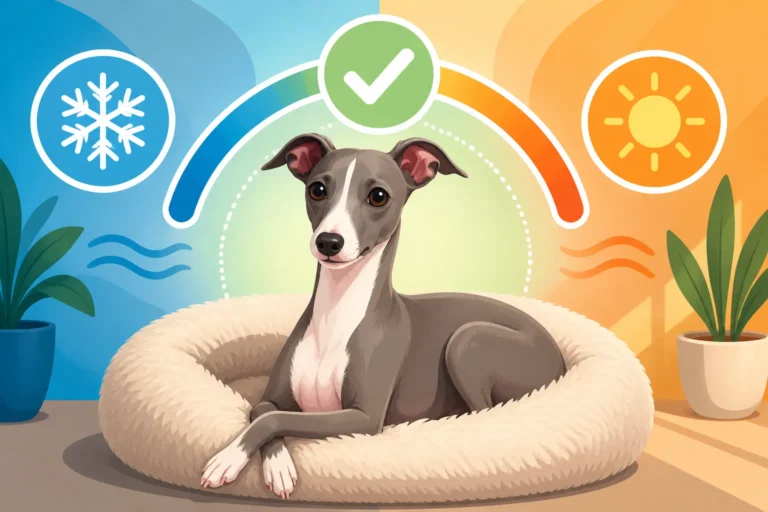
Finding the "just right" indoor temperature for an Italian Greyhound can feel like a perpetual quest. While what's comfortable for you might be too chilly for them, maintaining an overly warm house for your benefit isn't practical either. Generally, most Italian Greyhounds are happiest when indoor temperatures are consistently in the low to mid-70s Fahrenheit (around 22-24 degrees Celsius). However, this is just a guideline, and individual Iggies will have their own preferences.
You'll know your IG is comfortable if they are relaxed, not shivering, and not panting excessively. In colder months, you might find yourself keeping the thermostat a notch or two higher than you're used to, or using space heaters in their favorite nap spots (always safely, of course!). In summer, air conditioning is often a necessity, not a luxury. Remember that drafts can be particularly bothersome for their thin skin, so pay attention to windows and doors. The goal is to provide a stable, moderate temperature that minimizes their body's constant effort to regulate its own heat, allowing them to relax and thrive.
Cozy Beds and Blankets for All Seasons
The importance of good bedding for an Italian Greyhound cannot be overstated. Given their lack of natural padding and fine bone structure, they need soft, supportive places to rest to prevent pressure sores and simply to feel secure. And yes, blankets are an absolute must, no matter the season.
During winter, orthopedic beds with thick foam are excellent for providing insulation from cold floors and cushioning their delicate joints. Many Iggies adore "snuggle sacks" or cave beds, which allow them to burrow deeply and create their own warm nest. A heated pet bed can be a game-changer for those who are perpetually cold, but always ensure it's a model specifically designed for pets and used safely. Even in summer, a blanket provides a sense of security and a soft surface, though perhaps a lighter fabric. The Bedding a Thin Skinned Italian Greyhound Actually Needs is more than just a dog bed; it's a strategically chosen comfort zone. You'll often find your Italian Greyhound under a blanket, even on a warm day, simply because they love to burrow and feel cozy. Having multiple options – beds in different rooms, a basket of clean blankets – ensures they always have a comfortable retreat. You can find many excellent choices for cozy bedding at major pet retailers like Chewy or on Amazon.
Air Circulation and Humidity Management
While temperature is the primary concern, air circulation and humidity also play a role in your Italian Greyhound's comfort. Stagnant air can feel oppressive in summer, while dry winter air can irritate their skin and respiratory passages. Maintaining a balanced indoor environment goes beyond just heating and cooling.
In warmer months, gentle air circulation from fans (not directly blasting them) can help with evaporative cooling, especially if you're trying to avoid running the AC full blast. Opening windows during cooler parts of the day can also introduce fresh air, but always be mindful of security, as Iggies are quick and can squeeze through surprisingly small gaps. Conversely, in winter, heating systems can make the air very dry. A humidifier can help to add moisture back into the air, which can be beneficial for both your Italian Greyhound's delicate skin and for preventing static electricity buildup on their fine coat. Monitoring indoor humidity levels, especially if you notice your IG scratching more than usual or experiencing dry nasal passages, can be a subtle but effective way to enhance their year-round comfort.
Recognizing and Responding to Temperature-Related Distress
Knowing the signs of distress is critical for any Italian Greyhound owner. Because they are so vulnerable to temperature extremes, recognizing when they are struggling and knowing how to respond quickly can be life-saving. Don't wait until symptoms are severe; early intervention is always best.
Signs of Hypothermia and Frostbite
Hypothermia occurs when an Italian Greyhound's body temperature drops dangerously low, and frostbite is damage to tissues caused by freezing. These are serious medical emergencies. It's not just about shivering; look for a combination of symptoms.
Signs of hypothermia can include intense, uncontrollable shivering (which may eventually cease as their body gives up trying to warm itself), lethargy, weakness, stiffness, pale or blue-tinged gums, and a cold-to-the-touch body. As it progresses, they may become disoriented or even collapse. For frostbite, look for skin that appears pale, waxy, or grayish, especially on their ears, tail tip, or paw pads. The affected areas might feel cold and firm. If you suspect either, immediately bring your Italian Greyhound into a warm, dry environment. Wrap them in warm (not hot) blankets or towels, and apply warm (again, not hot) water bottles wrapped in cloth to their armpits and groin. Do NOT rub the affected areas, as this can cause further damage. Contact your veterinarian immediately, even if they seem to be recovering, as internal damage may not be visible.
Signs of Heatstroke and Dehydration
On the other end of the spectrum, heatstroke and severe dehydration are equally dangerous. Italian Greyhounds can overheat very quickly, especially during exercise on a warm day. Heatstroke is a medical emergency that can lead to organ damage and death if not treated promptly.
Watch for excessive panting that seems out of proportion to their activity level, profuse drooling, bright red or pale gums, weakness, staggering, collapse, or vomiting. Their body may feel hot to the touch. In severe cases, seizures can occur. Dehydration signs include sunken eyes, lethargy, dry gums, and a loss of skin elasticity (if you gently pinch their skin, it will be slow to return to place). If you suspect heatstroke, act fast: move your Italian Greyhound to a cool, shaded area. Offer small amounts of cool (not ice cold) water. Dampen their fur with cool water, focusing on their head, neck, and belly. You can use a fan to aid evaporative cooling. Do NOT immerse them in ice water, as this can cause shock. Get them to an emergency veterinarian immediately. Even if they seem to recover, internal damage may be present, so a vet check is crucial.
When to Contact Your Vet Immediately
This might seem obvious, but it's worth reiterating: when in doubt, contact your vet. Italian Greyhounds are incredibly resilient but also fragile, and their health can deteriorate rapidly in extreme temperatures. There's no shame in calling your vet's office for advice, especially if you're a new owner or dealing with an unusual situation.
Any time you notice persistent shivering that doesn't resolve with warming, severe lethargy, collapse, disorientation, prolonged vomiting or diarrhea after temperature exposure, or any signs of paw pad damage or skin blistering, it's time for professional help. Don't try to "wait and see" with temperature-related issues. The delicate balance of an Italian Greyhound's system means that what might be a minor inconvenience for a larger, hardier dog can quickly become critical for them. Your vet can provide specific guidance, and if necessary, initiate life-saving treatments. It’s better to be overly cautious than to regret delaying care.
Travel and Outdoor Adventures in Extreme Weather
For many Italian Greyhound owners, our companions are part of every adventure, but extreme weather demands extra caution when traveling or exploring outdoors. Their vulnerability to both heat and cold means that spontaneity often has to take a backseat to meticulous planning.
Car Safety in Hot and Cold Weather
The car is one place where temperature can fluctuate dramatically, and it poses a significant risk for Italian Greyhounds if not managed carefully. In summer, a car's interior can become a death trap in minutes, even on a seemingly mild day. The "cracked window" myth is just that – a myth. The temperature inside a car can rise by 20 degrees Fahrenheit in just 10 minutes.
Never, ever leave your Italian Greyhound unattended in a car in warm weather, even for a "quick" errand. The risk of heatstroke is simply too high. If you must travel with them, ensure your car's air conditioning is working effectively and pointed towards their travel crate or space. In winter, the opposite problem arises. If your car is off, it can cool down quickly, turning into an icebox. A shivering Italian Greyhound in a cold car during a long wait can quickly become hypothermic. Always ensure the car is adequately heated before placing them inside, and if you have to stop for an extended period, bring them with you or ensure the car remains running with heat. A cozy travel crate with blankets can provide some insulation, but it's no substitute for proper climate control. How an Italian Greyhound Handles Flying involves entirely different, but equally rigorous, temperature considerations.
Gear for Outdoor Excursions
If you're an adventurous soul who loves to take your Italian Greyhound hiking or camping, you'll need specialized gear to ensure their safety and comfort in varying temperatures. Standard dog gear often falls short for an IG's unique needs.
In cold weather, this means multi-layered dog clothing, including a waterproof outer shell, and durable paw boots that offer both grip and insulation. Look for designs that stay on their slender legs and provide full coverage. A portable, insulated sleeping bag or a thick, self-warming mat can be crucial for overnight stays in tents or cabins. In warm weather, lightweight cooling vests, portable water bottles with attached drinking cups, and even doggy sunscreen are essential. Consider a sturdy, well-ventilated carrier if they might need to be carried over rough terrain or during peak heat. Always pack more water than you think you'll need, and high-energy snacks to keep their metabolism fueled in colder conditions. Remember that an Italian Greyhound's endurance is not that of a larger, hardier breed, so plan shorter, more frequent breaks.
Camping and Hiking Considerations
Taking an Italian Greyhound camping or hiking can be a wonderful experience, but it requires careful thought, particularly concerning temperature. Their delicate build and limited body fat mean they are not suited for extreme wilderness conditions or strenuous treks.
For camping, pick sites with access to shelter, whether it's a warm cabin in winter or ample shade in summer. Ensure their sleeping arrangements are elevated off the cold ground and well-insulated. A small tent inside a larger human tent can give them a sense of security and extra warmth. For hiking, choose trails that are well-maintained, relatively flat, and offer plenty of shade. Avoid rocky or uneven terrain that could injure their fragile legs, and always be mindful of ambient temperature. In cold weather, their energy needs increase to stay warm, so bring extra calorie-dense treats. In hot weather, plan for frequent water breaks and watch for signs of overheating. Always carry a first-aid kit specific to dogs, including items for paw injuries or minor cuts, as Cuts, Scrapes and an Italian Greyhound's Paper Thin Skin are a common concern. Your Italian Greyhound wants to be with you, but their safety must always come first.
The Lifelong Commitment to Temperature Management
Caring for an Italian Greyhound means understanding that their unique needs around temperature aren't just for their puppy years. This is a lifelong commitment, one that often becomes even more pronounced as they age. Your role as their advocate and protector against the elements doesn't diminish; it evolves.
Senior Iggies and Increased Sensitivity
As Italian Greyhounds enter their golden years, typically around eight to ten years old, their sensitivity to temperature extremes often increases. Just like elderly humans, their bodies become less efficient at regulating their core temperature. Their metabolism might slow down, their circulation might not be as robust, and any existing health conditions can exacerbate their vulnerability.
You'll likely notice your senior Italian Greyhound seeking warmth even more aggressively in winter. They might shiver more easily, even indoors, and take longer to warm up after a brief outing. Conversely, they may become even more prone to overheating in summer, struggling with humidity or sustained warmth. This means you might need to adjust your indoor thermostat even further to their comfort, add more layers of clothing, and be even more diligent about providing cooling options. Their mobility might also decrease, making it harder for them to move to warmer or cooler spots, so you'll need to ensure their primary resting areas are ideally climate-controlled. Why an Old Italian Greyhound Feels the Cold More is a common reality that demands extra care and attention from their devoted owners.
Ongoing Vigilance and Routine Adjustments
The commitment to temperature management for an Italian Greyhound is not a "set it and forget it" task. It requires ongoing vigilance and a willingness to adjust routines as seasons change, as they age, and even as the weather shifts throughout a single day. What worked last year might not work this year, or even last week.
This means regularly checking weather forecasts, assessing the ground temperature with your hand, and observing your Italian Greyhound's behavior for subtle cues of discomfort. It means having a variety of coats, sweaters, and cooling accessories readily available. It involves adjusting walk times, ensuring access to fresh water, and having indoor enrichment ready for days when outdoor activities are too risky. It's a continuous, empathetic process of anticipating their needs and responding proactively. This lifelong dedication to their comfort is a testament to the special bond we share with these wonderful, delicate companions, and it's a crucial part of ensuring they live a happy, healthy, and long life.
Disclaimer
This article is for general informational purposes only and does not constitute professional advice. Laws, prices and regulations vary by location and change over time. Consult a qualified professional for guidance on your specific situation.