When an Italian Greyhound Needs Boots in Snow
Winter can be an incredibly tricky season for us Italian Greyhound owners. While we might love the crisp air and cozy nights, the moment snow hits the ground, many of us feel a wave of anxiety about taking our delicate little pups outside. Their paper-thin skin and lack of body fat make them incredibly susceptible to the cold, and their tiny paws are no exception. This guide is all about helping you decide when those adorable, yet essential, dog boots are truly necessary for your Italian Greyhound in snowy conditions, and what else you need to consider to keep them safe and comfortable.
Understanding Your Italian Greyhound's Cold Tolerance
Let's be honest, Italian Greyhounds are built for speed and elegance, not for trekking through the Arctic tundra. Their physiology makes them uniquely vulnerable to cold weather, which is why we often find ourselves bundling them up like miniature fashionistas just to run out for a quick potty break. It's not just an aesthetic choice; it's a critical part of their care.
Why Iggies Get Cold So Easily
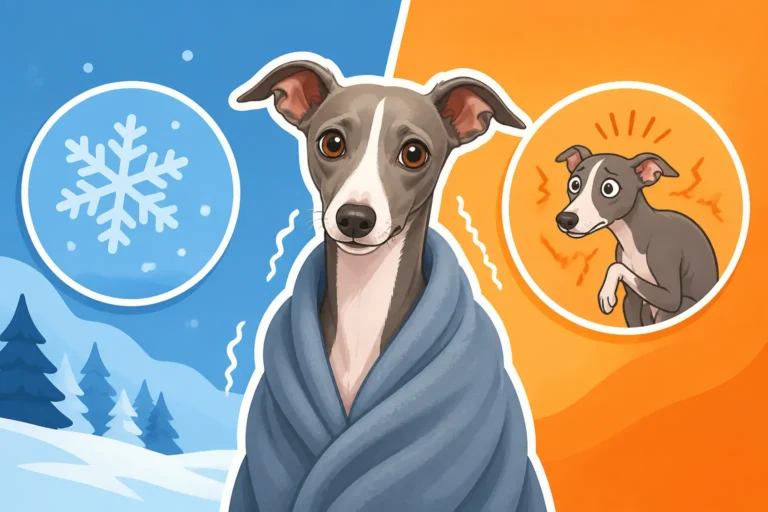
If you've ever felt the sleek, almost fur-free coat of an Italian Greyhound, you already know why they shiver at the mere thought of a cold breeze. Unlike breeds with thick double coats designed for insulation, Iggies have a single, very fine coat that offers almost no protection from the elements. Think of it like wearing a silk scarf in a snowstorm – it might look elegant, but it won't keep you warm.
Beyond their minimalist fur, Italian Greyhounds also carry very little body fat. This isn't just about being sighthounds built for speed; it's a biological reality that impacts their thermoregulation. Fat acts as an insulator, helping to trap heat and keep the body temperature stable. Without that natural layer, their core temperature can drop rapidly when exposed to cold. This means that even a short stroll on a chilly day can be deeply uncomfortable for them, let alone when there's snow and ice involved. It's a constant battle to keep their little bodies warm, a battle they often lose quickly. Many owners report their Iggies shivering even inside if the house isn't kept at a toasty The Room Temperature an Italian Greyhound Is Comfortable At.
The Dangers of Cold Exposure for Iggies
It's more than just a shiver; sustained cold exposure can lead to serious health issues for your Italian Greyhound. Their delicate extremities – ears, tail, and especially their paws – are prime targets for frostbite. When the body gets too cold, it restricts blood flow to these areas to protect vital organs, making them extremely vulnerable. Imagine your own fingers or toes going numb and then developing severe tissue damage – that's what frostbite can do.
Beyond localized damage, there's the broader threat of hypothermia, which occurs when an Italian Greyhound's body loses heat faster than it can produce it, causing its core temperature to drop dangerously low. This can lead to lethargy, disorientation, weakness, and, in severe cases, be life-threatening. You might notice your Ig is listless, struggling to walk, or seems confused. This is why paying close attention to When an Italian Greyhound Starts Shivering and understanding Why an Italian Greyhound Cannot Hold Its Own Heat is so important. They aren't just being dramatic; their little bodies are genuinely struggling to cope with the cold. Ignoring these signs can have dire consequences, turning a simple walk into a medical emergency.
Recognizing the Signs: When Your IG's Paws Need Protection
You know your Italian Greyhound best. They're usually pretty good at communicating their discomfort, even if it's just a subtle change in behavior. When it comes to their paws in snowy conditions, there are clear signals they'll send you that indicate it's time for some protective footwear.
Visual Cues of Discomfort
Your Italian Greyhound's body language is your primary indicator. When their paws are getting too cold, or irritated by snow and ice, they'll often start lifting one paw after another, almost as if they're dancing on hot coals. It's a clear sign that the ground is causing them discomfort. You might also notice them limping slightly or trying to hold a paw up for an extended period. Some Iggies will outright refuse to walk, digging in their heels and giving you "the look" that says, "Nope, not happening."
Another common sign is excessive licking or chewing at their paws once you're back inside. This indicates irritation from the cold, ice, or de-icing chemicals. And, of course, the ever-present shiver, which might start in their body but often intensifies if their feet are particularly cold. It's not just about the snow on the ground; it's about the very real, physical pain or extreme cold their sensitive paws are experiencing. If you see these cues, it's not a suggestion; it's a plea for paw protection.
Environmental Factors to Consider
Beyond your dog's immediate reaction, you need to be a savvy observer of the environment itself. The mere presence of snow isn't always the sole factor.
Consider the temperature. Even if there's no snow, walking on freezing pavement can be painful. When the temperature drops below freezing, especially into the teens or single digits, boots become much more critical, even for short outings. Wind chill can also make a seemingly mild day feel much colder, affecting exposed paws more severely.
Snow depth is another factor. A light dusting might be manageable for a quick dash, but deeper snow means their paws are submerged for longer, increasing exposure. Small ice balls can also form between their paw pads, causing pain and irritation with every step.
Finally, the presence of salt and de-icers on sidewalks and roads is a huge concern. These chemicals are highly irritating and can cause chemical burns to paw pads, not to mention being toxic if ingested when your Ig licks their paws clean. If you live in an urban or suburban area where roads and sidewalks are frequently treated, boots are almost non-negotiable, regardless of the temperature, to protect against these invisible threats. Think about Whether Salted Sidewalks Hurt an Italian Greyhound's Feet — they absolutely do.
| Environmental Factor | Risk Level for Unprotected Paws | When Boots Are Recommended |
|---|---|---|
| Light Snow, Above 25°F | Low to Moderate (discomfort) | Optional, for longer walks |
| Deep Snow, Above 25°F | Moderate (cold, irritation) | Recommended |
| Any Snow/Ice, Below 25°F | High (frostbite, hypothermia) | Essential |
| Road Salt/De-icers | Very High (chemical burns, ingestion) | Essential (regardless of temp) |
| Ice, Slippery Surfaces | Moderate to High (injury) | Highly Recommended |
Beyond Just Snow: The Hazards on Winter Pavements
It's easy to think of snow as the main culprit, but the reality of winter walks for an Italian Greyhound extends far beyond just fluffy white stuff. The very surfaces we expect them to navigate can be fraught with hidden dangers for their delicate feet.
The Threat of Road Salt and Chemical De-icers
This is probably one of the most insidious threats to an Italian Greyhound's paws in winter. Many cities and towns use various forms of rock salt, magnesium chloride, or other chemical de-icers to keep roads and sidewalks clear. While these are effective for human safety, they are absolutely brutal on a dog's paw pads. These chemicals are caustic, meaning they can cause painful chemical burns and severe irritation to the sensitive skin between and around their pads. Imagine walking barefoot on a freshly salted driveway – that's what your Ig experiences.
The problem isn't just external. When your Italian Greyhound comes back inside after walking on treated surfaces, their natural instinct is to lick their paws clean. This means they can ingest these harmful chemicals, leading to stomach upset, vomiting, diarrhea, or even more serious health issues depending on the specific chemicals and the amount ingested. You might not see the damage immediately, but a quick inspection of their pads after a walk can reveal redness, cracking, or even small blisters. This is a common reason why you see some Iggies lifting their paws even when there isn't much snow, as the salt itself is causing them pain. Paw protection, especially in urban environments, is therefore less about the cold and more about creating a barrier against these irritating substances.
Ice and Slipping Hazards
Beyond the chemicals, the physical presence of ice and compacted snow poses its own set of problems. Italian Greyhounds, with their fine bone structure and often clumsy, energetic bursts, are not the most sure-footed creatures on slick surfaces. A slip and fall on ice can lead to painful strains, sprains, or even serious fractures, which are a constant worry for this breed. A Broken Leg Is the Emergency Every Italian Greyhound Owner Fears, and a fall on ice can easily be the cause.
Furthermore, when an Italian Greyhound walks through snow, especially fine, powdery snow, it can clump and freeze between their paw pads, forming painful ice balls. These icy lumps can pull at the fur, cause cracking, and make walking incredibly uncomfortable, like having pebbles stuck in your shoes. These ice balls can also harden, potentially creating sharp edges that can cut into their delicate skin. Even small amounts of ice or hard-packed snow can be enough to cause significant discomfort and potentially lead to injury, making a sturdy, protective boot a wise investment for their overall well-being.
Choosing the Right Boots for Your Italian Greyhound
Okay, so you've decided boots are a must-have for your little companion. But with so many options out there, how do you pick the right ones? It's not as simple as grabbing the first cute pair you see. Italian Greyhounds have unique paw shapes and a general aversion to anything too restrictive, so a good fit and comfortable material are paramount.
Key Features to Look For in IG Boots
When shopping for boots, several features are non-negotiable for Italian Greyhounds:
- Material and Waterproofing: Look for boots made from waterproof or highly water-resistant materials. Neoprene, silicone, and rubber-dipped fabrics are common and effective. This keeps their paws dry and protects them from snowmelt, puddles, and chemical de-icers. Insulation isn't always strictly necessary if the boots are keeping them dry and off the cold ground, but a fleece lining can add an extra layer of warmth.
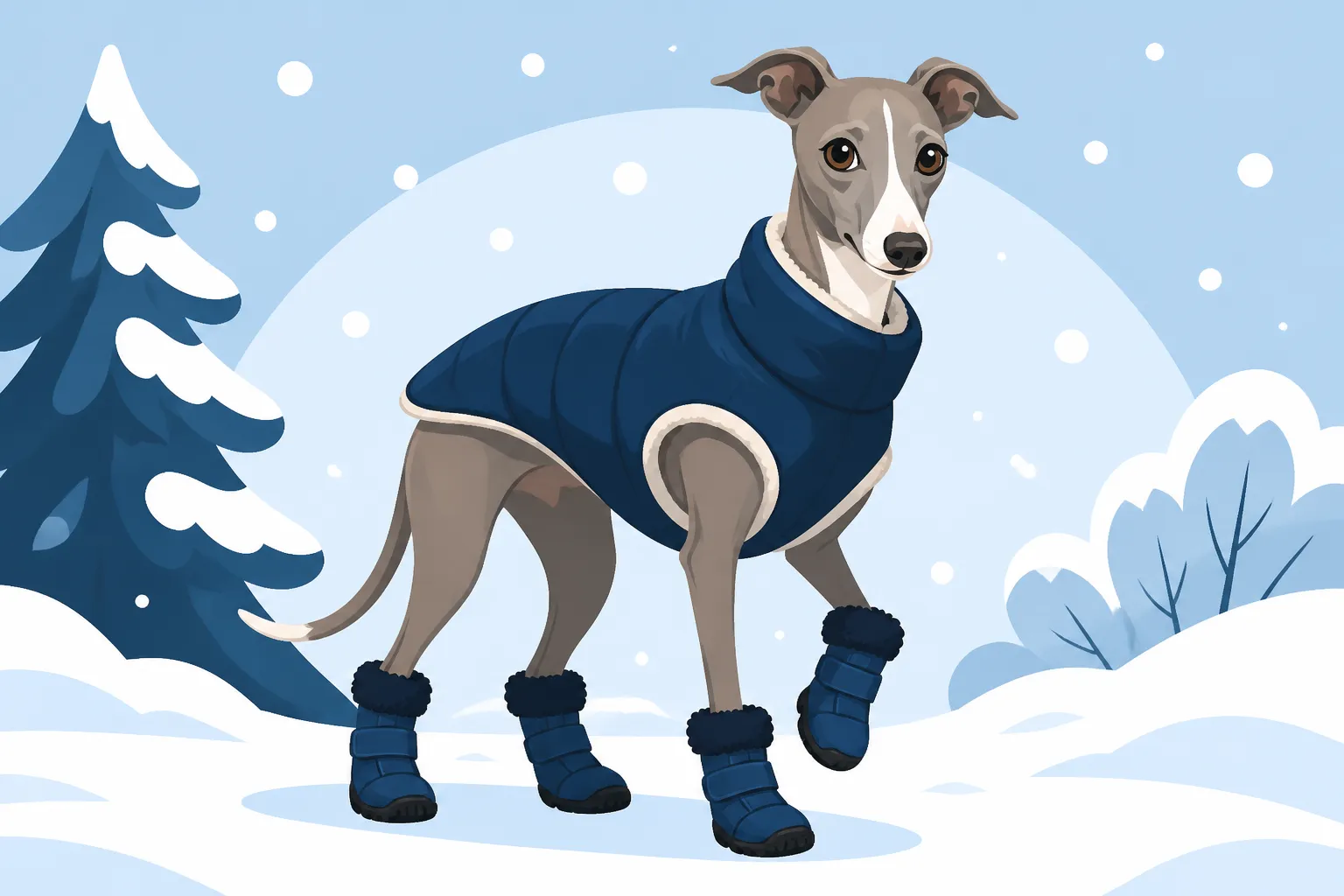
- Fit and Fastening: This is perhaps the most crucial aspect. Italian Greyhounds have relatively small, delicate feet and long, slender legs. Boots need to fit snugly enough to stay on, but not so tight that they cut off circulation or cause rubbing. Look for boots with multiple points of adjustment – often two Velcro straps – that can be cinched above and below the ankle. Many standard dog boots are too wide or too short for an IG's paws and legs. A good boot will extend high enough up the leg to prevent snow from getting in and to provide stability.
- Traction: The whole point of boots in snow and ice is to prevent slipping. Ensure the soles have good grip, ideally with a textured rubber or silicone tread. Avoid boots with smooth bottoms, as these will offer no advantage on icy surfaces.
- Flexibility: Iggies love to run and play. The boots should allow for natural paw movement and not be overly rigid, which can make them uncomfortable and awkward to walk in.
Measuring your Italian Greyhound's paws is essential. You'll need both the width and length, and sometimes the circumference of their ankle. Brands like Chewy and Amazon often have detailed sizing guides and customer reviews that specifically mention how well boots fit sighthound breeds, which can be invaluable. Don't be afraid to try a few different styles to find the perfect match.
Popular Types and Where to Find Them
There's a wide range of boot styles, each with its pros and cons:
- Soft-Shell Fabric Boots with Rubber Soles: These are often made from durable, waterproof fabric (like Cordura or nylon) with rubberized soles for grip. They're usually lightweight and flexible, which can be good for Iggies who dislike heavy footwear. Brands like Ruffwear (their "Grip Trex" or "Summit Trex" are often recommended for various dog breeds) or Muttluks offer variations that might work, though getting the perfect IG fit can still be a challenge. These are widely available on sites like Chewy and Amazon.
- Silicone or Rubber Dip Boots: These are often simpler, more flexible, and can feel more like a second skin. They might not offer much insulation, but they create an excellent barrier against salt, chemicals, and moisture. Pawz disposable rubber boots are an example, offering good protection but less insulation and durability. While "disposable," many owners find they can be reused several times. They're excellent for chemical protection and easy to put on but can be a bit thin for deep cold.
- Insulated Winter Boots: For truly frigid temperatures or extended outdoor time, you might seek out boots with an insulated lining. These tend to be bulkier but offer maximum warmth. Again, finding a good fit for an IG's slender legs is key here.
It's worth reading reviews carefully, focusing on comments from owners of sighthounds or dogs with similar paw/leg structures. Sometimes, smaller sizes from brands designed for working dogs can fit an Italian Greyhound surprisingly well. Remember, the goal is comfort and protection, not just aesthetics.
Getting Your Italian Greyhound Accustomed to Boots
Okay, you've got the boots. Now for the fun part: convincing your Italian Greyhound to wear them. Iggies are creatures of comfort and routine, and introducing something new on their highly sensitive paws can be met with anything from mild confusion to dramatic refusal. Patience, positive reinforcement, and a good sense of humor are your best tools here.
The Acclimation Process: Patience is Key
You can't just slap boots on your Ig and expect them to prance happily through the snow. This is a multi-step process:
- Introduce Them Indoors: Start by letting your Italian Greyhound see and sniff the boots. Offer treats and praise when they interact calmly. Don't try to put them on yet. Just make the boots a positive presence.
- One Boot at a Time: Once they're comfortable with the boots themselves, try putting just one boot on a front paw. Give a high-value treat immediately. Let them wear it for just a minute or two, then take it off, and give more praise. Repeat this a few times a day, gradually increasing the time and adding more boots.
- Short Sessions, High Rewards: Keep the initial sessions very short – literally seconds or a minute at first. Distract them with toys or a favorite chew. Always end on a positive note, even if it means taking the boots off sooner than planned. The goal is to build a positive association.
- Practice Walking Indoors: Once they tolerate all four boots, try a very short walk inside. They will likely walk very strangely, lifting their feet high or doing a "boot dance." This is normal! Stay calm, offer encouragement, and lots of treats. Don't laugh or get frustrated, as this can make them more resistant.
- First Outdoor Test: Choose a mild, calm day for the first outdoor excursion. Keep it brief, just long enough to get them used to the feeling outside. If they seem miserable, cut it short and try again later. It might take several days or even weeks for them to fully accept the boots. This is a lot like Teaching an Italian Greyhound Puppy to Have Its Teeth Brushed – consistency and positive reinforcement are everything.
Remember that an Italian Greyhound can be quite sensitive to new sensations, and forcing the issue will only create a negative association. Think of it as a marathon, not a sprint.
Troubleshooting Common Boot Issues
Even with the best introduction, you might encounter some common challenges:
- Boots Falling Off: This is almost always a fit issue. The boots might be too wide, the straps not cinched enough, or they're not tall enough on the leg. Re-measure your Ig's paws and review sizing charts carefully. Sometimes, adding a small piece of athletic wrap or vet wrap around the top of the boot (over the dog's fur, but not too tight) can provide extra grip. Some brands like Kurgo offer boots with additional features like ankle cinches to help them stay on.
- Refusal to Walk / The "Boot Dance": This is a normal reaction to an unfamiliar sensation. Your Ig might stand frozen, try to shake them off, or do a high-stepping walk like they're marching in a parade. The best approach is distraction and positive reinforcement. Try to get them moving with a favorite treat or toy. Don't try to walk them too far at first. If they absolutely refuse, take them off and try again later with a more positive attitude. They'll eventually figure out that movement is possible.
- Chewing at the Boots: Some Iggies try to chew their boots off. This often indicates discomfort or anxiety. Check the fit again for any pinching or rubbing. Distraction with a toy or chew can help, but if it persists, it might mean those specific boots aren't comfortable for them. Make sure the boots aren't chafing their delicate Why an Italian Greyhound's Skin Tears.
It's all about making the experience as positive and low-stress as possible. A little perseverance now will pay off when your Italian Greyhound can comfortably enjoy winter walks, safe from the elements.
Alternative and Complementary Paw Protection Methods
While boots are often the gold standard for Italian Greyhounds in snowy conditions, they're not always a perfect solution for every situation or every dog. Sometimes, boots might not be accepted, or you might need additional layers of protection. There are other options to consider, either as a standalone solution for very mild conditions or as a supplement to boots.
Paw Balms and Waxes
Paw balms and waxes are fantastic tools for general paw health and can offer a degree of protection against mild irritants and cold. Products like Musher's Secret or paw balms from companies like Ollie (though Ollie is primarily a fresh dog food brand, some pet supply companies do have their own branded paw products, and this is a good place to mention a brand naturally) create a semi-permeable barrier on the paw pads.
Here's what they do well:
- Moisturize and Protect: They help prevent paw pads from drying out, cracking, and becoming sore from cold air and dry indoor heat. Why an Italian Greyhound's Feet Crack in Winter is a common problem, and balms help.
- Minor Barrier: They provide a thin protective layer against superficial irritants like light dust, very fine gravel, and minimal amounts of sidewalk salt.
- Improve Traction: Some waxes can slightly improve traction on slippery surfaces like hardwood floors, although this is less effective on ice.
However, it's crucial to understand their limitations. Paw balms and waxes are not a substitute for boots in significant snow, ice, or areas with heavy chemical de-icers. They don't offer insulation, won't prevent ice balls from forming, and their protective barrier isn't strong enough to withstand prolonged exposure to caustic salts or deep snow. Think of them as a useful preventative measure for healthy paws and a very light defense, but not a full suit of armor for winter warfare. They are a good addition to your general care routine, but not the primary solution for winter walks.
Limiting Outdoor Exposure and Indoor Exercise
Sometimes, despite all your best efforts, the weather is just too severe, or your Italian Greyhound simply won't tolerate boots. In these instances, the safest and kindest approach is to limit their outdoor exposure.
- Short and Sweet Potty Breaks: On extremely cold or icy days, make outdoor excursions as quick and efficient as possible. Go directly to a designated potty spot, encourage them to do their business, and head straight back inside. A well-placed Indoor Potty Setup Costs for an Italian Greyhound or artificial grass patch can be a lifesaver, especially if your Ig absolutely refuses to go out in extreme cold or rain.
- Embrace Indoor Exercise: Just because you can't go for a long walk doesn't mean your Ig doesn't need to burn off energy. Italian Greyhounds are masters of the "zoomies," and a clear, safe indoor space can be perfect for this. Play fetch down a long hallway, engage in tug-of-war, or practice obedience commands with high-value treats. Mental stimulation is also vital; puzzle toys and training sessions can tire them out as effectively as physical exercise. Check out guides on Exercising an Italian Greyhound Indoors in Winter for creative ideas to keep them active and happy when the weather turns truly nasty.
- Bundle Up for Brief Outings: Even for short potty breaks, ensure your Italian Greyhound is wearing a warm, well-fitting sweater or coat. Layering can be even better – a thin onesie under a thicker coat. The more of their delicate body you can keep warm, the better their overall cold tolerance will be for those quick dashes outside. Sometimes, What an Italian Greyhound Wears in the Rain is surprisingly similar to what they need in light snow.
Ultimately, your Italian Greyhound's comfort and safety come first. Whether it's through carefully selected boots, supportive paw balms, or simply keeping them cozy indoors when conditions are too harsh, ensuring their well-being during the winter months is a testament to the love we have for these sensitive, spirited little dogs.
Disclaimer
This article is for general informational purposes only and does not constitute professional advice. Laws, prices and regulations vary by location and change over time. Consult a qualified professional for guidance on your specific situation.