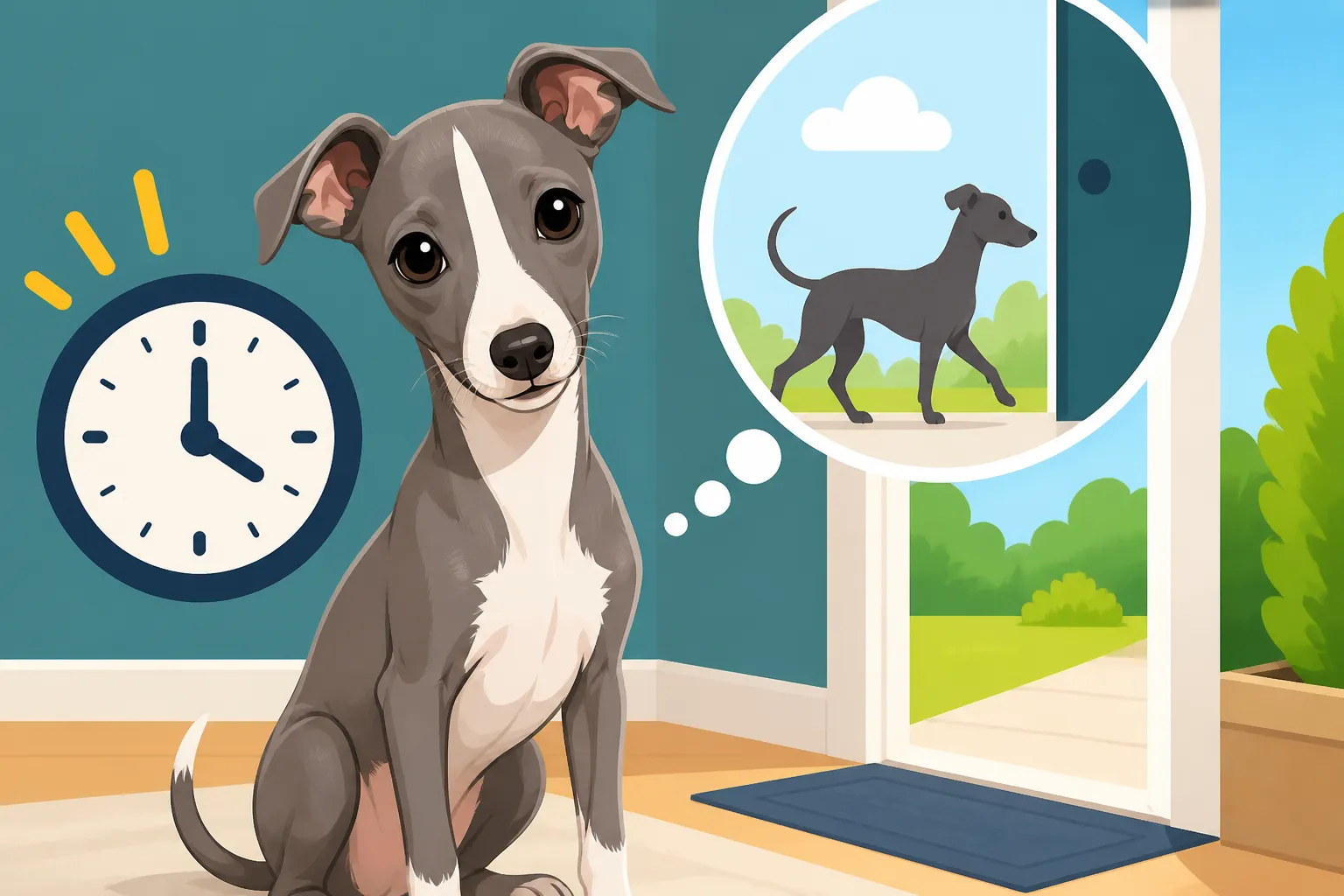
How Often an Italian Greyhound Puppy Needs Out
Bringing home an Italian Greyhound puppy is an exciting, joyful time, but it also comes with a unique set of challenges, particularly when it comes to housetraining. One of the biggest surprises for new owners is just how frequently these tiny, delicate creatures need to relieve themselves. This guide will walk you through the demanding potty schedule of an Italian Greyhound puppy, helping you understand their needs, anticipate accidents, and set them up for success from day one.
The Potty Training Marathon: Understanding Your Italian Greyhound Puppy's Bladder
Italian Greyhounds are known for many wonderful qualities: their elegant looks, their affectionate nature, and their incredible speed. What they are not known for is having large bladders or an inherent love for cold, wet weather. This combination means that housetraining an Italian Greyhound puppy can feel like a relentless marathon, requiring immense patience and consistency from their human companions. It’s a common frustration among IG owners, and you're not alone if you feel like you spend half your day ushering a tiny dog outside.
Why Italian Greyhound Puppies Need to Go Out So Often
Imagine having a bladder the size of a thimble. That's essentially what your Italian Greyhound puppy is working with! Their small size, rapid metabolism, and undeveloped bladder muscles mean they simply cannot hold it for very long. This isn't stubbornness or a lack of understanding; it's pure physiology. A general rule of thumb for puppies is that they can hold their bladder for one hour per month of age, plus one hour. So, a two-month-old puppy might manage three hours, but in reality, for a tiny breed like an Italian Greyhound, it's often much less than that, especially when they're awake and active.
Moreover, puppies have a natural instinct to keep their sleeping and eating areas clean. In the wild, this would prevent predators from tracking them. However, in a human home, this instinct can sometimes lead to them holding it just long enough to get off their bed, then finding a discreet spot just a few feet away. This is why vigilance is key – a quick potty break might not be enough if they're not fully "empty." You can learn more about this by reading Why an Italian Greyhound Has a Small Bladder.
The Critical Role of Consistency in Housetraining
Consistency isn't just a buzzword in puppy training; it's the absolute bedrock of success for an Italian Greyhound. Every single accident indoors sets back your progress, even if it feels minor. Your puppy is learning patterns, and if they learn that going indoors is sometimes an option, they'll continue to choose it. This is particularly true for IGs who can be sensitive and easily revert to old habits, especially if they’ve had negative experiences with outdoor potty breaks due to cold or rain.
For example, if you consistently take your puppy out every hour on the hour, they will quickly start to anticipate and associate going outside with relieving themselves. If, however, you miss a few intervals, or let them play for an extra 15 minutes because you're busy, an accident is almost guaranteed. It's often said that "you get the dog you train," and with Italian Greyhounds, this truly applies to their potty habits. The more diligent you are in the beginning, the faster you'll reach reliable housetraining, even if How Long Housetraining an Italian Greyhound Takes might still feel like a long time!
Factors Influencing Potty Breaks: More Than Just Age
While age is a primary indicator of bladder control, several other factors significantly influence how often your Italian Greyhound puppy needs to go outside. Overlooking these can lead to frustrating setbacks in your housetraining journey. Understanding these nuances will help you fine-tune your puppy's schedule and anticipate their needs more effectively.
Activity Levels and Excitement
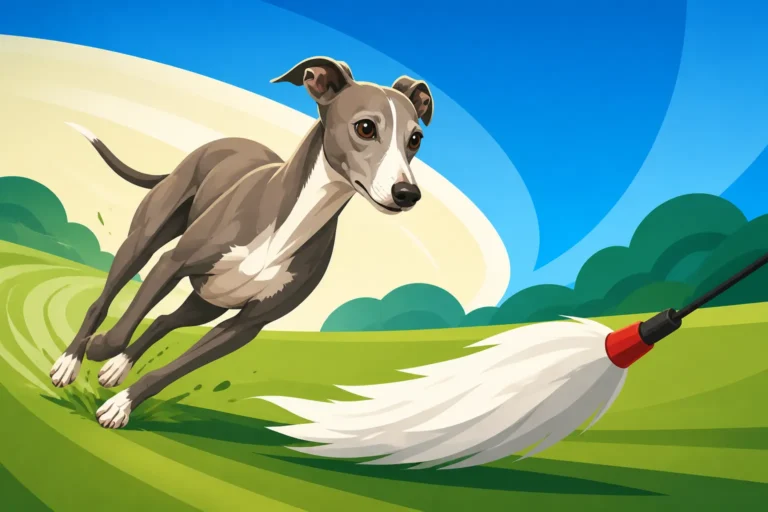
An Italian Greyhound puppy, even a tiny one, can go from zero to sixty in a blink, especially during their famous "zoomies." This burst of energy isn't just fun to watch; it also stimulates their internal systems, often leading to an immediate need to pee or poop. Think of it like a human child needing to use the restroom right after a vigorous play session. If your puppy has just woken up from a nap, had a big play session, or even just finished a particularly exciting training session with treats, their chances of needing a potty break skyrocket.
It's not uncommon for a puppy to wake up, have a drink, engage in a quick play session, and need to go out three times within an hour. This rapid succession of needs can be perplexing for new owners, but it’s entirely normal for a high-energy, fast-metabolizing sighthound puppy. Always factor in a potty break immediately after any period of heightened activity or excitement.
Eating, Drinking, and Sleep Schedules
What goes in must come out, and for Italian Greyhound puppies, this process can be surprisingly fast. Typically, puppies will need to relieve themselves within 5-30 minutes after eating or drinking. If your puppy has just had a big gulp of water after a play session, you can almost set your watch by their need to pee shortly thereafter. Similarly, a bowel movement often follows a meal, sometimes quite predictably.
Sleep also plays a huge role. When your puppy wakes up from a nap, whether it's a short catnap on the sofa or a longer stretch overnight, their bladder will be full. The very first thing you should do upon waking, even before you've fully opened your own eyes, is scoop up your puppy and take them outside. This immediate response prevents accidents and reinforces the correct place to go. Crating an Italian Greyhound Overnight can be a huge help here, as it encourages them to hold it until they are let out first thing in the morning. A consistent feeding and sleeping schedule will naturally lead to a more predictable potty schedule, making your job much easier.
Weather and Environment Considerations
Italian Greyhounds are notoriously sensitive to cold and wet weather. Their thin skin and minimal body fat mean they get chilly incredibly fast. This isn't just an inconvenience; it can actively undo your housetraining efforts. A puppy, especially one new to chilly outdoor conditions, might bolt outside, do a quick pee (or nothing at all), and then scratch frantically at the door to get back in. They're telling you, "I'm cold, I don't want to be out here!" This can be incredibly frustrating when you know they still need to do more.
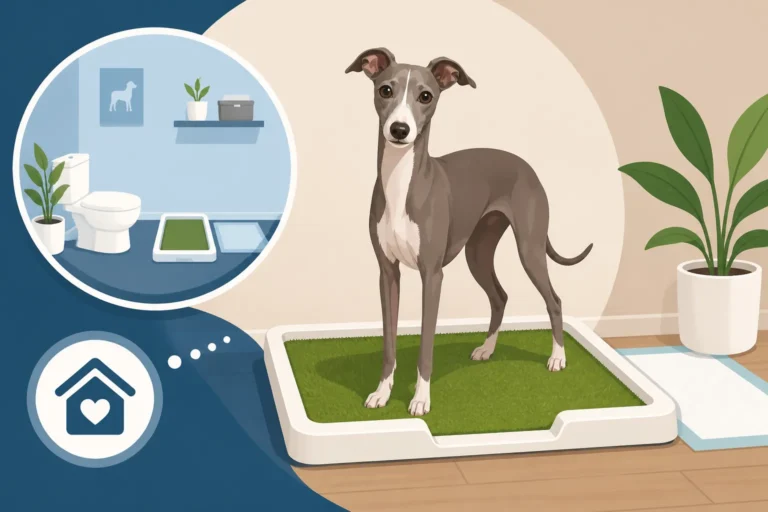
If it's cold, raining, or snowing, your Italian Greyhound puppy needs appropriate clothing, like a warm sweater or a waterproof coat. You might even consider a covered outdoor potty area or a designated indoor potty spot, at least for severe weather. How Cold Weather Undoes an Italian Greyhound's Training is a real phenomenon for this breed. They might even hold it for hours, then have an accident inside rather than face the elements. For this reason, many IG owners consider solutions like indoor grass pads or even Litter Box Training an Italian Greyhound, at least as a backup for inclement weather.
Crafting a Realistic Potty Schedule for Your IG Puppy
Establishing a clear and consistent potty schedule is the single most effective way to housetrain an Italian Greyhound puppy. It removes guesswork for both you and your little dog, building predictable habits that will lead to long-term success. It might feel like you're constantly monitoring the clock, but this intense focus in the early weeks pays dividends.
Hourly Potty Breaks and Structured Time Out
For a young Italian Greyhound puppy (8-12 weeks old), hourly potty breaks are not just recommended, they are absolutely essential. This means setting a timer and sticking to it religiously. Every 60 minutes, even if they've just had a quick pee, take them out again. The goal is to always take them out before they have an accident. This proactive approach teaches them that outside is where they go.
Beyond the hourly rhythm, structure their "out" times around key events:
- Immediately upon waking: Every single time.
- After eating: Within 15-30 minutes.
- After drinking: Within 15-30 minutes.
- After any play session: Even a quick romp.
- Before bedtime: The last thing they do.
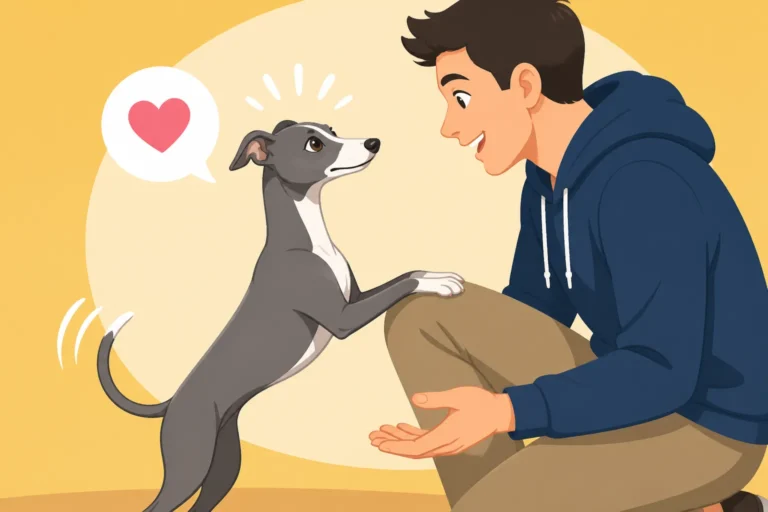
When you take them out, stay with them, use a consistent verbal cue like "go potty," and lavish praise and a high-value treat immediately when they go. Don't wait until they come back inside. That instant reward helps them connect the action with the desired location. Keep them on a leash during potty breaks, even in a fenced yard, to keep them focused on the task and prevent distractions.
Here's a sample schedule for an 8-10 week old Italian Greyhound puppy:
| Time | Activity | Potty Break | Notes |
|---|---|---|---|
| 7:00 AM | Wake up | YES | Immediately out of crate/bed, straight outside. |
| 7:15 AM | Breakfast & Water | YES | After eating. |
| 7:45 AM | Playtime/Training | YES | After play. |
| 8:45 AM | Quiet time/Nap | YES | Before nap. |
| 9:45 AM | Wake up from nap | YES | Immediately after waking. |
| 10:00 AM | Water/Short play | YES | After drinking/play. |
| 11:00 AM | Quiet time | YES | Hourly check. |
| 12:00 PM | Lunch & Water | YES | After eating. |
| … | (Repeat hourly pattern throughout the day) | YES | More frequent if puppy shows signs of needing to go. |
| 6:00 PM | Dinner & Water | YES | After eating. |
| 6:30 PM | Last big play session | YES | After play. |
| 8:00 PM | Final water offer | YES | |
| 9:00 PM | Last potty before bed | YES | Make sure they're completely empty. |
| Overnight | Crated | Potentially | Some young puppies may need one nighttime break. Increase duration by age. |
Remember, this is a basic framework. Your puppy might need more frequent breaks depending on their individual metabolism and activity. The key is to be proactive rather than reactive.
Managing Nighttime Potty Needs
Nighttime housetraining can be particularly challenging, especially for smaller breeds like Italian Greyhounds. While the "hour per month of age" rule applies, a young puppy, particularly under 4 months, may not be able to hold it all night. This is where crate training becomes invaluable. A properly sized crate (just big enough for them to stand up, turn around, and lie down, not so big they can potty in one corner and sleep in another) leverages their natural instinct not to soil their sleeping area.
The last potty break before bed should be thorough. Take your puppy out, wait for them to pee and ideally poop, and then return them to their crate. If your puppy wakes you up in the middle of the night, immediately take them outside, allow them to relieve themselves, and then return them to the crate with minimal fuss. Don't make it a playtime; keep it strictly business. If you ignore their cries, you risk them having an accident in the crate, which can undermine the entire crate training process. Gradually, as they mature, they'll be able to hold it longer. You can learn more about how to make this easier in Crating an Italian Greyhound Overnight.
Mastering Puppy Cues and Preventing Accidents
Even with the most rigorous schedule, your Italian Greyhound puppy will still give you subtle (and sometimes not-so-subtle) cues that they need to go out. Learning to read these signals is crucial for preventing accidents and reinforcing good habits. Catching them before they go is always the goal.
Recognizing Potty Signals
Italian Greyhounds are often quite delicate and observant, and their potty signals can be subtle, especially if they've learned that drawing attention to their need might lead to an unpleasant outdoor experience. Common cues include:
- Sniffing the ground intensely: This is often the first sign they're looking for a spot.
- Circling: They might walk in tight circles, usually with their nose to the ground.
- Suddenly stopping play: If they abruptly disengage from a toy or game, investigate.
- Whining or pawing at the door: Some puppies are very clear about their need.
- Staring at you: If your puppy locks eyes with you and seems unusually restless, it's worth checking.
- Disappearing from sight: If your normally "Velcro" IG puppy suddenly slips into another room or behind furniture, they might be trying to find a private spot for an accident. This behavior is especially common if Why Punishment Makes an Italian Greyhound Hide to Go has happened, meaning they've been scolded for past accidents.
As soon as you see any of these signs, gently but quickly pick up your puppy and take them to their designated potty area. Again, reward instantly and generously when they go in the right spot.
The Art of Interruption and Positive Reinforcement
If you catch your Italian Greyhound puppy in the act of having an accident indoors, the worst thing you can do is yell or physically punish them. This only teaches them to fear you or to hide their potty breaks, making housetraining far more difficult. Instead, interrupt them with a sharp, calm sound like a clap or a quick "Ah-ah!" The goal is to startle them just enough to stop the flow.
Immediately scoop them up and carry them outside to their designated potty spot. Once they finish going outside, even if it's just a few drops, praise them enthusiastically and give them a treat. If they don't finish outside, that's okay too; the important thing is to redirect and reward the outdoor association. Clean up any indoor accidents thoroughly with an enzymatic cleaner (like Nature's Miracle or Rocco & Roxie, widely available on Amazon) to eliminate the scent, which can attract them back to the same spot.
For ongoing training and support, many owners find value in online programs. BAXTER & Bella offers comprehensive puppy training resources, including guidance on housetraining, which can be particularly helpful for managing the specific challenges of Italian Greyhounds. Their programs emphasize positive reinforcement and consistency, which are cornerstones of successful training for this sensitive breed.
Equipping Your Home for Potty Training Success
Setting up your home environment strategically can significantly reduce housetraining accidents and accelerate your Italian Greyhound puppy's understanding of where to go. This isn't just about managing accidents; it's about proactively creating a learning environment.
Confined Spaces and Designated Potty Areas
For such a small breed, a whole house can be overwhelming and make housetraining more challenging. A puppy given too much freedom too soon will simply wander off and have an accident in a hidden corner. This is why confinement is crucial in the early stages. Use a crate for sleeping and short periods when you can't actively supervise. When they are out of the crate, keep them in a puppy-proofed, smaller area, perhaps using an exercise pen or baby gates. Better yet, keep them tethered to you with a leash, a method often referred to as "umbilical cord training," ensuring they are always within your sight.
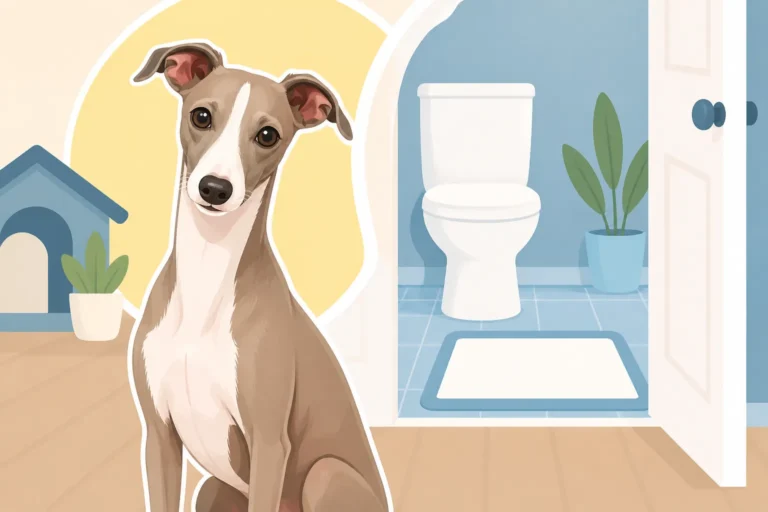
Establish a clear, consistent outdoor potty area. Take your puppy to the exact same spot every time. The familiar scents will encourage them to go. If you are using indoor potty pads or a litter box as an interim solution (especially relevant if you are working towards Moving an Italian Greyhound From Pads to Outdoors), place it in a low-traffic area that is easily accessible but not directly where they eat or sleep. Setting Up an Indoor Bathroom for an Italian Greyhound involves thoughtful placement and consistency.
Cleaning Up and Preventing Future Accidents
Accidents are inevitable during puppyhood, but how you handle them makes all the difference. As mentioned, never punish your puppy. Instead, focus on cleaning thoroughly. Standard household cleaners might remove visible stains, but they often leave behind odors that only a dog can detect. These lingering scents signal to your puppy that this spot is a designated potty area, encouraging them to return.
Enzymatic cleaners are specifically formulated to break down and eliminate these odors at a molecular level. Products like Nature's Miracle or Simple Green Odor Eliminator are excellent choices and readily available on Amazon or at pet stores. Apply the cleaner generously, let it sit according to the product's instructions, and then blot it up. Using a blacklight can also help you identify hidden urine spots that are contributing to repeat accidents. By completely neutralizing these scent markers, you remove the temptation for your Italian Greyhound puppy to use the same spot again.
Remember, patience and persistence are your greatest allies in housetraining an Italian Greyhound puppy. They might be small, but with your consistent guidance, they'll learn the ropes and become a reliable, cherished member of your family. The first year with an Italian Greyhound puppy is a significant investment of time and effort, but it's incredibly rewarding.
Disclaimer
This article is for general informational purposes only and does not constitute professional advice. Laws, prices and regulations vary by location and change over time. Consult a qualified professional for guidance on your specific situation.