Whether Two Italian Greyhounds Are Easier Than One
Many Italian Greyhound owners find themselves contemplating a second one. It's a common thought, especially when you've fallen head over heels for the breed and you see your first IG looking a little lonely sometimes, or perhaps you're just yearning for more of that unique Italian Greyhound charm. But before you dive into the delightful chaos of a multi-IG household, it’s crucial to understand that while having two IGs can bring immense joy and sometimes make certain aspects of ownership feel easier, it's never a simple "twice as easy" equation. This guide will walk you through the realities, challenges, and surprising benefits of bringing a second Italian Greyhound into your life.
The Allure of the Second Italian Greyhound: Why the Thought Even Crosses Your Mind
Let's be honest, it's hard to stop at just one Italian Greyhound once you've experienced their quirky, loving nature. They burrow into your heart as easily as they burrow under blankets. The idea of adding another one often stems from a place of wanting to enhance the life of your current companion and, let's face it, your own life too!
Companionship for Your Current Italian Greyhound
One of the biggest drivers for getting a second Italian Greyhound is the desire for companionship for your existing dog. You see your little shadow, perhaps gazing wistfully out the window when you leave, or maybe you notice they seem a bit bored during the day. It's easy to imagine a second IG as a built-in playmate, a buddy to cuddle with, and someone to share their very specific breed-centric world with. You picture them chasing each other around the living room, snuggled up in a dog pile on the sofa, or even just quietly coexisting, each bringing comfort to the other.
This longing for canine companionship is often well-founded. Italian Greyhounds are incredibly social creatures. They thrive on connection, not just with their human families, but often with other IGs who understand their unique play style and energy. They have a certain way of interacting – the specific "IG games," the way they chase and wrestle, their shared love for warmth and soft places – that might not be fully appreciated or reciprocated by a different breed of dog. A second Italian Greyhound could, in theory, fill those social gaps that you, as a human, simply cannot. The thought that they might entertain each other and reduce their reliance on you for all their social needs is a powerful one. After all, who understands an Italian Greyhound better than another Italian Greyhound? It's a beautiful vision of harmony and shared joy.
The "Velcro Dog" Effect and Your Schedule
Anyone who owns an Italian Greyhound knows the term "Velcro dog" isn't an exaggeration – it's a way of life. They cling to you, follow you from room to room, and prefer to be in physical contact with you almost constantly. This intense attachment, while endearing, can sometimes be a lot, especially if you have a busy life, work outside the home, or simply need a moment to yourself. The constant need for attention can feel overwhelming, leading many owners to wonder if a second dog would alleviate some of that pressure. You might hope that if your Italian Greyhound has another canine companion, they won't feel so utterly lost or lonely when you're occupied or absent.
The theory here is that two Italian Greyhounds will essentially become each other's primary emotional support, diverting some of that intense focus away from you. You imagine them snuggled together, content and secure, rather than pacing or whining at the door. For owners whose IGs struggle with Signs an Italian Greyhound Has Separation Anxiety, the idea of a buddy to soothe those anxieties is particularly appealing. While you still want to be their beloved human, the prospect of dividing that intense attachment and providing a constant companion could, in theory, offer a little more independence for both you and your dogs. It’s about finding a balance where your Italian Greyhound feels loved and secure, even when you can't be their sole focus every second of the day.
Double the Joy, Double the Work? Unpacking the Reality of Two IGs
The romantic notion of two Italian Greyhounds frolicking together is often tempered by the practical realities of owning any two dogs. While companionship can ease certain aspects, it introduces a whole new set of considerations and responsibilities that are definitely more than just "double."
Training and Behavioral Challenges Multiplied
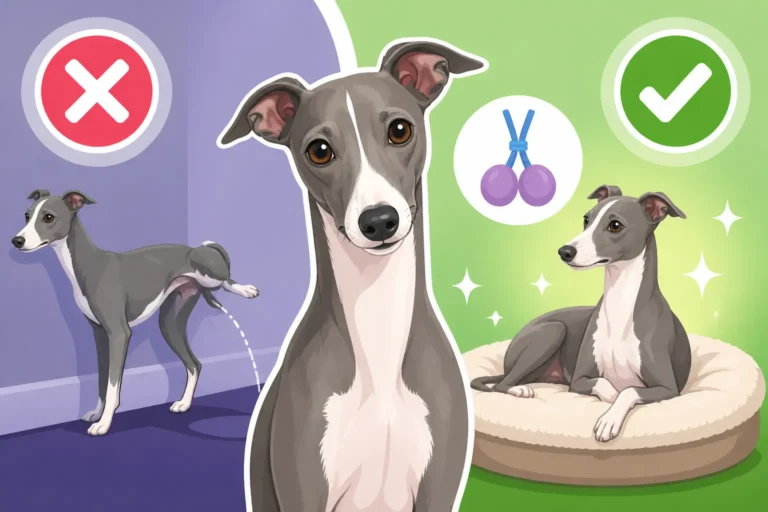
When you bring a second Italian Greyhound into your home, you're not just getting "another dog." You're introducing a new personality, new habits (good and bad), and potentially new dynamics to your existing dog's carefully constructed world. This can significantly multiply training and behavioral challenges. If your first IG isn't perfectly Housetraining an Italian Greyhound Is the Hardest Part of Owning One, adding a second one, especially a puppy, can be a major setback. Puppies learn from older dogs, and if the older dog has "accidents," the puppy might interpret that as acceptable behavior. You might find yourself back at square one, cleaning up messes and feeling frustrated.
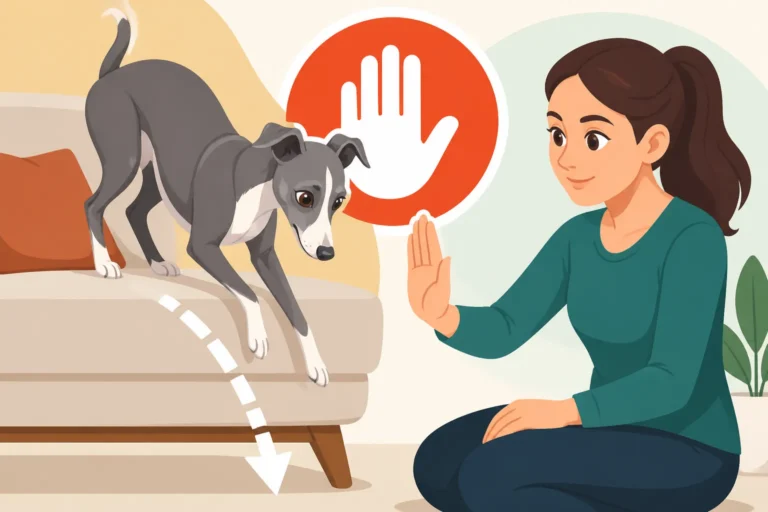
Even well-behaved IGs can develop new quirks when a second dog arrives. Sibling rivalry, resource guarding (over toys, food, or even your lap!), and attention-seeking behaviors can emerge. Training two dogs simultaneously requires immense patience, consistency, and often, separate training sessions to ensure each dog understands the commands without distraction from the other. For instance, if you're trying to teach "stay," one dog might break position because the other one did, making the process much longer. It's not just teaching one dog; it's teaching each dog, and then teaching them how to behave together. This often involves managing two distinct personalities and finding ways to motivate each one individually. Platforms like BAXTER & Bella can be incredibly helpful here, offering structured online training programs that can be adapted for multiple dogs, helping you manage individual lessons and group dynamics. You might even find yourself needing to revisit basic obedience with your older dog to set a stronger example for the newcomer.
Financial Considerations: It's More Than Just Food
Let's talk money, because owning a dog, especially an Italian Greyhound, isn't cheap. Many people assume a second dog just means more food. While food is definitely a recurring cost, it's far from the only, or even the biggest, expense you'll incur. Everything from vet visits to toys, beds, and specialized Italian Greyhound clothing will double, or at least significantly increase. Consider routine veterinary care: annual check-ups, vaccinations, flea and heartworm prevention. For an Italian Greyhound, dental care is particularly critical and often costly. How Common Dental Disease Is in an Italian Greyhound means you're likely facing annual cleanings for both dogs, which can quickly add up.
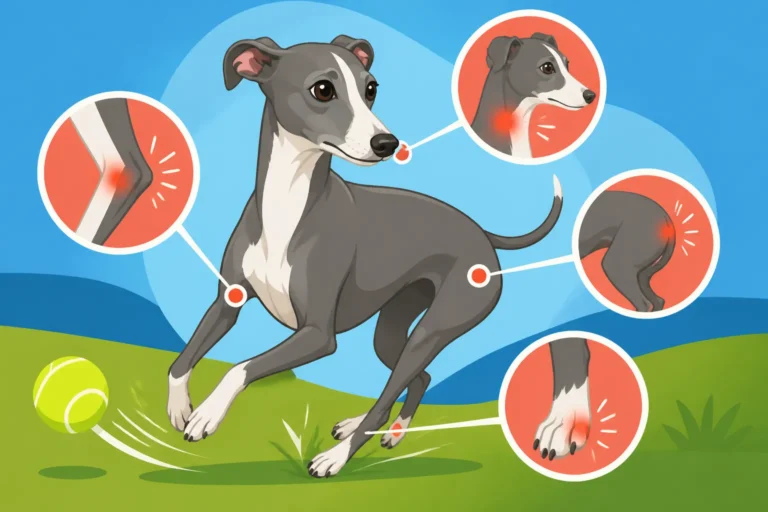
Then there are the potential emergencies. Italian Greyhounds are notoriously prone to leg breaks. A Broken Leg Is the Emergency Every Italian Greyhound Owner Fears and having two increases the statistical likelihood that one of them will experience this at some point. Emergency vet bills can easily run into the thousands. While pet insurance can help, it's another monthly premium to factor in for each dog. Beyond medical, consider the "soft" costs: larger crates, more beds, more blankets (because Why an Italian Greyhound Sleeps Under the Covers isn't just a preference, it's a need!). You'll need extra sweaters, coats, and pajamas, since Clothing an Italian Greyhound Is a Real Budget Line. Even travel costs increase if you need to board two dogs or pay for two seats if they fly in-cabin. When you look at What an Italian Greyhound Costs Per Month for one, it's eye-opening how quickly these expenses multiply with a second. It's not just twice the food; it's twice the entire spectrum of ownership responsibilities and potential financial strain. It truly becomes an exponential jump, not a linear one.
The Unexpected Benefits: When Two IGs Can Be Easier
While the challenges are real and important to acknowledge, there are genuine ways in which owning two Italian Greyhounds can, surprisingly, make certain aspects of life easier or more fulfilling. It's not a magic bullet for all problems, but the right pairing can create a beautiful synergy.
Mitigating Separation Anxiety and Loneliness
One of the most frequently cited reasons for getting a second Italian Greyhound, and often one of the most successful outcomes, is the positive impact on separation anxiety and general loneliness. Italian Greyhounds are deeply social and prone to developing strong attachments, which can manifest as distress when left alone. A second Italian Greyhound can provide invaluable emotional support. Knowing they have a buddy to snuggle with, to play with, or just to nap beside, can significantly reduce the stress and destructive behaviors associated with being home alone. Many owners report that their IGs, who previously would cry, pace, or chew when left, become much calmer and more content in the presence of another IG.
It's not just about managing overt anxiety either; it's about enriching their daily lives. What an Italian Greyhound Does All Day often involves a lot of napping, but also bursts of play. With another IG, these bursts can be shared, leading to mutual exercise and mental stimulation. They can keep each other company during those long stretches when you're at work, making the "alone time" feel far less isolating. This isn't a guaranteed fix, and some IGs may still struggle, but for many, a companion from their own breed category can be incredibly comforting. Studies and anecdotal evidence often point to Whether a Second Italian Greyhound Fixes the Anxiety as a common success story, provided the dogs are well-matched and properly introduced. They become their own little pack, drawing comfort and confidence from each other in your absence, which can be a huge relief for a worried owner.
Reinforcing Positive Behaviors and Play
Another wonderful benefit of a multi-IG household is the way they can positively influence each other's behavior and encourage healthy play. If you have a well-socialized, confident Italian Greyhound, they can be an excellent role model for a new, perhaps shyer or younger, addition. The new dog can learn house rules, potty habits (hopefully good ones!), and appropriate social interactions by observing their older sibling. This observational learning can sometimes accelerate the adjustment period for the new dog, making integration smoother than if they were the sole canine focus.
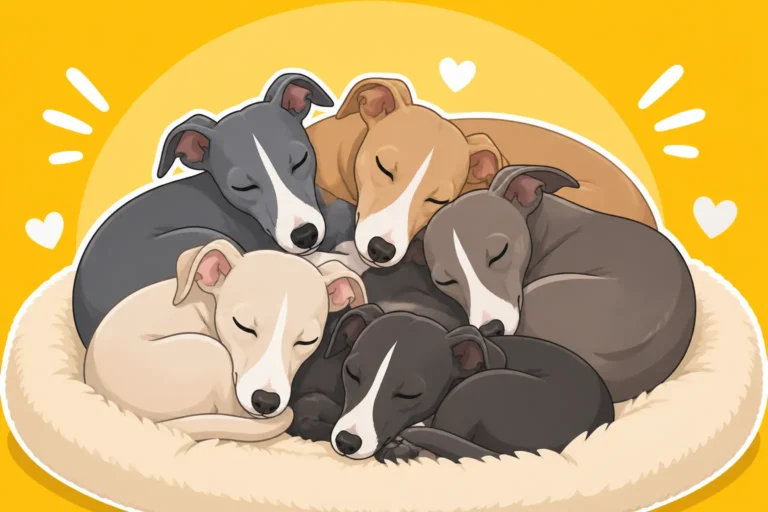
Moreover, the sheer joy of watching two Italian Greyhounds play together is unparalleled. They have a unique play style – a blend of chase, wrestle, and "kill-the-toy" games that often involves a lot of high-speed zipping and dramatic pouncing. This shared activity isn't just fun to watch; it's a fantastic way for them to burn off energy, keeping them mentally and physically stimulated. This can lead to calmer, more settled dogs during downtime. Instead of constantly looking to you for entertainment, they have an outlet in each other. They'll chase each other indoors, engage in quiet games of tug, and eventually, settle down into a glorious pile of limbs and blankets, proving How Italian Greyhounds Sleep in a Pile is not just a myth but a delightful reality. This self-sufficiency in play can actually reduce some of the demands on your time, allowing you to enjoy their companionship without constantly being the primary entertainer.
Making the Transition Smoothly: Introducing a Second Italian Greyhound
Deciding to get a second Italian Greyhound is a big step, and making the transition smooth for everyone involved is paramount. It’s not just about choosing any dog; it’s about choosing the right dog and setting up an environment for success.
Choosing the Right Match
Bringing home a second Italian Greyhound isn't like buying another sweater for yourself; it requires careful consideration of personalities and ages. The goal is to create a harmonious household, not a stressful one. Think about your current Italian Greyhound's personality. Are they shy or outgoing? Dominant or submissive? Do they enjoy playing with other dogs, or are they more of a lone wolf (as much as an IG can be)? Ideally, you want to choose a second dog whose personality complements, rather than clashes with, your existing dog's. For example, if your current IG is timid, bringing in an overly boisterous puppy might overwhelm them. Conversely, a very confident second dog might help a shy dog come out of its shell.
Age also plays a significant role. Bringing a young puppy into a home with an older, more sedate Italian Greyhound can be challenging. The puppy's boundless energy might annoy the senior dog, leading to tension. Many owners find success bringing in a second Italian Greyhound that is close in age or slightly younger but already past the most intense puppy phase. This allows for more compatible energy levels and play styles. Consider the temperament of the new dog – a rescue organization or a reputable breeder can often provide insights into a dog's personality and suitability for a multi-dog household. Don't be afraid to do "meet and greets" in a neutral location before committing, and watch how they interact. A good introduction can make all the difference in establishing a positive relationship from day one. You'll want to avoid any initial play that is too rough, as Why an Italian Greyhound Should Not Play With Large Dogs is a lesson that also applies to overly enthusiastic playmates of any breed, including their own, especially with young IGs.
Strategies for a Harmonious Household
Once you've chosen your new Italian Greyhound, the real work of integration begins. This isn't something to rush. Start with neutral introductions, perhaps on a leash walk in a park, allowing them to sniff and observe each other without the pressure of defending "their" territory. Once at home, supervise all interactions closely. Provide separate resources: separate food bowls, beds, and toys. This helps prevent resource guarding and ensures each dog feels secure in their own space. While they might eventually snuggle together, ensure they each have a safe, personal retreat, perhaps a cozy bed from Amazon or a snuggle sack.
Consistency in training is more important than ever. Both dogs need to understand the house rules. Continue to train your older dog and involve the new dog in training sessions as appropriate, ensuring that everyone gets individual attention. This prevents jealousy and reinforces your bond with each dog. Establish a routine for feeding, potty breaks, and playtime. A predictable schedule helps both dogs feel secure and understand expectations. For instance, if you're working on Teaching an Italian Greyhound to Settle Alone, you'll want to ensure both dogs are practicing this, perhaps in their separate crates initially. Remember, your goal is a peaceful cohabitation where both dogs feel loved and safe. This might mean separate walks initially, or separate playtime, gradually bringing them together as their bond strengthens. It requires patience, observation, and a willingness to adjust your approach as you learn what works best for your specific canine duo. Think about making your home as safe as possible to minimize accidents – Setting Up a House an Italian Greyhound Cannot Break a Leg In is crucial for one, and even more so for two!
Here's a quick look at how owning one Italian Greyhound compares to owning two in some key areas:
| Aspect | One Italian Greyhound (Typical Experience) | Two Italian Greyhounds (Typical Experience) |
|---|---|---|
| Companionship | Highly reliant on human for social interaction; may show separation anxiety. | Built-in companion often reduces loneliness; may still seek human attention. |
| Training Ease | Can be challenging due to sensitive nature; one-on-one focus is easier. | Training can be multiplied; requires more consistency and individual attention. |
| Financial Cost | Significant for vet care, dental, clothing, food over lifetime. | Costs often multiply for vet, dental, food, supplies, insurance. |
| Alone Time | Prone to separation anxiety; needs management and training. | Often more content when left together; anxiety can be mitigated. |
| Play & Exercise | Relies on human or other pets; may have bursts of "zoomies" indoors. | Self-entertaining play between them; shared zoomies; more activity. |
| House Rules | Easier to establish and reinforce for one dog. | Requires strict consistency for both; may regress with new addition. |
| Warmth & Comfort | Needs extra layers, blankets, heated beds. | Still needs layers, but can often huddle together for warmth. |
| Emotional Demand | Can be intensely "Velcro"; requires constant human interaction. | Demands can be somewhat distributed between the two IGs, less intense on human. |
Conclusion
So, are two Italian Greyhounds easier than one? The honest answer is that it's complicated, and often, it means different kinds of challenges and different kinds of ease. You'll likely find that some aspects, particularly the emotional well-being of your dogs and their capacity for self-entertainment, become much simpler with a companion. The sight of them curled up together, deeply content, can be one of the most rewarding experiences of multi-dog ownership. However, the practicalities—training, managing behavior, and especially the financial commitment—are undeniably magnified. It's not a shortcut to an easier life, but rather a different path, one filled with double the love, double the laughs, and yes, double the responsibilities. Ultimately, if you're prepared for the commitment and can provide the resources and attention needed for both dogs, the joy of a two-Italian Greyhound household is truly unparalleled, making the effort profoundly worthwhile.
Disclaimer
This article is for general informational purposes only and does not constitute professional advice. Laws, prices and regulations vary by location and change over time. Consult a qualified professional for guidance on your specific situation.