Housing an Italian Greyhound With a Large Dog
Bringing a delicate Italian Greyhound into a home that already has a larger, perhaps more boisterous, canine companion can feel like walking a tightrope. Owners often worry about the vast size difference, the potential for accidental injury, and whether these two very different dogs can truly coexist peacefully. This guide will walk you through careful introduction strategies, daily management techniques, and crucial safety precautions to help ensure your Italian Greyhound and your big dog become the best of friends, or at least respectful housemates, in a safe and happy environment.
Initial Introductions: Setting the Stage for Success
The very first moments your Italian Greyhound and larger dog spend together can set the tone for their entire relationship. Rushing this crucial stage is one of the biggest mistakes owners make, often leading to anxiety, fear, or even accidental harm. It’s not just about letting them sniff; it’s about creating a controlled, positive, and stress-free environment for both animals to begin building a bond. Remember, your Italian Greyhound is incredibly fragile, and even the most well-meaning large dog can cause serious injury without proper management.
Scent Swaps and Parallel Walks
Before they even lay eyes on each other, let them get to know each other through their noses. Scent is a dog's primary sense, and familiarizing them with each other's scent can help reduce initial apprehension. Try swapping blankets or toys that each dog has slept with. Leave the large dog's bed where the Italian Greyhound can sniff it safely, and vice-versa. Do this for a few days, allowing them to investigate the new scent in their own time and space.
Once they're comfortable with each other's scent, consider parallel walks. This is where both dogs are walked at the same time, by different handlers, but not necessarily interacting directly. Start with a visual barrier between them, like walking on opposite sides of a street or park path. The goal is for them to be aware of each other's presence, seeing each other and experiencing the same environment, without the pressure of direct interaction. This helps them build positive associations (walks are fun!) with the other dog being around. Gradually, you can reduce the distance between them as long as both remain calm and relaxed. A long line can be useful for the larger dog if their recall isn't perfect, allowing you to maintain control while still giving them some freedom.
Supervised First Meetings
When it’s finally time for a direct meeting, choose a neutral, secure outdoor space – a large, fenced yard or an empty park works best. Avoid cramped indoor spaces where either dog might feel trapped or overwhelmed. Ensure both dogs have recently exercised and had a potty break; a tired dog is often a calmer dog. Crucially, both dogs should be on leashes, handled by separate, confident adults. Keep the leashes loose, allowing for natural movement, but be ready to intervene if needed.
The initial greeting should be brief and low-pressure. Allow a quick sniff, then calmly redirect their attention with treats or a short walk. The idea is to create multiple short, positive interactions rather than one long, potentially stressful one. Look for calm, relaxed body language: loose tails, soft eyes, gentle sniffing. Avoid any tension on the leash, stiff bodies, or intense staring. If either dog shows signs of stress (tail tucked, lip licking, yawning excessively, trying to hide, or lunging), immediately increase the distance or end the session. Never force an interaction. Keep these meetings short and frequent, always ending on a good note, and always, always with a physical barrier or leashes between them until you are absolutely certain of their safety together. Even then, full trust takes time. Why an Italian Greyhound Should Not Play With Large Dogs is a crucial read here.
Managing Day-to-Day Life: Safety and Boundaries
Once initial introductions have gone well, the real work of integrating them into daily life begins. This phase is all about careful management, setting clear boundaries, and ensuring the Italian Greyhound’s safety is paramount at all times. Their fragile bones mean that even an accidental bump from a much larger dog can lead to devastating injury, as discussed in Why an Italian Greyhound's Leg Bones Break So Easily. This isn't about blaming the big dog, but about proactive prevention.
Separate Spaces and Designated Retreats
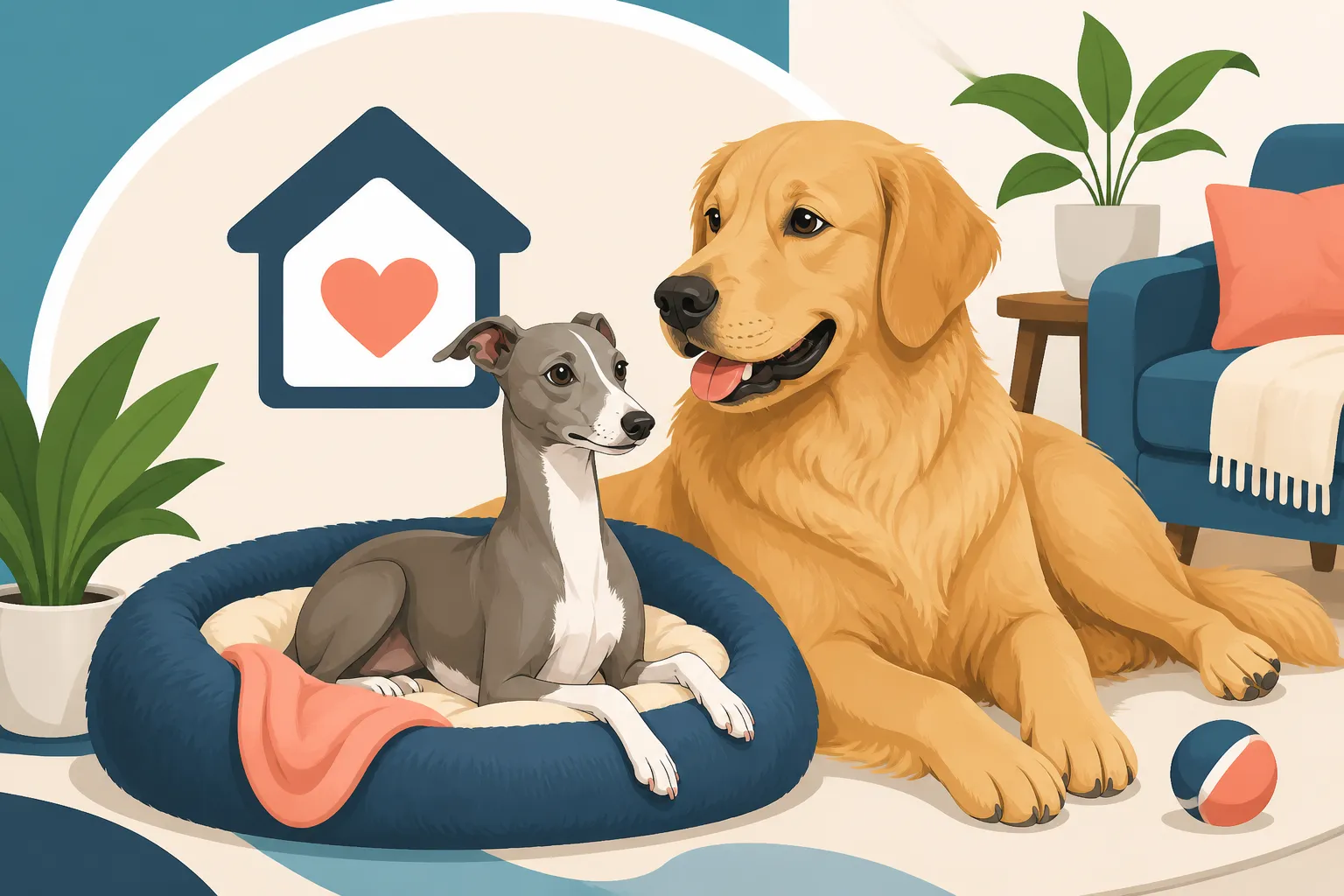
Even the most compatible dogs benefit from having their own designated safe spaces, and for an Italian Greyhound living with a larger dog, this is non-negotiable. These separate areas provide a sanctuary where they can eat, sleep, and relax without feeling threatened or overwhelmed. For your Italian Greyhound, this might be a crate in a quiet room, an elevated dog bed that a large dog can't easily reach, or even a small gated-off area that the larger dog cannot access. These can be easily purchased online through retailers like Amazon, offering a wide array of options for gates and playpens.
Similarly, your large dog should have its own space where it can decompress. This might be a sturdy dog bed in a common area, or a separate room if they need a complete break. Feeding should always happen in separate locations to prevent any potential resource guarding issues, especially when there's a significant size difference. The goal is to build confidence and security in both dogs, ensuring neither feels like their resources (food, toys, attention, space) are under threat. This setup also allows you to manage their energy levels, giving the Italian Greyhound much-needed downtime away from a more rambunctious companion.
Safe Play and Exercise
Playtime between an Italian Greyhound and a large dog requires constant vigilance and strict ground rules. While some larger dogs can be incredibly gentle, the sheer size and weight difference make unsupervised play a high-risk activity. The large dog might not mean any harm, but a clumsy paw, a too-enthusiastic pounce, or even a fast run in a confined space can easily lead to a broken bone for your Italian Greyhound. For this reason, many Italian Greyhound owners simply do not allow rough-and-tumble play between their tiny IGs and their larger companions.
Instead of direct play, focus on parallel activities. Both dogs can enjoy walks together (on leash, of course), or you can play fetch with the larger dog while the Italian Greyhound observes from a safe distance, perhaps in a playpen or on a secured leash. Mental stimulation is also key for both dogs; puzzle toys, scent work, and training sessions can be done separately or simultaneously in a managed environment. If they do interact, ensure it's calm, supervised sniffing or gentle grooming. Any signs of escalation, even perceived playful nips or body slams from the larger dog, should result in immediate separation. Consider using a training platform like BAXTER & Bella, which often has resources on teaching calm manners and impulse control to larger dogs, which is invaluable for a multi-dog household.
Feeding Time Logistics
Feeding time, as mentioned, is a prime moment for potential conflict in any multi-dog household, but especially with a large disparity in size. It's not just about competition over food bowls, but also the risk of a larger dog accidentally stepping on or knocking over a smaller dog in their excitement. The simplest and safest solution is to feed your Italian Greyhound and larger dog in separate rooms or crated areas.
Ensure both dogs have ample time to eat their meals undisturbed. If one dog is a fast eater and the other is a grazer, you might need to put away the fast eater's bowl once they are done, or simply keep them separate for longer. This routine eliminates any stress or anxiety around food, making mealtime a peaceful experience for everyone. Always clean up any dropped food promptly, as even a stray kibble can become a point of contention. This strict separation also applies to high-value treats and long-lasting chews. Never leave these items accessible to both dogs unsupervised, as guarding behavior could develop.
Addressing Common Challenges: Preventing Mishaps
Even with the best intentions and careful management, challenges can arise when housing dogs of vastly different sizes. Being proactive and understanding potential pitfalls can help you prevent accidents and maintain peace. The goal is to anticipate problems before they happen, recognizing that your Italian Greyhound's delicate nature means the stakes are incredibly high.
Understanding Play Styles
Large dogs often have a very different play style than a toy breed like an Italian Greyhound. A Great Dane's idea of a playful pounce might be a gentle invitation to another large dog, but to a 10-pound Italian Greyhound, it's a terrifying, potentially bone-breaking threat. Larger dogs use their bodies, mouths, and weight in play, which is perfectly natural for them but completely inappropriate for an Italian Greyhound. They might not understand that the Italian Greyhound is not built to withstand their typical roughhousing.
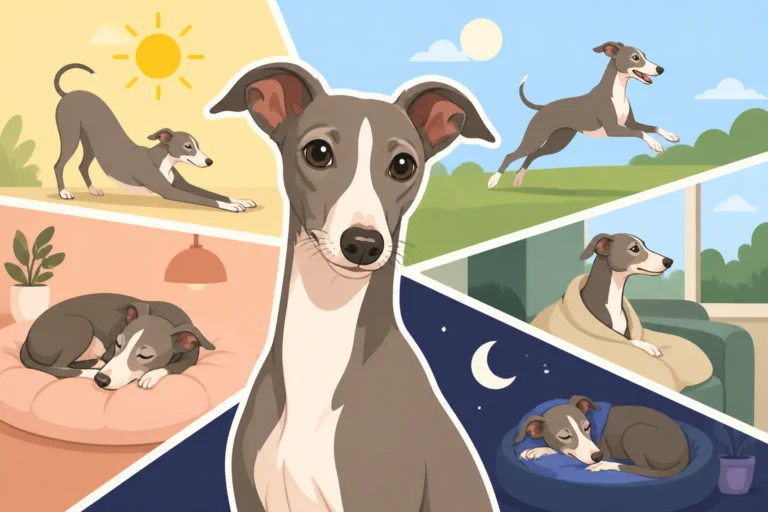
It's your job to translate and mediate. Teach your larger dog that "play" with the Italian Greyhound means calm, gentle interaction, or no physical play at all. This might involve rewarding calm behavior around the Italian Greyhound and redirecting high-energy play with the larger dog to appropriate outlets, like a game of fetch with you or a designated chew toy. Understanding that a large dog's "gentle" is still too much for an IG is key. Never assume they'll just "figure it out" or "be careful." What an Italian Greyhound Does All Day often involves a lot of napping and quiet cuddles, not wrestling.
Preventing Accidental Injury
This is arguably the most critical aspect of housing an Italian Greyhound with a large dog. Accidents happen in a blink. A large dog jumping off a sofa, running quickly through a doorway, or even just wagging its tail with enthusiasm can inadvertently injure a tiny Italian Greyhound. Their delicate legs, particularly the radius, are prone to fractures from seemingly minor incidents. The Age an Italian Greyhound Is Most Likely to Break a Leg is often during puppyhood, but the risk never truly disappears.
To mitigate this risk:
- Constant Supervision: Never leave them unsupervised, especially when young or still acclimating. If you can't actively supervise, separate them.
- Create Physical Barriers: Use baby gates, exercise pens, or crates to create safe zones where the Italian Greyhound can be without fear of accidental bumps. You can find many reliable and sturdy options for these on Amazon.
- Ramps and Steps: Provide ramps or steps for furniture, ensuring the Italian Greyhound doesn't attempt dangerous jumps, and also preventing the larger dog from accidentally knocking them off when getting on or off the furniture. See Ramps and Steps for an Italian Greyhound's Furniture.
- Teach Impulse Control: Work with your large dog on commands like "stay," "leave it," and a solid "go to your bed" command to manage their excitement around the Italian Greyhound. Training programs like BAXTER & Bella can offer excellent resources for these types of behavioral modifications.
- Secure Doors: Ensure doors are always closed when the Italian Greyhound is loose, to prevent them from darting out and potentially being trodden on by a rushing larger dog.
Handling Resource Guarding
Resource guarding can manifest as a dog protecting food, toys, sleeping spots, or even human attention. While it can occur between any dogs, the size disparity here adds a layer of danger. A large dog guarding a toy from a small Italian Greyhound could result in injury if the IG tries to approach. Similarly, an Italian Greyhound, despite its size, might try to guard a prime sleeping spot, which could lead to an intimidating growl or snap from the larger dog.
Prevention is better than cure.
- Separate Resources: As mentioned, feed separately. Provide multiple sets of toys, and encourage play with specific toys in separate areas.
- Manage High-Value Items: Avoid leaving high-value chews or treats out when both dogs are together. Distribute them when dogs are safely separated.
- Monitor Interactions: Watch for subtle signs of tension around resources – stiff body language, freezing, growling, or staring. Intervene immediately by calmly redirecting both dogs.
- Positive Reinforcement: Reward both dogs for being calm and sharing (when appropriate and safe) or for disengaging from a resource when asked. Building a strong "leave it" command for both dogs is invaluable.
Creating a Harmonious Household: Fostering Friendship
Beyond just preventing accidents, the ultimate goal is to foster a positive, respectful, and even loving relationship between your Italian Greyhound and your larger dog. This takes time, patience, and a consistent approach, but the rewards of a truly harmonious multi-dog home are immeasurable.
Training for Calmness
Training isn't just for puppies; it's an ongoing process that benefits all dogs and is particularly important in a multi-dog household. For the larger dog, focus on impulse control, a solid "settle" or "place" command, and teaching them to be gentle around the smaller dog. This means rewarding calm behavior, like lying down quietly when the Italian Greyhound is nearby, rather than jumping up or trying to initiate rough play. This also applies to the Italian Greyhound, teaching them to respond to cues like "stay" or "come" to ensure their safety and prevent them from inadvertently getting into trouble or annoying the larger dog.
Utilizing positive reinforcement methods for both dogs will strengthen your bond with each of them individually and make them more receptive to your guidance. Consistency is key; everyone in the household needs to be on board with the rules and expectations. A well-mannered large dog is a safer companion for a fragile Italian Greyhound. A good online training resource, like BAXTER & Bella, can provide structured programs to help with these vital skills.
Reinforcing Positive Interactions
Actively create opportunities for positive, low-stress interactions. This means rewarding both dogs whenever they are calmly coexisting. If your large dog is lying quietly while your Italian Greyhound naps nearby, offer a gentle praise and a small treat to the large dog. If your Italian Greyhound chooses to relax near the large dog without fear, reward them too. These small moments build positive associations over time.
Shared calm activities, such as quiet cuddle time on the sofa (with the Italian Greyhound safely in your lap or on a secured cushion, and the larger dog on its own bed), or parallel walks where they enjoy the environment together, can strengthen their bond. Remember, bonding doesn't always look like exuberant play. Sometimes, simply sharing space peacefully and comfortably is the deepest form of companionship. Ensure they both get individual attention and affection from you daily, so neither feels neglected or jealous. The Velcro Dog: What Constant Company Means With an Italian Greyhound highlights their need for closeness, which can sometimes extend to their canine companions too.
Recognizing When It's Not Working
While most Italian Greyhounds and large dogs can learn to coexist, it's important to be realistic. Sometimes, despite your best efforts, a truly harmonious and safe relationship simply isn't possible. This could be due to an overly high prey drive in the larger dog that views the Italian Greyhound as prey, extreme fear or aggression in either dog that cannot be managed, or a large dog whose energy and play style are simply too uncontrollable to guarantee the Italian Greyhound's safety.
Signs that it might not be working include:
- Persistent fear or anxiety in the Italian Greyhound when the large dog is around.
- Repeated aggressive displays (growling, snapping, lunging) from either dog.
- Accidental injuries occurring despite strict management.
- Constant stress for you as the owner, living in a state of hyper-vigilance.
If you find yourself in this situation, it's crucial to consult with a professional, certified dog behaviorist. They can offer an objective assessment and tailored strategies. In rare, extreme cases, it might be necessary to consider rehoming one of the dogs for the safety and well-being of all involved. This is a heartbreaking decision, but sometimes it is the most responsible one. Your Italian Greyhound's lifespan is typically long, as discussed in Why an Italian Greyhound Lives Fourteen to Fifteen Years, and you want those years to be filled with joy, not constant stress or fear of injury.
Management Strategies for Different Scenarios
To help visualize how daily life can be structured, here’s a breakdown of considerations based on common household situations.
| Scenario | Italian Greyhound's Needs | Large Dog's Needs | Management Strategy |
|---|---|---|---|
| Feeding Time | Small bowl, quiet, undisturbed space. | Larger bowl, ample space to eat comfortably. | Always feed in separate rooms or secure crates. Supervise until both are finished and bowls are put away. Use slow feeder bowls for fast eaters. |
| Playtime (Indoors) | Low-impact games, mental stimulation, safe observation. | Energy outlet, rough play with appropriate toys/people. | Avoid direct physical play between them. Play fetch with the large dog in a separate area or while the IG is safely crated/gated. Offer puzzle toys to the IG. Supervise any calm interactions. Consider separate enrichment activities. |
| Playtime (Outdoors) | Secure leash walks, controlled running in safe areas. | Space to run, scent explore, supervised off-leash play. | Always walk together on leashes. If the large dog is off-leash, the IG should be on-leash or in a secure, separate area. Ensure fencing is adequate for both dogs if off-leash, per Which Fence Height Contains an Italian Greyhound. |
| Resting/Sleeping | Warm, soft, elevated bed or protected nook. | Comfortable bed, often prefers open space. | Provide distinct, comfortable sleeping areas. Consider raised beds or snuggle sacks for the IG. Ensure the large dog's bed isn't in a high-traffic area where the IG might get stepped on. Blankets and heated beds for the IG are a must, given Why a Nine Pound Italian Greyhound Gets Cold on the Table. |
| Greeting Visitors | Prone to fear-peeing, easily overwhelmed. | Can be overly enthusiastic, prone to jumping. | Manage arrivals: Italian Greyhound should be crated or behind a gate. Large dog should be on a leash or in a "place" command. Introduce them one at a time, reinforcing calm behavior. |
| When You're Away | Prone to separation anxiety, needs secure confinement. | Can be destructive if bored, needs space. | Always separate. Crate the Italian Greyhound for safety, ensuring it's a positive space. The large dog can be crated or left in a dog-proofed area. Consider a dog sitter or specific daycare that understands multi-dog dynamics. How Long an Italian Greyhound Copes Alone covers important considerations for IGs being left alone. |
| Car Travel | Needs secure carrier for safety. | Can ride unrestrained or in a large crate. | Italian Greyhound must be in a crash-tested carrier. Large dog can be safely secured with a seatbelt harness or in a large crate. Ensure the IG's carrier is placed where it won't be jostled by the larger dog. How an Italian Greyhound Rides in a Car provides specific guidance on IG car safety. |
Remember, consistency across all these scenarios is the bedrock of success. Every family member needs to understand and implement these rules to create a safe and loving environment for both your Italian Greyhound and your large dog.
Disclaimer
This article is for general informational purposes only and does not constitute professional advice. Laws, prices and regulations vary by location and change over time. Consult a qualified professional for guidance on your specific situation.