Signs an Italian Greyhound Is Overweight
It's easy to fall in love with an Italian Greyhound and want to spoil them, but sometimes that spoiling can lead to a few extra pounds that can seriously impact their delicate health. Because they are so slender to begin with, a little weight gain can be hard to notice, or even dismissed as "filling out." This guide will help you understand the subtle signs your Italian Greyhound might be carrying too much weight and why it’s so important to address it early.
The Subtle Shift: Why Italian Greyhounds Get Overweight
Italian Greyhounds are often described as "frail" or "delicate," which isn't entirely accurate, but they certainly have a very lean, fine-boned structure. This unique build can sometimes make it tricky for owners to correctly assess their weight, leading to unintentional overfeeding or under-exercising.
Their Delicate Build Can Mask Early Weight Gain
When you first bring home an Italian Greyhound, their prominent ribcage and defined tuck-up are often quite striking. They are built for speed and agility, not for carrying extra cushioning. However, this very leanness can be deceptive. A few extra pounds on a breed that weighs, say, 20-30 pounds, might be very obvious. But on an Italian Greyhound, who typically weighs between 7 and 14 pounds, those same few pounds represent a much larger percentage of their body weight.
What often happens is that owners, seeing a dog that looks "too thin" by the standards of other breeds, might consciously or unconsciously feed them a little more. They might worry about those visible ribs, even though visible ribs are often perfectly normal for a healthy Italian Greyhound. As a result, the dog gains a little weight, and instead of those ribs being easily felt but not seen, they become slightly covered. The owner might then think, "Ah, perfect, they've filled out!" without realizing that this "filling out" has actually moved them from a healthy lean state to being slightly overweight, where the health risks begin. It's a perception issue, where our human inclination to see "fullness" as health can be detrimental to a breed designed for leanness.
The Calorie Creep: How Small Changes Add Up
It's rarely one big change that leads to an Italian Greyhound becoming overweight. More often, it's a slow and steady accumulation, what I like to call "calorie creep." Think about it: a small dog needs very few calories. A single dog biscuit meant for a medium-sized dog could be half an Italian Greyhound's daily caloric intake. And those little nibbles from your plate? A sliver of cheese here, a tiny bit of chicken there – it all adds up shockingly fast.
Beyond food, a slight decrease in activity can also contribute. Perhaps the weather has been persistently rainy or cold, leading to shorter walks or fewer outdoor play sessions. An Italian Greyhound might normally get How Much Exercise an Italian Greyhound Needs but if you've been skipping those longer outings because it's When to Skip an Italian Greyhound's Winter Walk, their energy expenditure drops, but their food intake might not. Even just being a little more sedentary at home, perhaps spending more time snuggled on the sofa instead of engaging in indoor zoomies, can tip the scales. It's these seemingly insignificant daily occurrences that, over weeks and months, can result in your Italian Greyhound silently gaining weight without any obvious changes in their routine.
Early Warning Signs: Visual Cues of Weight Gain
Catching weight gain early is paramount for Italian Greyhounds. While a few extra pounds might seem trivial on a larger breed, for our delicate Iggies, it can signify a significant health risk. Knowing what to look for visually is your first line of defense.
The Rib Test: Feeling for Those Bony Landmarks
This is one of the most reliable and fundamental ways to gauge your Italian Greyhound's weight. A healthy Italian Greyhound should have ribs that are easily felt but not necessarily visible without pressing. When they are at an ideal weight, you should be able to run your flat palm along their side and distinctly feel each individual rib bone with minimal pressure. It should feel like feeling the knuckles on the back of your hand when your hand is flat.
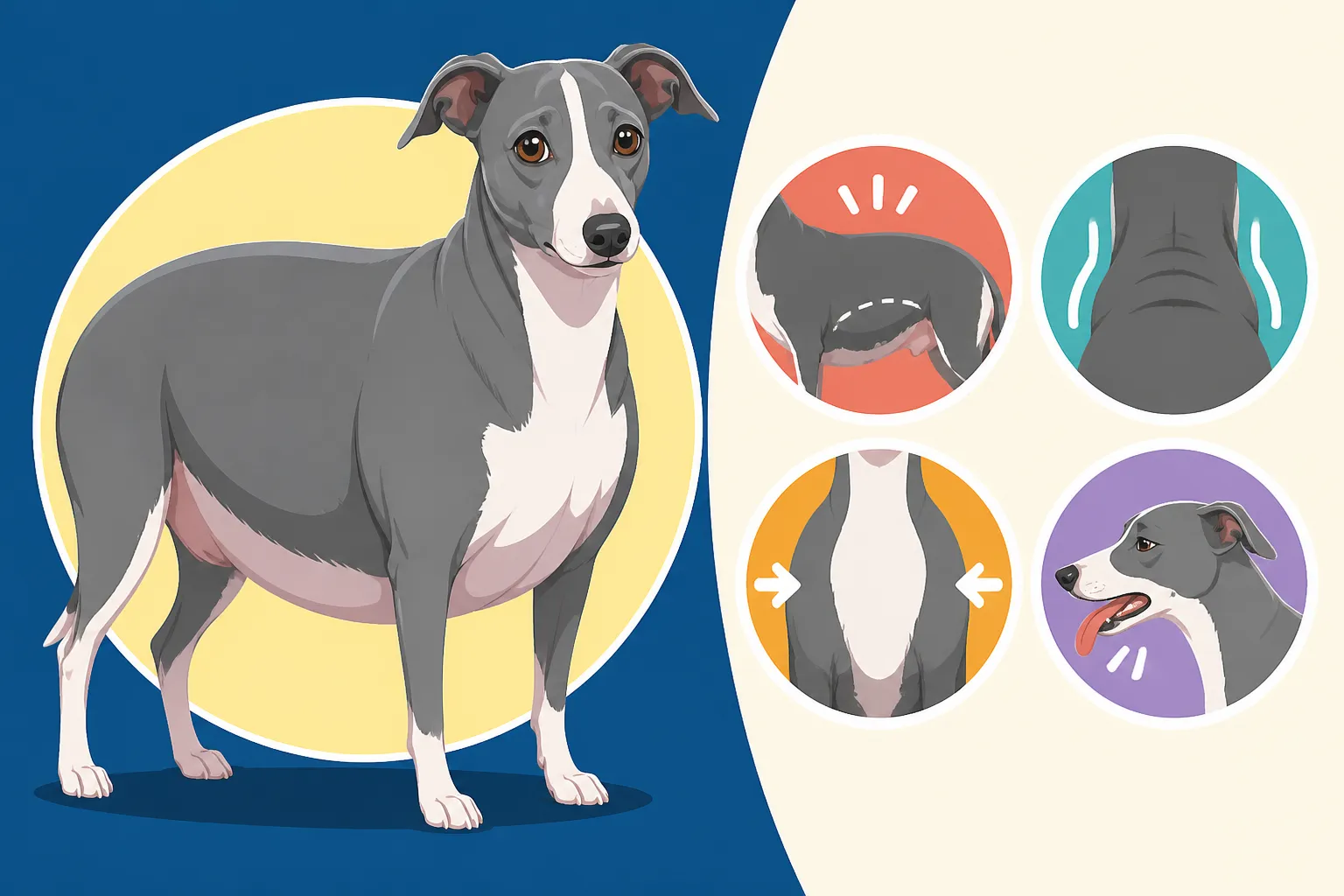
If you start to notice that you have to press a bit harder to feel the ribs, or that they feel like they're covered in a thin layer of padding, that's a red flag. It means there's a layer of fat obscuring what should be readily palpable bone. If you can't feel them at all without really digging, your Iggy is definitely carrying too much weight. This isn't about seeing every single rib; that's often a sign of being underweight. It’s about that gentle, distinct prominence that tells you there's no excess fat cushioning those vital structures. Regularly performing the "rib test" – gently running your hands over your dog's sides – becomes a crucial part of your routine. It's a simple tactile check, but it provides invaluable insight into their body condition. How to Feel an Italian Greyhound's Ribs has more details on this important check.
The Waistline and Tummy Tuck: Changes in Body Shape
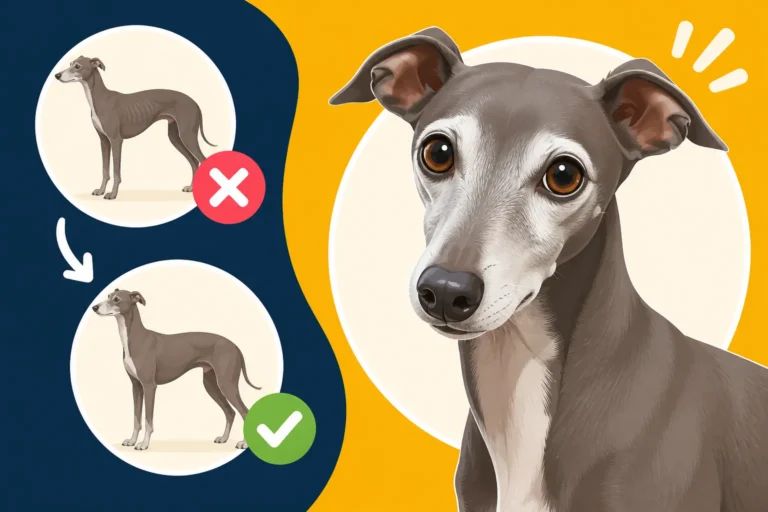
Italian Greyhounds are known for their elegant, aerodynamic silhouette. From above, a healthy Italian Greyhound should have a distinct "waist" where their body narrows behind the ribcage, almost like an hourglass figure. From the side, they should exhibit a dramatic "tummy tuck" – the abdomen should rise sharply from the bottom of the ribcage to the groin, creating a deep, athletic curve. This is not just for aesthetics; it's a functional design that allows them to run and breathe efficiently.
When an Italian Greyhound starts to gain weight, these defining characteristics begin to soften and disappear. The waistline, when viewed from above, becomes less defined and more straight or even bulges out. The dramatic tuck-up from the side starts to sag, flattening out or becoming more rounded. If you notice their profile starting to look more like a sausage and less like a graceful, arched sighthound, it's a clear visual cue that they're accumulating extra fat. Pay close attention to these subtle changes in their overall body shape, especially after baths or when they are standing naturally, as their posture can sometimes temporarily hide a less defined waist.
Behavioral Indicators of an Overweight Italian Greyhound
Beyond what you see and feel, your Italian Greyhound's behavior can also offer critical clues about their weight. Sometimes, these behavioral shifts are even more telling than visual signs, especially if the weight gain has been subtle.
Energy Levels and Reluctance to Play
A healthy Italian Greyhound is a bundle of latent energy, even if they spend a good portion of the day napping. When they're awake, they should be eager for walks, happy to chase a toy, and prone to spontaneous bursts of running and jumping, often referred to as "zoomies." The Indoor Zoomies an Italian Greyhound Gets are a common sight in these dogs. If your normally spirited Iggy starts seeming more sluggish, less interested in playtime, or reluctant to engage in their usual antics, it could be a sign that extra weight is making them uncomfortable.
Imagine carrying a backpack filled with a few extra bricks all day; every movement becomes more effortful. It’s the same for an overweight Italian Greyhound. They might still enjoy a short walk, but they'll tire more quickly. They might eye their favorite toy with less enthusiasm or opt for another nap instead of joining in family activities. This isn't laziness; it's often a physical burden. Watch for changes in how quickly they settle after activity, how enthusiastically they greet you for a walk, or if they start declining invitations to play altogether. These subtle shifts can be an early indicator that their body is struggling under the added weight.
Difficulty with Movement and Breathing
Another significant behavioral sign that often accompanies weight gain in Italian Greyhounds is a noticeable difficulty with movement and changes in their breathing patterns. Their lean frame is not designed to support extra bulk, and when they carry excess weight, it puts undue strain on their delicate joints, heart, and lungs. You might observe them struggling with tasks that were once easy, such as jumping onto the sofa, navigating stairs, or even just standing up after a long nap. They might hesitate, seem stiffer, or even visibly labor with these movements.
Beyond movement, pay close attention to their breathing. After even mild exertion – a short walk, a brief play session – an overweight Italian Greyhound might pant more heavily, for a longer duration, than a dog at a healthy weight. Their breathing might sound more labored, and they could seem out of breath faster. This is particularly noticeable in warmer weather, where their body has to work harder to cool itself while also moving extra weight. How an Italian Greyhound Handles Summer Heat highlights how sensitive they are to temperature, and extra weight only exacerbates this. If you hear a slight wheeze or notice them needing to stop and catch their breath more often, it’s a strong signal that their cardiovascular system is under stress from carrying those extra pounds.
Health Implications and Long-Term Risks
It's not just about aesthetics; being overweight poses serious health risks for Italian Greyhounds. Their unique physiology means that even a small amount of extra weight can have disproportionately severe consequences compared to other breeds. Understanding these implications is key to motivating preventive care.
Increased Risk of Joint Issues and Fractures
One of the most concerning risks for an overweight Italian Greyhound is the increased strain on their already delicate skeletal structure. Italian Greyhounds are notoriously prone to bone fractures, especially of the long bones in their legs. Why an Italian Greyhound's Leg Bones Break So Easily is a reality many owners face, and excess weight significantly exacerbates this vulnerability. Imagine their fine, almost bird-like bones trying to support an extra pound or two; it's like asking a ballerina to perform with weights strapped to her ankles. The added stress on their joints, particularly their knees and hips, can lead to premature arthritis or worsen existing conditions.
Even a seemingly minor jump or misstep that a healthy Iggy might recover from could result in a serious fracture for an overweight one. The cushioning around the joints might seem beneficial, but it's typically soft tissue fat that doesn't provide the structural support their bones need. Over time, this constant added pressure can wear down cartilage, cause inflammation, and lead to chronic pain and reduced mobility. Furthermore, if an Italian Greyhound does suffer a fracture, an overweight status can complicate surgery and recovery, as the increased bulk makes it harder for the veterinary team and puts more strain on internal fixations. It's a vicious cycle where weight gain increases fracture risk, and a fracture can then make it harder to exercise and lose weight. Don't forget that Arthritis in an Italian Greyhound's Healed Leg is also a concern for this breed, and extra weight can make that more likely or more severe.
Other Health Concerns Linked to Excess Weight
Beyond skeletal issues, an overweight Italian Greyhound faces a host of other serious health challenges that can significantly shorten their lifespan and diminish their quality of life. Just like in humans, obesity in dogs is a gateway to numerous chronic diseases. The cardiovascular system takes a hit, with increased risk of heart disease and high blood pressure, making the heart work harder to pump blood through the extra tissue. This can manifest as lethargy or difficulty breathing, as we discussed earlier.
Metabolic disorders like diabetes are also more common in overweight dogs. The body's ability to regulate blood sugar can become impaired, leading to a need for lifelong insulin injections and dietary management. Excess fat can also accumulate around internal organs, like the liver, leading to conditions such as fatty liver disease. Moreover, being overweight can compromise the immune system, making them more susceptible to infections and other illnesses. Even procedures requiring anesthesia, such as dental cleanings (which Italian Greyhounds frequently need), become riskier due to the added strain on their heart and respiratory system. Why Anesthesia Is Handled Differently in an Italian Greyhound is a critical read for any owner facing a procedure. Essentially, every system in their delicate body is put under additional stress, leading to a higher likelihood of disease and ultimately, a potentially shorter life. Why an Italian Greyhound Lives Fourteen to Fifteen Years when healthy, but obesity can significantly cut that short.
Here's a quick reference guide to help you assess your Italian Greyhound's body condition:
| Feature | Underweight | Ideal Weight | Overweight | Obese |
|---|---|---|---|---|
| Ribs | Clearly visible, easily felt with no touch | Easily felt with minimal fat cover, not visible | Difficult to feel under a layer of fat | Very difficult to feel or not palpable |
| Waistline | Very pronounced hourglass shape | Distinct hourglass shape from above | Little to no waist definition from above | No waist, broad or bulging back |
| Abdominal Tuck | Extreme tuck-up | Pronounced tuck-up from the side | Minimal tuck-up, abdomen nearly straight | Abdomen sags or is distended |
| Spine/Hips | Easily visible and prominent | Easily felt with minimal fat cover | Palpable with some pressure, possibly padded | Difficult to palpate |
| Energy Level | May be low due to lack of muscle/fat | Energetic, playful, good stamina | Lethargic, less active, tires easily | Very low energy, reluctant to move |
Note: This table provides general guidelines. Always consult your veterinarian for a precise assessment of your Italian Greyhound's body condition.
Taking Action: Helping Your Italian Greyhound Reach a Healthy Weight
If you've noticed any of these signs, don't despair! The good news is that weight management is often within your control. With a few thoughtful adjustments, you can help your Italian Greyhound return to their ideal, healthy weight.
Reassessing Diet and Portion Control
The first and most impactful step in helping an overweight Italian Greyhound is to meticulously reassess their diet. It's incredibly easy to overestimate how much food these small, low-body-fat dogs truly need. Start by measuring their food precisely. Don't just eyeball it; use a dedicated measuring cup. If you've been filling the bowl, chances are you're overfeeding. Check the feeding guidelines on your dog food bag, but remember these are often generic and might need to be adjusted down for a less active or smaller-sized Italian Greyhound. A good starting point is usually on the lower end of the recommended range for their target ideal weight, not their current weight. For example, How Many Cups a Day an Adult Italian Greyhound Eats is typically far less than owners assume.
Beyond kibble, be brutally honest about treats and table scraps. Even tiny bits add up. Consider replacing high-calorie treats with healthy, low-calorie alternatives like small pieces of carrot, green beans, or even just a single piece of their regular kibble used as a reward. If your Italian Greyhound is a picky eater, as many can be, ensure they're actually finishing their meals before offering anything else that could be adding unnecessary calories. Some owners find success with fresh food options, as they can be more nutrient-dense and often come with precise portioning guides. Brands like Ollie, for instance, tailor meals to your dog's specific needs, which can be a game-changer for weight management. Alternatively, many traditional kibble brands available on sites like Chewy offer specific "weight management" or "light" formulas that are lower in calories and higher in fiber to help them feel full. Switching to one of these, after consulting your vet, can be very effective.
Tailoring an Exercise Routine
Diet goes hand-in-hand with exercise. While Italian Greyhounds are not endurance athletes, they do require consistent, appropriate activity to maintain a healthy weight and strong muscles. If your Iggy is currently overweight, it's crucial to start slowly and gradually increase their activity levels to avoid injury or overexertion. Think of it as building their fitness back up. Instead of one long, strenuous walk, perhaps start with two shorter, brisk walks daily.
Incorporate play sessions into your routine. Chasing a lure toy in a secure, carpeted area indoors, or supervised play in a safely fenced yard, can burn calories and engage their sighthound instincts. Consider structured walks in varied environments, ensuring they're on a leash or in a Where an Italian Greyhound Can Run Safely to prevent them from bolting after perceived prey. For example, a long line in an open field can allow for more freedom than a standard leash without the risk of them getting lost. Remember that consistent, moderate exercise is far more beneficial than sporadic, intense bursts that could lead to injury. Always be mindful of the weather, especially extreme heat or cold, and ensure your Italian Greyhound is appropriately dressed in colder temperatures to stay comfortable and motivated to move.
Regular Vet Check-ups and Monitoring
Perhaps the most important step in managing your Italian Greyhound's weight is partnering with your veterinarian. They are your best resource for a personalized weight loss plan. During routine check-ups, your vet will perform a thorough physical examination, including a Body Condition Score (BCS), which is a standardized way to assess an animal's fat reserves. This isn't just about weight on a scale; it's about evaluating their body composition, something they are trained to do accurately.
Your vet can help you determine your Italian Greyhound's ideal weight range and calculate a target daily calorie intake. They can also rule out any underlying medical conditions that might be contributing to weight gain, such as an underactive thyroid (hypothyroidism). Regular weigh-ins at the vet's office are crucial, not just annually, but perhaps monthly or bi-monthly during a weight loss journey. You can also monitor their weight at home with a reliable pet scale. How Often an Italian Greyhound Should Be Weighed to track progress is key. Your vet can provide guidance on appropriate food choices, exercise modifications, and help you set realistic goals for safe and effective weight loss. Remember, consistency and patience are vital, and your vet is there to support you every step of the way.
Disclaimer
This article is for general informational purposes only and does not constitute professional advice. Laws, prices and regulations vary by location and change over time. Consult a qualified professional for guidance on your specific situation.