What Happens If an Italian Greyhound’s Nails Get Long
It's an all too common scenario for Italian Greyhound owners: you hear that tell-tale click-clack across your hardwood floors, a sound that might seem innocuous at first, but is actually a glaring signal that your beloved companion's nails are far too long. This isn't just about aesthetics or a minor inconvenience; overgrown nails on an Italian Greyhound can lead to a cascade of painful health issues and significant behavioral challenges that can impact their delicate structure and overall well-being. This comprehensive guide will walk you through the very real consequences of neglecting your IG's nail care, from immediate discomfort to long-term health problems, and provide actionable steps to keep those precious paws healthy.
The Immediate Discomfort of Overgrown Nails
When an Italian Greyhound's nails grow too long, the first thing you notice is often the sound. That rhythmic clicking against hard surfaces is more than just noise; it's a physical symptom of underlying stress on their paws and joints. IGs, with their fine bone structure and often sensitive demeanor, are particularly susceptible to the immediate discomfort that long nails impose.
The "Clicking" Sound and Its Meaning
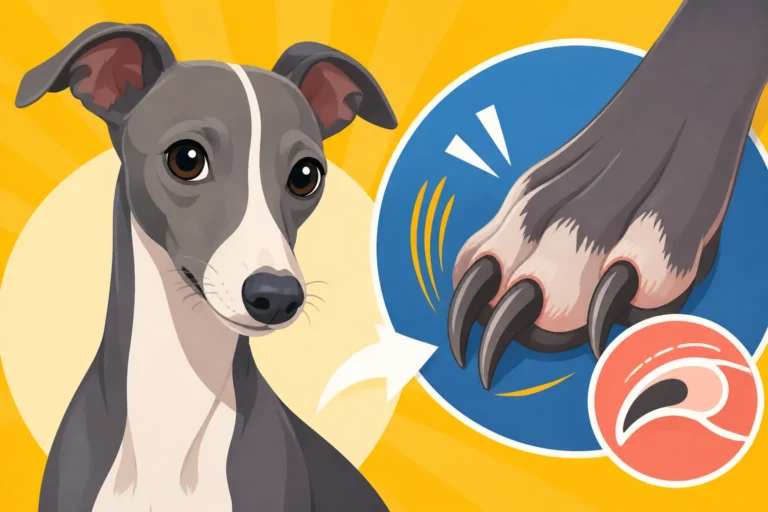
The clicking sound you hear when your Italian Greyhound walks on hard surfaces like tile or hardwood isn't just a quirky pet noise. It means their nails are making contact with the ground before their paw pads do, which is fundamentally incorrect for canine gait. Imagine trying to walk comfortably in shoes that are too small, where the toes are constantly being pushed up and back. That's a bit like what your IG experiences. Each time their long nails hit the floor, pressure is exerted upwards, forcing their toes out of their natural position. This constant, repetitive pressure on the nail bed and toe joints can be genuinely painful and is the earliest warning sign that immediate action is needed. Ignoring this sound is akin to ignoring a squeaky wheel on your car; it might seem minor, but it indicates a functional problem that will only get worse.
Changes in Gait and Posture
That persistent pressure from long nails quickly translates into observable changes in your Italian Greyhound's movement and overall posture. To avoid the discomfort, your IG will subtly — or not so subtly — alter how they walk. Instead of their paw pads landing flat and providing natural grip and cushioning, the long nails act like stilts, forcing their toes to splay and their weight to shift unnaturally. You might notice them walking more cautiously, taking shorter steps, or even displaying a "bunny hop" in their hindquarters as they try to redistribute their weight. This isn't just awkward; it's detrimental to their delicate skeletal system. The unnatural angle created by long nails can throw off the alignment of their entire leg, from the toes all the way up to the hock, stifle, and even their hips and spine. This constant compensation puts undue stress on joints that are not designed to bear weight in this manner, setting the stage for more serious issues down the line. It's a foundational issue that affects their entire locomotion system.
Long-Term Health Consequences Beyond Discomfort
While immediate discomfort is a strong motivator for addressing long nails, the long-term health consequences are far more concerning, especially for a breed as fragile as the Italian Greyhound. Their lean build and fine bones mean they have less natural padding and structural resilience than many other breeds, making them particularly vulnerable to chronic issues stemming from neglected nail care.
Joint Pain and Arthritis Risk
The persistent, unnatural stress on your IG's toe joints, which begins with that simple "click," escalates into a significant risk for chronic joint pain and early-onset arthritis. When the toes are constantly pushed upwards by long nails, the ligaments and tendons around those small joints are stretched and strained. Over months and years, this constant micro-trauma leads to inflammation and degeneration of the joint cartilage, a hallmark of arthritis. Italian Greyhounds, unfortunately, are already prone to certain joint issues, and long nails can exacerbate existing predispositions or even trigger new problems. Imagine the continuous strain on tiny joints every single step they take, every jump they make (or try to make). This can lead to a dog that is less willing to run, jump, or play, simply because every movement causes pain. By the time you see visible stiffness or hear a yelp, the damage may already be substantial. It's a slow, insidious process that can significantly diminish their quality of life, potentially leading to needing pain management later in life, similar to how owners care for Caring for an Italian Greyhound Past Eleven.
Deformed Paws and Splayed Toes
One of the most visible and distressing long-term consequences of overgrown nails is the permanent deformation of your Italian Greyhound's paws. The constant pressure from nails pushing against the ground forces the toes to splay outwards, weakening the natural arch and structure of the paw. Over time, the paw pads can also shift, and the toes become permanently misaligned. This isn't just an aesthetic issue; it severely compromises the structural integrity of the paw. A properly formed paw acts as a shock absorber and provides stable traction, but a splayed, deformed paw loses much of this crucial functionality. Your IG will have less stability, increasing their risk of slips and falls, especially on smooth surfaces like hardwood floors. This permanent change can make even simple activities like walking uncomfortable and can contribute to further joint problems up the leg. It's a sad reality that neglecting something as simple as nail trims can permanently alter a dog's fundamental ability to move comfortably.
Ingrown Nails and Infections
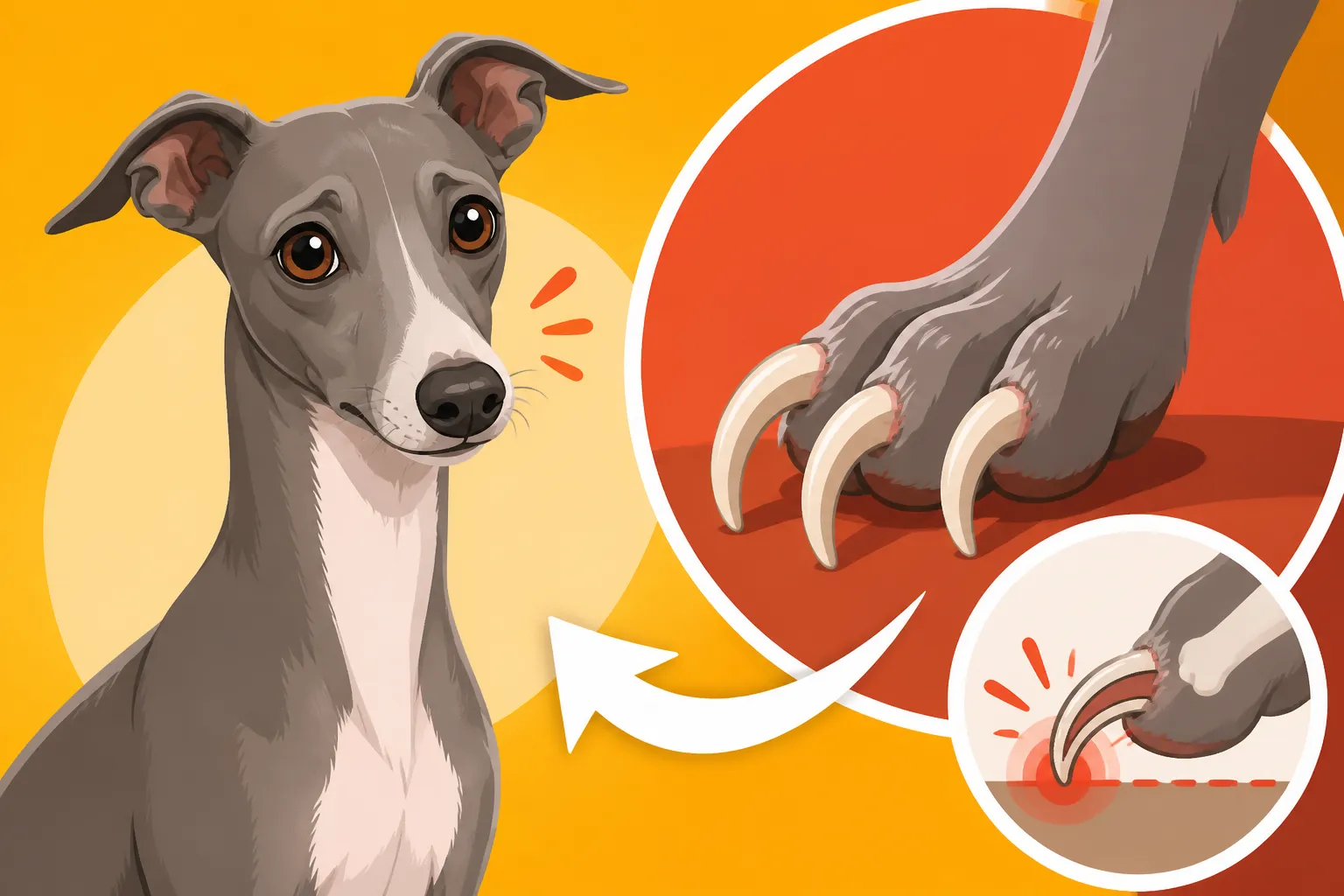
Perhaps one of the most acutely painful consequences of overgrown nails is the risk of them curling around and growing directly into your Italian Greyhound's paw pads. This is particularly common with the dewclaws (if present) which don't naturally wear down through walking. As the nail grows longer and longer, it starts to curve, eventually piercing the delicate skin of the paw pad or the side of the toe. This creates an open wound that is excruciatingly painful, much like an ingrown toenail in a human, but potentially much worse given the constant pressure from walking.
Once the nail breaks the skin, it opens the door for bacterial infections. The paw pad is constantly exposed to dirt, moisture, and bacteria from the ground, creating a perfect breeding ground for infection. An infected ingrown nail will be red, swollen, painful to the touch, and may ooze pus. Your Italian Greyhound might excessively lick the area, become severely lame, or even refuse to bear weight on the affected paw. This scenario almost always requires veterinary intervention, including antibiotics, pain medication, and potentially sedation for the painful process of removing the ingrown nail and treating the wound. It's a completely preventable emergency that causes immense suffering for your dog and a significant vet bill for you.
Practical Challenges for Owners and Dogs
Beyond the direct health implications, long nails on an Italian Greyhound present a host of practical challenges that impact daily life for both dog and owner. These challenges can create a vicious cycle, making proper nail care even harder in the future.
Difficulty with Traction and Slipping Hazards
Italian Greyhounds are known for their slender legs and delicate bone structure, making them incredibly graceful but also vulnerable to injury. Long nails severely compromise their natural traction on smooth surfaces. Instead of their paw pads gripping the floor, the nails act like tiny skates, reducing friction and increasing the likelihood of slipping and sliding. This is particularly problematic in homes with hardwood, tile, or laminate flooring. A sudden slip can lead to sprains, strains, or even fractures, a heartbreaking reality given how easily an Italian Greyhound's leg bones can break. Why an Italian Greyhound's Radius Is the Bone That Breaks highlights the fragility of their limbs, and prolonged slippage simply increases this risk exponentially. Owners often find themselves laying down rugs everywhere or investing in non-slip socks for their IGs just to mitigate this danger. This constant struggle for stable footing is stressful for the dog and adds an extra layer of anxiety for owners worried about accidental injuries.
Damage to Furniture and Floors
Long nails aren't just a hazard to your Italian Greyhound; they're also a menace to your home. That incessant clicking on the floor isn't just noise; it's slowly but surely scratching and marring your beautiful hardwood or laminate flooring. Every time your IG jumps on or off the sofa, or paws at the door, those sharp, overgrown nails can snag and tear upholstery, leaving unsightly rips and pulls. Furniture, blankets, and even your clothes can become victims of neglected nail care. While this might seem like a minor aesthetic issue compared to the health risks, it's a constant, cumulative wear and tear that can be frustrating and costly to repair. Many Italian Greyhounds are also "burrowers" and love to tunnel under blankets, and long nails can easily shred fabrics, creating a never-ending cycle of replacing bedding and soft goods. Protecting your home and keeping your IG comfortable often means getting ahead of these issues with consistent nail trims.
Grooming Resistance and Fear of Trimming
One of the most unfortunate side effects of allowing an Italian Greyhound's nails to get too long is the development of a profound fear and resistance to nail trimming. When nails are excessively long, the "quick" – the living part of the nail containing blood vessels and nerves – also grows longer. This means there's a much higher chance of accidentally cutting into the quick during a trim, which is incredibly painful and causes bleeding. A single negative experience like this can be traumatizing for an Italian Greyhound, a breed that is often quite sensitive. After being "quicked," your IG may associate nail trims with pain and fear, making future sessions incredibly stressful for both of you. They might struggle, vocalize, or even try to bite, turning what should be a routine care task into a battle. This resistance then makes it harder to maintain short nails, potentially leading to them getting even longer, and perpetuating a cycle of pain, fear, and further overgrowth. It's a difficult situation that requires patience, positive reinforcement, and sometimes professional help to overcome. For practical advice, you might find Teaching an Italian Greyhound to Accept Nail Trims helpful.
Preventing Long Nails: A Proactive Approach
The good news is that preventing the problems associated with long Italian Greyhound nails is entirely within your control. It requires consistency, the right tools, and a bit of patience, but the payoff in your dog's comfort and health is immeasurable. Think of it as a small, regular investment in their long-term well-being.
Establishing a Regular Trimming Routine
The absolute cornerstone of healthy nail care for your Italian Greyhound is a consistent, frequent trimming routine. For most IGs, this means trimming every 1-2 weeks, not waiting until you hear the click-clack. The goal is to keep the nails short enough so they never touch the ground when your dog is standing.
There are a few main tools you can use:
- Guillotine or Scissor-style clippers: These are widely available at pet stores or online retailers like Chewy and Amazon. It's essential to choose clippers that are sharp and the right size for small dog nails. Blunt clippers can crush the nail, which is also painful.
- Dremel or other rotary nail grinders: Many owners find a grinder less intimidating than clippers, as it allows for more gradual removal of the nail without the risk of accidentally cutting too much at once. It "sands" the nail down smoothly. You can find excellent quiet models on Amazon or Chewy that are perfect for sensitive IGs.
When trimming, take off only small amounts at a time. The quick will recede over time with consistent, short trims, allowing you to gradually get the nails shorter. Always have styptic powder on hand in case you nick the quick – it stops bleeding quickly and can reduce panic for both you and your dog. If you're new to this, ask your vet or a professional groomer for a demonstration. Understanding How Often an Italian Greyhound's Nails Need Trimming is key to success.
The Role of Exercise and Proper Surfaces
While regular walks on abrasive surfaces like pavement can help naturally wear down a dog's nails, it's important to be realistic for Italian Greyhounds. Firstly, their delicate paw pads can be sensitive to rough surfaces, and prolonged walking on hot asphalt or icy ground can cause injury. Secondly, Italian Greyhounds, being sighthounds, often prefer bursts of speed in grassy, open areas rather than long, consistent walks on pavement. Even if your IG gets plenty of exercise, it's rare that natural wear alone will keep their nails short enough to prevent problems.
Therefore, while a good exercise routine is vital for your IG's overall health and happiness, it should not be relied upon as the sole method for nail care. Human intervention through regular trimming or grinding is almost always necessary. A daily stroll might slightly dull the tips, but it won't be enough to keep the quick receding and prevent the nails from becoming problematic. It’s a complementary activity, not a replacement for active grooming.
Professional Grooming and Veterinary Assistance
If you find yourself struggling with nail trims – whether due to a resistant Italian Greyhound, your own inexperience, or nails that are severely overgrown – don't hesitate to seek professional help. A good professional groomer is skilled at handling fearful dogs and can trim nails safely and efficiently. They can also often give you tips and tricks for at-home maintenance.
For severely overgrown nails, especially those that have curled into the paw pad or are causing significant lameness or infection, a trip to the veterinarian is essential. Your vet can safely trim these nails, often under light sedation if the dog is in extreme pain or highly stressed. They can also treat any ingrown nails or infections that have developed. In some cases, if the quick has grown extremely long due to prolonged neglect, the vet might suggest a more aggressive trim, sometimes called a "quickening," which can be uncomfortable but helps reset the quick to a shorter length, making future maintenance easier. This is a measure of last resort but can be very effective in restoring paw health. Remember, this isn't a sign of failure on your part, but a proactive step to ensure your Italian Greyhound's comfort and health.
The table below provides a quick comparison of the effects of short versus long nails on your Italian Greyhound.
| Feature | Short, Properly Trimmed Nails | Long, Overgrown Nails |
|---|---|---|
| Paw Contact | Paw pads make primary contact with the ground, providing grip. | Nails hit the ground first, pushing toes upwards. |
| Gait/Posture | Natural, balanced gait; comfortable movement. | Altered gait, splayed toes, potential for poor posture. |
| Joint Health | Minimal stress on toe and leg joints; lower arthritis risk. | Constant stress on joints; increased risk of arthritis. |
| Traction | Excellent grip on various surfaces. | Poor traction, increased risk of slipping and falls. |
| Injury Risk | Lower risk of sprains, strains, and fractures. | Higher risk of joint injury, fractures, and paw damage. |
| Ingrown Nails | Extremely rare. | High risk, leading to pain, lameness, and infection. |
| Household Damage | Minimal scratching of floors and furniture. | Scratched floors, torn upholstery, damaged bedding. |
| Grooming Ease | Easier to maintain, less stressful for the dog. | Difficult, stressful, and potentially painful trims. |
Keeping your Italian Greyhound's nails properly trimmed is a small but mighty act of care that underpins their entire physical well-being. It prevents pain, guards against injury, and ensures they can move through life with the grace and comfort they deserve.
Disclaimer
This article is for general informational purposes only and does not constitute professional advice. Laws, prices and regulations vary by location and change over time. Consult a qualified professional for guidance on your specific situation.