Teaching an Italian Greyhound to Accept Nail Trims
It's no secret that asking an Italian Greyhound to hold still for a nail trim can feel like asking them to do calculus – utterly baffling and often met with a frantic, wriggly refusal. Many of us find ourselves dreading the moment, witnessing our normally affectionate little companions transform into trembling, resistant escape artists. This guide is here to walk you through how to transform nail trimming from a wrestling match into a manageable, even calm, routine for both you and your sensitive Italian Greyhound.
Understanding Why Nail Trims Are So Challenging for Italian Greyhounds
If you've ever tried to trim your Italian Greyhound's nails and felt like you were wrestling a greased eel, you're not alone. There's a deeply rooted reason why this routine grooming task can feel like such a monumental challenge with our beloved Iggies. It's not just stubbornness; it's often a combination of their unique physical and psychological makeup that makes them particularly wary.
The Italian Greyhound's Sensitive Nature
Italian Greyhounds are renowned for their delicate build and often equally delicate temperaments. They are sensitive souls, physically and emotionally. Their thin skin and fine bones make them more prone to injury than many other breeds, and they seem to carry this inherent fragility into their perception of the world. A hard bump, a loud noise, or an unexpected touch can be genuinely startling for them. This heightened sensitivity means that handling their paws, especially when it involves sharp objects or buzzing tools, can trigger a strong fear response.
Think about it from their perspective: their paws are incredibly important for their agility and movement, and any perceived threat to them can feel very serious. They don't understand that you're trying to help; they only register the restraint, the strange object, and potentially, discomfort or pain. This isn't unique to nail trims; many Iggies can be wary of any prolonged handling, especially if it feels invasive. Their instinct is often to escape what they perceive as danger, not to cooperate. It’s part of what makes them such special, but sometimes challenging, companions. Their fragility means we need to be extra gentle and understanding in all our interactions, including grooming.
The Anatomy of an Italian Greyhound's Nails and Quick
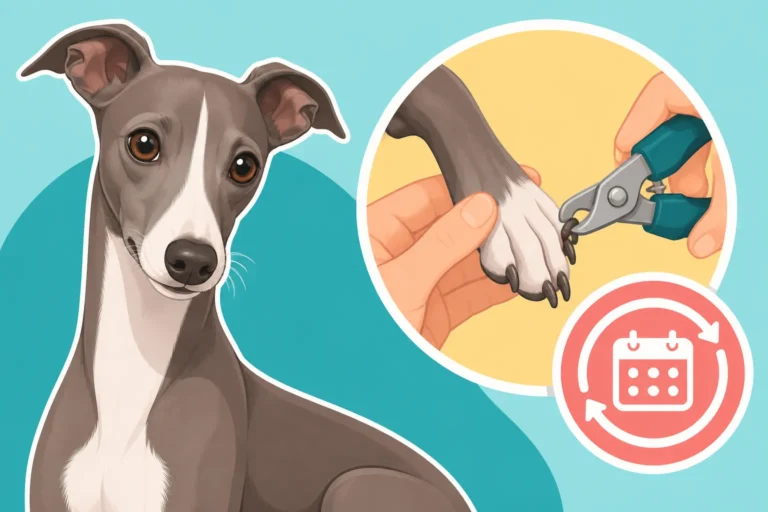
One of the biggest hurdles in successful nail trimming is the anatomy of the Italian Greyhound's nails themselves, particularly the "quick." The quick is a soft, fleshy part inside the nail that contains blood vessels and nerves. If you cut into the quick, it's not only painful for your dog but also causes bleeding. For an Italian Greyhound, who already has a lower pain tolerance and higher anxiety about handling, hitting the quick even once can create a lasting, traumatic memory that makes all future trims exponentially harder.
Many Iggies have dark nails, which makes it incredibly difficult to visually distinguish where the quick ends and the dead nail begins. This creates a stressful situation for the owner, who is constantly worried about causing pain, and this anxiety can transfer directly to the dog. Because Italian Greyhounds are so slight and their bones are delicate, even a minor injury or discomfort around the paw area can feel magnified. It's a cruel cycle: fear of the quick leads to owners trimming less often, which allows the quick to grow longer, making it even easier to hit next time. Understanding Why an Italian Greyhound's Quick Is Hard to See is crucial for empathy and careful execution.
Early Experiences and Negative Associations
Just like humans, Italian Greyhounds form strong associations based on their experiences. A single negative experience with nail trimming, particularly during puppyhood, can cement a lifelong aversion. Perhaps a quick was cut too short, or the process was rushed and scary. Maybe they were held down firmly, which for a sensitive Italian Greyhound, can feel like a terrifying struggle. These early interactions can be incredibly impactful.
Once an Italian Greyhound has associated nail trimming with pain, fear, or discomfort, that association is very hard to break. Even just seeing the clippers or hearing the whir of a Dremel can trigger a full-blown panic response. They remember, they anticipate, and they react. Owners often feel frustrated and guilty when their dog clearly fears something they're trying to do for their good. This isn't a reflection of your failure as an owner; it's a testament to the Italian Greyhound's excellent memory and sensitive nature. It just means we have to be even more patient and strategic in our approach to retraining and desensitization. It’s important to remember that Why Raising Your Voice Sets an Italian Greyhound Back a Month applies to all training, and this sensitivity extends to handling.
Starting Early and Desensitization: The Foundation of Acceptance
The key to a successful, stress-free nail trimming routine with an Italian Greyhound often lies in a proactive, gentle approach that starts as early as possible and prioritizes positive associations over force. This isn't a race; it's a marathon built on trust and patience.
Puppy Foundations: Making Touch a Positive Experience
If you have an Italian Greyhound puppy, you have a golden opportunity to lay a solid foundation. From the moment they come home, make touching their paws, toes, and nails a regular, positive experience. This isn't about trimming yet, but about desensitizing them to touch. Start with gentle massages of their paws while they're relaxed, perhaps cuddling on the sofa. Stroke their legs, gently rub their paw pads, and lightly touch each individual toe and nail.
Every time you do this, pair it with something incredibly rewarding. A tiny, high-value treat (like a pea-sized piece of cheese or cooked chicken), enthusiastic verbal praise, or a favorite toy immediately after the touch. Keep these sessions extremely short – literally just a few seconds at first. The goal is for them to think, "Oh, paw touch equals delicious treat!" Repeat this many times a day, every day. As they grow, remember to continue Restricting an Italian Greyhound Under Two to prevent accidental injuries, and this gentle handling reinforces that cautious approach. The more positive associations you build now, the easier grooming will be for their entire life.
Introducing the Tools: Clippers or Dremel
Before you even think about trimming, introduce the tools themselves as non-threatening objects. Whether you plan to use traditional clippers or a rotary tool (Dremel), your Italian Greyhound needs to see, smell, and hear them without any fear. Start by simply placing the clippers on the floor near their food bowl or treat area. Let them sniff it. If they show interest or even just tolerate its presence, give them a treat. Don't push it.
For a Dremel, the sound can be particularly startling. Turn it on in another room first, at a very low setting, while your IG is enjoying a meal or a high-value chew. Gradually bring it closer over several days or weeks, always pairing the sound with something positive. Once they tolerate the sound, turn it on briefly next to them, immediately followed by a shower of treats and praise. The goal is for them to associate the sound or sight of the tool with good things, not fear. We have a great article that delves into Whether a Dremel Suits an Italian Greyhound's Nails if you're weighing your options.
The Desensitization Protocol: Gradual Exposure
Once your Italian Greyhound is comfortable with their paws being handled and the tools being present, you can begin the slow process of desensitization to the actual trimming action. This is where patience is paramount, and rushing will set you back.
- Touch the tool to the nail, no action: Hold the clippers or dremel to one nail for a split second, then immediately give a treat and praise. Repeat on different nails. Do this until they show no concern.
- Mimic the action, no trim: For clippers, gently squeeze the clippers near the nail (without actually cutting) so they hear the click, then treat. For a Dremel, touch the spinning bit to a tiny piece of dry pasta or a coffee stirrer so they hear and feel the vibration, then treat. This prepares them for the sensation.
- One nail at a time: When you're ready to trim, choose one nail. Quickly trim the very tip (or just file a tiny bit with the Dremel). Immediately follow with the absolute best treat you have, and lavish praise. Then, stop. Don't try to do another. End the session on that positive note.
- Gradual increase: Over days or even weeks, slowly increase the number of nails you do in a session. Maybe two nails, then three. Always stop before they get stressed. If they show any signs of discomfort or fear, go back a step. Remember, the goal is acceptance, not compliance under duress. This method builds trust and reduces the chance they will How an Italian Greyhound Hides Pain by just tolerating the discomfort.
Positive Reinforcement Techniques for Success
When it comes to teaching an Italian Greyhound to accept nail trims, positive reinforcement isn't just a suggestion—it's absolutely essential. These dogs respond beautifully to encouragement and rewards, and poorly to anything that feels like punishment or force. This approach builds trust and transforms a dreaded task into a tolerable, or even slightly enjoyable, part of their routine.
High-Value Rewards and Consistent Praise
The foundation of positive reinforcement is using rewards that are truly motivating for your Italian Greyhound. For many Iggies, this means something beyond their regular kibble. Think of "high-value" treats: tiny pieces of cooked chicken, cheese, hot dogs, or commercially available soft training treats. Brands like Ollie often offer very palatable, high-quality treats that can be broken into small, potent rewards. Even finding unique treats on Chewy or Amazon can provide that extra incentive.
Keep these treats exclusively for nail trimming sessions to make them extra special. As soon as you perform the desired action (e.g., they allow you to touch a paw, or you successfully clip one nail), immediately follow with a treat and enthusiastic, calm praise ("Good boy/girl!"). The timing is critical so they clearly associate the positive outcome with the specific behavior you want. Consistency is key here; every single step in the process, no matter how small, should be rewarded. This creates a strong positive emotional response to what was once a scary experience.
Breaking It Down: Short, Frequent Sessions
One of the biggest mistakes owners make is trying to tackle all twenty nails (or even all four paws) in one go, especially when starting out. For an Italian Greyhound, this can be overwhelming, quickly leading to stress and resistance. Instead, break the process down into incredibly short, frequent sessions.
For example, your goal might be to trim just one or two nails on one paw, then immediately end the session with a jackpot of treats and play. Even if you only manage one nail on each paw over the course of the day, that’s a win! The key is to stop before your dog becomes agitated or stressed. You want to end on a positive note, leaving them feeling good about the experience, rather than relieved it's over. This prevents them from building up anxiety and makes them more willing to participate next time. Regular nail maintenance is important for their overall well-being, and understanding How Often an Italian Greyhound's Nails Need Trimming can help you plan these short, frequent sessions effectively.
Positioning for Comfort and Safety
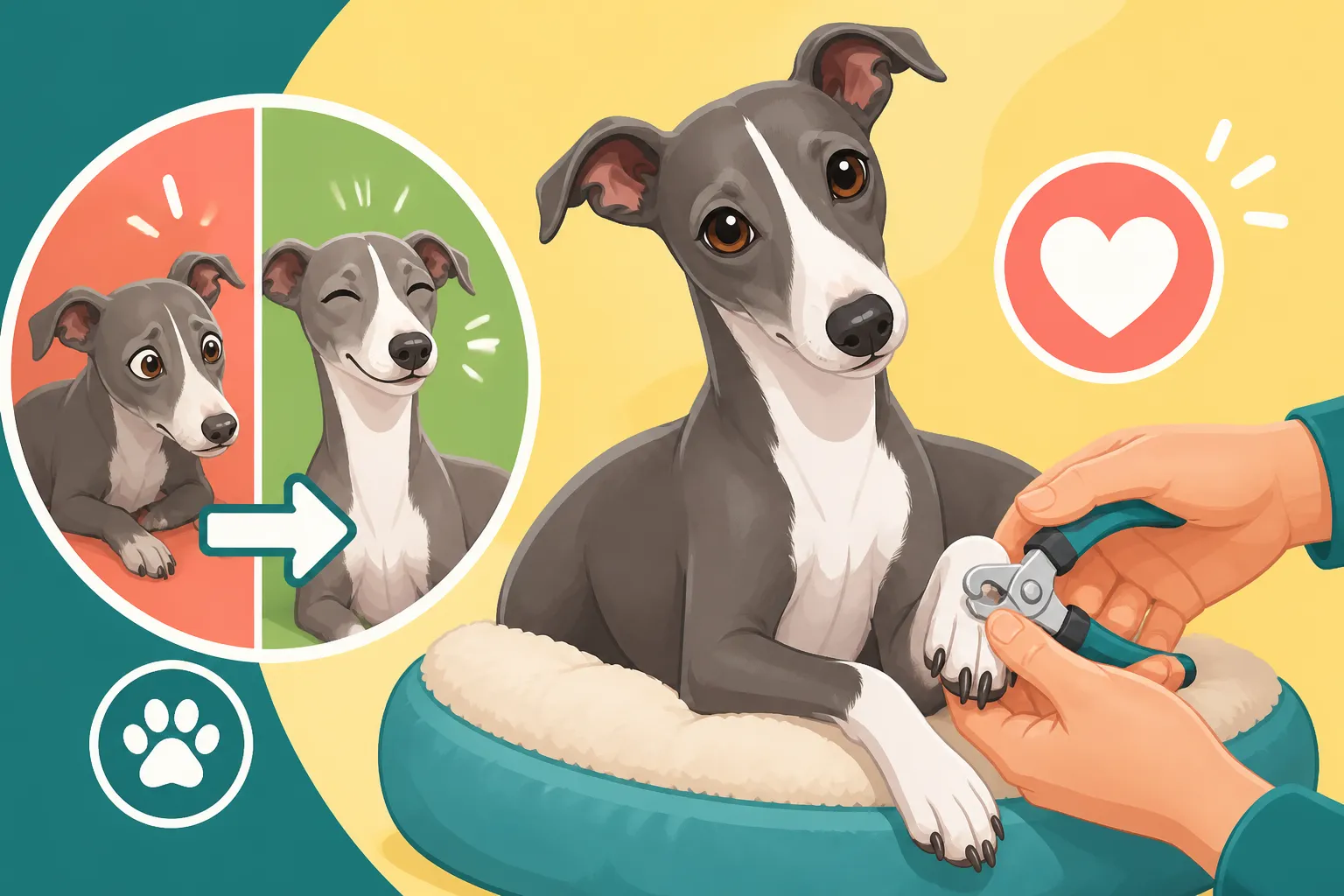
How you hold or position your Italian Greyhound during nail trims can make a huge difference in their comfort level and willingness to cooperate. The goal is to make them feel secure, not trapped. Avoid wrestling them or using excessive force, as this will only escalate their fear.
Many Iggies feel most comfortable when they are in your lap, perhaps cradled on their back or side, with their head resting comfortably. You can also try having them lie on a soft blanket on the floor, gently supported. Some owners find success by having another person gently distract the dog with a lick mat smeared with peanut butter or a steady stream of treats while they focus on the paws. The key is to keep your own body language calm and relaxed. If you're stressed, your Italian Greyhound will pick up on it instantly. Speak in a soothing voice, offer gentle strokes, and create an atmosphere of calm confidence. Their physical comfort translates directly to their emotional comfort, making them more likely to accept the process. It's about respecting their delicate nature and building a secure environment, similar to how we protect their fragile bones from The Age an Italian Greyhound's Bones Finish Hardening.
When to Seek Professional Help and Alternative Strategies
Sometimes, despite your best efforts, nail trims remain an insurmountable hurdle. It's important to recognize when you've hit a wall and when professional intervention, or even alternative strategies, might be the kindest and most effective path forward for both you and your Italian Greyhound. There's no shame in seeking help; in fact, it shows you're a responsible and caring owner who prioritizes your dog's well-being.
Recognizing When You Need a Professional Hand
You've tried desensitization, high-value treats, short sessions, and calming techniques, but your Italian Greyhound still exhibits extreme fear, aggression, or a level of anxiety that makes the process impossible or dangerous. This is a clear sign that it's time to call in the professionals. Don't view this as a failure on your part. Some dogs have deeply ingrained fears, perhaps from past trauma, or a particularly sensitive personality. Continuing to force the issue can erode your bond and make the dog even more fearful of handling in general.
Signs you might need professional help include:
- Your IG consistently hides or struggles violently at the mere sight of the tools.
- They become aggressive (growling, snapping) during attempts.
- You are consistently unable to get even one nail trimmed.
- The stress of the process is significantly impacting your own well-being.
- Their nails are becoming dangerously long, affecting their gait or causing pain. What Happens If an Italian Greyhound's Nails Get Long can be severe, leading to splayed feet or joint problems.
Veterinary Technicians and Groomers with Sighthound Experience
When seeking professional help, it's not enough to just go to any groomer or vet clinic. Italian Greyhounds, being sighthounds, have unique physiological and temperamental traits that require specific understanding. Seek out veterinary technicians or professional groomers who have direct experience with sighthounds or exceptionally sensitive breeds. These professionals often employ specialized handling techniques, quieter tools, and a calm, patient demeanor that can make a world of difference.
Don't hesitate to ask prospective professionals about their experience with Italian Greyhounds or similarly sensitive dogs. Ask about their methods: do they use positive reinforcement? Are they willing to do very short sessions? Do they understand Why an Italian Greyhound's Vet Should Know Sighthounds and their specific needs, especially concerning their delicate bone structure and low body fat percentage which can affect temperature regulation and anesthesia protocols? A knowledgeable professional can often achieve what you can't, not because they're "better," but because they bring a neutral energy, specialized skills, and often a different environment that reduces the dog's preconceived fears.
Exploring Sedation or Anesthesia Options
For Italian Greyhounds with extreme, intractable fear, or those who need extensive dental work anyway, sedation or light anesthesia can be a humane option for nail trimming. This allows the nails to be safely and thoroughly trimmed without causing immense stress or trauma to the dog. It’s important to discuss this thoroughly with your veterinarian. They can assess your dog's overall health and determine the safest protocol.
Italian Greyhounds, like other sighthounds, have unique considerations when it comes to anesthesia. They often metabolize drugs differently and have less body fat, which can affect their response to sedatives and their ability to regulate body temperature. Your vet will need to take extra precautions, such as using specific anesthetic agents and providing warmth during and after the procedure. It’s vital to ensure your vet is experienced with these nuances. Why Anesthesia Is Handled Differently in an Italian Greyhound is a crucial topic to discuss with your vet to ensure the safest possible outcome. While it's not an everyday solution, for some dogs, it can be a rare but necessary tool to maintain essential paw health.
Maintaining Nail Health Between Trims
Even if you rely on professional help for full trims, there are things you can do at home to help maintain your Italian Greyhound's nail health and potentially extend the time between professional visits. Regular short walks on abrasive surfaces like concrete or asphalt can naturally wear down nail tips. This isn't a replacement for trimming, but it can help keep them from getting excessively long.
You can also continue practicing gentle paw handling daily, even if it's just a quick touch and treat, to reinforce positive associations. This helps prevent regression and keeps your dog accustomed to having their paws manipulated. Some owners consider nail caps (soft vinyl covers glued onto nails) as a very temporary solution if the nails are prone to snagging or if the dog is prone to scratching. However, these still require application and removal, which can be stressful, and aren't a long-term fix for growth. The most effective long-term strategy remains consistent, positive reinforcement training, even if it's slow progress, or finding a trusted professional who understands your Italian Greyhound's specific needs.
Here's a quick comparison of the two primary nail trimming tools:
| Feature | Nail Clippers | Rotary Tool (Dremel) |
|---|---|---|
| Method | Cuts the nail in a single snip | Grinds down the nail gradually |
| Noise Level | Quiet "snip" sound | Buzzing/whirring sound, can be unsettling |
| Vibration | Minimal | Noticeable vibration, can be unusual sensation |
| Risk of Quicking | Higher if unskilled or nails are dark | Lower if careful, as you remove small amounts |
| Learning Curve | Relatively easy for owner to learn technique | Can take practice to master angle and pressure |
| Smoothness | Can leave sharp edges, needs filing | Leaves a very smooth, rounded edge |
| Speed | Generally faster for an experienced hand | Slower, more meticulous process |
| Dog's Perception | Sudden pressure, "clip" sound | Constant vibration, buzzing sound |
| Cost | Inexpensive | More expensive initially (tool + replacement bits) |
Disclaimer
This article is for general informational purposes only and does not constitute professional advice. Laws, prices and regulations vary by location and change over time. Consult a qualified professional for guidance on your specific situation.