What Care an Italian Greyhound Needs Its Whole Life
Bringing an Italian Greyhound into your life is an adventure filled with cuddles, zoomies, and a truly unique companionship, but it also comes with a distinct set of care needs that evolve as they grow. From their fragile puppy days to their dignified senior years, understanding these lifelong requirements is key to ensuring your beloved Italian Greyhound thrives. This guide will walk you through the comprehensive care needed at every stage of your Italian Greyhound's life, helping you prepare for the journey ahead.
Puppyhood to Adolescence: Laying the Foundation (0-2 Years)
The early years of an Italian Greyhound's life are undeniably critical. This is a period of rapid growth, immense learning, and unfortunately, the highest risk for their notoriously fragile bones. Owners often feel a mix of overwhelming love and a constant knot of anxiety, always watching for potential hazards.
Navigating the Housetraining Maze
Let's be real: Italian Greyhounds are infamous for being a challenge to housetrain. It's not a myth, it's a reality many of us face. Their small bladders, combined with a strong aversion to cold, wet, or even slightly damp weather, can make outdoor potty breaks a battle of wills. Many owners find themselves frustrated, thinking their pup just "doesn't get it," when in reality, the breed's quirks are working against traditional methods. Consistency is paramount, and positive reinforcement is your best friend. Yelling or punishment will only make your Italian Greyhound hide their accidents, prolonging the training process. Housetraining an Italian Greyhound Is the Hardest Part of Owning One delves into this more deeply.
For puppies, frequent trips outside—every hour they're awake, after every nap, after play, and after eating—are non-negotiable. Many Italian Greyhound owners find great success incorporating an indoor potty solution, such as pee pads or even a litter box, especially during inclement weather or when they can't get outside quickly enough. This isn't "giving up"; it's adapting to the breed's needs and setting them up for success. For nighttime, crating is often the most effective tool, as most dogs won't soil their sleeping area.
Protecting Fragile Bones and Joints
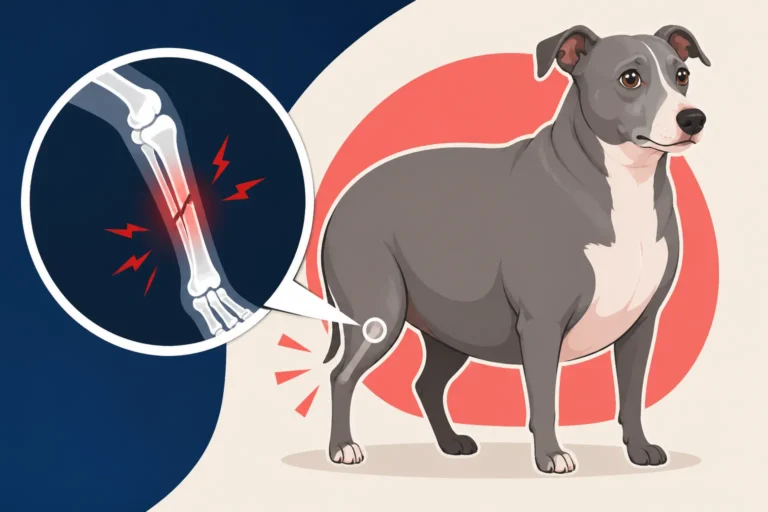
This is the age band where Italian Greyhounds are most susceptible to broken legs. Their bones are still hardening, and they're bursting with energy, often leading to exuberant, sometimes clumsy, play. A jump off the sofa, a misstep while playing fetch, or a tumble down stairs can result in a devastating fracture. Preventing these injuries is a huge part of puppy and adolescent care.
You'll need to "Italian Greyhound-proof" your home, which means thinking like a tiny, fearless daredevil. Invest in ramps or steps for furniture, block off stairs, and supervise play constantly, especially with larger dogs or boisterous children. Teach your Italian Greyhound how to get on and off furniture safely from a young age. Avoid letting them jump from heights. Understanding The Age an Italian Greyhound's Bones Finish Hardening can help you determine when you might start to breathe a little easier, though vigilance is always required. Restricting an Italian Greyhound's movements under two years old, to prevent dangerous leaps, is highly recommended.
Establishing Early Dental Habits
Even as puppies, Italian Greyhounds are prone to dental issues. Their long, narrow muzzles mean their teeth are often crowded, creating prime spots for plaque and tartar to accumulate early on. Getting your puppy accustomed to having their mouth handled and teeth brushed is a gift you give both of you for their entire life.
Start with short, positive sessions. Let them lick toothpaste from your finger, then gently rub your finger along their gums, eventually introducing a soft toothbrush. Daily brushing is the gold standard for this breed. Brands like Chewy often carry a variety of canine toothbrushes and toothpastes suitable for small mouths. Early intervention can significantly slow the progression of Periodontal Disease Is the Italian Greyhound's Most Common Diagnosis, which is almost inevitable otherwise.
Adult Years: Maintaining Health and Happiness (2-8 Years)
Once your Italian Greyhound has matured and their bones have fully hardened, a new phase of care begins. While the intense worry about fractures might lessen slightly, a different set of consistent health and lifestyle considerations takes center stage.
The Lifelong Battle Against Dental Disease
I cannot stress this enough: dental care is not a "sometimes" thing for an Italian Greyhound; it's a daily, non-negotiable commitment. Even with the best home care, professional dental cleanings under anesthesia will be a regular part of their adult life, often annually. Tartar builds up quickly, leading to gum inflammation, pain, and eventually, tooth loss.
Imagine the discomfort of persistent toothache; that's what many Iggys endure if their teeth aren't meticulously cared for. Brushing an Italian Greyhound's Teeth Every Day is vital. In addition to daily brushing, consider dental water additives, although these are secondary to brushing. Discuss with your vet about dental chews, as some can be too hard for their delicate teeth or simply ineffective. Regular vet check-ups will include a dental exam, and your vet will advise on the frequency of professional cleanings. These cleanings, though costly, are essential for your Italian Greyhound's overall health and longevity.
Nutrition and Weight Management
Adult Italian Greyhounds are generally easy keepers. They have lean builds and a fast metabolism, but it's still crucial to feed them a high-quality diet appropriate for their activity level. Overweight Iggys are not only at higher risk for joint issues but also for fractures due to the added strain on their delicate bone structure.
Many Italian Greyhounds thrive on a good quality kibble, fed in measured portions twice a day. Some owners opt for fresh food diets, like those offered by Ollie, which can be great for picky eaters or dogs with sensitivities, but always check with your vet for nutritional balance. Keep an eye on their weight; you should be able to easily feel their ribs, but they shouldn't be visibly protruding. If you can't feel their ribs without pressing, they might be carrying too much weight. Conversely, if their hip bones are sharply angular, they might be too thin. What an Italian Greyhound Eats in a Month provides more insight into their dietary needs. Treats should be given in moderation and factored into their daily calorie intake.
Exercise, Safety, and Warmth
Adult Italian Greyhounds still need regular exercise to stay fit and mentally stimulated. Short, frequent walks are usually sufficient, along with plenty of indoor playtime. Lure coursing can be an excellent outlet for their natural sighthound instincts in a safe, enclosed environment. However, due to their strong prey drive and incredible speed, they should never be trusted off-leash in an unfenced area. A secure harness (they can slip out of collars easily!) and a long leash are your best tools for walks.
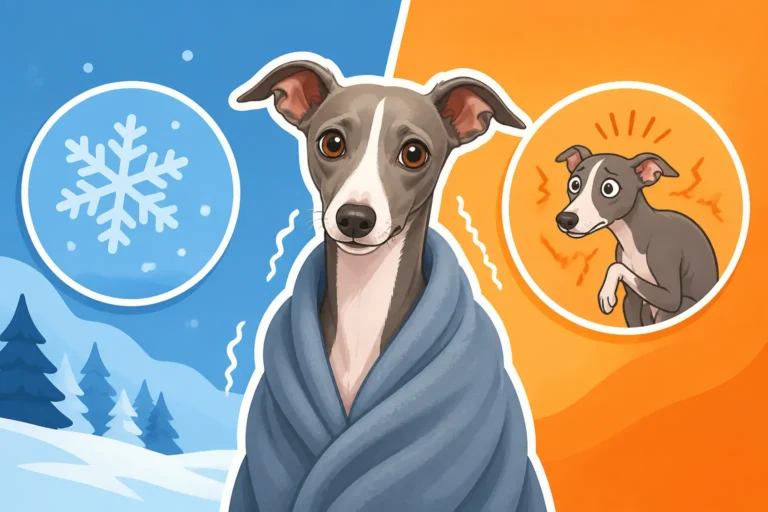
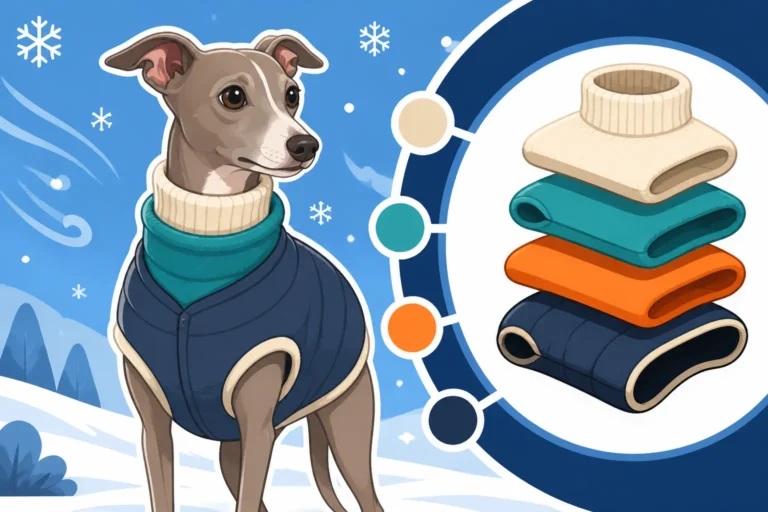
And then there's warmth. Italian Greyhounds have very little body fat and thin skin, meaning they get cold easily, even indoors. Keeping an Italian Greyhound Warm Is Daily Work, Not a Winter Job. You'll find yourself dressing them in sweaters and pajamas year-round in cooler climates or air-conditioned homes. For outdoor excursions in colder weather, a well-fitting coat is essential. Consider thermal bedding or even a heated bed, especially in winter. Amazon is a great resource for finding a wide variety of Italian Greyhound-specific clothing and cozy bedding.
Skin and Coat Care
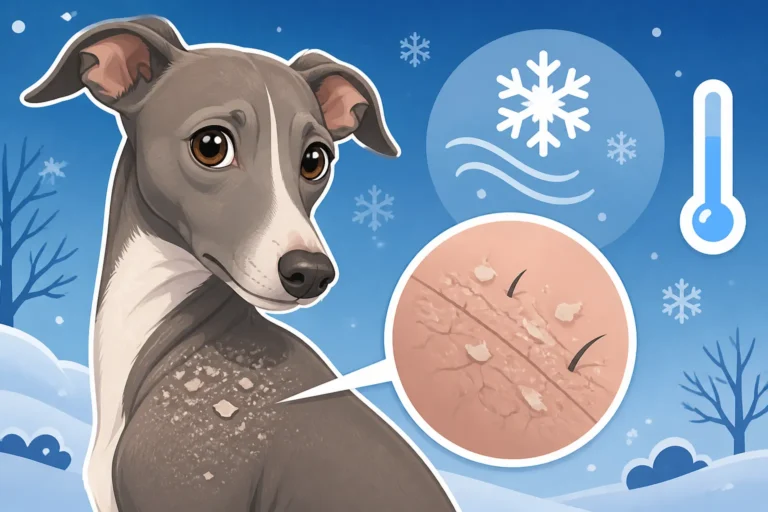
Italian Greyhounds have short, fine coats that are relatively low-maintenance. They shed minimally and generally don't have a strong "doggy" odor. Weekly brushing with a soft brush or grooming mitt helps remove loose hair and stimulate the skin. Baths are only necessary when they're truly dirty, which isn't often. Use a gentle dog shampoo to avoid drying out their delicate skin.
Their thin skin is also prone to cuts and scrapes. Minor nicks can often be treated at home with gentle cleaning and a little antibiotic ointment, but deeper wounds may require veterinary attention. Keep an eye on their paw pads, especially if they walk on rough surfaces, and consider a paw balm to prevent cracking. Their nails grow quickly and should be trimmed every 2-3 weeks to prevent them from becoming too long, which can cause discomfort and affect their gait.
Senior Years: Adapting to Aging (8+ Years)
As Italian Greyhounds enter their senior years, typically around eight years old, their needs will shift once again. This is a time to focus on comfort, pain management, and maintaining their quality of life. They may slow down, develop some age-related conditions, but with attentive care, they can still enjoy many happy, fulfilling years. Caring for an Italian Greyhound Past Eleven goes into great detail about the challenges and joys of their golden years.
Adjusting Diet and Managing Ailments
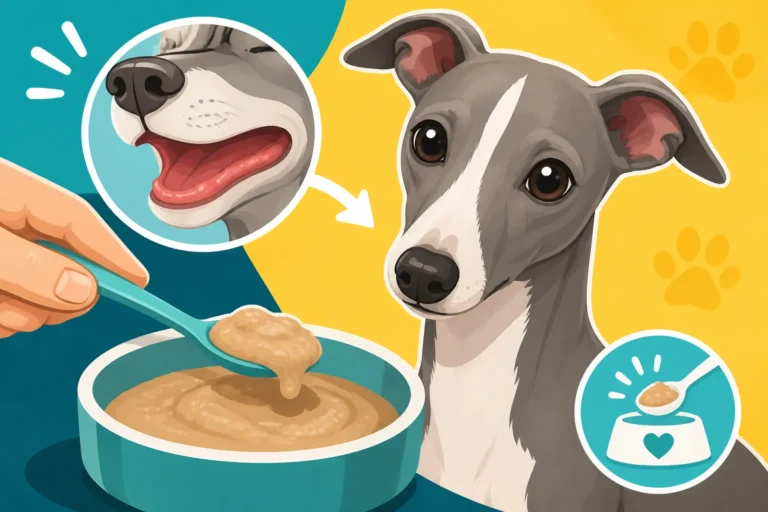
Senior Italian Greyhounds may have a reduced metabolism, so their food portions might need to be adjusted to prevent weight gain. Conversely, some seniors develop conditions that lead to weight loss, requiring a more calorie-dense or palatable diet. Discuss any dietary changes with your veterinarian. Softer foods or rehydrated kibble can be easier for older dogs with significant tooth loss or sensitive gums to chew. How an Italian Greyhound Eats With No Teeth is a useful read if extractions become necessary.
Regular veterinary check-ups become even more vital in their senior years, often twice a year instead of annually. Your vet will screen for common age-related conditions such as kidney disease, heart murmurs, arthritis, and vision or hearing loss. Early detection allows for earlier intervention and better management. Medications or supplements may be prescribed to manage pain from arthritis or support organ function.
Prioritizing Comfort and Warmth
An older Italian Greyhound will feel the cold more acutely than a younger one. Their ability to regulate body temperature diminishes with age, making warmth an even bigger priority. Continue with sweaters, pajamas, and ensure they have ample access to cozy, orthopedic beds with plenty of blankets to burrow into. The Bedding a Thin Skinned Italian Greyhound Actually Needs is paramount for preventing pressure sores and providing joint support. A heated bed can be a true luxury for an older Iggy, soothing aching joints.
They may also become less tolerant of long walks. Short, gentle strolls are still beneficial for muscle tone and mental stimulation, but don't push them if they seem tired. Pay attention to their signals. Ramps to favorite sleeping spots or even for getting into the car become even more important as mobility might decrease.
Mental Engagement and Emotional Support
Just like humans, senior dogs benefit from mental stimulation to keep their minds sharp. Continue with gentle training exercises, puzzle toys, or scent games. While they may not be as physically active, their need for companionship remains strong. Many older Italian Greyhounds become even more "velcro" dogs, seeking constant closeness and comfort from their humans.
Watch for signs of cognitive decline, such as confusion, changes in sleep patterns, or increased anxiety. Night Confusion in an Old Italian Greyhound can be a particularly challenging aspect of senior care. Your vet can offer advice and sometimes medication to help manage these symptoms. Providing a consistent routine and a calm, predictable environment can go a long way in supporting a senior Italian Greyhound through their golden years. The love and patience you offer during this stage will be invaluable.
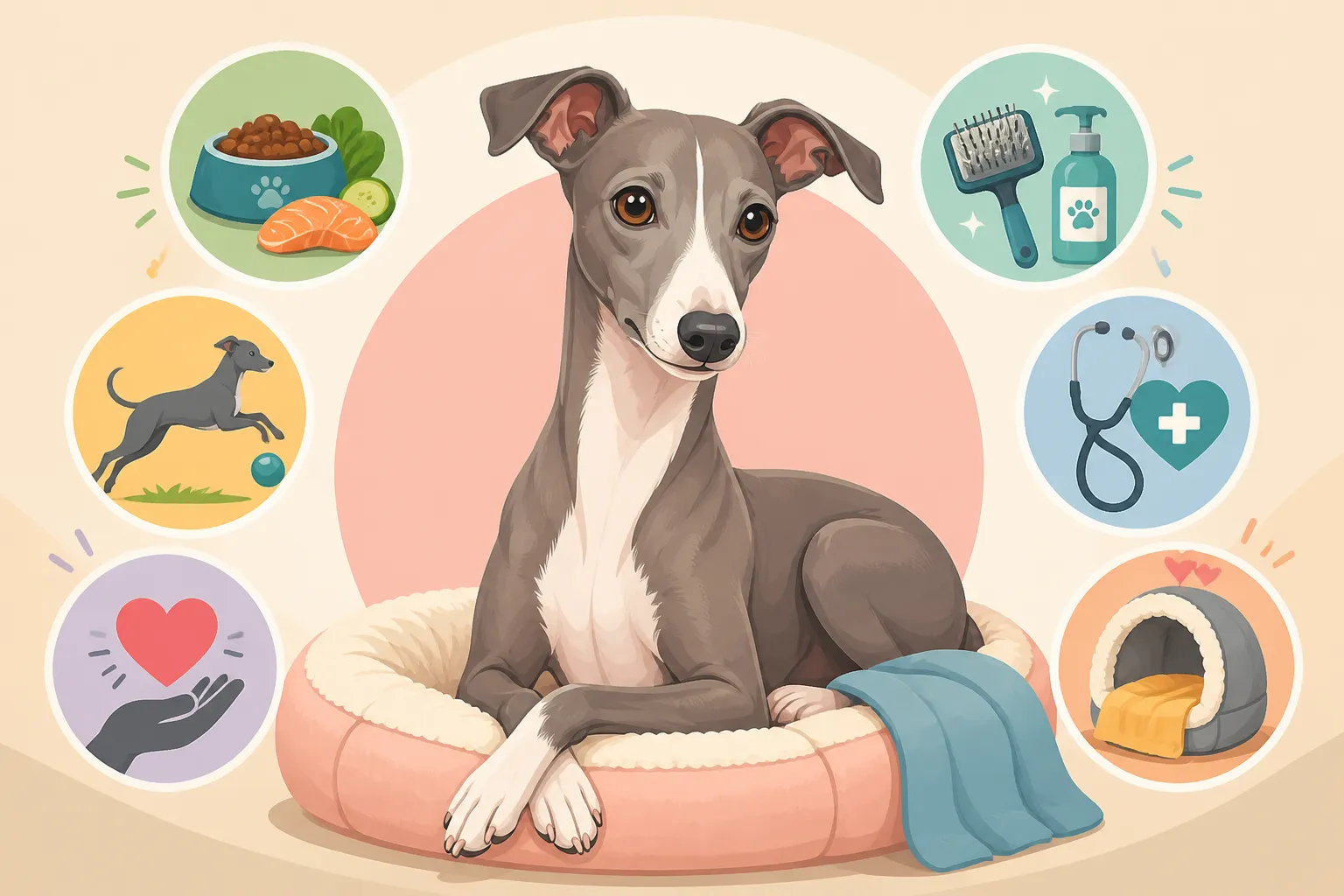
Here's a quick summary of key care areas across an Italian Greyhound's life:
| Care Area | Puppyhood (0-2 years) | Adulthood (2-8 years) | Senior (8+ years) |
|---|---|---|---|
| Dental Care | Introduce brushing; regular vet checks for baby teeth. | Daily brushing; annual professional cleanings are common. | Daily brushing; more frequent cleanings/extractions common; soft food. |
| Fracture Risk | Highest risk; rigorous puppy-proofing, ramps, supervision. | Lowered risk as bones harden; still avoid high jumps. | Moderate risk with mobility issues; ramps essential. |
| Nutrition | Puppy food; frequent small meals; monitor growth. | Adult food; measured portions; monitor weight closely. | Senior-specific food; adjust for weight/dental needs; softer textures. |
| Warmth | Sweaters/pajamas; warm beds; avoid cold drafts. | Ongoing need for sweaters, coats, cozy bedding. | Increased need; heated beds, extra layers, constant warmth. |
| Exercise | Short, frequent play/walks; supervised. | Regular walks, safe playtime, lure coursing. | Shorter, gentler walks; focus on comfort and low impact. |
| Vet Visits | Puppy vaccines, wellness checks. | Annual wellness exams, dental check-ups. | Twice-yearly wellness exams, bloodwork, pain management. |
| Mental Stim. | Basic training, socialization, gentle play. | Ongoing training, puzzle toys, safe outdoor exploration. | Gentle games, puzzle toys, consistent routine, companionship. |
Disclaimer
This article is for general informational purposes only and does not constitute professional advice. Laws, prices and regulations vary by location and change over time. Consult a qualified professional for guidance on your specific situation.