How Many Layers an Italian Greyhound Needs Below Freezing
For Italian Greyhound owners, the moment the thermometer dips below freezing can feel like a personal challenge. You know your beloved little sighthound shivers just thinking about cold weather, and trying to figure out exactly how many layers they need to be truly comfortable and safe when the air bites is a constant struggle. This guide is here to unravel the mystery of cold-weather dressing for your Italian Greyhound, ensuring they stay toasty and healthy even when Jack Frost comes to visit.
Understanding Your Italian Greyhound's Unique Cold Sensitivity
It's not just "doggie dramatics" when your Italian Greyhound starts to shiver the moment a chilly breeze sweeps through the house. Their sensitivity to cold is a genuine physiological reality, and understanding why they feel the cold so acutely is the first step to properly protecting them. You're not just being an overly doting pet parent; you're responding to their actual needs.
Why IGs Get Cold So Easily
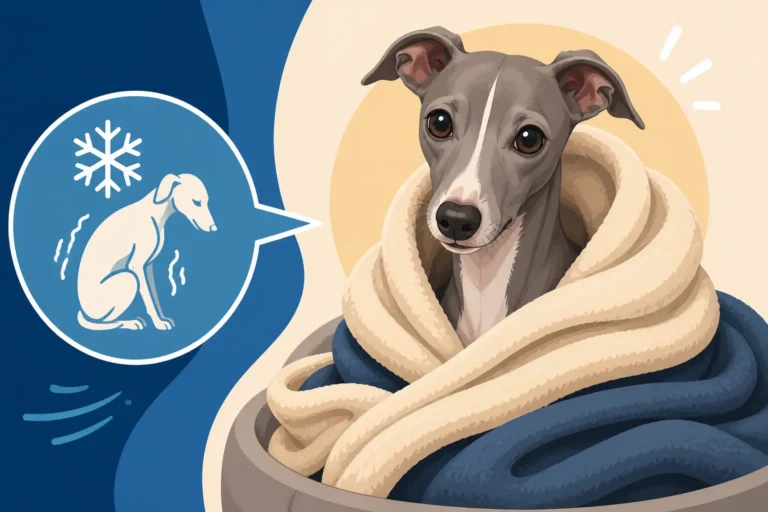
Italian Greyhounds are, by nature, not equipped for cold weather. Think about it: they have practically no insulating body fat. Their skin is incredibly thin, almost like tissue paper, offering little to no barrier against the cold. And that beautiful, sleek, short coat? It's fantastic for speed and aerodynamics but utterly useless as a natural insulator. It's truly a testament to their breeding for companionship in warmer climates. When the temperature drops, they simply cannot generate or retain enough body heat on their own, leaving them vulnerable to the elements. This is why you often find them burrowed under blankets or glued to a heat source, even indoors. Why an Italian Greyhound Carries Almost No Body Fat explains this in more detail.
The Dangers of Inadequate Protection
Allowing your Italian Greyhound to be exposed to freezing temperatures without adequate protection isn't just about discomfort; it poses serious health risks. Hypothermia, a dangerously low body temperature, can set in quickly, especially if they are wet or exposed to wind chill. Their delicate ears and paw pads are also highly susceptible to frostbite, which can lead to permanent tissue damage. Beyond these acute dangers, prolonged exposure to cold can suppress their immune system, making them more vulnerable to illness. Many Italian Greyhounds will also refuse to go outside to potty if they are too cold, which can lead to accidents indoors and undermine housetraining efforts. Why an Italian Greyhound Cannot Wait in a Cold Car highlights another scenario where their cold sensitivity can become a problem.
The Art of Layering: What "Below Freezing" Really Means for an IG
When we talk about "below freezing," it's not a static condition. A slightly breezy 30°F (just below 0°C) is very different from a still 10°F (-12°C) or a windy 20°F (-6°C) with sleet. Your approach to layering needs to be as nuanced as the weather itself.
Assessing "Below Freezing": It's More Than Just Temperature
You can't just look at the number on the thermometer. Wind chill is a huge factor for these lean dogs, making even a slightly cold day feel much colder. Humidity can also make the air feel damp and penetrate coats more easily. And then there's precipitation – snow, sleet, or freezing rain can soak through unprotected layers, rendering them useless and rapidly dropping your Italian Greyhound's core temperature. Consider how long your IG will be outside. A quick dash to the yard is one thing; a 15-minute walk is another entirely. Always check the "feels like" temperature, not just the actual temperature. Walking an Italian Greyhound in Snow offers tips for specific conditions.
Building a Basic Below-Freezing Outfit
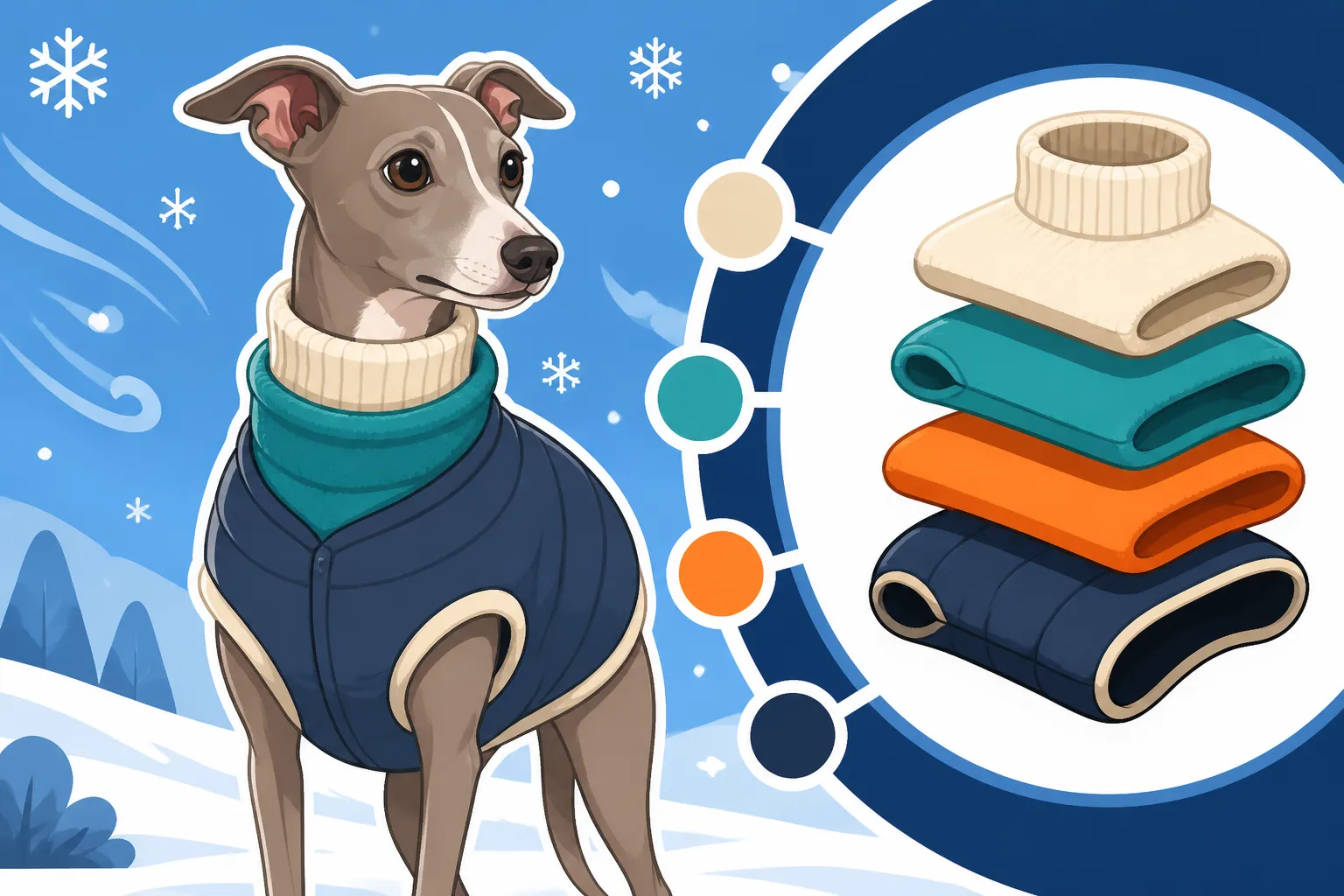
Think of layering for your Italian Greyhound like you would for yourself in cold weather: base, mid, and outer.
- Base Layer: This is typically a close-fitting sweater or thermal shirt. Fleece is an excellent choice as it's soft, warm, and wicks away moisture. Cotton can get cold and stay wet if it absorbs moisture. Look for something that covers the chest and ideally extends over the rump.
- Mid Layer: On top of the base layer, you'll add another sweater or a vest for extra insulation. This layer traps air, providing crucial warmth. Again, fleece or a thick wool blend works well. This layer might be skipped if the outer layer is extremely thick.
- Outer Shell: This is your protective barrier against wind, snow, and rain. A waterproof or water-resistant coat is paramount. It should be durable and cover as much of their body as possible, ideally from neck to tail, and down over their chest and belly. Many excellent options are available from retailers like Chewy or Amazon, offering everything from simple fleece-lined raincoats to heavy-duty winter parkas.
The goal is to create a system that can be adjusted. If it's just barely below freezing and not windy, perhaps a thick base layer and a good outer coat are enough. If it's truly frigid, all three layers are your best bet.
Specific Layering Strategies for Different Scenarios
Not every outdoor excursion calls for the same extreme gear. Tailoring your Italian Greyhound's outfit to the activity is key to their comfort and your sanity. You don't want to overdress them for a quick trip outside only for them to get too hot inside, and you certainly don't want to underdress them for a longer adventure.
Quick Potty Breaks in Extreme Cold
For those desperate dash-outs when your IG really needs to go, and it's bitter cold, you need speed and efficiency. A thick, well-insulated coat that's easy to put on and take off is critical. Look for coats with quick-release buckles or large Velcro closures. In addition to the coat, protective booties are non-negotiable for their delicate paw pads on frozen or salted ground. Don't forget ear coverage if it's windy. The goal here is maximum warmth for minimum fuss, allowing them to do their business quickly and get back inside before the cold has a chance to set in. You want to make the experience as comfortable as possible so they don't develop a phobia of cold-weather potty breaks. When an Italian Greyhound Needs Boots in Snow provides more insight.
Longer Walks and Outdoor Play
If you're planning more than a five-minute potty break, a full layering strategy is essential. This typically means the base layer (a warm fleece), a mid-layer (another sweater or vest), and a robust, waterproof outer coat. Don't skip the boots; even a short walk can be brutal on unprotected paws. Many owners also find a snood or balaclava-style head covering helps tremendously, keeping those large, thin ears warm. For prolonged exposure, consider taking short walks rather than one long one, allowing your IG to warm up inside between outings. Observe your Italian Greyhound closely for any signs of discomfort, like shivering despite layers, hunching, or lifting paws. These are clear signals it's time to head home.
Indoor Warmth When the Thermostat Drops
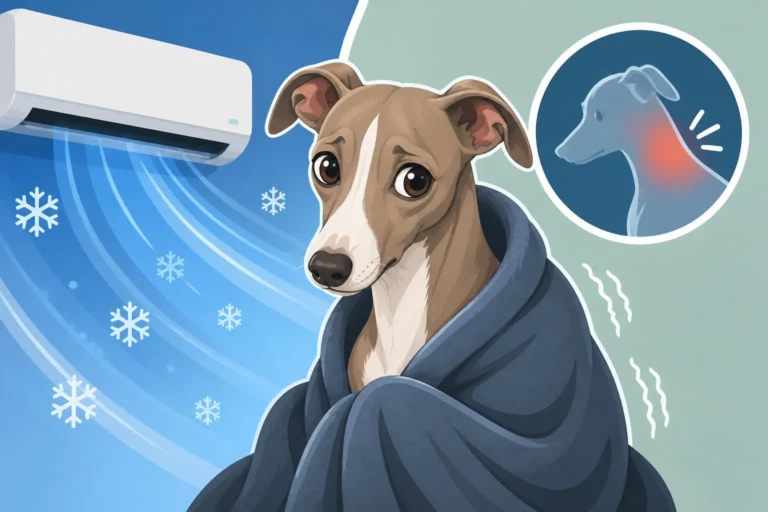
Even inside your cozy home, an Italian Greyhound can get chilly when temperatures outside plummet. Their thin skin and low body fat mean they feel drafts easily, and if your house isn't kept at a consistent 70°F (21°C) or higher, they might still shiver. During winter months, many Italian Greyhound owners will have their dogs wear a light fleece sweater indoors, particularly if they are prone to burrowing into blankets or seeking out sunbeams. This additional layer of indoor clothing, easily found on platforms like Chewy or Amazon, can make a huge difference in their overall comfort and energy levels. Paired with a warm bed – perhaps one of the orthopedic beds that are designed to protect their bony joints – they can stay truly comfortable. When an Italian Greyhound Needs a Sweater Indoors talks more about this.
Essential Gear Beyond Clothing Layers
While coats and sweaters are your first line of defense, a truly comprehensive cold-weather plan for your Italian Greyhound involves other crucial pieces of gear. These items address specific vulnerabilities and ensure all-around protection.
Foot Protection
Italian Greyhounds have incredibly delicate paw pads that are not built for cold, hard, or chemically treated surfaces. Booties or paw protectors are absolutely vital when the ground is below freezing, covered in snow, ice, or even just wet from melting ice. Not only do they prevent frostbite, but they also protect against painful cracks and cuts from ice shards and irritation from de-icing salts and chemicals. It might take a little practice to get your IG used to wearing them, but the benefits far outweigh the initial awkwardness. Choose boots that fit snugly enough not to fall off but aren't so tight they restrict circulation. Look for brands known for durable, flexible materials that offer good grip.
Head and Ear Coverage
Those beautiful, large Italian Greyhound ears are unfortunately very susceptible to the cold. With minimal fur and no natural insulation, they can get painfully cold, and even experience frostbite, quite quickly. A snood or a hat designed to cover the ears can make a significant difference. Many are made from soft fleece or thermal fabrics, providing a much-needed layer of warmth for their sensitive extremities. This is especially important on windy days, as wind chill can rapidly draw heat away from their ears.
Portable Warmth for Car Rides
Even in a heated car, your Italian Greyhound might struggle to stay warm, especially if they've just been outside in the cold. The car might take a while to warm up, or they might be sitting near a window. Always have a warm, soft blanket or a dedicated heated car bed for them. Brands like Ollie often offer travel-friendly beds and accessories that can provide extra insulation and comfort on the go. This ensures that even when traveling, your Italian Greyhound is snuggled and secure, preventing any unnecessary shivering or discomfort.
Here's a quick reference guide to help you decide on the right layers:
| Temperature Range | Scenario | Recommended Layers | Additional Gear |
|---|---|---|---|
| 32°F (0°C) to 20°F (-6°C) | Quick Potty | Medium-weight insulated coat (e.g., fleece-lined nylon) | Boots (optional but recommended), Snood (if windy) |
| Longer Walk | Fleece base layer + Insulated/waterproof outer coat | Boots (highly recommended), Snood (essential if windy) | |
| 20°F (-6°C) to 10°F (-12°C) | Quick Potty | Heavyweight insulated coat (e.g., puffer-style) | Boots (essential), Snood (essential) |
| Longer Walk | Fleece base layer + Heavy sweater/vest (mid-layer) + Heavy insulated/waterproof outer coat | Boots (essential), Snood (essential) | |
| Below 10°F (-12°C) | Quick Potty | Maximum insulation: Thick thermal base layer + Expedition-grade insulated/waterproof coat | Boots (essential), Snood (essential) |
| Longer Walk | Multiple layers: Thermal base layer + Heavy sweater + Expedition-grade insulated/waterproof coat | Boots (essential), Snood (essential). Keep walks very short. | |
| Indoors (below 68°F/20°C) | Lounging | Light fleece sweater or dog pajamas | Heated bed, lots of blankets |
Remember, every Italian Greyhound is an individual, and some may be more sensitive to cold than others. Always watch your dog for signs of discomfort, even if they're bundled up. Their comfort is the best indicator of whether you've chosen the right layers. Feeling the cold more (Why an Old Italian Greyhound Feels the Cold More) as they age is another factor to consider for older dogs.
Disclaimer
This article is for general informational purposes only and does not constitute professional advice. Laws, prices and regulations vary by location and change over time. Consult a qualified professional for guidance on your specific situation.