Whether a Dremel Suits an Italian Greyhound’s Nails
The thought of trimming your Italian Greyhound's nails can send shivers down an owner's spine, especially when you know how delicate their little paws are and how easily a wrong snip could lead to pain or even a trip to the vet. Many of us have struggled with traditional clippers, fearing the dreaded "quick" and the subsequent bleeding and emotional trauma for both dog and human. This guide is here to walk you through whether a Dremel, or similar rotary tool, is a suitable and less stressful alternative for keeping your Iggy's nails in tip-top shape.
Why Traditional Nail Clippers Can Be a Nightmare for Italian Greyhound Owners
Let's be honest, clipping an Italian Greyhound's nails with traditional guillotine or scissor-style clippers can feel like defusing a tiny, ticking time bomb. The sheer anxiety surrounding this routine task is something many Iggy parents intimately understand. It's not just about the difficulty; it's about the unique physical and temperamental characteristics of our beloved Italian Greyhounds that make it such a fraught experience.
The Italian Greyhound's Delicate Anatomy and Long Quicks
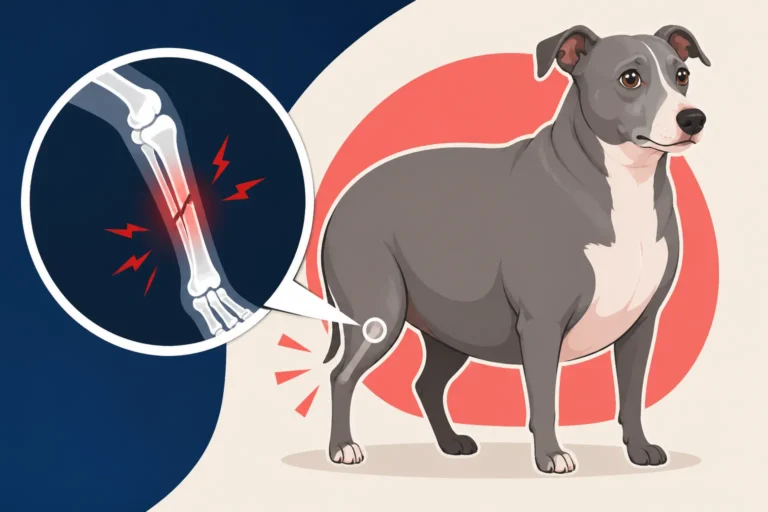
Italian Greyhounds, with their elegant, fine-boned structure, have nails that often seem disproportionately tricky to trim. Their nails tend to have a longer quick – the sensitive part containing blood vessels and nerves – compared to many other breeds. This is especially true for dogs with darker nails, where the quick is virtually impossible to see from the outside. A quicked nail isn't just a minor inconvenience; it's painful, it bleeds, and it can create a lasting fear of nail trims in your dog. The quick is a living part of the nail, and if it's consistently hit, it can even recede more slowly. Plus, consider their delicate bone structure. While a nail trim won't directly break a bone, the stress of a struggling dog combined with clumsy handling around their slender legs can certainly lead to other accidents. Why an Italian Greyhound's Radius Is the Bone That Breaks often comes from unexpected falls, and a bad experience during a nail trim could contribute to a dog trying to bolt or jump in fear.
The Fear, Flinching, and Frustration Cycle
It’s a tale as old as time for Iggy owners: you bring out the clippers, and your dog vanishes under the sofa. Italian Greyhounds are incredibly sensitive creatures, both physically and emotionally. A single bad experience with clippers – a quicked nail, a clumsy hold, or even just the sudden, sharp snip sound – can create a deeply ingrained aversion. This leads to a vicious cycle: the dog fears the clippers, so they resist, making the process harder and more stressful for you. You get frustrated, maybe rush, and the chances of a mistake increase, reinforcing your Iggy's fear. This isn't just about being "stubborn"; it's a genuine emotional response to a perceived threat. They don't understand it's for their own good; they only register discomfort and fear. This sensitivity is part of why Why Raising Your Voice Sets an Italian Greyhound Back a Month is such a critical concept in training these dogs – every interaction needs to be handled with gentle understanding.
Enter the Dremel: A Kinder Alternative for Italian Greyhound Nails
For many Italian Greyhound owners, the Dremel, or more accurately, a rotary tool designed for pet nail grinding, has been nothing short of a revelation. It offers a completely different approach to nail care, one that aligns much better with the sensitive nature and delicate paws of our beloved Iggies.
Gentle Grinding vs. Forceful Clipping
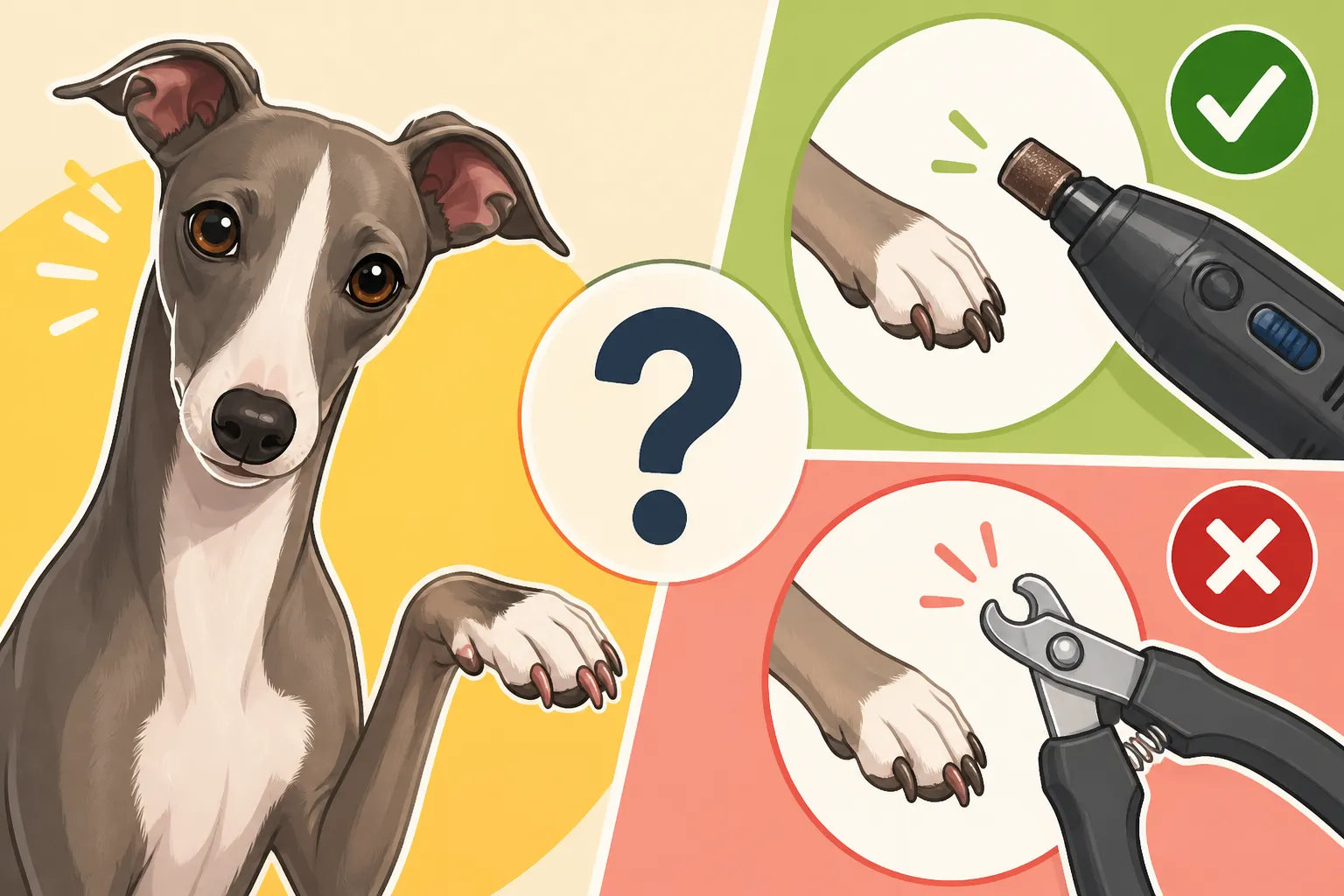
Unlike traditional clippers that snip or cut the nail, a rotary tool gently grinds it down. This might seem like a subtle difference, but it's monumental for an Italian Greyhound. The grinding action slowly wears away layers of the nail, giving you much more control and a clearer view of the quick's approach, especially on lighter-colored nails. You're not applying sudden pressure or a jarring force. Instead, it's a gradual, controlled reduction of the nail length. This significantly reduces the risk of cutting too far back and causing pain, which is the number one goal for most of us. This gentler approach can transform a terrifying ordeal into a tolerable, even calm, routine over time.
Benefits That Make Dremeling an Iggy-Friendly Choice
There are several compelling reasons why a Dremel often suits an Italian Greyhound's nails better than clippers:
- Reduced Risk of Quicking: Because you're taking off small amounts at a time, you can effectively "walk" the quick back over repeated sessions. This means you can get the nails much shorter and healthier without causing pain. This is a huge win, especially for Italian Greyhounds with naturally long quicks.
- Smoother Edges: Clippers often leave sharp, jagged edges that can scratch you, catch on carpets, or even splinter slightly. A Dremel creates a perfectly smooth, rounded edge, which is much kinder to your furniture, your skin, and your Iggy's own delicate skin. Cuts, Scrapes and an Italian Greyhound's Paper Thin Skin are common enough without adding sharp nails to the mix!
- Less Pressure Sensation: Many dogs dislike the squeezing sensation of clippers before the cut. The Dremel bypasses this entirely, focusing on vibrational removal of the nail. While some dogs are initially wary of the vibration, it's often easier to desensitize them to this than to the clamping pressure of clippers.
- Better for Dark Nails: While still challenging, a Dremel allows you to grind a little, then look, then grind a little more, making it easier to gauge your progress on dark nails where the quick is invisible. You can often see a small dark dot appear in the center of the nail, indicating you're getting close to the quick.
- Encourages Quick Recesssion: Regular, short Dremel sessions (2-3 times a week, just taking off a tiny bit each time) can encourage the quick to recede over time. This means healthier, shorter nails, which is vital for proper paw function and preventing issues like splayed toes or discomfort.
Choosing the Right Rotary Tool and Attachments
When looking for a rotary tool for your Italian Greyhound, you'll find a range of options. Many pet-specific models are available, often quieter and with specific safety features.
- Corded vs. Cordless: Cordless models offer more flexibility and no risk of your Iggy getting tangled in a wire. However, corded models often provide consistent power without worrying about battery life. For an Italian Greyhound, a cordless, rechargeable model tends to be a popular choice for maneuverability and convenience.
- Variable Speed Settings: This is crucial. You want a tool with at least two, preferably more, speed settings. Start on the lowest setting for less noise and vibration, especially during initial desensitization. As your dog becomes accustomed, you might increase the speed for more efficient grinding, but always observe their comfort.
- Grinding Bits/Bands: Most pet rotary tools come with sanding bands. You can also find diamond-tipped bits that last longer and may offer a smoother grind. Experiment to see what works best for your dog's nail texture and your comfort level. Many owners find replacements easily on platforms like Amazon or Chewy.
- Noise Level: Some tools are quieter than others. Read reviews from other pet owners to find a model known for its low noise and vibration, as this will greatly aid in your Iggy's acceptance of the tool.
A Step-by-Step Guide to Dremeling Your Italian Greyhound's Nails
Transitioning to a Dremel isn't an overnight process, especially if your Italian Greyhound already has a negative association with nail trims. It requires patience, positive reinforcement, and a consistent approach. Think of it as a journey, not a sprint.
Desensitization and Positive Association: The Foundation
Before you even turn the Dremel on and bring it near your Iggy, you need to build a positive association. This is perhaps the most critical step and one that cannot be rushed.
- Introduce the Tool Quietly: Let the Dremel sit out in the open, where your Iggy can see it, sniff it, and get used to its presence. Don't touch them with it yet. Reward calm curiosity with high-value treats.
- Sound Association: Turn the Dremel on in another room at its lowest setting. Keep it brief. When it's off, immediately give your Iggy a treat. Gradually, turn it on in the same room, but keep it at a distance. Keep the sessions short and positive, always ending before your dog shows signs of stress. Imagine pairing the sound with something delicious like a bit of cooked chicken or a spoonful of dog-safe peanut butter (like what you might find from Ollie or Chewy).
- Vibration Familiarization (Off): With the Dremel off, gently touch it to your Iggy's paws, then to their legs, then briefly to a nail. Reward lavishly for calm acceptance. The goal is to make the tool a non-threatening object.
- Vibration Familiarization (On): Once they are completely comfortable with the off tool, turn it on (lowest setting) and let them feel the vibration against their body first – perhaps a shoulder or hip – and then quickly touch it to a nail for literally a second. Treat immediately. Build up duration slowly, always staying positive. Teaching an Italian Greyhound to Accept Nail Trims is all about these baby steps.
The Actual Dremel Session: Technique and Flow
Once your Iggy is tolerating the Dremel's presence, sound, and a brief touch, you can start actual grinding.
- Preparation is Key: Gather your supplies: Dremel, high-value treats, styptic powder (just in case), and a comfortable, well-lit space.
- Positioning: Find a comfortable position. Some owners hold their Iggy in their lap, others sit on the floor with their dog. You might need a second person to help hold your dog or dispense treats, especially in the beginning.
- Isolate the Toe: Gently hold your Iggy's paw, isolating the toe whose nail you're working on. Use your thumb and forefinger to push the paw pad slightly back and the hair away from the nail. This gives you a clear view and prevents fur from getting caught in the Dremel.
- Grind in Short Bursts: Touch the Dremel to the tip of the nail for 1-2 seconds, then lift it off. Check your progress. Repeat. This prevents heat buildup, which can be uncomfortable for your dog.
- Angle Matters: Grind from the underside of the nail, moving towards the top, creating a smooth, rounded edge. Aim for a 45-degree angle. You want the nail to be almost flush with the paw pad when your Iggy is standing, but never grind into the quick.
- "Walking the Quick Back": By consistently grinding the tip, you encourage the quick to recede over time. You'll notice a small, dark, circular dot appear in the center of the nail when you're getting close. Stop well before that!
- Reward, Reward, Reward: After each nail, or even after a few seconds of successful grinding, give a treat. End the session on a positive note, even if you only managed one or two nails. It's better to do a few nails well than to force all of them and create a negative experience.
- Frequency: For optimal results and quick recession, aim for 2-3 short sessions per week, rather than one long, stressful session every month. This aligns with advice on How Often an Italian Greyhound's Nails Need Trimming.
Safety Precautions and Avoiding Mishaps
Even with the gentle approach of a Dremel, vigilance is essential.
- Heat Buildup: The friction from grinding generates heat. This is why short bursts are vital. If the tool feels warm to your touch, it's definitely too hot for your dog's nail. Give it a moment to cool down between applications.
- Catching Fur: Always push the fur back from the nail. Long Iggy feathers can easily get tangled in the rotating bit, which is painful and scary.
- Styptic Powder: Keep styptic powder or a styptic pencil handy. Even the most careful Dremeling can sometimes nick the quick, especially if it's very long. Don't panic; apply pressure and styptic powder immediately.
- Don't Rush: Trying to get too much done too quickly is the fastest way to create a bad experience. Patience is your best friend.
Overcoming Common Challenges with Dremeling an Italian Greyhound
While a Dremel offers many advantages, it's not without its initial hurdles. Italian Greyhounds are sensitive, and their reactions to new tools can vary widely. Understanding these challenges and having strategies to overcome them will ensure a smoother transition.
Fear of the Sound and Vibration
This is often the biggest obstacle for an Iggy when introducing a Dremel. The buzzing sound and the vibration can be very unsettling for a dog with such delicate senses. It's akin to someone bringing a loud, vibrating object near your fingers – not pleasant!
- Gradual Introduction, Amplified Positive Reinforcement: As mentioned in the desensitization steps, this is where you earn your stripes. Start with the Dremel off, then on in another room, slowly moving closer. Each successful step, no matter how small, must be met with their absolute favorite, high-value treat. Not just a kibble, but something truly irresistible, like small bits of cheese, cooked meat, or even a lick from a Which Toothpaste an Italian Greyhound Will Accept tube – anything that screams "jackpot!"
- Background Noise: Sometimes having some other background noise, like the TV or music, can help mask the Dremel's sound initially, making it less jarring.
- Muzzle Training (if necessary): If your Iggy is particularly prone to nipping or extreme stress, muzzle training before starting Dremel training can be a safety net. A positive association with a muzzle can make the whole process safer for both of you.
The Wiggling, Pulling Italian Greyhound
Italian Greyhounds are masters of escape and can turn into a squirming noodle when they want to avoid something. Their slender, agile bodies make them particularly adept at wriggling out of holds.
- The "Burrito Wrap" or Harness Hold: For some Iggies, a soft blanket burrito wrap can help provide a sense of security and limit excessive movement, while still allowing access to their paws. Alternatively, a well-fitting harness can give you a secure, gentle handle on them without putting pressure on their delicate neck.
- Two-Person Job: Especially in the beginning, having a second person can be invaluable. One person can gently hold the Iggy and dispense treats (often continuously), while the other focuses solely on the grinding. This allows for quicker, more efficient sessions and reduces the dog's opportunity to struggle. This is often the case for many grooming tasks, as Why an Italian Greyhound's Vet Should Know Sighthounds is about specialists who understand these breeds.
- Short, Sweet Sessions: If your Iggy is a wiggler, keep the sessions extremely short. Aim for one nail, or even just touching the Dremel to one nail for a second, and then release and praise. You want to finish before they start heavily resisting, leaving them with a positive memory.
When to Consider Professional Help
Sometimes, despite your best efforts, your Italian Greyhound simply cannot tolerate nail trims at home, or you might not feel confident enough to proceed. There's absolutely no shame in seeking professional assistance.
- Veterinary Technicians: Many vet clinics have highly skilled veterinary technicians who are experts at handling anxious dogs and performing nail trims with Dremels. They often have specialized restraint techniques and can work quickly and efficiently. If your Iggy needs Sedation for an Italian Greyhound's Nail Trim, a vet clinic is the only safe place for it.
- Professional Groomers (Sighthound-Experienced): Some professional groomers are experienced with sighthounds and using Dremels. Be sure to ask about their specific experience with Italian Greyhounds and their approach to nervous dogs.
- Behavioral Consultations: If the fear is profound and impacting other areas of your Iggy's life, a certified professional dog trainer or veterinary behaviorist might be able to help. They can provide tailored desensitization and counter-conditioning plans. Remember, How an Italian Greyhound Hides Pain – their stress might be deeper than you perceive.
| Feature | Traditional Clippers | Rotary Tool (Dremel) |
|---|---|---|
| Method | Cuts/snips the nail | Grinds down the nail |
| Risk of Quicking | High, especially with dark nails | Lower, with careful, gradual grinding |
| Nail Finish | Can leave sharp or jagged edges | Smooth, rounded edges |
| Sound | Sudden "snip" | Continuous hum/buzz |
| Vibration | Minimal | Present, can be a concern for some dogs |
| Control | Less control over tiny increments | More control, allows for small, precise removal |
| Quick Recession | Can be difficult to achieve | Easier to encourage quick recession with regular use |
| Ease of Use | Can be quick if dog cooperates | Requires more time per nail, initial training investment |
| Cost | Relatively inexpensive upfront | Higher upfront cost for tool, ongoing cost for bands/bits |
In conclusion, for many Italian Greyhound owners, the Dremel is not just a suitable alternative but a superior method for nail care. It offers a gentler, more controlled, and ultimately less traumatic experience for both pet and owner, leading to healthier nails and a happier Iggy.
Disclaimer
This article is for general informational purposes only and does not constitute professional advice. Laws, prices and regulations vary by location and change over time. Consult a qualified professional for guidance on your specific situation.