When to Skip an Italian Greyhound’s Winter Walk
When the winter winds whip through, and the air bites with an icy chill, many Italian Greyhound owners find themselves facing a familiar dilemma: should we brave the cold for our regular walk, or is it better to stay indoors? It's a question that weighs on us because we know just how delicate and sensitive these elegant little sighthounds are to low temperatures. This guide aims to help you understand the critical signs and conditions that necessitate skipping that outdoor winter walk, ensuring your beloved Italian Greyhound stays safe, warm, and healthy.
Understanding Your Italian Greyhound's Unique Cold Sensitivity
It's no secret that Italian Greyhounds aren't built for the tundra. Their slender bodies, fine coats, and minimal body fat make them incredibly susceptible to the cold. Unlike many other breeds with thick undercoats or more robust physiques, an Italian Greyhound's natural insulation is virtually non-existent. This isn't just about comfort; it's about their physiological well-being.
Why Italian Greyhounds Get Cold So Quickly
Their physical characteristics are a double-edged sword when it comes to cold weather. Italian Greyhounds possess very little body fat, often described as having Seventeen Percent Body Fat. This lack of adipose tissue means they don't have a natural insulating layer to trap heat close to their bodies. Furthermore, their short, single coat offers scant protection against biting winds or icy precipitation. Imagine stepping outside in a light t-shirt when it's freezing; that's essentially what your Italian Greyhound experiences without proper protection. Their high metabolism can generate heat, but it dissipates rapidly from their thinly-skinned bodies, especially from exposed areas like their ears, belly, and legs. This is why Why an Italian Greyhound Cannot Hold Its Own Heat is such a crucial factor in their winter care.
The Dangers of Exposure: Shivering and Hypothermia
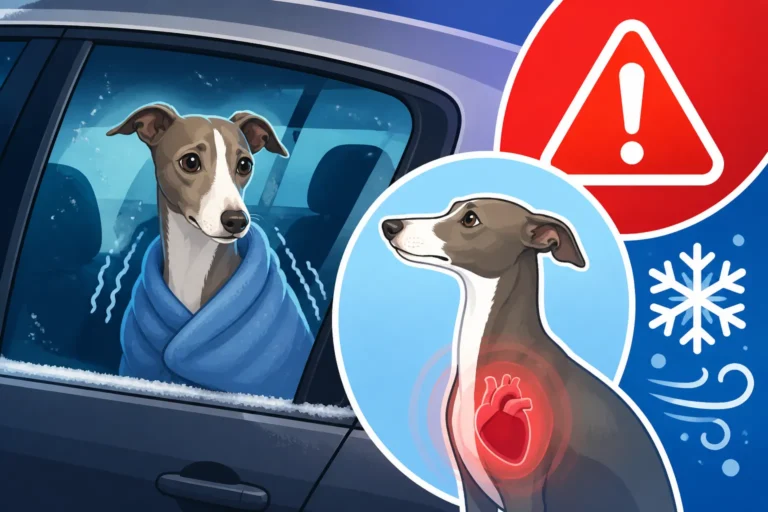
A shiver isn't just a sign of discomfort; it's an early warning from your Italian Greyhound's body that it's struggling to maintain its core temperature. When you see your Italian Greyhound start to shiver, especially vigorously or persistently, it means their body is expending vital energy trying to generate warmth. If this continues, they can quickly progress from shivering to a more serious state known as hypothermia. Hypothermia occurs when the body loses heat faster than it can produce it, leading to a dangerously low core body temperature. Symptoms can include lethargy, muscle stiffness, weakness, shallow breathing, and even collapse. It's not a risk to take lightly; even a short period of intense cold exposure can be dangerous for them. Recognizing The Indoor Temperature an Italian Greyhound Starts Shivering At is a good baseline, but outdoor conditions are far more variable and harsh.
Key Indicators It's Too Cold for an Outdoor Adventure
Deciding when to skip the walk isn't always about a number on a thermometer. It's a combination of factors, including the actual temperature, wind chill, precipitation, and your dog's individual resilience. Always err on the side of caution when in doubt.
Temperature Thresholds and Wind Chill
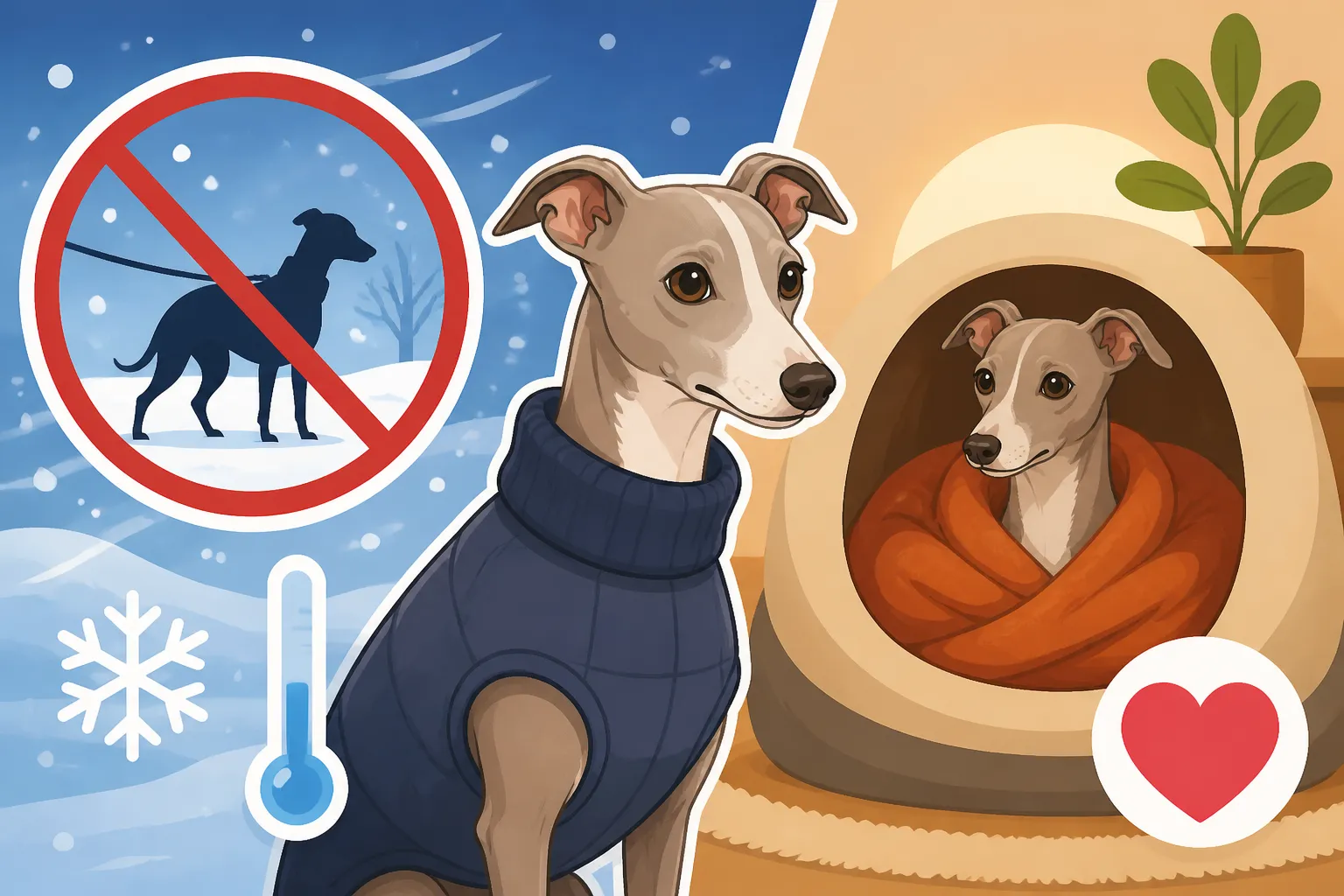
While every Italian Greyhound is a little different, there are general temperature guidelines that can help. Below 45°F (7°C), many Iggies will start to feel uncomfortable and will definitely need a sweater or coat, even for short potty breaks. When the temperature drops below 32°F (0°C), the risk of exposure-related issues increases significantly, and prolonged time outside is strongly discouraged. The crucial factor often overlooked is wind chill. A 30°F day with a 20 mph wind can feel like 15°F or colder to a thinly coated dog. Wind strips away what little warmth they might generate, making even moderate cold dangerous. You might think, "It's not that cold," but if you feel the wind cutting right through you, it's doing the same to your Italian Greyhound.
Precipitation and Icy Conditions
Rain, sleet, or snow add another layer of danger to winter walks. Wet fur, even a thin Italian Greyhound coat, loses its insulating properties almost immediately, drawing heat away from their body at an accelerated rate. Walking through snow means their delicate paws are directly exposed to freezing temperatures and potentially harmful ice melts. Ice itself presents a huge slipping hazard for their slender legs, increasing the risk of a fracture. A Broken Leg Is the Emergency Every Italian Greyhound Owner Fears, and icy conditions are prime culprits. Furthermore, the salt and chemicals used to de-ice sidewalks can burn their paw pads, leading to pain and potential infection. This is why Walking an Italian Greyhound in Snow requires careful consideration and often protective gear.
Your Italian Greyhound's Behavior and Age
Pay close attention to your dog's cues. Are they hesitant to go outside? Do they lift their paws, try to turn back towards the door, or shiver immediately upon stepping out? These are all clear signals that they are uncomfortable and that an outdoor walk is not a good idea. Younger puppies and senior Italian Greyhounds are even more vulnerable to the cold. Puppies haven't fully developed their thermoregulation, and older dogs, particularly those like Caring for an Italian Greyhound Past Eleven, often have less body fat, poorer circulation, or underlying health conditions that make them less tolerant to cold. A senior Italian Greyhound might also have arthritis, which can be exacerbated by cold, damp conditions, making a walk painful even if they seem willing.
Here's a quick guide to help you assess winter walking conditions:
| Temperature Range | Conditions | Recommended Action for Italian Greyhounds |
|---|---|---|
| Above 45°F (7°C) | Mild to cool, no significant wind/precipitation. | Short walks generally okay with a light coat. |
| 32°F – 45°F (0°C – 7°C) | Cold, risk of wind chill. | Needs a warm coat. Limit walks to 10-15 mins. Monitor for shivering. Paw balm recommended. |
| 20°F – 32°F (-7°C – 0°C) | Very cold, significant wind chill risk. | Needs a heavy coat, possibly multiple layers, and boots. Limit walks to 5-10 mins for potty breaks only. Active play indoors preferred. |
| Below 20°F (-7°C) | Extremely cold, high risk of frostbite/hypothermia. | Skip outdoor walks entirely. Potty breaks should be very brief, directly outside the door, with full protection (coat, boots). Focus on indoor exercise. |
| Any Temp with Rain/Sleet/Ice | Wet, icy, or extreme wind chill. | Skip outdoor walks entirely. Potty breaks as brief as possible. Prioritize indoor activities. Paw protection is vital. |
Keeping Your Italian Greyhound Active and Warm Indoors
Skipping an outdoor walk doesn't mean your Italian Greyhound has to be bored or cooped up. There are plenty of ways to keep them mentally stimulated and physically active right in the comfort of your home. This is where a little creativity and forward-thinking come in handy.
Creative Indoor Exercise Ideas
When it's too frigid for a proper stroll, you'll need to channel that Italian Greyhound energy indoors. Indoor zoomies are a common sight, but you can direct that enthusiasm. Playing fetch with soft toys in a long hallway or a clear living space can burn off energy. Puzzle toys are fantastic for mental stimulation, making your Iggy "work" for their treats. You can also teach new tricks or practice obedience commands, which are great brain exercises. Consider setting up a mini agility course with household items – blankets draped over chairs for tunnels, pillows for low jumps (be mindful of their fragile legs!), or weave poles made from broomsticks. Remember, mental exercise can be just as tiring as physical exercise for smart dogs like Italian Greyhounds. For items like puzzle toys, or even just soft balls for indoor fetch, you might find a great selection on platforms like Amazon or Chewy.
Maintaining Potty Routines in Extreme Cold
The biggest challenge when skipping walks is often the potty routine. Italian Greyhounds can be notoriously difficult to housetrain, and cold weather often causes regression. Why an Italian Greyhound Refuses to Go Out in Rain and snow is a common lament among owners. You might consider setting up an indoor potty area. This could be pee pads, or a real grass patch designed for indoor use. The key is to introduce it before the bad weather hits, so your Iggy is familiar with it. If they absolutely refuse to use an indoor setup, then extremely brief, targeted potty breaks outdoors are necessary. Dress them in a very warm, waterproof coat and boots, lead them directly to their spot, encourage them to go quickly, and bring them right back inside. Make these breaks purely functional, not for exploring or lingering. For multiple layers of How Many Layers an Italian Greyhound Needs Below Freezing, check out retailers specializing in sighthound clothing.
Ensuring Warmth and Comfort Inside
Even indoors, Italian Greyhounds can get chilly, especially in drafty homes or if they're not actively moving. Providing ample warmth and comfort is paramount. Ensure they have access to cozy beds, preferably orthopedic ones that protect their delicate joints and provide insulation from cold floors. The Bedding a Thin Skinned Italian Greyhound Actually Needs often involves memory foam or deep, soft cushions. Many Italian Greyhounds adore snuggle sacks or caves, which allow them to burrow and create their own warm cocoon. Heated beds are another excellent option, offering consistent warmth during colder days and nights. Don't forget their indoor attire! Many Iggies wear light sweaters or pajamas indoors during winter to help maintain their body temperature. This helps prevent that constant shivering even when inside. What an Italian Greyhound Wears Indoors in Winter isn't just a fashion statement; it's a necessity.
Essential Winter Gear and Preparedness for the Occasional Walk
Even if you're skipping most walks, there will be times your Italian Greyhound needs to venture out, even for a few minutes. Having the right gear and a solid preparedness plan is key to keeping them safe.
The Right Cold Weather Clothing
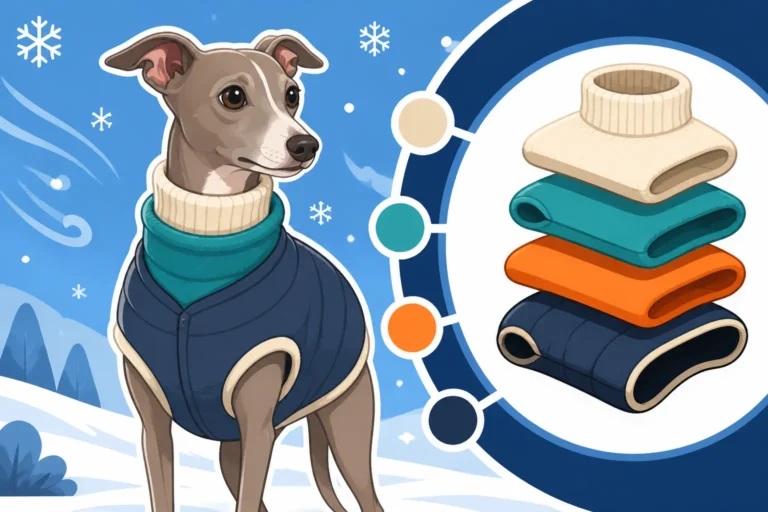
Investing in high-quality, well-fitting winter clothing is non-negotiable for an Italian Greyhound. You'll need more than just a flimsy jacket. Look for coats that are insulated, waterproof, and cover their chest and belly thoroughly. Layering can be very effective: a soft sweater underneath a waterproof, insulated coat provides maximum warmth. Remember, the fit is crucial for Italian Greyhounds; their deep chests and narrow waists mean off-the-rack coats often don't fit well. Brands that specialize in sighthound clothing are often the best bet, as they tailor to their unique physique. You might find a good selection of specialized coats on Chewy or even small businesses on Amazon. For extreme cold, a balaclava or snood that covers their ears can also be beneficial, as their large ears can lose heat quickly. How Many Coats an Italian Greyhound Needs often surprises new owners, but having options for different conditions is wise.
Paw Protection and Care
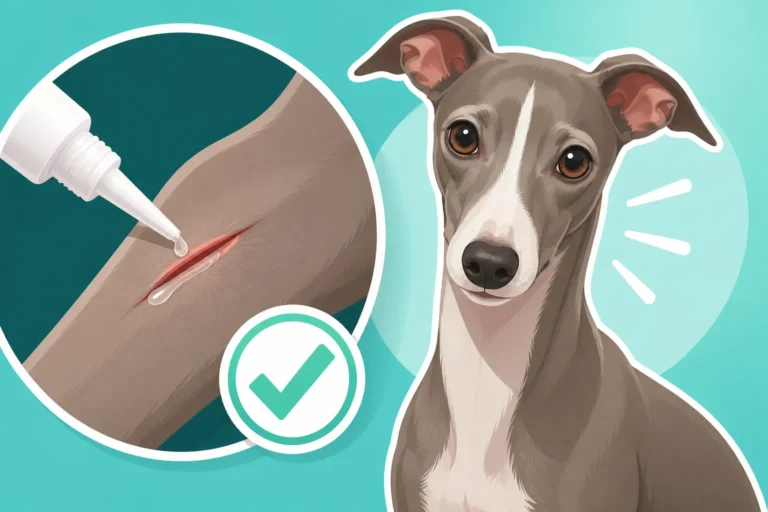
Paw pads are highly vulnerable to winter elements. Cold pavement, ice, snow, and especially de-icing chemicals can cause chapping, cracking, and even chemical burns. Doggie boots are the best defense. It can take some time to get your Iggy accustomed to wearing them, so start practicing indoors before the truly cold weather hits. Look for boots that are flexible, offer good traction, and stay on securely – which can be a challenge with their dainty feet! If boots aren't an option for very brief outings, apply a protective paw balm before going out to create a barrier, and then immediately wipe and rinse their paws when you come back inside. This removes any salt or chemicals. Regularly check their paw pads for any signs of redness, cracking, or irritation. If When an Italian Greyhound Needs Boots in Snow is something you're considering, start training now.
Emergency Preparedness and Vet Contacts
Even with the best precautions, accidents can happen. Keep an emergency kit handy that includes a warm blanket, a small towel to dry wet fur, and basic first-aid supplies. Know the signs of hypothermia and frostbite. If your Italian Greyhound shows any severe symptoms after cold exposure, contact your veterinarian immediately. It’s also wise to have a veterinarian who understands the unique needs of sighthounds, as they can sometimes react differently to medications or anesthesia. Knowing Why Anesthesia Is Handled Differently in an Italian Greyhound is something a good sighthound vet will be acutely aware of. Being prepared for the worst, while hoping for the best, is part of responsible Italian Greyhound ownership in winter.
Ultimately, your Italian Greyhound relies on you to make smart decisions about their well-being, especially when the weather turns harsh. By understanding their unique vulnerabilities and providing the right protection and indoor alternatives, you can ensure they remain happy, healthy, and warm throughout the coldest months.
Disclaimer
This article is for general informational purposes only and does not constitute professional advice. Laws, prices and regulations vary by location and change over time. Consult a qualified professional for guidance on your specific situation.