Whether an Italian Greyhound’s Growth Plates Change the Neuter Date
One of the most agonizing decisions we face as Italian Greyhound owners is when, or even if, to spay or neuter our beloved companions. Beyond the obvious concerns of population control and preventing certain cancers, there's a growing awareness of how timing this common surgery can impact a dog's long-term orthopedic health, especially in a breed as finely built as the Italian Greyhound. This guide is here to shed light on how growth plates factor into that decision, helping you understand the implications for your Iggy's delicate bone structure.
Understanding Growth Plates and Their Importance
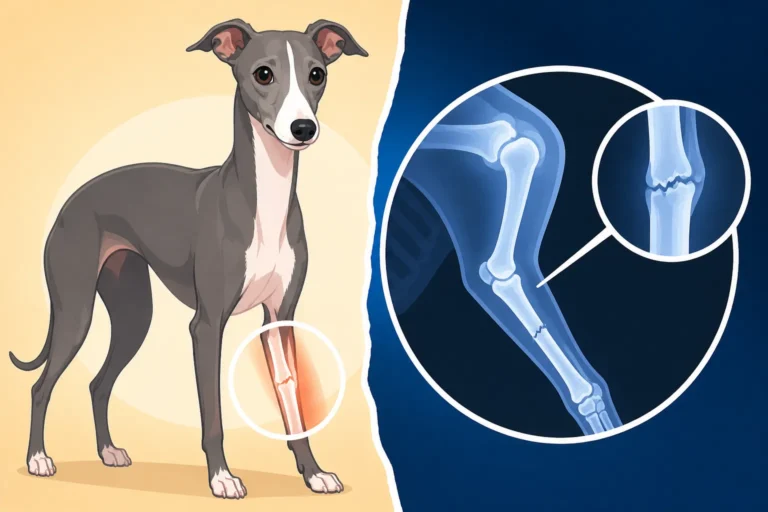
You know how slender and elegant your Italian Greyhound's legs are, right? They're part of what makes them so unique and beautiful, but also a source of constant worry for us owners. These long, delicate bones are formed through a process that relies heavily on structures called growth plates, or epiphyseal plates. Think of growth plates as the crucial "construction zones" at the ends of your puppy's long bones – the femur, tibia, radius, and ulna, for example. These areas are made of cartilage, not yet hardened bone, and they are where new bone tissue is generated, allowing the bones to lengthen as your puppy grows from a tiny, energetic whirlwind into a graceful adult.
Until these growth plates "close" and turn into solid bone, they are incredibly vulnerable. They're weaker than the surrounding bone and can be easily damaged, especially in a breed like the Italian Greyhound where the bones are already quite fine. A growth plate fracture, especially in a young, growing Italian Greyhound, can lead to uneven bone growth, limb deformities, or even long-term lameness. This is precisely why we're so careful about jumping and rough play during their puppyhood. You've heard stories about Iggies breaking legs from seemingly minor incidents, and often, it's a growth plate injury that causes the real trouble. The process of these plates turning from soft cartilage to hard bone is called ossification, and it's a gradual process that continues throughout their first year, sometimes even into their second year, depending on the individual dog. The Age an Italian Greyhound's Bones Finish Hardening is a critical factor to understand here.
The Impact of Hormones on Growth Plate Closure
Now, here's where neutering comes into play. The timing of growth plate closure isn't just a random biological clock; it's significantly influenced by a dog's sex hormones – estrogen in females and testosterone in males. These hormones act as signals, telling the growth plates when to stop producing new cartilage and finally ossify into solid bone. When a dog is spayed or neutered, these hormone-producing organs (ovaries or testes) are removed. This means the body's natural signaling system for growth plate closure changes.
If you remove those hormones before the growth plates have naturally closed, what happens? Essentially, the growth plates stay open longer. This can lead to the bones growing to a slightly greater length than they would have otherwise. For a breed like the Italian Greyhound, which already has long, elegant limbs, this extended growth can sometimes result in disproportionately longer limbs and a narrower chest, impacting their overall conformation. While a few extra millimeters might not seem like much, in a breed known for its delicate bone structure and propensity for fractures, any alteration to the natural architecture can be a concern. It’s not just about length, but also about the density and strength that fully matured bone provides. A bone that grows longer due to delayed closure might also be slightly less dense or structurally different, potentially affecting its ability to withstand impact. This is a big part of why many owners are so concerned about the ideal timing, especially considering Why an Italian Greyhound's Leg Bones Break So Easily.
Weighing the Risks and Benefits of Early vs. Late Neutering
This is truly where the waters get murky, and there isn't a single "right" answer for every Italian Greyhound. It involves balancing various health, behavioral, and practical considerations. It's a discussion you'll want to have thoroughly with your trusted veterinarian, considering your specific dog's development and your lifestyle.
Early Neutering: Before Growth Plate Closure (Typically before 12-18 months)
Potential Benefits:
- Behavioral Advantages: Many owners and vets advocate for early neutering (especially for males) to mitigate certain behaviors like marking, aggression, or roaming. For females, it eliminates heat cycles, which can be messy and attract unwanted attention from intact males.
- Reduced Cancer Risk (Females): Spaying before the first heat cycle drastically reduces the risk of mammary tumors later in life. It also eliminates the risk of pyometra, a life-threatening uterine infection, and ovarian cancer.
- Population Control: An obvious benefit, preventing accidental litters.
Potential Risks (Orthopedic and otherwise):
- Orthopedic Concerns: As discussed, removing sex hormones too early can delay growth plate closure, potentially leading to longer, less dense bones. Some studies suggest a higher incidence of certain orthopedic issues like cruciate ligament tears or patellar luxation in dogs neutered very early, although the evidence is still debated and might vary by breed. For Iggies, whose bones are already a concern, this is a significant worry.
- Altered Conformation: The subtle changes in bone length can affect gait and overall body mechanics, which could theoretically increase strain on joints or predispose them to injury.
- Other Health Considerations: Some research indicates potential links between early neutering and a slightly increased risk of certain cancers (like osteosarcoma or hemangiosarcoma) or endocrine disorders (like hypothyroidism), although these findings are complex and breed-specific data for Italian Greyhounds is often limited.
- Anesthesia Risks: While generally safe, any surgery involves anesthesia. It's crucial your vet is experienced with sighthounds, as they metabolize anesthesia differently. Why Anesthesia Is Handled Differently in an Italian Greyhound is a must-read for any Iggy owner considering surgery.
Late Neutering: After Growth Plate Closure (Typically after 18-24 months)
Potential Benefits:
- Optimal Bone Development: This is the primary reason many Italian Greyhound owners and breeders now lean towards delaying the procedure. Allowing the natural surge of sex hormones to guide growth plate closure means bones develop to their intended length and density, potentially leading to stronger, healthier joints and reducing the theoretical risk of orthopedic issues associated with early neutering. Restricting an Italian Greyhound Under Two already helps protect these developing bones, and allowing natural closure complements this.
- Full Mature Conformation: Your Iggy will develop their complete, natural skeletal structure, which some argue is biomechanically stronger and less prone to injury.
Potential Risks:
- Behavioral Challenges: Intact males might be more prone to marking, escaping to find females, or exhibiting humping behavior. Intact females will go through heat cycles, which come with their own set of management challenges, including attracting males and potential mood swings.
- Increased Cancer Risk (Females): The longer a female remains unspayed, the higher her risk of mammary tumors. The risk of pyometra also increases with each heat cycle.
- Testicular Cancer (Males): While rare, intact males are at risk for testicular cancer. Neutering eliminates this risk entirely.
- Unwanted Pregnancy: If you have an intact female, managing heat cycles is paramount to prevent accidental litters.
Comparing Early vs. Late Neutering Considerations
Here's a quick overview of the trade-offs to consider, specifically with your Italian Greyhound's delicate nature in mind:
| Feature/Timing | Early Neutering (Pre-Growth Plate Closure) | Late Neutering (Post-Growth Plate Closure) |
|---|---|---|
| Growth Plate Closure | Delayed, potentially leading to slightly longer bones and altered conformation. | Optimal, allowing natural hormonal signals to facilitate proper bone density and length. |
| Orthopedic Health | Possible increased risk of certain joint issues (e.g., cruciate ligament tears), especially in susceptible breeds. | Potentially reduced risk of orthopedic issues, fostering stronger joint development. |
| Mammary Cancer (Females) | Significantly reduced risk if spayed before first heat. | Risk increases with each heat cycle; still eliminated post-spay but risk is higher. |
| Pyometra (Females) | Eliminated. | Risk increases with each heat cycle until spayed. |
| Testicular Cancer (Males) | Eliminated. | Risk present as long as testes are intact, though generally low. |
| Behavioral Issues | May help prevent marking, aggression, or roaming in males; eliminates heat cycle behaviors in females. | Intact behaviors (marking, roaming, heat cycles) may become established or continue until surgery. |
| Anesthesia Concerns | Requires careful anesthetic protocol for sighthounds; Bloodwork Before an Italian Greyhound's Anesthesia is vital. | Same anesthetic considerations apply. |
| Overall Physique | May result in a taller, more slender frame than genetically intended. | Allows for the development of the natural, robust physique for the breed, within its delicate standards. |
It's clear there's a lot to think about. When my own Iggy was a puppy, the discussions around this topic were already heating up, and it really made me question the traditional "fix them at six months" advice.
Making an Informed Decision for Your Italian Greyhound
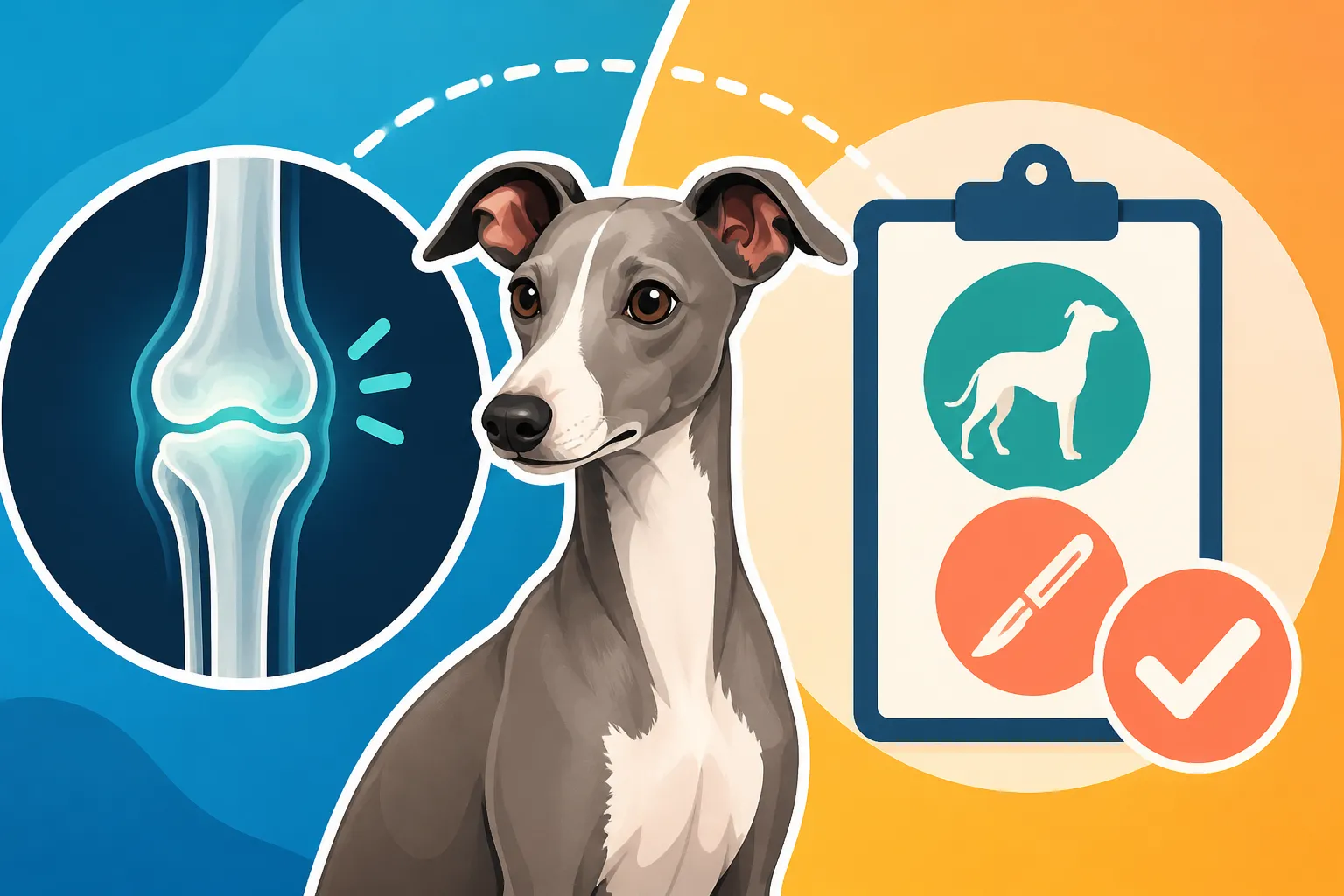
Ultimately, the decision of when to neuter your Italian Greyhound is a personal one, made in close consultation with your veterinarian. There's no universal answer that fits every dog or every owner.
Here’s how to approach this crucial discussion:
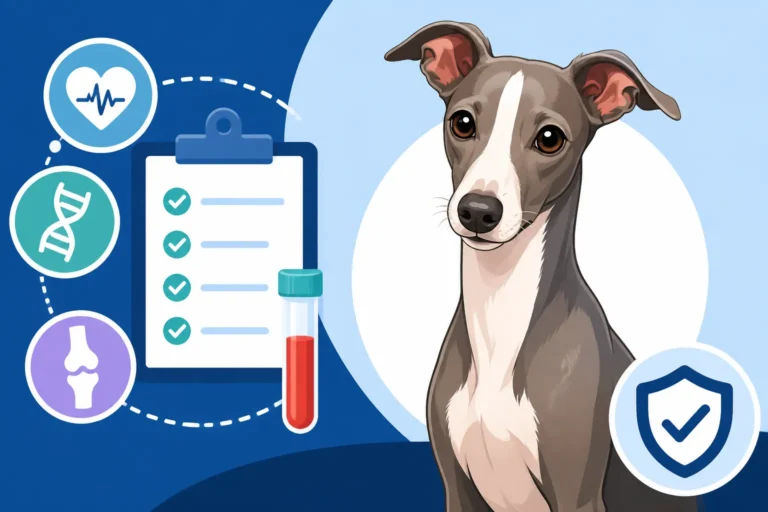
- Talk to Your Vet (and maybe a Specialist): Don't just accept a standard recommendation without asking questions. Ask your vet about their experience with Italian Greyhounds and their current recommendations regarding neutering timing for this specific breed. If your vet isn't deeply familiar with sighthound peculiarities, consider seeking a second opinion from a vet with sighthound experience or a board-certified veterinary surgeon. They can provide insights specific to the unique physiology of Italian Greyhounds.
- Observe Your Dog's Development: Pay attention to when your Italian Greyhound starts to mature physically. While you can't see growth plates, your vet can use X-rays to get an idea of their status, though this isn't routinely recommended just for neuter timing. Generally, most Italian Greyhounds reach near-skeletal maturity between 12-18 months, with some continuing to develop slightly beyond that. What an Italian Greyhound Should Weigh can also give you an idea of their physical development relative to breed standards.
- Consider Your Lifestyle and Environment:
- Do you have an intact male and female in the same house? Delaying neuter for one means meticulous management to prevent unwanted pregnancies.
- Does your male Iggy show signs of being a serious marker or highly driven to roam? Early neutering might offer behavioral relief, but weigh that against the orthopedic risks.
- Are you diligent about preventing escapes and supervising outdoor time? If your Iggy is a known escape artist, delaying neuter could mean increased risk of an accidental litter or getting lost.
- Can you manage a female through heat cycles, including the mess and the attention from males? This might involve doggy diapers, restricted walks, and careful supervision.
- Discuss Nutritional Support: Ensure your Iggy is on a high-quality diet that supports healthy bone development, regardless of neutering timing. Brands like Ollie, known for their fresh, human-grade ingredients, or high-quality kibble available through retailers like Chewy, can be excellent choices. Good nutrition is foundational for strong bones. Whether an Italian Greyhound Puppy Needs Extra Calcium is a common question, and generally, a balanced diet is better than supplements unless prescribed by a vet.
- Think About Pet Insurance: If you're delaying neutering to potentially reduce orthopedic risks, consider investing in pet insurance. Should an orthopedic issue arise later – whether related to neutering timing or not – a good policy from providers like Healthy Paws can help manage the significant costs of diagnostics, surgery, and rehabilitation. What an Italian Greyhound Costs Per Month can give you an idea of ongoing expenses, and insurance should be factored into that budget.
- Trust Your Gut (Informed Gut, That Is!): After gathering all the information, you'll need to make the choice that feels right for you and your Italian Greyhound. There's no shame in choosing a later neuter date if you're comfortable with the management required, and there's no shame in an earlier date if it's the best decision for your family and your dog's specific behavioral needs. The key is to make it an informed decision.
Remember, this is about providing your Italian Greyhound with the best possible chance at a long, healthy, and comfortable life. By carefully considering their unique physical needs, especially concerning their delicate growth plates, you can make the best choice regarding their neuter date.
Disclaimer
This article is for general informational purposes only and does not constitute professional advice. Laws, prices and regulations vary by location and change over time. Consult a qualified professional for guidance on your specific situation.