What an Older Rescue Italian Greyhound Needs Spent on It
Bringing an older rescue Italian Greyhound into your home is a truly heartwarming experience, full of the promise of providing a loving, comfortable retirement for a deserving dog. However, many prospective adopters find themselves a little overwhelmed when trying to budget for the actual costs beyond the initial adoption fee. It’s not just about what you pay upfront; it’s about understanding the unique and often higher financial commitment that comes with caring for a senior Italian Greyhound who might have an unknown past. This guide will meticulously break down the various expenses you can expect when opening your heart and home to an older Italian Greyhound rescue, helping you plan for a secure and joyful future together.
The Initial Adoption and Setup Costs
Even with the best intentions, the excitement of adopting can sometimes overshadow the practical financial preparations. For an older Italian Greyhound, these initial costs can sometimes be a bit more involved than for a younger pup, mainly due to potential pre-existing conditions or the need to adapt your home for their comfort.
Adoption Fees and What They Cover
When you adopt from a reputable Italian Greyhound rescue organization, there's usually an adoption fee. This fee isn't meant to make a profit; rather, it helps the rescue cover a portion of the significant expenses they incur caring for all their dogs. These costs include veterinary care, food, shelter, and sometimes even specialized training. For an older dog, the fee might be slightly lower than for a puppy, but it’s rarely negligible.
Typically, the adoption fee for an Italian Greyhound will include a lot of valuable services. You can usually expect your new companion to be spayed or neutered, up-to-date on core vaccinations, microchipped, and often dewormed. They might have also received a basic health check and any immediate necessary treatments. This means you're not starting from scratch with basic veterinary needs, which is a huge relief. However, always ask exactly what's included and if there's any information on the dog's past medical history, as this can be crucial for future budgeting.
Initial Vet Visit and Health Assessment
Once your senior Italian Greyhound is settled, one of the first things you absolutely must do is schedule a comprehensive initial vet visit. Even if the rescue provided recent vet records, a thorough check-up with your trusted veterinarian is vital. This is especially true for older rescues where their history might be spotty or unknown. Your vet can establish a baseline for their health and identify any emerging issues that might need attention.
This initial assessment will likely include a physical exam, bloodwork to check organ function (especially kidney and liver, which can start showing signs of wear in older dogs), and a urinalysis. These tests can uncover underlying conditions like early kidney disease, diabetes, or thyroid issues that aren't always apparent from outward signs. A thorough dental check-up is also paramount, as many IGs, particularly older ones, arrive with significant dental problems. This initial visit is an investment, but it’s one that can save you a lot of heartache and expense down the line by catching problems early.
Setting Up a Comfortable Senior Home
Italian Greyhounds are delicate little creatures, and as they age, their comfort and safety become even more important. You’ll want to make some specific adjustments to your home to prevent injuries and cater to their aging bodies. Think about areas where they sleep, eat, and navigate daily.
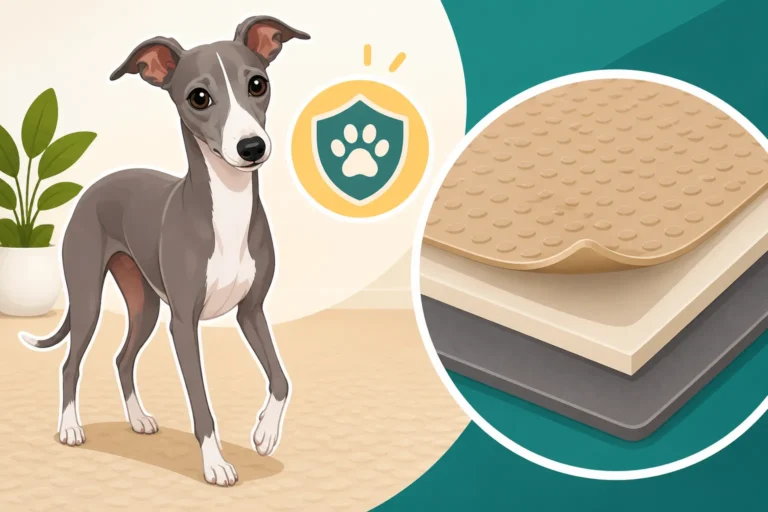
Comfortable, orthopedic bedding is a must. Their thin skin and bony bodies are prone to pressure sores, and aging joints will appreciate the extra support. Look for beds with good memory foam. Ramps and steps are also non-negotiable for an Italian Greyhound. They are notorious for jumping off furniture and breaking legs, and an older dog with less agility or poorer eyesight is even more susceptible. Installing Ramps and Steps for an Italian Greyhound's Furniture to sofas and beds will prevent dangerous leaps. Consider non-slip rugs on hard flooring to give them better traction, reducing the risk of slips and falls that can exacerbate joint pain or lead to fractures. These items, purchased from retailers like Chewy, can add up, but they are essential for your senior IG's safety and well-being.
Ongoing Health Needs of an Older Rescue IG
This is where the true cost of an older Italian Greyhound can really surprise new owners. Senior dogs, just like senior people, often come with a variety of health considerations that require ongoing management and financial commitment.
Addressing Dental Disease
Dental disease is, without a doubt, one of the most common and costly health issues for Italian Greyhounds, and it almost certainly will be a factor with an older rescue. Their tiny mouths are prone to overcrowding, leading to rapid plaque and tartar buildup. By the time an Italian Greyhound reaches senior status, many will have advanced Periodontal Disease Is the Italian Greyhound's Most Common Diagnosis, requiring professional intervention.
A dental cleaning under anesthesia is often the first step, but for older dogs, this can quickly escalate to multiple extractions. Infected or rotten teeth cause immense pain and can lead to systemic health problems if bacteria enter the bloodstream, affecting organs like the heart and kidneys. Expect to budget for at least one, and likely several, comprehensive dental procedures throughout their senior years. While preventive home care, like daily brushing, is essential, it often can't reverse years of neglect. Some pet insurance plans, like those offered by Healthy Paws, might cover portions of dental care, but often only if it's due to an accident, or requires specific endorsements for routine cleanings or pre-existing conditions. Always check the policy details carefully.
Managing Arthritis and Joint Pain
As Italian Greyhounds age, like many breeds, they can develop arthritis and other forms of joint pain. This might be a natural part of aging, or it could stem from past injuries, even those that healed years ago. An older rescue might come with a history of a broken leg, which can lead to Arthritis in an Italian Greyhound's Healed Leg later in life.
Signs of arthritis might include stiffness, limping after rest, reluctance to jump or use stairs, or even changes in temperament due to discomfort. Diagnosis typically involves a physical exam and X-rays. Treatment can range from daily oral supplements, anti-inflammatory medications, pain relievers, and even therapeutic laser treatments or acupuncture. These are ongoing costs. Your vet might recommend a prescription diet formulated for joint health, or supplements that you can easily order from sites like Chewy. Monitoring their comfort and adjusting their medication as needed will be a continuous process, and the costs associated with these treatments can be substantial over several years.
Screening for Age-Related Conditions
Older Italian Greyhounds are susceptible to a range of age-related health conditions that require regular screening and, if diagnosed, ongoing medical management. These conditions can significantly impact their quality of life and your veterinary budget.
For instance, Hypothyroidism in an Italian Greyhound is not uncommon, and it can cause lethargy, weight gain, and skin issues. It's usually managed with daily medication for life. Heart murmurs, particularly The Heart Murmur an Old Italian Greyhound Develops (mitral valve disease), are another concern, often requiring regular cardiac check-ups, medication, and possibly specialized imaging like an echocardiogram. Eye conditions like cataracts or Progressive Retinal Atrophy in an Italian Greyhound can also develop, potentially leading to vision loss and requiring specialized veterinary ophthalmologist visits. These screenings and potential treatments add to the overall cost of caring for a senior IG. Early detection can lead to better outcomes and allow you to manage conditions before they become emergencies.
Nutrition and Daily Care Adjustments for Seniors
Beyond medical care, the day-to-day care for an older Italian Greyhound also shifts. Their bodies change, their preferences might evolve, and their overall needs become more specific.
Dietary Changes for Senior IGs
An older Italian Greyhound’s metabolism slows down, and their activity levels typically decrease. This means their caloric needs will change, and feeding them the same amount of food they ate as a younger dog could lead to unhealthy weight gain, which puts extra strain on their joints. On the flip side, some older dogs might become very finicky eaters, especially if they have dental pain or other health issues.
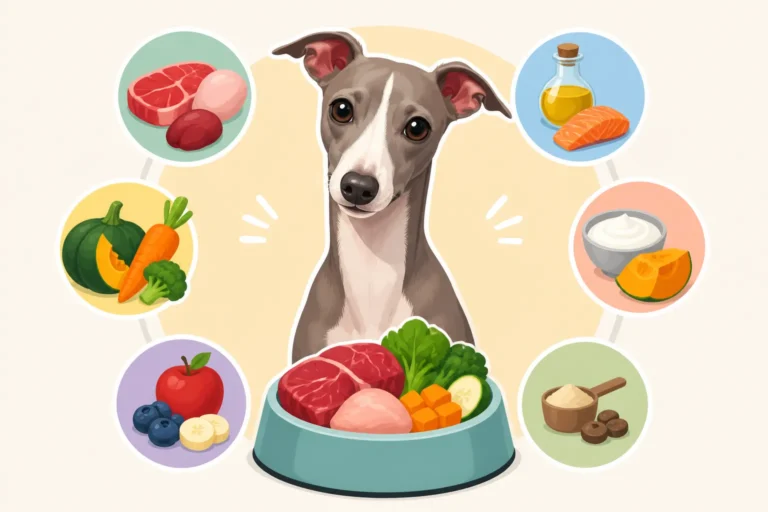
Your vet can help you determine the right food and portion size for your senior IG. Many companies offer senior-specific formulas designed with fewer calories, higher fiber, and added joint support. Some older Italian Greyhounds might struggle with hard kibble due to missing or sore teeth, making wet food or a fresh food diet a better option. Companies like Ollie, which deliver fresh, human-grade dog food, could be a great choice for a picky senior IG or one needing a softer diet. While potentially more expensive than traditional kibble, ensuring they eat and get proper nutrition is paramount.
Keeping Them Warm and Comfortable
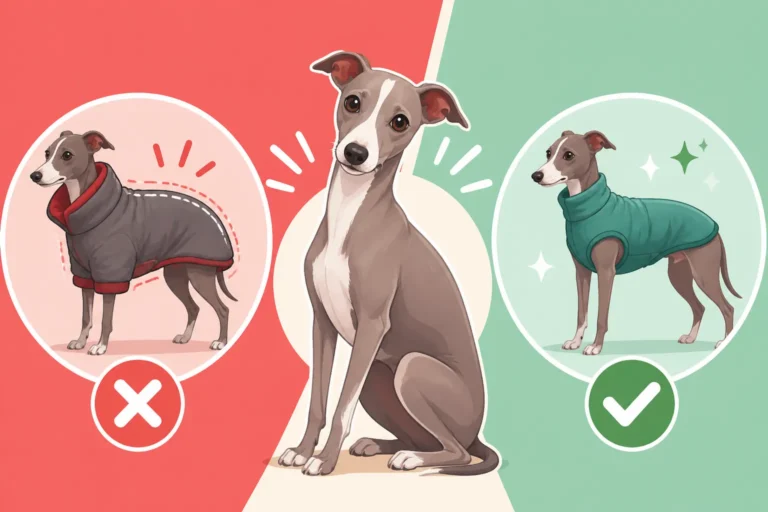
Italian Greyhounds are notoriously sensitive to cold due to their minimal body fat and fine coats. As they age, this sensitivity can become even more pronounced. Why an Old Italian Greyhound Feels the Cold More is simple: they have less insulation and often less robust circulatory systems. Maintaining a consistently warm environment is crucial.
This means investing in a wardrobe of sweaters, coats, and even pajamas for indoors, especially during cooler months. Heated beds are often a godsend for senior IGs, providing soothing warmth for aching joints and ensuring they don't get chilled overnight. Keeping an Italian Greyhound Warm Is Daily Work, Not a Winter Job, not just a winter chore. You'll likely find yourself constantly checking the thermostat and ensuring they have access to cozy, burrow-friendly blankets at all times. This commitment to warmth impacts your energy bill and your shopping habits, as you search for the best-fitting, warmest attire for their unique physique.
Grooming for Older Italian Greyhounds
Grooming an Italian Greyhound is generally low maintenance, but for seniors, certain aspects become more important. Their skin can become thinner and more fragile, and their nails, if not kept short, can impact their ability to walk comfortably.
Regular nail trims are essential for all dogs, but especially for seniors who may have less muscle strength to compensate for long nails. Overgrown nails can push their toes out of alignment, causing pain and making walking difficult. Your vet or a skilled groomer can help if you're uncomfortable doing it yourself, but it's a routine expense. How Often an Italian Greyhound's Nails Need Trimming will depend on activity level, but expect it to be a consistent need. Ear checks and gentle cleaning, especially of their folded ears, should also be part of the routine to prevent infections. While Italian Greyhounds don't shed much and rarely need baths, occasional gentle bathing with a moisturizing shampoo can help prevent dry, flaky skin which can become more common with age.
Behavioral and Training Considerations
Bringing an older rescue into your home means navigating their past experiences and helping them adapt. While some seniors are perfectly adjusted, others might come with baggage that requires patience, understanding, and sometimes professional help.
Potential Housetraining Regression
One of the most common challenges with an older rescue, particularly an Italian Greyhound, is housetraining. Even if they were once perfectly trained, stress from a new environment, anxiety, or age-related changes like decreased bladder control can lead to regression. Housetraining an Italian Greyhound Is the Hardest Part of Owning One for many owners, and it doesn't necessarily get easier with an older dog.
You might find your senior IG having accidents inside, or struggling to ask to go out. Patience is key, along with a consistent routine, frequent potty breaks, and positive reinforcement. Sometimes, medical issues like a urinary tract infection or early kidney disease can contribute to accidents, so always rule out health problems with your vet. You might need to consider indoor potty options, like pee pads or a litter box setup, especially if your dog struggles with cold weather or has limited mobility.
Managing Anxiety and Adjustment
Older rescue dogs have often experienced significant upheaval in their lives, which can manifest as anxiety. They might have been surrendered by previous owners, lost a beloved companion, or come from a chaotic environment. Signs an Italian Greyhound Has Separation Anxiety can include destructive chewing, excessive barking, or inappropriate urination when left alone.
Helping an older Italian Greyhound adjust requires immense patience and a predictable routine. Provide them with a safe, cozy space of their own, like a crate with soft bedding, or a quiet room. Gradual desensitization to being alone, enrichment toys, and sometimes even medication prescribed by your vet can help manage anxiety. This isn't just a behavioral issue; severe anxiety can impact their physical health and your peace of mind, so addressing it is crucial.
Enrichment and Gentle Exercise
While older Italian Greyhounds might not have the boundless energy of a puppy, they still need mental and physical stimulation to stay healthy and happy. Their exercise needs will likely be more moderate, focusing on gentle walks rather than intense play.
Short, frequent walks are often better than one long excursion, allowing them to stretch their legs and explore at their own pace without overexerting aging joints. Mental enrichment is also vital. Puzzle toys, gentle training sessions (even teaching new tricks!), and interactive play can keep their minds sharp. Avoid high-impact activities or long periods of running, especially on hard surfaces. The goal is to maintain their mobility and cognitive function, not to push them beyond their comfort zone.
The Long-Term Financial Commitment
Adopting an older Italian Greyhound is a commitment for the remainder of their life, and it's essential to consider the financial implications of their golden years.
Pet Insurance for Senior Dogs
Pet insurance can be a lifesaver for unexpected veterinary bills, but it can be trickier to navigate with an older rescue. The primary challenge is that most insurance policies won't cover pre-existing conditions. If your senior Italian Greyhound already has a diagnosis like arthritis, heart murmur, or significant dental disease when you enroll, those specific conditions will likely be excluded from coverage.
However, pet insurance can still be beneficial for new conditions that arise after enrollment. Accidents, sudden illnesses, or entirely new age-related diagnoses could still be covered, helping to offset costs. Companies like Healthy Paws offer various plans, and it's worth getting quotes and understanding what is (and isn't) covered. Researching different providers and their policies for older animals is critical to determine if it's a worthwhile investment for your specific situation.
Budgeting for the Unexpected
Even with pet insurance, it's wise to have an emergency fund specifically for your Italian Greyhound. Older dogs are simply more prone to unexpected health issues, from sudden injuries to acute illnesses. These emergencies often come with significant veterinary bills, sometimes requiring specialist consultations, diagnostics, or even emergency surgery.
Having What an Emergency Fund for an Italian Greyhound Should Hold is really about having peace of mind. A sudden illness, like pancreatitis or a gastrointestinal upset, can quickly lead to overnight hospitalization, IV fluids, and extensive testing. These costs can easily run into thousands of dollars. Without a dedicated fund, you might find yourself in a difficult position, forced to make tough decisions under pressure. Setting aside a little each month specifically for your dog's future health needs can make all the difference.
End-of-Life Care Considerations
While it's a difficult topic to consider, budgeting for end-of-life care is an important part of responsible senior pet ownership. Older dogs eventually reach a point where their quality of life declines, and difficult decisions may need to be made.
This can include ongoing palliative care to manage pain and discomfort, specialized diets, or mobility aids. Eventually, humane euthanasia might be the kindest option. The costs associated with euthanasia, private cremation, or burial services can vary widely. Planning for these expenses ahead of time, even if emotionally challenging, ensures that you can provide your beloved Italian Greyhound with a peaceful and dignified farewell when the time comes, without added financial stress.
Cost Breakdown Table: Older Rescue Italian Greyhound Expenses
To help visualize the potential costs, here’s a table summarizing common expenses you might encounter when owning an older rescue Italian Greyhound. Keep in mind these are general ranges and can vary greatly by location, vet, and individual dog's needs.
| Category | Initial Cost (Estimate) | Ongoing Monthly/Annual Cost (Estimate) | Notes |
|---|---|---|---|
| Adoption Fee | $150 – $500 | N/A | Varies by rescue; often includes spay/neuter, vaccinations, microchip. |
| Initial Vet Check-up | $150 – $400 (with bloodwork) | N/A | Baseline health assessment, critical for older rescues. |
| Home Setup (Ramps, Beds) | $100 – $500 | N/A (replacement as needed) | Orthopedic beds, ramps for furniture, non-slip rugs. |
| Total Initial | $400 – $1400+ | Varies | This is just to get started! |
| Senior Dog Food | N/A | $30 – $80 | Specialized senior diets, softer foods, or fresh food (e.g., Ollie) can be more. |
| Medications/Supplements | N/A | $20 – $150+ | Arthritis meds, thyroid meds, heart meds, etc. Highly variable. |
| Dental Care | N/A | $500 – $2000+ (annual) | Cleanings, extractions. Can be a major recurring expense. |
| Regular Vet Visits | N/A | $100 – $300 (annual wellness) | More frequent checks might be needed for seniors. |
| Pet Insurance | N/A | $30 – $80 | Monthly premium, doesn't cover pre-existing conditions. |
| Grooming (Nails, Ears) | N/A | $10 – $30 | If done professionally. |
| Warming Gear | N/A | $20 – $100 (annual for new items) | Sweaters, coats, heated beds. |
| Emergency Fund | N/A | $50 – $100 (savings contribution) | Highly recommended for unexpected health crises. |
| Total Ongoing Annual | N/A | $800 – $4,000+ | This does not include any major unexpected surgeries or treatments beyond routine maintenance. |
This article is for general informational purposes only and does not constitute professional advice. Laws, prices and regulations vary by location and change over time. Consult a qualified professional for guidance on your specific situation.