What a Single Extraction Costs on an Italian Greyhound
It's a gut-wrenching feeling when you hear the vet say your sweet Italian Greyhound needs a tooth extracted. We all dread those phone calls after a dental cleaning, holding our breath to hear how many teeth our beloved little companion has to lose. Even a "single extraction" can sound like a small problem, but for an Italian Greyhound owner, it often comes with a bill that feels anything but small. This guide will help you understand what goes into the cost of pulling just one tooth, why it's often more complex than it sounds, and how you can prepare for these essential procedures.
Why a Single Tooth Extraction Becomes Necessary for Your Italian Greyhound
You might wonder why a single tooth, out of all 42 tiny teeth an Italian Greyhound starts with, would need to be removed. It’s not usually an isolated event; often, it's the culmination of ongoing dental issues or a sudden, unfortunate accident. Understanding the common culprits can help you be more vigilant.
The Ever-Present Threat of Periodontal Disease
Periodontal disease is, unfortunately, almost a given for Italian Greyhounds. Their mouths are simply not built to hold all those teeth neatly. With such a slender muzzle and small jaw, crowding is incredibly common, creating perfect little pockets for plaque and tartar to build up. Even with the best home care, it's an uphill battle. When tartar accumulates under the gum line, it leads to inflammation, infection, and eventually, the breakdown of the structures supporting the tooth.
This insidious process doesn't just loosen teeth; it creates deep pockets where bacteria thrive, eating away at the bone and ligaments. Sometimes, one tooth will be far more affected than its neighbors, becoming so loose or infected that extraction is the only way to alleviate pain and prevent the infection from spreading. It's not just about bad breath; it's about persistent, often hidden, pain for your dog. For more insights, consider Periodontal Disease Is the Italian Greyhound's Most Common Diagnosis.
Fractured Teeth and Retained Baby Teeth
Beyond gum disease, accidents happen. A dog might chew on something too hard – a bone, a hard plastic toy, or even a piece of ice – and chip or fracture a tooth. Italian Greyhounds, despite their delicate appearance, can be surprisingly powerful chewers when motivated. A fractured tooth, especially if the pulp is exposed, is incredibly painful and a direct route for bacteria into the bloodstream. These often require immediate extraction to prevent further suffering and infection.
Another common issue, particularly in younger Italian Greyhounds, is Retained Baby Teeth in an Italian Greyhound. Sometimes, the baby teeth don't fall out when the adult teeth erupt, leading to a double set of teeth. This crowding exacerbates tartar buildup and can even push adult teeth out of alignment or cause them to rot prematurely. If a baby tooth is retained and causing problems, it needs to be extracted to make way for the permanent tooth or to prevent damage to the surrounding adult teeth and gums. This isn't just cosmetic; it's crucial for the long-term health of their mouth.
Deconstructing the Cost: What Goes Into a Single Extraction
When you get that estimate for a single tooth extraction, it often feels like you're being charged for a full dental overhaul, even if only one tooth is targeted. That's because a "single extraction" is rarely a standalone procedure. It’s part of a comprehensive dental care process that requires a team, specialized equipment, and careful monitoring.
The Foundational Steps: Exam, Bloodwork, and Anesthesia
Before any tooth even gets touched, there are critical preparatory steps. First, your Italian Greyhound will undergo a thorough pre-surgical examination. This isn't just a quick look-over; it's a careful assessment of their overall health to ensure they are fit for anesthesia. Then comes the pre-anesthetic bloodwork. This is absolutely non-negotiable for an Italian Greyhound. These tests check organ function, particularly the kidneys and liver, and ensure there are no underlying issues that could complicate anesthesia. Remember, Italian Greyhounds are sighthounds, and like all sighthounds, they can be more sensitive to certain anesthetics and are prone to getting cold on the table because of their low body fat. This means the vet needs a detailed picture of their internal health to tailor the anesthetic protocol specifically for them.
The anesthesia itself is a significant part of the cost. It's not just a quick shot; it involves careful monitoring by trained veterinary staff. This includes tracking heart rate, breathing, blood pressure, and oxygen saturation throughout the entire procedure. Italian Greyhounds, with their fine bones and delicate systems, require extra vigilance. The time and expertise involved in safe anesthesia, especially for a breed like ours, means it contributes substantially to the overall bill. You can learn more about this by reading Why an Italian Greyhound Gets Cold Under Sedation and Why Anesthesia Is Handled Differently in an Italian Greyhound.
The Extraction Itself: Radiographs, Procedure, and Pain Management
Once your Italian Greyhound is safely under anesthesia, the real work begins. The first, and arguably most important, step in any dental procedure involving extractions is full-mouth dental radiographs (X-rays). You cannot effectively treat what you cannot see, and a significant portion of dental disease hides beneath the gum line. The radiographs reveal the extent of bone loss, hidden abscesses, fractured roots, and other issues that are invisible to the naked eye. Sometimes, what looks like a simple loose tooth on the surface is a severely infected root that requires a much more intricate extraction process. Without these X-rays, the vet would be operating blind, risking leaving behind fragments or missing other diseased teeth.
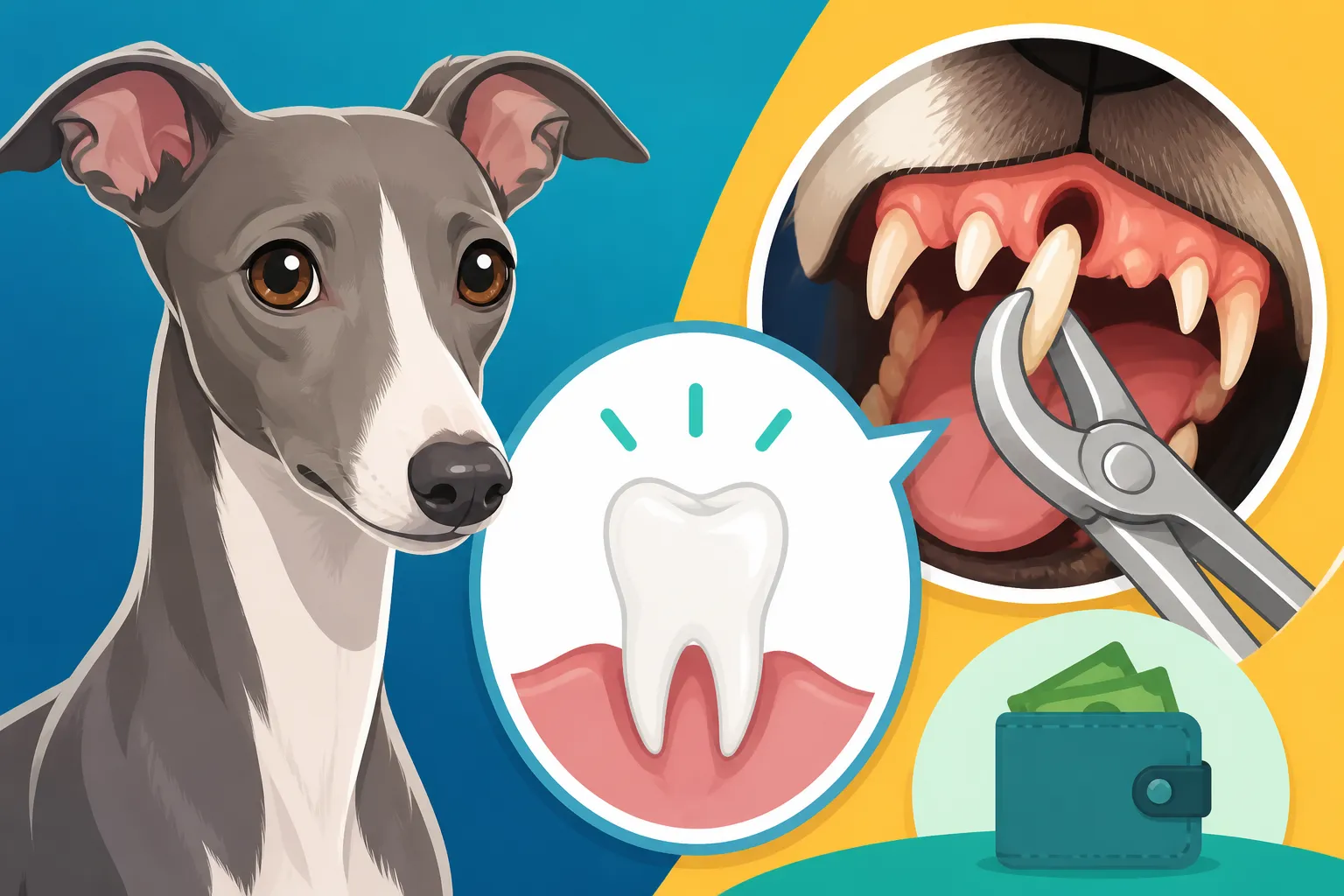
The extraction procedure for a single tooth isn't always a quick yank. If the tooth has deep roots or is particularly impacted by bone loss, it might require a surgical extraction. This means the vet needs to create a gum flap, carefully remove bone surrounding the tooth, extract it, and then suture the gum back into place. This is a skilled, time-consuming procedure requiring specialized dental instruments. After the tooth is out, the empty socket is cleaned and, in many cases, stitched closed.
Finally, pain management is paramount. Your Italian Greyhound will receive pain medication before, during, and after the extraction. This might include injectable pain relief during the procedure and oral medications to go home with for several days afterward. Ensuring your dog is comfortable post-operatively is not only humane but also aids in faster recovery.
Here's a simplified breakdown of the common components:
| Cost Component | Description |
|---|---|
| Initial Exam & Consultation | Pre-anesthetic physical check-up to assess overall health and discuss procedure. |
| Pre-Anesthetic Bloodwork | Essential lab tests to evaluate organ function (liver, kidneys) and blood cell counts, crucial for safe anesthesia in Iggies. |
| Anesthesia & Monitoring | Sedation, intubation, gas anesthesia, and continuous monitoring (heart rate, respiration, blood pressure, oxygen saturation) by trained staff. |
| Intravenous (IV) Catheter & Fluids | For direct access for medications and to maintain hydration and blood pressure during anesthesia. |
| Dental Radiographs (X-rays) | Full mouth X-rays to assess tooth roots, bone structure, and hidden disease, guiding extraction decisions. |
| Scaling & Polishing (Full Mouth) | Even if only one tooth is extracted, a full dental cleaning is almost always performed to address overall oral health. |
| Single Tooth Extraction | The actual removal of the diseased tooth, which can be simple or surgical depending on the tooth's condition and location. |
| Sutures/Materials | Sterile supplies, surgical blades, and suture material used for closing gum flaps. |
| Pain Medication | Injectable pain relief administered during and immediately after surgery, plus oral medications for home use. |
| Antibiotics (if needed) | Oral antibiotics prescribed to combat existing infection or prevent post-operative complications. |
| Post-Operative Check-up | A follow-up visit to ensure healing is progressing well and address any concerns. |
The Variables That Influence the Price Tag
The cost of a single tooth extraction for an Italian Greyhound isn't uniform across the board. Several factors can significantly sway the final figure, making it tricky to pin down an exact number without a direct quote from your vet.
Geographic Location and Clinic Type
Where you live makes a huge difference. Veterinary costs, like human medical costs, vary dramatically from one region to another. A clinic in a major metropolitan area, like Los Angeles or New York, will almost certainly have higher overheads and thus higher prices compared to a practice in a rural town in the Midwest. The cost of living and running a business in different areas directly impacts how much you’ll pay.
Furthermore, the type of clinic plays a role. A general veterinary practice might charge less than a specialized veterinary dental clinic. While a specialist might have higher fees, they also bring a level of expertise, advanced equipment, and experience with complex dental surgeries that can be invaluable, especially for delicate breeds like Italian Greyhounds. Sometimes, a general vet might refer you to a specialist if the extraction is particularly challenging or if there are concerns about the jaw's integrity, such as Why an Italian Greyhound's Jaw Can Break During Extraction.
Tooth Location, Condition, and Surgical Complexity
Not all teeth are created equal when it comes to extraction. A small, single-rooted incisor that is very loose from advanced periodontal disease will be much simpler and quicker to extract than a large, multi-rooted molar that is fractured deep below the gum line. The location of the tooth also matters; teeth at the back of the mouth can be harder to access, requiring more time and delicate maneuvering.
If the extraction is complicated, involving significant bone removal or if there's a risk of jaw fracture, the procedure becomes more complex and therefore more expensive. The skill and time required from the veterinary surgeon are directly reflected in the cost. If your Italian Greyhound has significant inflammation or infection around the tooth, that might also add to the complexity and necessitate additional medications or longer anesthesia time.
Dog's Age, Health, and Potential Complications
Your Italian Greyhound's overall health and age are crucial factors. An older dog, or one with pre-existing health conditions like heart murmurs or kidney disease, might require more extensive pre-anesthetic diagnostics and a more conservative anesthetic protocol. This means more specialized drugs, more intensive monitoring, and potentially longer recovery times in the clinic, all of which add to the bill. Caring for an Italian Greyhound Past Eleven often involves navigating these additional health considerations.
While we all hope for a smooth procedure, complications can arise. Unexpected issues during surgery, such as excessive bleeding or a difficult root extraction, might prolong the procedure. Post-operative complications, though rare, like infection at the extraction site or an unexpected reaction to medication, could necessitate additional vet visits and treatments. While most extractions go smoothly, the possibility of complications is always factored into a good clinic's pricing and protocols.
Managing the Cost and Preparing for the Unexpected
Facing a dental extraction bill can be daunting, but there are proactive steps you can take to manage these costs and ensure your Italian Greyhound gets the best possible care.
The Power of Prevention and Regular Care
The best way to save on extractions is to prevent them in the first place, or at least delay them. This means being incredibly diligent with home dental care. Brushing your Italian Greyhound's teeth every single day is the single most impactful thing you can do. It sounds like a chore, but even a minute a day can make a world of difference in reducing plaque and tartar buildup. Invest in a good pet-specific toothbrush that fits their small mouth and a palatable enzymatic toothpaste. Brushing an Italian Greyhound's Teeth Every Day is not just a suggestion, it's a critical part of ownership.
Beyond daily brushing, regular professional dental cleanings are essential. Most Italian Greyhounds will need a dental cleaning under anesthesia yearly, or every other year at minimum, starting from a young age. These cleanings remove the tartar below the gum line that home brushing can't reach, significantly slowing the progression of periodontal disease and often preventing the need for extractions. While a dental cleaning itself is a cost, it pales in comparison to multiple extractions. You can sometimes find dental health products or specialized dental diets on sites like Chewy that might help, but they are never a substitute for brushing and professional cleanings.
Pet Insurance and Emergency Funds
This is where pet insurance truly shines. Investing in a good pet insurance policy, like those offered by Healthy Paws, when your Italian Greyhound is young and healthy can be a lifesaver when unexpected dental problems or other health issues arise. Many policies will cover the costs associated with dental extractions due to accident or illness, as long as the condition wasn't pre-existing. It's crucial to read the fine print and understand what your policy covers, including any waiting periods for dental care. Having insurance means you can make decisions based on what's best for your dog's health, rather than being solely driven by financial concerns. What Pet Insurance Actually Covers on an Italian Greyhound is a topic worth diving into for any Italian Greyhound owner.
Even with pet insurance, it’s wise to have an emergency fund specifically for your Italian Greyhound. This fund can cover deductibles, co-pays, or procedures not fully covered by insurance. Setting aside even a small amount each month can build up over time and provide immense peace of mind. Life with an Italian Greyhound, while incredibly rewarding, often comes with unexpected vet bills, whether for a dental issue or something more serious like A Broken Leg Is the Emergency Every Italian Greyhound Owner Fears.
Exploring Payment Options and Dietary Considerations
If you find yourself facing a significant vet bill for an extraction and don't have insurance or an adequate emergency fund, don't despair. Most veterinary clinics are empathetic and can discuss various payment options. These might include payment plans directly through the clinic, third-party veterinary financing options, or even local animal welfare organizations that offer financial assistance for urgent medical care. Don't be afraid to ask for a detailed estimate and to discuss your financial concerns with your vet before the procedure.
While diet alone can't prevent extractions, some owners consider fresh food options like Ollie that might contribute to overall health. While fresh food diets are generally soft and less likely to cause fractures, they don't clean teeth like abrasive kibble might. The focus should always remain on direct mechanical cleaning through brushing. Discussing dietary changes with your vet can also be beneficial, especially after an extraction, when a softer diet might be recommended during the healing process.
Ultimately, a single tooth extraction for your Italian Greyhound is an investment in their comfort and long-term health. While the cost can be surprising, understanding the components and being proactive with care and financial planning can make the process much less stressful for both you and your beloved companion.
Disclaimer
This article is for general informational purposes only and does not constitute professional advice. Laws, prices and regulations vary by location and change over time. Consult a qualified professional for guidance on your specific situation.