Retained Baby Teeth in an Italian Greyhound
It's incredibly frustrating when you notice your sweet Italian Greyhound puppy, who should be naturally shedding their baby teeth, seems to be growing adult teeth right alongside them. This common issue, known as retained deciduous teeth, isn't just a curious anomaly; it can lead to serious long-term dental problems for your little companion. This guide will meticulously walk you through understanding why it specifically happens to Iggies, how to spot the signs, and what crucial steps you need to take to safeguard their future oral health.
The Peculiarities of Italian Greyhound Dentition
Italian Greyhounds are renowned for their elegant, slender build, their speed, and their incredibly expressive faces. However, beneath that delicate muzzle lies a dental structure that, while beautiful, is inherently prone to a handful of issues. Retained baby teeth, or "deciduous teeth" as veterinarians call them, are chief among these concerns. It's not just a minor inconvenience; it's a structural problem that can set the stage for a lifetime of dental woes.
Why Iggies Are Prone to Retained Teeth
The main culprit behind the prevalence of retained baby teeth in Italian Greyhounds, and many other small breeds, is a simple matter of space and genetics. Imagine trying to fit a full set of adult teeth into a jaw that's designed for a much smaller, more delicate set. That's essentially what happens with our Iggies. Their fine, narrow muzzles and relatively small jaws mean that there often isn't enough room for the adult teeth to erupt properly when the baby teeth haven't fallen out. You might be surprised to learn that this is also a contributing factor to issues like Why an Italian Greyhound's Muzzle Cannot Hold Its Teeth.
Genetically, some Italian Greyhounds simply have a predisposition for their baby teeth not to resorb properly. In a normal dental eruption process, the root of the baby tooth gradually dissolves as the adult tooth pushes through. This resorption process is critical; without it, the baby tooth remains firmly anchored, blocking the adult tooth from taking its rightful place. When this happens, the adult tooth is forced to erupt adjacent to the baby tooth, often at an awkward angle, or even underneath it. This isn't a fault of your care, but rather a quirk of their breed's unique anatomy.
Normal Tooth Eruption Versus Retained Deciduous Teeth
Understanding the normal process helps highlight where things go wrong for Iggies. Puppies are born without visible teeth, but by about 3-6 weeks of age, their 28 deciduous (baby) teeth have usually erupted. These tiny, sharp teeth are perfect for nibbling and exploring their world.
The transition from puppy teeth to adult teeth typically begins around 3-4 months of age and is usually complete by 6-7 months. During this period, the roots of the baby teeth are absorbed, and they loosen and fall out, making way for the 42 permanent adult teeth. It's often a messy time, with puppies "losing" teeth that we rarely find, as they usually swallow them. This is completely normal and no cause for alarm.
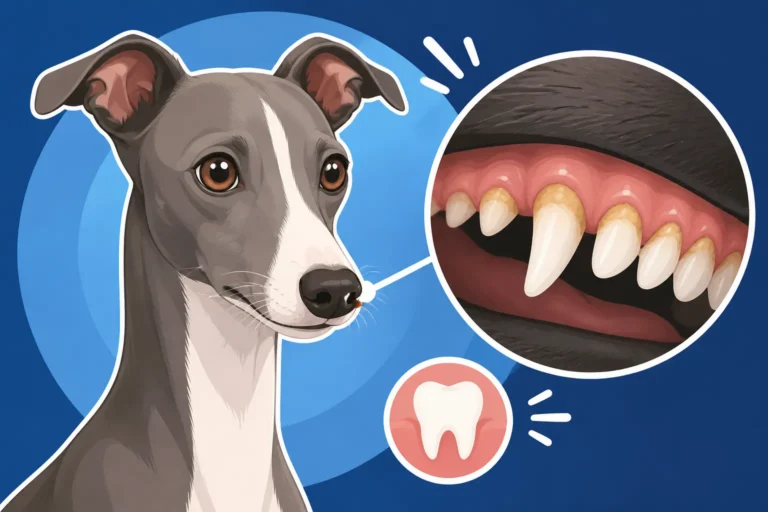
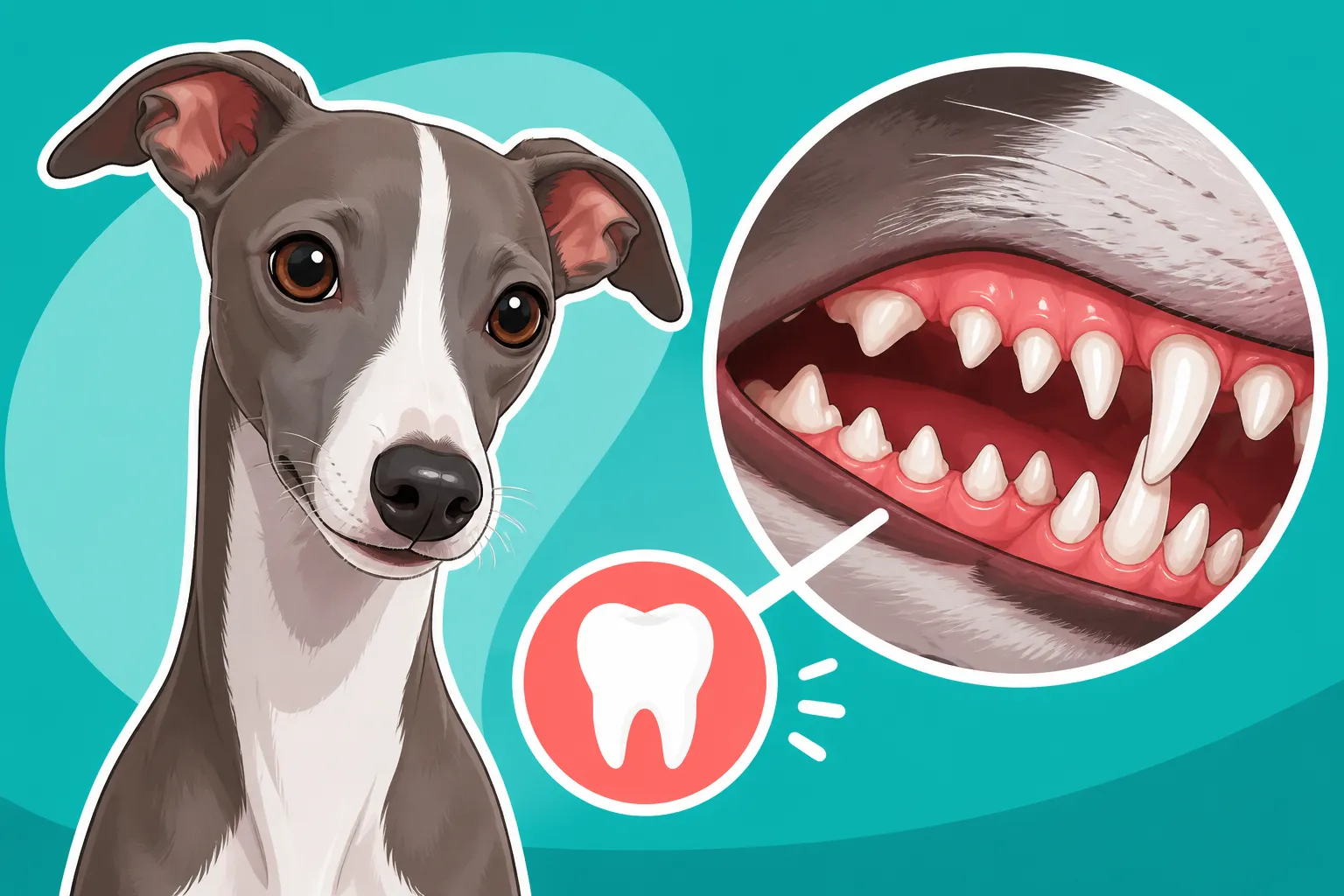
However, with retained deciduous teeth, you'll observe what looks like two teeth occupying the same space, or at least two teeth very close together where only one should be. The most common offenders are the canine teeth (the long, pointy "fangs") and the incisors (the small teeth at the front of the mouth). When the baby canine doesn't fall out, the adult canine often erupts behind it, pointing inward towards the roof of the mouth or outward towards the lip. This "double-toothing" is the tell-tale sign that something isn't right and requires immediate veterinary attention.
| Tooth Type | Normal Eruption Timeline (Adult) | Common Retained Locations | Potential Issues if Retained |
|---|---|---|---|
| Incisors | 3-5 months | Front of mouth | Misalignment, tartar buildup |
| Canines | 4-6 months | "Fangs," upper and lower | Malocclusion, soft tissue trauma |
| Premolars | 4-6 months | Sides of mouth | Food trapping, periodontal disease |
| Molars | 5-7 months | Back of mouth | Less common, but can cause crowding |
This table illustrates the common pattern, but it's important to remember that any baby tooth can potentially be retained.
Recognizing the Signs and Potential Dangers
It's easy to overlook dental issues in our furry friends, especially when they're still puppies full of boundless energy. However, being vigilant about your Italian Greyhound's oral health can prevent a lifetime of pain and costly interventions. Many owners don't realize the severity until a veterinarian points it out during a routine check-up, so knowing what to look for is your best defense.
Visual Cues and Behavioral Changes
The most obvious visual cue of retained baby teeth is the presence of two teeth in the same spot where there should only be one. This "double row" effect is particularly noticeable with the canines. Instead of the baby canine naturally falling out, you'll see the adult canine erupting right next to it, often pushing it out of alignment. Check the front incisors too; they can also be retained, leading to severe crowding. A quick peek inside your puppy's mouth around 4-6 months can often reveal this problem.
Beyond just seeing the extra teeth, you might start to notice other subtle signs. One of the earliest and most common indicators is bad breath, or halitosis. When baby teeth are retained, they create tiny pockets and crevices between themselves and the adult teeth. These tight spaces become perfect traps for food particles, hair, and bacteria, leading to a rapid accumulation of plaque and tartar. This buildup happens much faster than it would with properly spaced teeth, and it's what causes that distinctly unpleasant odor. You might also notice your puppy being more hesitant to chew on hard toys or even showing signs of discomfort when eating. Red, swollen, or inflamed gums around the retained teeth are also clear indicators of irritation and potential infection.
The Cascade of Health Problems
Ignoring retained baby teeth is like setting a ticking time bomb for your Italian Greyhound's dental health. The immediate and most significant risk is the accelerated development of periodontal disease. As we just discussed, the tight spaces created by retained teeth act as magnets for plaque and tartar. This isn't just cosmetic; it's a breeding ground for bacteria that can quickly lead to gingivitis (inflammation of the gums) and, if untreated, progress to full-blown periodontitis, which can damage the bone and ligaments supporting the teeth. This is why Periodontal Disease Is the Italian Greyhound's Most Common Diagnosis later in life, and retained teeth often give it a head start.
Furthermore, when adult teeth are forced to erupt in abnormal positions due to retained baby teeth, it leads to what's known as malocclusion, or an improper bite. This can cause the adult teeth to rub against each other abnormally, leading to premature wear, or worse, they can dig into the soft tissues of the gums or the roof of the mouth, causing painful sores and chronic inflammation. Imagine having a tooth constantly poking your cheek or palate – it's incredibly uncomfortable.
There's also a significant risk during the eventual extraction process if the retained teeth are left for too long. Over time, the roots of these retained baby teeth can become fused to the bone, or the adult tooth can become too closely intertwined with the baby tooth's roots. This makes extraction more challenging, increasing the risk of complications such as jaw fracture, particularly in the delicate jawbones of an Italian Greyhound. This is a real concern and is part of the reason why the process can be complex, as discussed in Why an Italian Greyhound's Jaw Can Break During Extraction. Early intervention significantly reduces these risks.
Diagnosis, Treatment, and Proactive Dental Care
If you suspect your Italian Greyhound has retained baby teeth, or even if you just want to be sure, the best course of action is always a prompt visit to your veterinarian. Early diagnosis and intervention are key to preventing a host of future problems and ensuring your Iggy enjoys a healthy, pain-free mouth for years to come.
When to See Your Veterinarian
Every Italian Greyhound puppy should have a thorough dental examination during their routine puppy check-ups. Most vets will begin closely monitoring tooth eruption around 4 months of age, with a critical check-in at 5-6 months. If any baby teeth are still present when their adult counterparts have started to emerge, it's generally recommended that they be extracted. Don't wait to see if they'll "fall out on their own" beyond this point, especially for canines. The longer a baby tooth is retained, the greater the chance of the adult tooth erupting incorrectly, leading to permanent misalignment.
Your veterinarian will perform a visual examination, but often, the true extent of the problem isn't visible to the naked eye. This is where dental X-rays become invaluable. X-rays allow the vet to see the roots of the baby teeth, the position of the adult teeth beneath the gumline, and any potential impaction or damage. This comprehensive view is crucial for planning the most effective and safest extraction. This kind of diagnostic detail is important for any major procedure, and it's a type of care that comprehensive pet insurance like Healthy Paws would typically help cover, giving you peace of mind that you're not cutting corners on diagnostics.
The Extraction Process
Once retained baby teeth are identified, extraction is almost always the recommended treatment. This is not a procedure that can be done at home or without proper veterinary care. It requires general anesthesia, which is a significant consideration for Italian Greyhounds due to their unique physiology. As you might know, Why Anesthesia Is Handled Differently in an Italian Greyhound is a topic frequently discussed among Iggy owners. They have low body fat, can be prone to hypothermia, and some sighthounds can have specific sensitivities to certain anesthetic agents. Your vet will need to perform thorough Bloodwork Before an Italian Greyhound's Anesthesia to ensure they are a good candidate.
The procedure itself involves carefully extracting the retained baby teeth to create space for the adult teeth to move into their correct positions. It's vital that the entire root of the baby tooth is removed; if even a fragment is left behind, it can lead to cysts, infections, or continued obstruction. An experienced veterinary dentist or a general practitioner with a strong background in small breed dental surgery is your best bet. You want someone who understands the delicate nature of an Italian Greyhound's jaw. You can learn more about What Happens During an Italian Greyhound's Dental to prepare for the experience.
Post-operative care typically involves pain medication, and potentially antibiotics, for a few days. Your Iggy might be a little groggy and sensitive around their mouth. It's usually recommended to feed softer food for a short period and avoid hard chews to allow the extraction sites to heal. The good news is that puppies are incredibly resilient, and they often bounce back quickly.
Lifelong Dental Maintenance
Even after successful extraction of retained baby teeth, the journey toward optimal dental health for your Italian Greyhound is far from over. In fact, it's just beginning! Because their mouths are prone to crowding, and they have a natural propensity for tartar buildup, a proactive and consistent dental care routine is paramount. This commitment to ongoing care is truly what determines Whether an Italian Greyhound Can Keep Its Teeth for Life.
The single most effective thing you can do at home is to commit to Brushing an Italian Greyhound's Teeth Every Day. Yes, daily! This might sound daunting, but even a minute or two can make a huge difference in removing plaque before it hardens into tartar. Start early, make it a positive experience with praise and treats, and you'll build a routine that will save you significant headaches and vet bills down the line.
Beyond home care, regular professional dental cleanings under anesthesia are essential. For many Italian Greyhounds, this means a cleaning once a year, or perhaps every 18 months, depending on their individual needs and your home care efforts. These cleanings allow the vet to remove tartar buildup below the gumline, which is impossible to do at home, and to thoroughly examine each tooth and the surrounding tissues. It's surprising How Early Tartar Appears on an Italian Greyhound, so don't delay these appointments. This kind of preventative care is a cornerstone of overall health, and many pet insurance plans, including those from Healthy Paws, offer options to help with these costs.
While diet plays a role, relying solely on "dental chews" or special kibble is generally not enough for a breed as prone to dental issues as the Italian Greyhound. Some dental chews can be beneficial as part of a comprehensive plan, but always choose products recommended by your veterinarian and supervise your dog to ensure they don't break off large pieces or chip a tooth. A consistent routine of daily brushing and professional veterinary care is the gold standard for keeping your Iggy's smile sparkling and their mouth healthy. Understanding the full commitment involved, particularly as they age, is crucial, especially as you look towards Caring for an Italian Greyhound Past Eleven.
Disclaimer
Please remember that the information provided in this guide is for educational purposes only and should not be considered a substitute for professional veterinary advice. Always consult with a qualified veterinarian for any health concerns or before making any decisions about your Italian Greyhound's care.