Whether a Fawn Italian Greyhound Carries the Same Risk
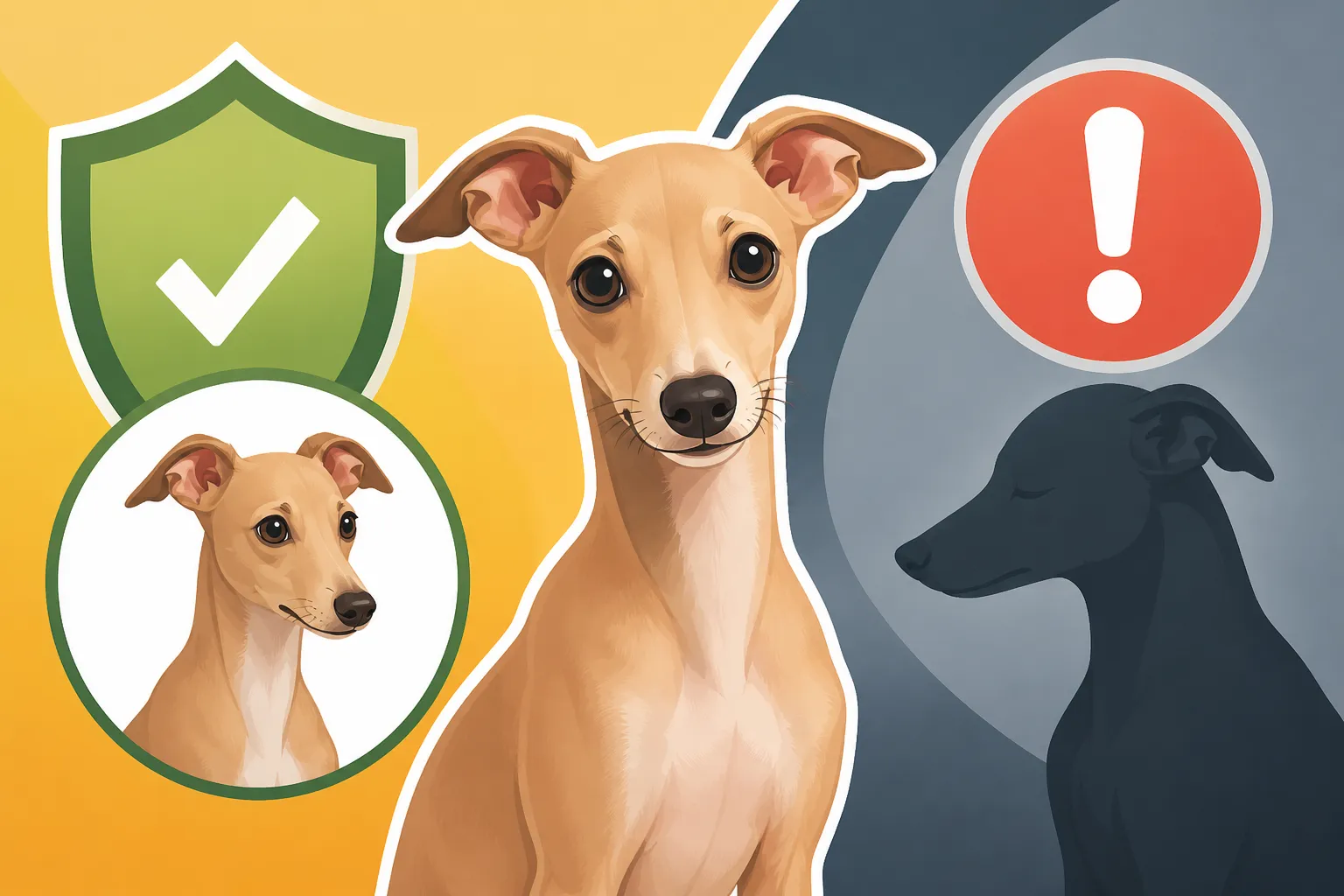
It’s an incredibly common worry for Italian Greyhound owners, especially when you see the stunning array of colors these dogs come in: will my fawn IG face the same challenging health issues as their blue counterparts? The truth is, distinguishing between a beautiful fawn coat and a dilute color that carries genetic risks like Color Dilution Alopecia (CDA) can be confusing, and rightly so. Many owners want to be prepared and understand what genetic predispositions their beloved companion might have. This guide aims to clear up that confusion, helping you understand the genetic nuances of fawn coloration and its potential link, or lack thereof, to specific skin conditions in Italian Greyhounds.
Understanding Color Dilution Alopecia in Italian Greyhounds
Color Dilution Alopecia (CDA) is a phrase that can send shivers down an Italian Greyhound owner's spine. It’s a condition that affects dogs with dilute coat colors, primarily blue and Isabella (fawn-and-chocolate), and it's far more than just a cosmetic issue. When a dog has CDA, they typically experience hair loss, often accompanied by flaky skin, blackheads, and secondary bacterial infections that can cause significant discomfort and require ongoing veterinary care. It’s important to understand the underlying genetics to truly grasp why certain colors are associated with this problem.
What is Color Dilution Alopecia?
At its heart, Color Dilution Alopecia is a genetic skin disorder. It occurs in dogs that have two copies of the recessive 'd' gene (dd genotype) at the D-locus, which is responsible for diluting black and brown pigment. This means a dog with a 'dd' genotype will have a diluted coat color – black turns into blue, and brown (chocolate) turns into Isabella or lilac. The dilution gene affects the distribution and clumping of melanin granules within the hair shaft, making the hair more fragile and prone to breakage and loss. This is why you often see patchy, thinned hair, especially over the trunk and ears.
The hair loss usually starts subtly, often appearing as thinning patches on the back, ears, and chest. Over time, these areas can become completely bald, and the skin underneath may become dry, scaly, and prone to developing pustules or other signs of infection. It's not just an aesthetic problem; the compromised skin barrier can lead to chronic itching, discomfort, and recurrent infections, making life miserable for the affected dog. Owners frequently feel heartbroken seeing their dog suffer and want to know if their dog might be predisposed. Understanding these genetic risks allows owners to be proactive and seek appropriate veterinary care early.
Common Dilute Colors Associated with CDA Risk
When we talk about CDA risk in Italian Greyhounds, the spotlight is almost always on blue and Isabella (sometimes called "fawn and chocolate," but genetically distinct from a true fawn). These are the colors that explicitly express the 'dd' genotype, meaning they are homozygous for the dilution gene. A blue Italian Greyhound is essentially a dilute black, while an Isabella Italian Greyhound is a dilute chocolate brown. It's in these dogs that the structural abnormalities of the hair follicles, leading to CDA, are most commonly observed.
It's crucial to remember that not every blue or Isabella Italian Greyhound will develop CDA. It's a genetic predisposition, and other factors, potentially including other modifying genes or environmental triggers, might play a role in whether the condition fully manifests and to what degree. However, any Italian Greyhound with a 'dd' genotype is considered to be at risk. This is why prospective owners and breeders pay close attention to the lineage and genetic testing results of these particular colors. For a deeper dive into this, you might find our article on Color Dilution Alopecia in a Blue Italian Greyhound incredibly helpful. The emotional and financial toll of managing CDA can be significant, making early awareness and proactive measures essential for these vulnerable pups. Healthy Paws can be a lifesaver in these situations, helping cover the costs of dermatological treatments and medications.
Fawn Italian Greyhounds and the CDA Question
The term "fawn" in dog coats can be a bit ambiguous, leading to confusion when discussing conditions like Color Dilution Alopecia. In Italian Greyhounds, a true fawn is typically a pale tan or cream color, often resulting from the interaction of other genes that control red and yellow pigment expression. However, sometimes "fawn" is used loosely, or a dog might have a combination of genes that makes them appear fawn but still carry the dilute 'dd' gene. This distinction is vital for understanding CDA risk.
Is Fawn a Dilute Color in Italian Greyhounds?
This is where the genetic details become really important. A "true" fawn Italian Greyhound is typically a dog that expresses phaeomelanin (red/yellow pigment) and does not carry two copies of the dilute 'd' gene at the D-locus. In simple terms, these are dogs that are genetically 'EE' or 'Ee' at the E-locus (meaning they can produce black pigment but might mask it with red/yellow) and 'DD' or 'Dd' at the D-locus (meaning they are not homozygous dilute). Their pale tan or cream color is a variant of red, not a dilution of black or brown. For these "true" fawn IGs, the risk of CDA is generally no different than for any solid red, black, or seal Italian Greyhound – meaning, very low or non-existent in relation to the 'd' dilution gene.
However, the plot thickens. There are also "dilute fawn" Italian Greyhounds, which are often referred to as Isabella fawn or blue fawn. These dogs do carry the 'dd' genotype, meaning they are genetically dilute. Their fawn appearance is a result of their base color (which might otherwise be black or chocolate) being diluted by the 'dd' gene. For example, a dog that would have been black but has two dilute genes becomes blue. If that dog also expresses other genes that make it look fawn, but it has the 'dd' genotype, it's a dilute fawn. It's these "dilute fawns" that do carry the same genetic risk for CDA as a blue Italian Greyhound because they share that critical 'dd' genotype. It's not about the visual "fawn" color itself, but whether the 'd' dilution gene is present in a homozygous form. This nuance often escapes casual observation, making proper genetic understanding or testing crucial for concerned owners.
Genetic Testing for Dilution and CDA Risk
Given the complexities of coat color genetics and the very real health implications of CDA, genetic testing is an invaluable tool for both breeders and concerned owners. A simple DNA test, often done with a cheek swab, can definitively tell you your Italian Greyhound's genotype at the D-locus. This test will reveal whether your dog is DD (no dilute gene present), Dd (carries one copy of the dilute gene, not affected by CDA, but can pass it on), or dd (carries two copies of the dilute gene, affected by dilution, and therefore at risk for CDA).
Knowing your dog's D-locus status removes all guesswork. If your beautiful fawn Italian Greyhound tests as DD or Dd, then their fawn color is simply a shade of red/yellow, and they do not carry the specific genetic predisposition for CDA linked to the 'dd' genotype. However, if your fawn dog tests as dd, then regardless of their visual appearance, they are genetically dilute and carry the same risk for CDA as any blue or Isabella Italian Greyhound. Reputable genetic testing companies like Embark or Optimal Selection offer comprehensive panels that include the D-locus, providing peace of mind or, if necessary, allowing for early intervention strategies. This knowledge is not just empowering; it's fundamental for responsible dog ownership and breeding practices. You might consider how much a pet insurance plan like Healthy Paws could help cover unexpected costs if your dog does have a genetic predisposition.
Identifying and Managing Skin Issues in Fawn Italian Greyhounds
Even if your fawn Italian Greyhound doesn't carry the specific genetic markers for Color Dilution Alopecia, it's vital to remember that all dogs, especially those with fine skin like IGs, can experience various dermatological issues. Early detection and proper management are key to keeping your dog comfortable and healthy. It's easy to jump to conclusions, but an accurate diagnosis from your veterinarian is always the first step.
Differentiating CDA from Other Skin Conditions
It's common for owners to worry about every patch of hair loss or flaky skin, but not every dermatological issue is CDA. Italian Greyhounds are known for their delicate skin, which can be prone to dryness, environmental allergies, or other forms of follicular dysplasia that might present with similar symptoms to CDA. For instance, dry winter air or certain allergens can cause flaking and itching that lead to secondary hair loss. Even tiny cuts and scrapes can become an issue for their Cuts, Scrapes and an Italian Greyhound's Paper Thin Skin. Pups can also develop bacterial or fungal skin infections that mimic some aspects of CDA.
A veterinarian will use a combination of physical examination, skin scrapings, fungal cultures, allergy testing, and potentially even skin biopsies to arrive at a definitive diagnosis. This is critical because the treatment for dry skin is very different from managing a bacterial infection or, indeed, CDA. For example, if your IG's "fawn" coat is a dilute fawn (Isabella or blue fawn) and they develop classic CDA symptoms, the treatment protocols will be similar to those for a blue IG with CDA. Our article on What Color Dilution Alopecia Does to an Italian Greyhound outlines these symptoms and effects in detail. Don't self-diagnose; always consult with your vet to ensure your beloved companion receives the correct care. Having a pet insurance plan like Healthy Paws can alleviate the financial stress of diagnostic tests and ongoing treatments for various skin conditions.
Proactive Skin Care for Fawn IGs
Regardless of whether your fawn Italian Greyhound is at risk for CDA, proactive and consistent skin care is essential for maintaining their overall health and comfort. Their short, fine coats and thin skin mean they can be susceptible to dryness, especially in harsh weather, or irritation. Regular, gentle grooming, which includes soft brushing, can help distribute natural skin oils and remove loose hairs.
For all Italian Greyhounds, including fawns, a routine bathing schedule with a gentle, moisturizing shampoo is beneficial. If your fawn IG has tested as a true dilute (dd) and is showing early signs of CDA, your vet might recommend specific medicated shampoos containing ingredients like benzoyl peroxide or sulfur, which help with follicular flushing and manage bacterial overgrowth. Topical emollients or leave-in conditioners can also soothe dry skin. Furthermore, dietary supplements rich in omega-3 fatty acids, such as fish oil, can support skin health from the inside out, improving coat quality and reducing inflammation. Some owners and vets also explore melatonin supplementation for CDA, as it has shown some anecdotal success in stimulating hair growth. The key is to be consistent with any regimen and to work closely with your veterinarian to tailor a plan specifically for your dog's needs.
Responsible Breeding and Owner Awareness
For any breed, understanding genetic predispositions is paramount for responsible ownership and ethical breeding. When it comes to Italian Greyhounds and conditions like Color Dilution Alopecia, this understanding empowers us to make informed decisions that prioritize the health and well-being of these delicate dogs. It's not about fear-mongering, but about informed preparedness.
The Role of Genetic Screening in Breeding
For breeders, genetic screening is not just a recommendation; it's an ethical imperative. Identifying the D-locus genotype (DD, Dd, or dd) of prospective breeding dogs is crucial to prevent the unintentional production of puppies at high risk for CDA. If a dog is homozygous dilute (dd), they should only be bred with a dog that is DD (non-dilute) to ensure no puppies are born with the dd genotype, although all offspring will then be Dd carriers. Breeding two Dd carriers together, or a Dd carrier with a dd dog, carries a significant risk of producing dd puppies, some of whom may develop CDA.
Responsible breeders will often conduct a full panel of genetic health tests, including the D-locus test, and will be transparent about their dogs' results. They aim to breed away from genetic diseases while maintaining the breed's integrity and health. This proactive approach helps reduce the incidence of debilitating conditions like CDA in future generations. Knowing Which Italian Greyhound Colors Carry the Alopecia Risk allows breeders to make informed decisions that protect the health of their puppies. Beyond CDA, responsible breeders should also screen for other common Italian Greyhound health concerns, as highlighted in our guide on What an Italian Greyhound Breeder Should Have Tested. This level of diligence ensures healthier puppies and happier owners, saving significant heartbreak and vet bills down the line.
What Owners of Fawn IGs Should Know
As an owner of a fawn Italian Greyhound, it's important not to assume your dog is entirely immune to skin issues, but also not to panic unnecessarily. The first step, if you're concerned, is to discuss genetic testing with your breeder or veterinarian to determine your dog's D-locus status. This will give you a definitive answer regarding their genetic predisposition to CDA. If your fawn IG is indeed genetically dilute (dd), then you should be vigilant for signs of CDA, which often manifest as progressive hair thinning, dry or flaky skin, or the presence of blackheads (comedones) on their back or ears.
Regardless of their genetic status, foster an open and communicative relationship with your veterinarian. They are your best resource for monitoring your dog's health, addressing any changes in coat or skin, and developing a tailored care plan. Pay attention to your dog's skin and coat during your regular grooming routines. Early detection of any issues, whether it's CDA, allergies, or simple dry skin, allows for prompt and effective intervention, improving your dog's comfort and quality of life. Considering the potential for unexpected health issues, a robust pet insurance plan like Healthy Paws can provide immense peace of mind, covering the costs of diagnostics, medications, and ongoing treatments, ensuring your fawn IG receives the best possible care throughout their Why an Italian Greyhound Lives Fourteen to Fifteen Years.
Understanding Coat Color Genetics and Health Risks
Delving into the world of dog coat genetics can feel like learning a new language, but it's incredibly valuable for Italian Greyhound owners. It helps us appreciate the beauty of their diverse coats while also being acutely aware of potential health considerations. The relationship between coat color and health risk is a fascinating area of canine genetics.
| Coat Color Category | Genetic Basis (D-locus) | Common Appearance | CDA Risk Factor |
|---|---|---|---|
| Non-Dilute (Solid) | DD or Dd | Black, Red, Fawn (true) | Very Low (not associated with the 'd' gene) |
| Dilute (Solid) | dd | Blue, Isabella (Lilac) | High (directly associated with the 'dd' genotype) |
| Dilute Fawn | dd | Blue Fawn, Isabella Fawn | High (genetically 'dd', appearance is secondary) |
This table provides a simplified overview. Remember, the 'dd' genotype at the D-locus is the key indicator for CDA risk, regardless of other genes that might influence the dog's overall visual appearance.
Disclaimer
The information provided in this article is for educational and informational purposes only and does not constitute veterinary advice. Always consult with a qualified veterinarian for any health concerns or before making any decisions about your pet's medical care.