Whether an Italian Greyhound Is Worth the Vet Bills
It’s a heartbreaking reality for many Italian Greyhound owners: you fall head over heels for their delicate charm, their playful zoomies, and their unparalleled cuddles, only to find yourself facing a seemingly endless stream of vet bills. The question isn't whether they're worth it emotionally – that's a resounding yes for most of us – but whether the financial strain of their unique health needs makes owning one a feasible long-term commitment. This guide aims to peel back the layers of those common Italian Greyhound health concerns and give you a realistic picture of the veterinary expenses you might encounter, helping you decide if you're prepared for the journey.
Understanding the Italian Greyhound's Unique Health Vulnerabilities
Italian Greyhounds are truly special creatures, but their delicate nature extends beyond their graceful appearance to their physical health. They aren't "just like any other dog" when it comes to veterinary care, and understanding their breed-specific vulnerabilities is the first step in preparing for potential vet bills.
The Fragile Bone Structure: A Constant Worry
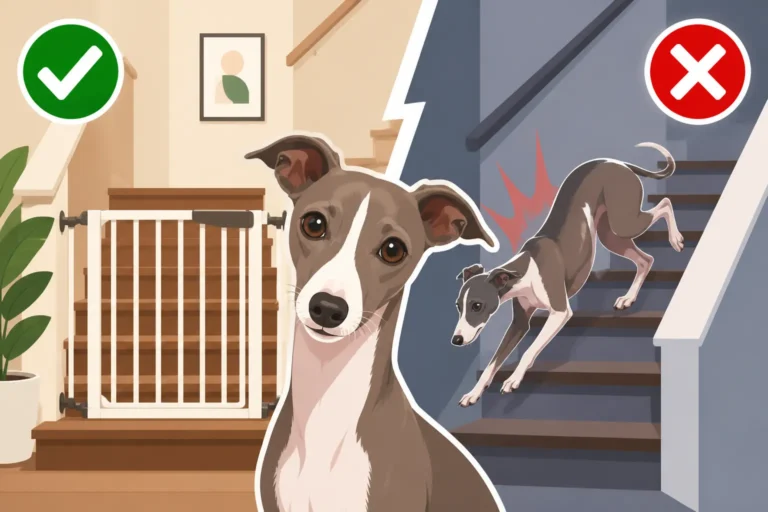
Anyone who has ever lived with an Italian Greyhound knows the constant, underlying hum of anxiety about their legs. These dogs are built for speed and elegance, not for rough-and-tumble play or careless jumps. Their bones, particularly in the lower foreleg, are notoriously slender, almost like porcelain. It's not an exaggeration to say that many common household activities can pose a significant risk. A seemingly innocuous jump off the sofa, a misstep while playing, or even just twisting wrong can lead to a devastating fracture.
This fragility isn't just anecdotal; it's a well-documented breed characteristic. The radius bone in particular, which is part of their foreleg, is often the culprit in these breaks, and it's something every potential owner needs to be acutely aware of. It means that gates, ramps, and constant supervision become not just recommendations, but necessities in an IG home. The emotional toll of a broken leg is immense, but the financial one can be equally staggering, often being the single largest veterinary expense an Italian Greyhound owner will face.
Dental Drama: More Than Just Bad Breath
If you thought fragile bones were the only challenge, prepare for the dental saga that often accompanies Italian Greyhound ownership. These dogs, with their long, slender muzzles, often have teeth that are simply too large for their mouths. This leads to severe crowding, especially in the front and side teeth, creating nooks and crannies where plaque and tartar can accumulate at an astonishing rate. It's not uncommon for an Italian Greyhound to show signs of significant tartar buildup by the age of two or three, long before many other breeds.
This isn't just a cosmetic issue; it’s a direct threat to their overall health. Periodontal Disease Is the Italian Greyhound's Most Common Diagnosis for a reason. Untreated dental disease can lead to painful infections, abscesses, and even affect vital organs like the heart and kidneys as bacteria enter the bloodstream. Regular, professional dental cleanings under anesthesia are not optional extras but a crucial, recurring part of their care regimen, and these costs can add up significantly over their lifespan. Without diligent home care and regular vet check-ups, you're almost guaranteed to face extensive dental work.
Sensitivity to Anesthesia and Cold: A Vet Visit Consideration
Italian Greyhounds also present unique challenges when it comes to routine veterinary procedures, particularly those requiring anesthesia. Their sighthound physiology means they metabolize drugs differently than many other breeds, often taking longer to recover from sedation. They also have very little body fat, which leaves them highly susceptible to hypothermia, especially during and after surgery. This is why a vet must be especially careful to keep them warm during any procedure. Why a Nine Pound Italian Greyhound Gets Cold on the Table is a very real concern.
This sensitivity means that any procedure, from a dental cleaning to a fracture repair, requires extra vigilance, specialized anesthetic protocols, and careful monitoring by the veterinary team. These additional measures, while absolutely necessary for their safety, can sometimes translate into higher costs for procedures. It’s not just about the surgery itself, but the meticulous care needed before, during, and after to ensure their well-being. Knowing this upfront helps you appreciate why certain procedures might carry a higher price tag than you’d expect for a small dog.
The Reality of Emergency Vet Care Costs
Let’s be frank: the most significant financial hit for an Italian Greyhound owner often comes from unexpected emergencies, primarily their propensity for broken bones. These aren't minor expenses; they are major, often life-altering financial commitments.
The Unexpected Fracture: Breaking Down the Bill
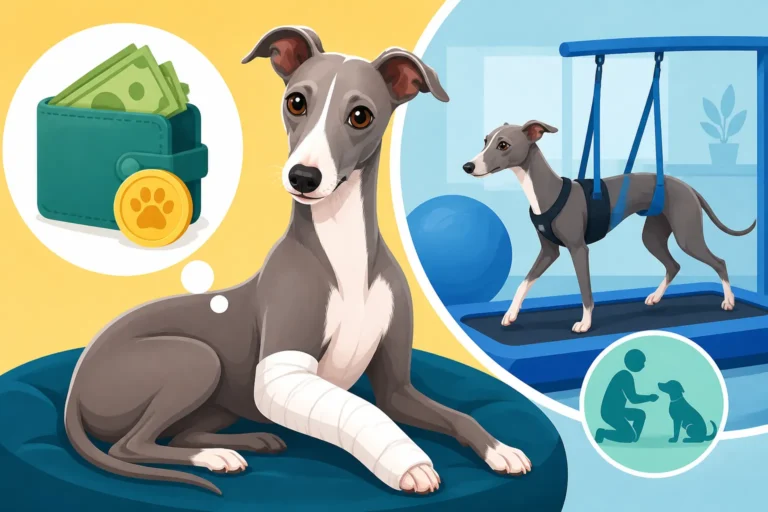
Imagine this scenario: you hear a yelp, a sudden thud, and your beloved Italian Greyhound is holding up a leg, whimpering. Your heart sinks because you know exactly what it means. A broken leg is not just a medical emergency; it's a financial one. The immediate costs begin with an emergency vet visit, X-rays to confirm the break, and pain medication. But that's just the tip of the iceberg. Italian Greyhounds typically do not heal well with simple casts due to their thin skin, delicate bones, and high activity levels. They often require specialized orthopedic surgery, where a veterinary surgeon installs plates, pins, or an external fixator to stabilize the bone. What Fracture Repair Costs on an Italian Greyhound is a question that brings dread to many owners.
The cost for such surgery is substantial, often running into the thousands. This isn't just the surgeon's fee; it includes anesthesia, hospital stays, post-operative care, follow-up X-rays, and potentially physical rehabilitation. Sometimes, a second surgery is needed to remove hardware or correct complications, adding further to the expense. This kind of bill can hit like a freight train, and it's why many experienced Italian Greyhound owners stress the importance of an emergency fund or robust pet insurance from day one. It's not a question of if it might happen, but often when, especially during their most rambunctious puppy and adolescent years.
Ongoing Dental Expenses: A Lifetime Commitment
While a broken leg is a sudden, dramatic expense, dental care for an Italian Greyhound is a steady, recurring cost throughout their life. It's less of a "what if" and more of a "when and how often." As mentioned, their crowded mouths are a breeding ground for plaque and tartar. Left unchecked, this leads to How Common Dental Disease Is in an Italian Greyhound. This means that regular professional dental cleanings under anesthesia are absolutely essential. Most Italian Greyhounds will need these cleanings annually, and sometimes even more frequently, starting from a young age.
Each dental cleaning involves pre-anesthetic bloodwork, the anesthesia itself (which, as we discussed, is handled with extra care for Iggies), the cleaning and polishing of teeth, and sometimes extractions of teeth that are too far gone. A single extraction can add significantly to the bill, and it’s not uncommon for an Italian Greyhound to have multiple teeth extracted during a procedure. Over a lifespan that can reach 14 or 15 years, these annual dental bills easily become one of the most expensive aspects of routine care. Neglecting dental health doesn't save money in the long run; it often leads to more severe problems, greater pain for your dog, and even more costly interventions down the line, including jaw fractures during extractions due to bone loss.
Proactive Care and Budgeting Strategies
Understanding the potential costs is one thing; preparing for them is another. Thankfully, there are proactive steps you can take to manage and mitigate the financial impact of Italian Greyhound ownership.
Pet Insurance: A Financial Lifeline?
For many Italian Greyhound owners, pet insurance isn't a luxury; it's a necessity. Given the high likelihood of a broken leg during their younger years and the certainty of ongoing dental needs, a good pet insurance policy can be a true financial lifeline. Policies typically help cover a percentage of emergency costs, surgeries, and even chronic conditions. When considering whether it's worth it for an Italian Greyhound, think about that potential multi-thousand-dollar fracture repair bill. Having a policy that covers 80% of that cost can transform a catastrophic event into a manageable one.
However, it's crucial to understand what pet insurance actually covers. Most policies have waiting periods, so you can't sign up the day your dog breaks a leg and expect it to be covered. They also generally exclude pre-existing conditions. Research providers like Healthy Paws, which are often recommended for their comprehensive coverage, and carefully compare plans. Look for policies that offer good coverage for accidents, illnesses, and ideally, dental disease. While it’s an added monthly expense, the peace of mind and the potential savings during an emergency can be invaluable. It truly allows you to make medical decisions based on what’s best for your dog, rather than what you can afford out of pocket in a crisis.
Preventative Measures: Saving Money (and Stress) in the Long Run
Prevention is always better than cure, and nowhere is this truer than with Italian Greyhounds. Simple, consistent preventative measures can drastically reduce the chances of expensive vet bills. For starters, focus on fracture prevention: installing Ramps and Steps for an Italian Greyhound's Furniture is critical. Train them to use these from a young age, so they don’t jump on and off beds or sofas. Supervise playtime, especially with larger dogs, and consider crating or securing them when you can't actively watch them. The age an Italian Greyhound is most likely to break a leg is usually when they are puppies or young adults, full of energy and less aware of their own fragility. Restricting an Italian Greyhound under two can go a long way in preventing costly accidents.
For dental health, daily brushing is non-negotiable. It truly makes a difference in slowing down tartar accumulation. Invest in a small, soft toothbrush and dog-specific toothpaste, and make it a routine. You can find excellent dental care products on sites like Chewy. Additionally, provide appropriate chew toys (avoiding anything too hard that could break teeth) to help keep their teeth cleaner. Beyond these, ensuring your Italian Greyhound is kept warm year-round with appropriate clothing, even indoors, can help prevent illnesses. Quality food, like that offered by Ollie, also contributes to overall health, bolstering their immune system and maintaining good body condition, which indirectly helps prevent other issues.
Finding the Right Vet: Experience Matters
Not all veterinarians are equally familiar with the unique needs of Italian Greyhounds. These are not "just small dogs"; they are sighthounds, and their physiology, temperament, and common ailments require specific knowledge. Finding a vet who has extensive experience with Italian Greyhounds or sighthounds in general is paramount. They will be better equipped to handle anesthesia safely, recognize subtle signs of pain (Italian Greyhounds are masters at hiding discomfort), and provide informed advice on breed-specific preventative care.
Don’t be afraid to interview potential vets before committing. Ask them about their experience with sighthounds, their anesthetic protocols for small, lean breeds, and their approach to dental care. A vet who truly understands the breed can be your greatest ally in keeping your Italian Greyhound healthy and managing costs effectively. They can guide you on the right vaccination schedule, discuss appropriate parasite prevention, and advise on screenings for genetic conditions that might affect the breed, such as certain eye diseases like Progressive Retinal Atrophy in an Italian Greyhound. Investing time in finding the right veterinary partner is an investment in your dog's long-term health and your financial peace of mind.
Beyond the Bills: The Unquantifiable Value
After laying out the potential financial hurdles, it's easy to get caught up in the numbers. But for those of us who share our lives with Italian Greyhounds, the discussion about "worth" extends far beyond monetary value.
The Joy and Companionship: What They Bring to Your Life
Let's be honest, Italian Greyhounds are more than just pets; they are family members, tiny, elegant shadows that follow you from room to room. Their affectionate nature, their penchant for snuggling under blankets, their hilarious "zoomies," and their deep loyalty create an emotional bond that is truly unparalleled. They are intelligent, sensitive, and often quite comical, bringing endless laughter and comfort into a home. The quiet presence of an Italian Greyhound curled up beside you on a chilly evening, or the sheer delight of watching them sprint across a securely fenced yard, is an experience that simply cannot be quantified in dollars and cents.
They become confidantes, stress-relievers, and constant sources of unconditional love. For many, the joy they bring vastly outweighs any financial worries. The decision to bring an Italian Greyhound into your life is a commitment to cherish a unique soul, to offer them the care they deserve, and to embrace the profound connection they offer. The challenges, including the vet bills, are simply part of the package when you choose to love a creature so special.
Longevity and Enduring Love: A Long-Term Investment
One of the most remarkable aspects of Italian Greyhounds is their impressive lifespan. It's not uncommon for these little dogs to live Why an Italian Greyhound Lives Fourteen to Fifteen Years, and some even longer, with proper care. This means that while the vet bills might be significant, you are investing in many years of companionship. Unlike some larger breeds with shorter lifespans and chronic health issues, an Italian Greyhound, once past the initial fracture-prone puppy stage, can enjoy a relatively healthy and vibrant long life.
This longevity makes the investment in their care feel more profound. You are not just paying for a few years of joy; you are signing up for over a decade of shared memories, unwavering devotion, and a bond that deepens with every passing year. Considering the lifetime of love and companionship, many owners find that the financial commitment, though sometimes challenging, is absolutely worth it for the privilege of sharing so many years with these exquisite dogs. It’s an investment in a happy, healthy, and long life for a cherished member of your family.
Comparative Table of Common Italian Greyhound Health Expenses
To give you a clearer picture, here's a general overview of common health expenses you might encounter. Remember, these are broad estimates, and actual costs vary widely by location, veterinary practice, and the specific needs of your dog.
| Expense Category | Typical Scenario | Frequency | Potential Cost Shape (Without Insurance) |
|---|---|---|---|
| Accident/Emergency | Leg Fracture (e.g., radius/ulna) | Rare to Annual | Very high |
| Minor cut requiring stitches | Occasional | Moderate to high | |
| Routine/Preventative | Annual Wellness Exam | Yearly | Low to moderate |
| Vaccinations (booster after puppy series) | Annual/Triennial | Low | |
| Heartworm/Flea/Tick Prevention | Monthly/Seasonal | Low | |
| Dental Care | Professional Dental Cleaning (with anesthesia) | Yearly/Bi-yearly | Moderate to high |
| Tooth Extractions (during cleaning) | As needed | Adds significantly to dental bill | |
| Specialized Care | Specialist Consultation (e.g., Orthopedic) | As needed | Moderate |
| Physical Therapy/Rehab (post-fracture) | As needed | Moderate | |
| Medication | Pain/Anti-inflammatory (post-injury) | Short-term | Low to moderate |
| Chronic Condition Meds (e.g., thyroid) | Ongoing | Low to moderate (monthly) |
This table underscores that while routine care is manageable, the potential for high-cost emergencies, particularly fractures, is a significant factor in Italian Greyhound ownership.
Disclaimer
This article is for general informational purposes only and does not constitute professional advice. Laws, prices and regulations vary by location and change over time. Consult a qualified professional for guidance on your specific situation.