How an Italian Greyhound Usually Breaks Its Leg
The fear of a broken leg is a silent dread that hangs over nearly every Italian Greyhound owner. It's not a question of if it might happen, but often when and how, turning everyday activities into potential hazards. This guide aims to pull back the curtain on the most common ways these delicate sighthounds sustain fractures, offering insight and practical advice to help you keep your cherished companion safe.
The Inherent Fragility of Italian Greyhound Bones
Let's face it, Italian Greyhounds are built like tiny, elegant gazelles, not sturdy terriers. Their graceful, fine-boned structure is part of their charm, but it's also their greatest vulnerability. Understanding this inherent fragility is the first step toward prevention.
Their Delicate Bone Structure
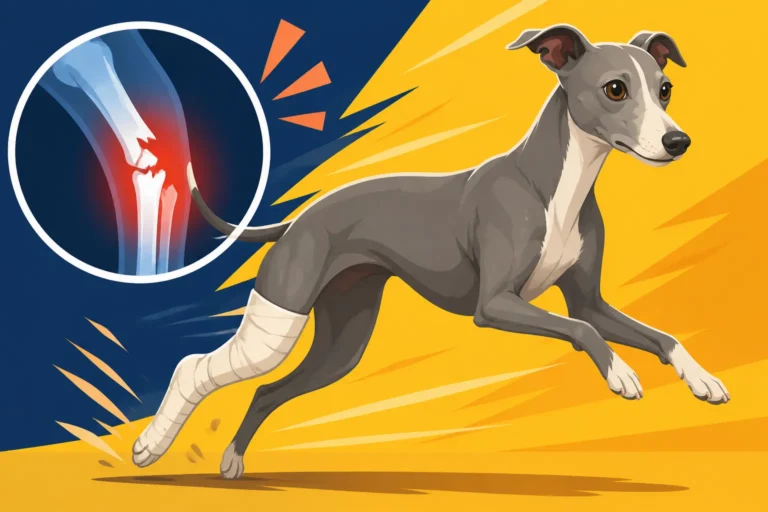
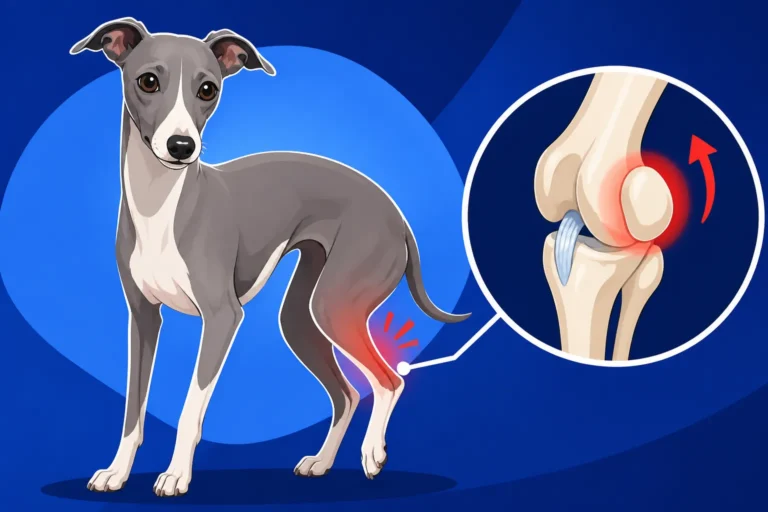
Italian Greyhounds possess a bone structure that is unique, often described as "egg-shell thin" or "pencil-thin" in comparison to other breeds. Specifically, their long bones, particularly the radius and ulna in their front legs, are disproportionately slender and dense. Unlike a breed with heavier bone, an Italian Greyhound's bones lack the bulky cortical bone that provides resilience. Imagine a sturdy oak branch versus a delicate willow twig – both are wood, but one can withstand far more force than the other. This skeletal architecture means they absorb impact differently, making them incredibly susceptible to fractures from seemingly innocuous incidents. It's a cruel irony that their athleticism often puts them at greater risk; a sudden turn, an awkward landing, or a playful leap can distribute force in a way their slender bones simply aren't designed to handle. Many owners live with the constant worry of Why an Italian Greyhound's Leg Bones Break So Easily.
This delicate build isn't a defect; it's a characteristic of the breed, refined over centuries for elegance and speed rather than brute strength. While all dogs can break bones, for an Italian Greyhound, the threshold for injury is significantly lower. We’re talking about bone density and thickness that are quite different from, say, a Beagle or a Labrador. Their long, slender legs, while allowing for incredible bursts of speed and agility, don't offer much in the way of shock absorption. Instead of bending or flexing under stress, they are more prone to snapping, particularly spiral fractures where the bone twists and breaks. This is why when we discuss Which Bones an Italian Greyhound Breaks Most, the radius and ulna are almost always at the top of the list. It's a harsh reality that has led many a concerned owner to seek comprehensive pet insurance plans like those offered by Healthy Paws to help manage the often substantial costs associated with these injuries.
Growth Plates and Young Bones
Young Italian Greyhounds are in an even more precarious position when it comes to bone integrity, primarily due to their unfused growth plates. These are areas of soft, developing cartilage at the ends of long bones in puppies and adolescents, where new bone tissue is formed. Until these growth plates fully close and harden – typically between 12 to 24 months of age, depending on the individual dog – they represent a significant weak point in the skeletal structure. A fracture through a growth plate, also known as a physeal fracture, can be particularly problematic, potentially affecting the growth and development of the limb if not treated precisely. This is precisely The Age an Italian Greyhound Is Most Likely to Break a Leg, making vigilance paramount during their puppy and adolescent stages.
During this critical developmental period, the bones are still maturing, resembling an intricate construction project where the foundational elements are still being laid. A puppy's playful exuberance, combined with these vulnerable growth plates, creates a recipe for disaster. A quick, sharp twist during a zoomie, an unexpected fall, or an ill-judged jump can cause a fracture with much less force than it would take to injure an adult dog with fully ossified bones. It's why many experienced owners and breeders strongly advise Restricting an Italian Greyhound Under Two years old, minimizing high-impact activities and ensuring a very safe environment until The Age an Italian Greyhound's Bones Finish Hardening. This is a time when prevention truly outweighs the heartache and expense of treatment.
Common Scenarios Leading to Fractures at Home
Despite our best efforts to protect them, many Italian Greyhound fractures happen right in the comfort of our own homes. The very places we assume are safe can harbor hidden dangers for these fragile creatures.
The Peril of Everyday Furniture Jumps
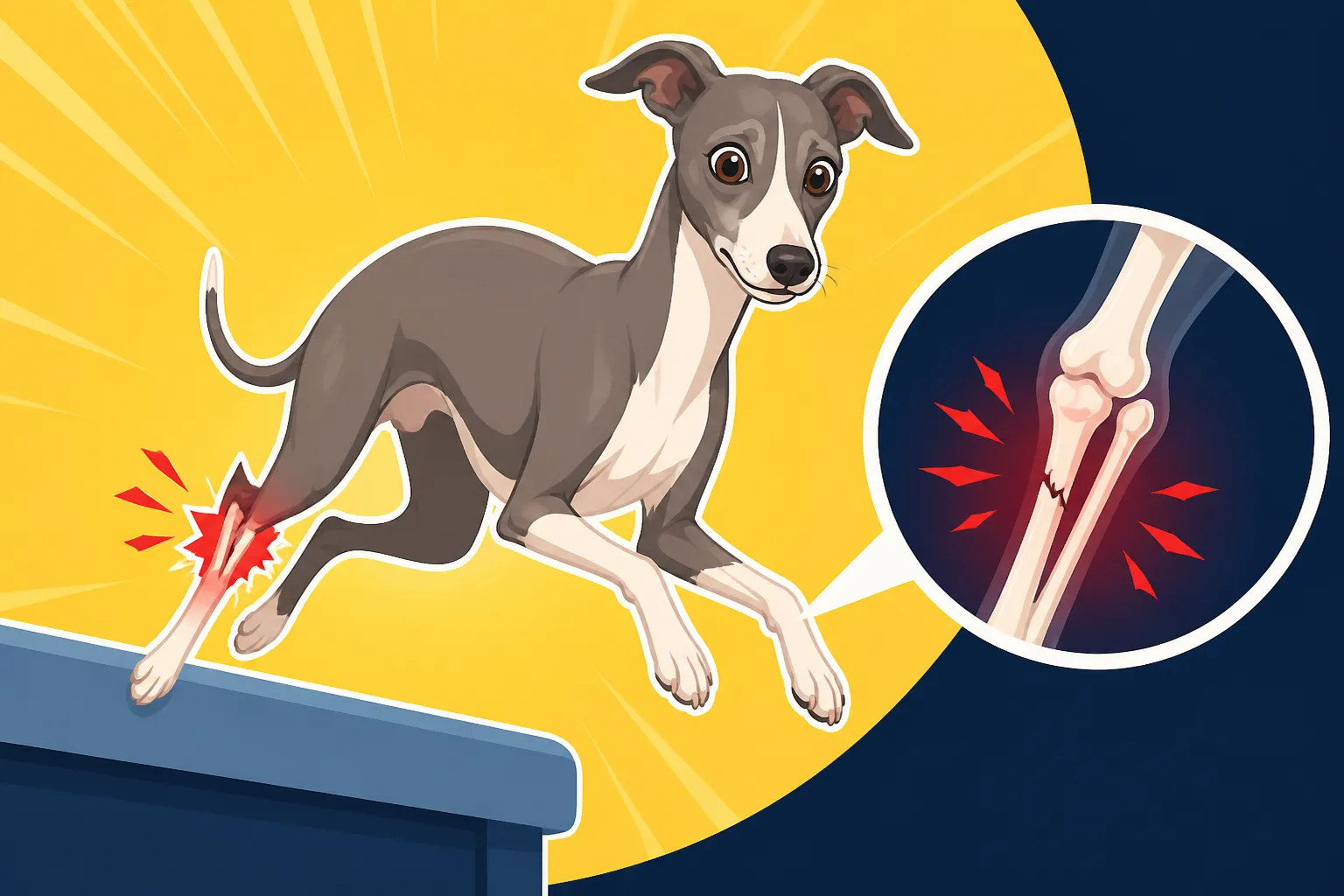
This is, without a doubt, the most infamous and heartbreaking way an Italian Greyhound often breaks a leg. Picture this common scenario: your beloved IG is curled up on the sofa next to you, decides to hop off, and lands awkwardly on a hardwood or tile floor. In that split second, the momentum, the angle of the landing, and the unyielding surface combine to create a perfect storm. Their slender leg bones simply cannot withstand the torque or impact, leading to a clean break or a devastating spiral fracture. It's often not even a high jump; sometimes it's just a few feet from a chair or a low bed. The sound, that awful yelp, and the immediate lameness are etched into an owner's memory forever. This is the classic The Jump Off the Sofa That Breaks an Italian Greyhound's Leg scenario, and it’s why so many of us become obsessive about ramps and steps.
Many owners, myself included, have learned this lesson the hard way. We see them gracefully leaping onto the sofa with ease, and it lulls us into a false sense of security. But gravity is a powerful force, and the downward trajectory, especially when combined with a slight miscalculation of landing, can be catastrophic. Imagine a small child trying to jump off a kitchen counter – the result is almost always a hard fall. For an Italian Greyhound, even a much shorter drop can have similar devastating consequences for their delicate legs. This common occurrence is why you'll often hear veteran IG owners emphatically recommend solutions like Ramps and Steps for an Italian Greyhound's Furniture from day one, to remove the temptation and prevent these kinds of avoidable accidents. It’s an investment in their long-term health and your peace of mind.
Tumbles and Mishaps During Play
Another prevalent cause of fractures within the home environment stems from playful antics gone awry. Italian Greyhounds are spirited and love to play, often engaging in bursts of exhilarating "zoomies" where they run at top speed around the house. While entertaining to watch, these high-energy sprints on slippery surfaces like hardwood, laminate, or tile can be incredibly dangerous. A sudden change of direction, a misstep, or an unexpected collision with furniture can send them tumbling, putting immense, unnatural stress on their limbs. A leg can get twisted underneath them as they slide, resulting in a severe fracture. The sheer speed they generate, combined with minimal traction, means a small stumble can quickly escalate into a serious injury.
Furthermore, roughhousing, particularly with larger, heavier dogs, poses a significant risk. Even if your Italian Greyhound is accustomed to playing with a bigger canine companion, one accidental bump, a clumsy paw landing on a delicate leg, or an enthusiastic tumble can be all it takes. The weight disparity means that what's a minor jostle for a Labrador can be a bone-shattering impact for an Italian Greyhound. Even play among Italian Greyhounds themselves, with their sharp turns and rapid movements, can sometimes lead to accidental collisions or mislandings that result in injury. It's crucial to supervise all play, especially inter-breed interactions, and to ensure play spaces are as safe as possible, ideally with carpeting or rugs to provide better grip.
Outdoor Adventures and Unexpected Dangers
While the home presents its own challenges, the great outdoors, with its varied terrain and unpredictable elements, also holds considerable risks for an Italian Greyhound's fragile legs. Many owners feel conflicted between giving their dogs the joy of running freely and the constant worry of injury.
Running, Twisting, and Sudden Stops
Italian Greyhounds are sighthounds, bred for incredible speed and agility. They adore the chance to stretch their legs and sprint, but this very trait can be a double-edged sword when it comes to fracture risk. Imagine your IG tearing across a grassy field, chasing a squirrel or another dog, and then executing a sharp, sudden turn at full tilt. The torque exerted on their slender leg bones during such a maneuver can be immense, leading to a twisted or spiral fracture. Uneven ground, hidden divots, or even just a patch of thick grass can catch their foot, causing them to stumble or land awkwardly when moving at speed. It's a cruel reality that their natural athleticism and joy in running can be the cause of so much pain and expense.
Even in a seemingly safe, fenced yard, accidents can happen. A dog might be running joyfully, only to hit a patch of mud or a small incline, leading to an awkward landing. Sometimes, the fracture isn't immediately obvious, as the adrenaline of the chase can mask initial pain. Owners might notice their dog is Why an Italian Greyhound Still Runs on a Broken Leg for a few steps before the full impact of the injury sets in, making early detection tricky. This is why careful observation after any high-energy play is crucial. While we want our Iggies to experience the freedom of a good run, it's vital to choose safe, predictable environments. Avoid areas with rough terrain, hidden obstacles, or slippery surfaces, and consider a long line in open fields rather than full off-leash freedom, to minimize the chance of them suddenly turning or stopping on their own terms.
Falls and Drops from Height
While less common than jumps off furniture, being accidentally dropped or falling from a significant height is an extremely serious, often devastating, cause of Italian Greyhound leg fractures. Because of their small size and lightweight nature, it's easy to pick them up, but a momentary lapse in grip, a sudden squirm from the dog, or an unexpected distraction can lead to them falling from your arms. Even a drop from waist height can be enough to shatter a delicate limb. The impact of falling on a hard surface from this distance is immense, and their fine bones simply cannot absorb that kind of shock. This is not to blame owners, as accidents happen, but rather to highlight the extreme care needed when handling these fragile dogs.
Beyond being dropped, Iggies are notorious for their ability to climb onto surfaces you wouldn't expect. A curious Italian Greyhound might scale a pile of boxes, jump onto a precarious ledge, or even attempt to walk along a banister. If they misjudge their footing or lose balance, the resulting fall can be catastrophic. We've all heard stories, or experienced ourselves, that gut-wrenching moment when a dog slips from an examination table at the vet, or a grooming table. This is why many professionals take extra precautions with Iggies, knowing Why Dropping an Italian Greyhound Means Surgery is often the outcome. Extreme vigilance when carrying or allowing access to elevated surfaces is not just a recommendation; it's a fundamental part of keeping an Italian Greyhound safe from severe, life-altering injuries.
The Impact of Human Interaction and Accidental Injury
As loving companions, Italian Greyhounds thrive on human interaction. However, sometimes, even with the best intentions, human presence and certain household dynamics can inadvertently lead to painful accidents. It's a reminder that their safety often rests in our hands.
The Risks of Children and Unsupervised Play
For families with young children, the presence of an Italian Greyhound, while bringing immense joy, also necessitates an elevated level of vigilance. Children, especially toddlers and preschoolers, often lack the spatial awareness and gentle touch required to interact safely with such a delicate breed. They might accidentally step on a small Italian Greyhound, trip over it during play, or, in their eagerness, pick it up incorrectly or even drop it. The heartbreaking reality is that Why Children Should Not Carry an Italian Greyhound is a lesson many learn too late; their tiny bones are simply too fragile to withstand rough handling or accidental falls from a child's arms. It's a constant tightrope walk between fostering a loving relationship and preventing serious injury.
Effective supervision is non-negotiable when an Italian Greyhound shares a home with young children. This means teaching children from a very young age how to interact gently, to always sit on the floor when petting the dog, and to understand that the IG is not a toy to be carried around. Creating safe zones where the Italian Greyhound can retreat, like a crate or a designated bed area, can provide them with a sanctuary from enthusiastic, but potentially dangerous, play. It’s not about blaming children, but recognizing the inherent fragility of the breed and taking proactive steps to safeguard them. Many experienced owners recommend waiting until children are older and more understanding of animal boundaries before introducing an Italian Greyhound into the home.
Doors, Steps, and Other Household Traps
Beyond falls from height, everyday household fixtures can become unexpected hazards for an Italian Greyhound. Doors, for instance, pose a silent threat. It’s easy for a small, fast-moving Italian Greyhound to dart through a doorway just as it’s closing, resulting in a leg or paw getting caught and severely injured. A quick, sharp impact from a closing door, especially on their slender lower leg, can be enough to cause a fracture. This is particularly true in busy households where people might be moving quickly or distracted, not realizing a small dog is precisely at paw-level. Many owners develop the habit of looking down before closing any door, or even stepping over their dog when exiting a room, to prevent such a devastating mishap.
Stairs also represent a significant risk, particularly for young Iggies whose coordination is still developing, or older dogs with less agile movement. While some Italian Greyhounds learn to navigate stairs with caution, a fast descent, a misstep, or a tumble can lead to a fracture. Their long, thin legs are not ideally suited for the repetitive impact of stairs, and a slip can cause them to twist a leg underneath their body. Even in their own yard, seemingly safe environments can hide dangers. Gaps in decking, uneven paving stones, or even burrowing holes dug by wildlife can all create tripping hazards for an Italian Greyhound running at speed. This is why even How an Italian Greyhound Breaks a Leg in Its Own Yard can happen in unforeseen ways, emphasizing that vigilance must extend to all areas of their environment, both indoors and out.
Identifying a Fracture and Next Steps
The moments immediately following a suspected fracture are often filled with panic and uncertainty. Knowing what to look for and, more importantly, what to do, can make a significant difference in the outcome for your Italian Greyhound.
Recognizing the Signs of Injury
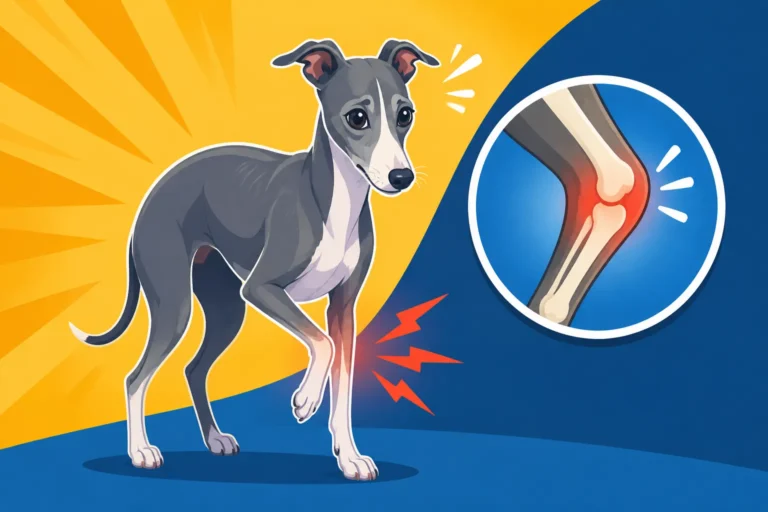
When an Italian Greyhound breaks a leg, the signs are often immediate and distressing, but not always as clear-cut as one might expect. The most common and obvious indicator is an immediate, often severe, lameness. Your dog might suddenly yelp or cry out, then hold the injured leg up, refusing to put any weight on it at all. You might observe swelling around the affected area, or even an unnatural angle to the limb if the break is severe and displaced. Any vocalization of pain when the area is touched, or even when approached, is a huge red flag. It’s a gut-wrenching experience to witness, and Signs an Italian Greyhound Has Broken a Leg are usually unmistakable once you know what to look for.
However, Italian Greyhounds are incredibly stoic animals and can sometimes try to "power through" pain, especially in the immediate aftermath of an accident, due to adrenaline. You might notice a subtle limp that worsens over time, reluctance to jump or move, or a general withdrawal and change in behavior. They might seem unusually quiet, refuse to eat, or seek solitude. Sometimes, the fracture isn't a complete break, but a hairline fracture or a growth plate injury, which can present as less severe lameness initially. This is why any persistent limping, favoring of a limb, or unexplained pain warrants immediate veterinary attention. Don't assume it's just a sprain; with Iggies, a fracture is always a primary concern until proven otherwise.
The Immediate Actions an Owner Must Take
If you suspect your Italian Greyhound has broken a leg, the absolute most critical action you can take is to seek immediate veterinary care. Do not delay, and do not attempt to splint the leg yourself unless instructed by a vet in an extreme emergency. Incorrect splinting can cause further damage to the bone, surrounding tissues, or nerves. Gently restrict your dog's movement, ideally by placing them in a small crate or carrier, or by holding them carefully to prevent them from moving the injured limb further. Use a blanket to help support them if you need to lift them, ensuring the injured leg is kept as still as possible. Contact your veterinarian or the nearest emergency veterinary clinic immediately to let them know you are on your way. Time is often of the essence, especially with open fractures or those involving growth plates.
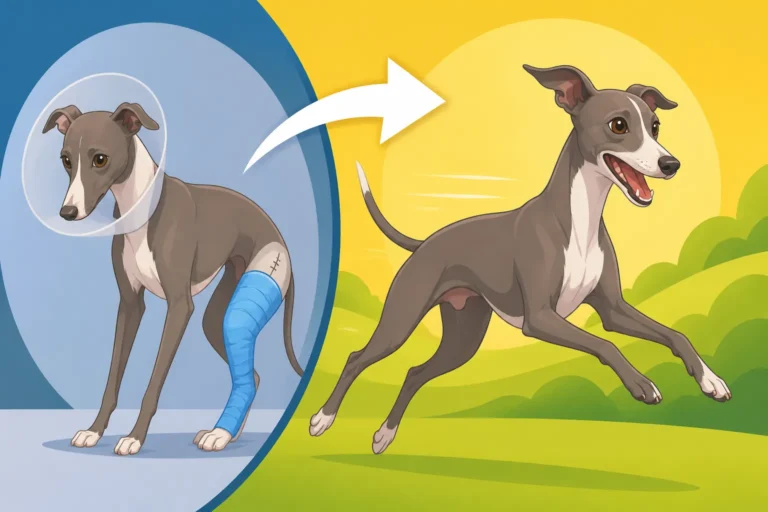
Once you arrive at the vet, they will typically perform a physical examination and take X-rays to confirm the fracture, its location, and its severity. Treatment for an Italian Greyhound fracture almost always involves orthopedic surgery, often requiring plates and screws, due to the specific nature of their bones and the difficulty in getting a cast to hold properly on their conical limbs. This is why What Fracture Repair Costs on an Italian Greyhound can be shockingly high, easily running into thousands of dollars. Having pet insurance, like a policy from Healthy Paws, can be an absolute lifesaver in these situations, helping to cover a significant portion of the unexpected and substantial medical bills. It provides invaluable peace of mind when facing such a traumatic and costly emergency.
Prevention and Mitigation Strategies
While accidents can happen, a proactive approach to prevention can significantly reduce the risk of your Italian Greyhound sustaining a broken leg. It requires thoughtful planning, consistent effort, and educating everyone who interacts with your dog.
Creating a Safe Home Environment
The single most impactful thing you can do to prevent Italian Greyhound fractures is to meticulously "Iggy-proof" your home. Start by addressing the biggest culprit: furniture. Install Ramps and Steps for an Italian Greyhound's Furniture for any sofa, chair, or bed your dog enjoys accessing. Even low furniture can pose a risk if the landing surface is hard. Where ramps aren't feasible, strictly enforce a "no jumping off" rule, always lifting your dog down yourself. Secondly, tackle slippery floors. Invest in non-slip rugs, runners, or carpet squares for areas with hardwood, tile, or laminate, especially in high-traffic zones or where zoomies frequently occur. This provides crucial traction and absorbs impact should a fall happen. Consider gating off stairs if your dog is prone to running up and down them, particularly if they are young or less coordinated.
Supervised play is also critical. While Iggies love to play, roughhousing, especially with larger dogs, should be strictly monitored or avoided entirely. Why an Italian Greyhound Puppy Should Not Wrestle Big Dogs is a lesson learned by too many owners; a playful swipe or an accidental tumble from a bigger dog can easily break an Italian Greyhound's delicate bones. Even within the breed, ensure play isn't overly rambunctious on hard surfaces. Provide soft, safe play areas, and consider a designated "safe room" where your Italian Greyhound can relax without the constant threat of a jump or fall. These seemingly small changes combine to create a much safer haven for your fragile friend, giving you much-needed peace of mind.
Proactive Care and Awareness
Beyond physical modifications to your home, a consistent approach to proactive care and awareness is paramount for preventing Italian Greyhound fractures. First and foremost, educate every member of your household, and anyone who interacts with your dog, on their fragility. This includes demonstrating the correct way to pick up and hold an Italian Greyhound, emphasizing the need for firm support under their chest and hindquarters, and reiterating that they should never be allowed to jump from arms. Children, in particular, need careful guidance on gentle interaction, understanding that these dogs are delicate living beings, not robust toys.
Moreover, remain incredibly vigilant during your Italian Greyhound's crucial developmental period. As discussed, The Age an Italian Greyhound's Bones Finish Hardening is typically between 12-24 months. During this time, their growth plates are still vulnerable, making them even more susceptible to injury. Restricting an Italian Greyhound Under Two years old from high-impact activities, unsupervised play with larger dogs, and allowing free access to high furniture is not overly cautious; it's responsible ownership. Finally, consider proactive measures for financial protection. The cost of fracture repair can be astronomical, and while no one wants to think about it, having comprehensive pet insurance from a reputable provider like Healthy Paws can literally save your dog's leg and your bank account. It’s an investment in their long-term health and your ability to provide the best care should an accident occur.
| Common Fracture Scenario | Typical Age Group Affected | Primary Prevention Strategies |
|---|---|---|
| Jumping off furniture | All ages, especially puppies | Ramps/steps for all furniture, consistent lifting, non-slip floor coverings. |
| Rough play with other dogs | Puppies/adolescents | Supervise all play, especially with larger dogs; restrict highly energetic roughhousing. |
| Slipping on hard floors | All ages | Non-slip rugs/runners, keep nails trimmed, avoid wet floors during zoomies. |
| Falling while being carried/held | All ages | Educate all handlers on proper lifting/carrying techniques; avoid distractions while holding. |
| Running/twisting outdoors | All ages | Choose safe, even terrain for exercise; avoid sudden turns at high speed; use a long line. |
| Missteps on stairs | Puppies/seniors | Gate off stairs, teach safe stair navigation (or carry), ensure good lighting. |
Disclaimer
The information provided in this guide is for general informational purposes only and does not constitute veterinary advice. Always consult with a qualified veterinarian for any health concerns or before making any decisions about your pet's health or treatment.