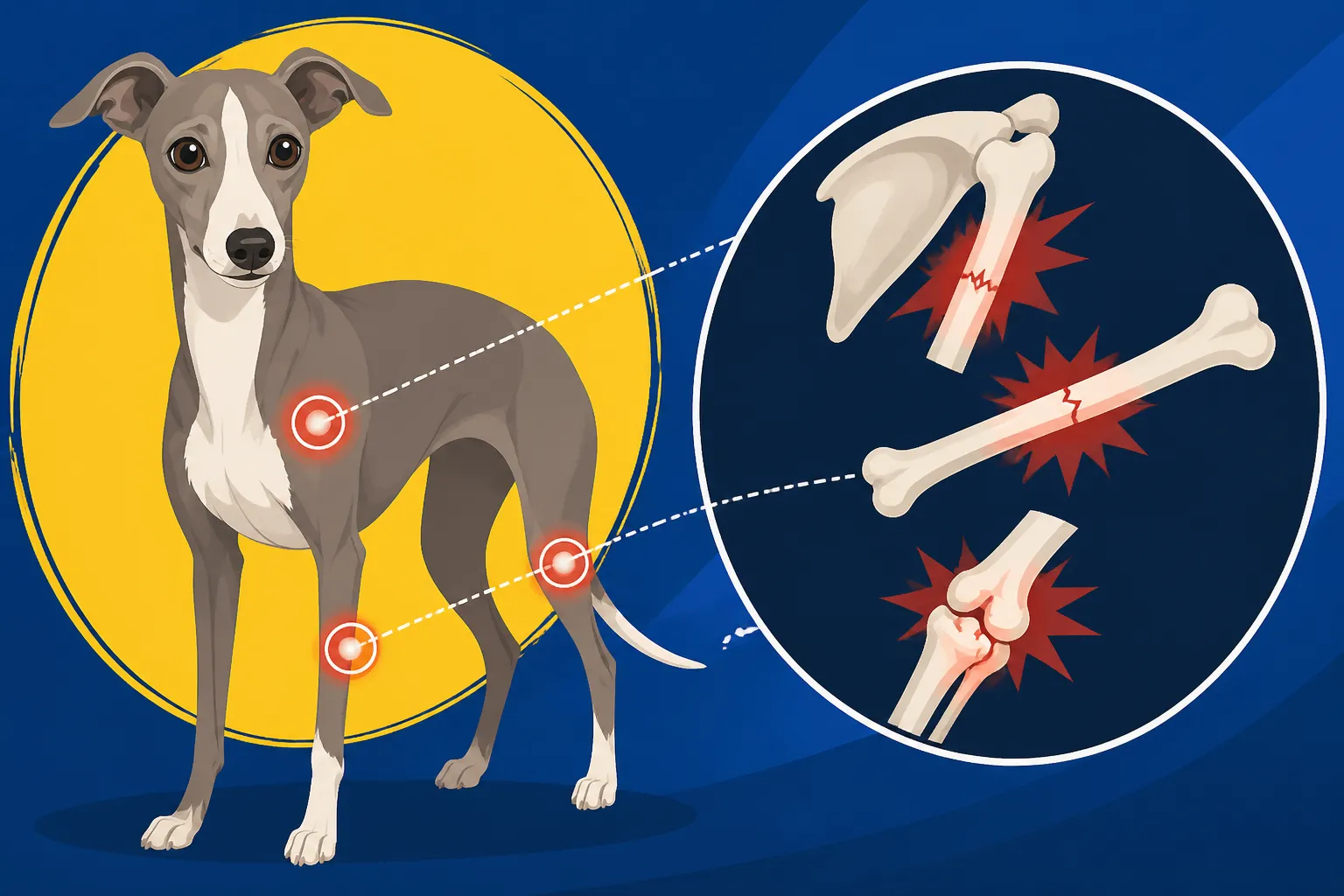
Which Bones an Italian Greyhound Breaks Most
One of the most terrifying realities for any Italian Greyhound owner is the distinct possibility of a broken bone. These elegant, fragile creatures bring immense joy, but their delicate build means that a simple jump or a misstep can lead to a devastating injury. If you're wondering which bones are most commonly fractured in an Italian Greyhound, and why, this guide is here to shed light on this all-too-common concern and help you prepare.
The Anatomy of Fragility: Why Italian Greyhounds Are Prone to Fractures
It’s not just an old wives’ tale; Italian Greyhounds genuinely have more fragile bones than many other breeds. Understanding the biological reasons behind this vulnerability is the first step in prevention and proactive care. We love our Iggies for their dainty appearance, but that elegance comes with inherent structural considerations.
Their Delicate Bone Structure
Italian Greyhounds possess an incredibly refined, delicate skeletal structure. Their bones are fine-boned, a hallmark of sighthounds, which contributes to their incredible speed and agility. However, this slenderness means they lack the robust density found in heavier-boned breeds. Imagine a delicate ceramic vase versus a sturdy clay pot – both are beautiful, but one is inherently more prone to shattering. This fine bone density, especially in their long, slender limbs, makes them particularly susceptible to fractures from seemingly innocuous incidents. The radius and ulna in the foreleg, for instance, are particularly long and thin, providing less structural integrity against impact or torque. This is a fundamental aspect of the breed's conformation that owners must always be mindful of. For a deeper dive, you might find our article on Why an Italian Greyhound's Leg Bones Break So Easily particularly insightful, as it elaborates on the specific biomechanics at play.
Growth Plate Considerations in Puppies
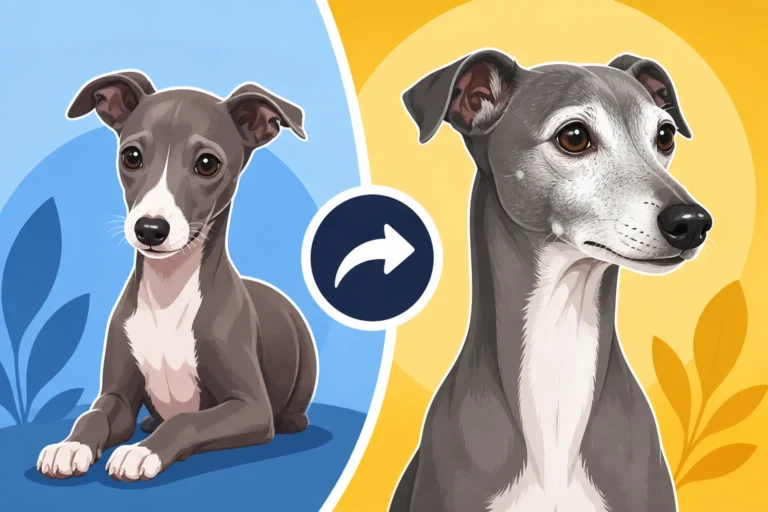
Puppies are naturally clumsy, full of boundless energy, and often fearless. For an Italian Greyhound puppy, this stage of development is especially high-risk because their growth plates haven't yet closed. Growth plates are areas of cartilage at the ends of long bones where bone growth occurs. They are weaker than the surrounding bone and are the last part of the bone to fully calcify and strengthen, which usually happens around 10 to 12 months of age, sometimes even up to 18 months for Italian Greyhounds. Until these plates are fully fused, any stress, twist, or impact on a limb can cause a Salter-Harris fracture, which is a break through the growth plate. These types of fractures can be particularly challenging because they can impact the future growth and development of the bone, potentially leading to limb deformities if not treated correctly and promptly. This is a huge reason why many breeders and experienced owners advocate for Restricting an Italian Greyhound Under Two to prevent these early, impactful injuries.
The Most Commonly Fractured Bones in Italian Greyhounds
While any bone can technically break, specific bones in the Italian Greyhound's anatomy are disproportionately affected due to their structure and how Iggies interact with their environment. These are the ones vets see most often.
The Foreleg: Radius and Ulna
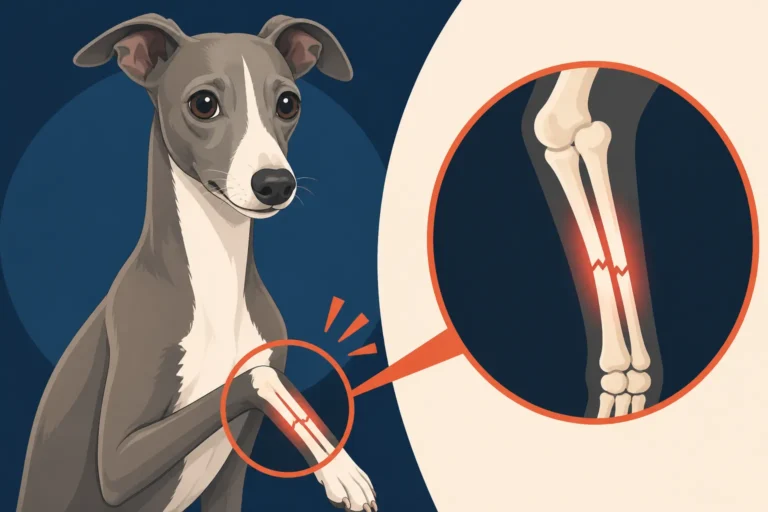
Without a doubt, the bones of the foreleg – specifically the radius and ulna – are the culprits behind the vast majority of Italian Greyhound fractures. These two long bones run parallel from the elbow to the wrist. In Iggies, they are exceptionally slender. When an Italian Greyhound jumps off furniture, lands awkwardly, or twists its leg during play, the force is often concentrated on these delicate bones. The impact causes a clean snap or a spiral fracture, often near the wrist joint (distal radius and ulna). These are frequently "comminuted" fractures, meaning the bone breaks into several pieces, making them more complex to repair than a simple clean break. Many owners have been through the heartbreaking experience of hearing that distinct yelp and seeing their beloved Iggy holding up a front paw. Our dedicated article, Why an Italian Greyhound's Radius Is the Bone That Breaks, goes into excruciating detail about this common injury.
The Tibia and Fibula: Hind Leg Vulnerability
While the front legs bear the brunt of fractures, the hind legs are not immune. The tibia and fibula are the two long bones of the lower hind leg, running from the knee to the ankle. These bones are also fine and can be susceptible to fractures, though typically less frequently than the radius and ulna. Hind leg fractures often occur during high-energy play, running at full speed and twisting, or from being stepped on or colliding with an object. Imagine an Iggy zooming around the yard, making a sharp turn, and catching its foot on an uneven patch of grass – that kind of torque can easily snap these delicate bones. While a broken leg is always a serious emergency, hind leg fractures can sometimes be slightly less complicated if they are clean breaks and don't involve the joints, purely because the dog might be able to bear some weight on the other three limbs more easily post-surgery than with a front leg injury.
Other, Less Common Fractures
Beyond the forelegs and hind legs, other bones can certainly break, though they are less common. Rib fractures, for example, can occur from blunt force trauma, like being kicked accidentally, falling awkwardly, or from severe coughing fits (though rare). Toe fractures can happen if an Iggy catches a paw on something or has a direct impact. Pelvic fractures, while rare in Italian Greyhounds specifically unless there's been significant trauma like a car accident, are incredibly serious. Tail fractures are also a possibility; an excited Iggy can sometimes wag its tail so vigorously against a hard surface that it causes a break, or the tail can get caught in a door. While these instances are less frequent than leg breaks, they highlight that no part of an Italian Greyhound's skeletal system is truly invulnerable. Owners should remain vigilant for any signs of pain or lameness, no matter which limb or body part seems affected.
Here's a quick overview of common fracture sites:
| Bone Group | Common Location(s) | Typical Cause(s) | Severity/Complexity |
|---|---|---|---|
| Foreleg | Radius & Ulna (distal end near wrist) | Jumps, awkward landings, impact from falls | Most common, often comminuted, surgery usually required |
| Hind Leg | Tibia & Fibula (shaft) | High-speed turns, direct impact, stepping on/off objects | Less common than foreleg, can be complex if joint involved |
| Growth Plates | Ends of long bones (esp. radius) | Falls, jumps, rough play in puppies | Can impact future growth, critical in young Iggies |
| Other (Less Common) | Ribs, Toes, Tail, Pelvis | Blunt trauma, accidental impact, vigorous wagging | Varies greatly, can be very serious (e.g., pelvis) |
Common Scenarios Leading to Specific Bone Breaks
It's often the seemingly innocent everyday activities that pose the greatest risk to an Italian Greyhound. Their zest for life and often reckless abandon can lead to injuries even in the safest of homes.
Everyday Jumps and Falls
The most notorious culprit for Italian Greyhound fractures is jumping off furniture. A sofa, a bed, a chair – what seems like a small leap for a larger dog can be a dangerous drop for an Italian Greyhound with their delicate build and lack of body fat to cushion landings. They often misjudge distances, slip on landing, or twist a limb upon impact. Even jumping off a person's lap can cause a catastrophic fracture. It's a cruel irony that these "velcro dogs" who crave being close to their people in high places are most at risk from those very spots. Many an Iggy owner has rushed to the emergency vet after their dog decided to leap from the arm of a sofa. This is why ramps and steps are not just convenient, but essential safety equipment in an Italian Greyhound home. Our article, The Jump Off the Sofa That Breaks an Italian Greyhound's Leg, details this common accident and preventive measures.
Playtime Mishaps
Italian Greyhounds are playful, agile dogs that love to run and chase, but this exuberance can quickly turn dangerous. Roughhousing with larger dogs, for instance, is a huge no-no. A bigger dog might accidentally step on an Iggy, knock them over, or twist a limb during play, leading to a break. Even playing with another Italian Greyhound can be risky if they collide at high speed or land awkwardly during a zoomie session. Their speed, combined with their fine bones, means that a simple tumble can become a serious injury. Think about dogs playing tug-of-war or chasing a ball; the sudden stops, twists, and impacts can place immense strain on their delicate leg bones. A responsible owner always supervises playtime, especially if different sizes or play styles are involved, to prevent these kinds of heartbreaking accidents.
Accidents Around the House
Beyond jumps and falls from furniture, an Italian Greyhound's home environment is full of potential hazards that owners might not even consider. Slippery floors, like hardwood or tile, can lead to slips and falls, especially during excited sprints. A dog running at full speed, slipping, and splaying its legs can put immense stress on bones and joints. Getting caught in closing doors, being stepped on accidentally by a human (especially children), or even falling down stairs are other common scenarios. A misstep on a curb outside, a sudden pull on the leash that causes a stumble, or an unexpected collision with furniture can all result in fractures. These dogs are so quick and often underfoot that household accidents are a very real concern. Proactive safety measures, like keeping floors carpeted or using runners, and ensuring kids understand how fragile Italian Greyhounds are, are paramount.
Understanding Fracture Types and Severity
Not all fractures are created equal. The type of break and its location significantly impact the treatment plan, recovery time, and long-term prognosis for your Italian Greyhound.
Simple vs. Compound Fractures
When we talk about fractures, we generally categorize them based on the nature of the break and whether the skin is involved. A simple (or closed) fracture means the bone is broken, but the skin remains intact. While still a serious injury, these are generally less prone to infection and often have a more straightforward healing process. A compound (or open) fracture, on the other hand, is much more severe. In this case, the broken bone has pierced through the skin, exposing the bone to the outside environment. This dramatically increases the risk of infection, which can complicate healing and even lead to osteomyelitis (bone infection), a condition that is incredibly difficult to treat and can result in the loss of the limb. Compound fractures always require immediate, aggressive veterinary intervention, often involving debridement (cleaning) of the wound, antibiotics, and specialized surgical repair. They are truly an emergency where every minute counts.
Growth Plate Fractures and Long-Term Impact
As mentioned earlier, growth plate fractures are a distinct concern in young Italian Greyhounds. These fractures occur in the cartilaginous areas at the ends of long bones in puppies and adolescent dogs. Because these plates are responsible for bone lengthening, a fracture through them can disrupt normal growth. If the growth plate is damaged, it might fuse prematurely or unevenly, leading to a limb that is shorter or deformed compared to its healthy counterpart. This can cause lameness, pain, and arthritis later in life. Prompt diagnosis and precise surgical repair are crucial to try and minimize these long-term consequences. Vets will often take X-rays of the opposite, healthy limb to compare growth plate status and help guide the repair. Monitoring the puppy's growth post-surgery is also vital to detect any signs of growth disturbance early. This is a critical period for Italian Greyhound puppies, underscoring the importance of preventing injury.
Mitigating Risk and Proactive Care
While we can't completely eliminate the risk of fractures for our active Iggies, there's a lot we can do to create a safer environment and support their bone health. Being proactive is always better than reacting to an emergency.
Environmental Modifications for Safety
Creating a safe home environment is perhaps the single most effective way to prevent fractures. Start by assessing your furniture: provide Ramps and Steps for an Italian Greyhound's Furniture to discourage jumping off beds and sofas. These can be easily integrated into your home decor and make a world of difference. Consider dog gates for stairs if your Iggy is a known stair-jumper or prone to clumsy descents. On slippery floors like hardwood, tile, or laminate, lay down rugs or runners to provide traction, especially in high-traffic areas or where your dog tends to zoom. If your Iggy is particularly prone to slipping, dog booties with non-slip soles can also be a temporary solution. Keep small, fragile items out of reach, and be mindful of where your Italian Greyhound is when you open and close doors. These small changes, while perhaps an initial adjustment for you, can dramatically reduce the chances of a painful injury.
Nutritional Support and Weight Management
While specific supplements can't make an Italian Greyhound's inherently delicate bones unbreakable, a balanced diet and appropriate weight management play a crucial role in overall skeletal health. Ensure your Iggy is on a high-quality dog food formulated for small breeds, which provides all the necessary vitamins and minerals, including calcium and phosphorus, in the correct ratios for bone maintenance. Avoid giving excessive calcium supplements to puppies, as this can actually be detrimental and interfere with proper bone development. Maintaining a lean body weight is also vital. An overweight Italian Greyhound places additional stress on its slender bones and joints, making them even more susceptible to fractures. Regular vet check-ups can help monitor your Iggy's weight and ensure they are receiving optimal nutrition. While diet can't prevent every accident, it builds the strongest foundation possible for their delicate bodies.
The Immediate Aftermath: Recognizing and Responding to a Fracture
Even with the best precautions, accidents can happen. Knowing what to look for and how to react calmly and efficiently can make a huge difference in your Italian Greyhound's prognosis and recovery. This is where preparedness truly pays off.
Signs of a Broken Bone
The signs of a broken bone in an Italian Greyhound can range from subtle to obvious, but they almost always involve acute pain. The most common and immediate indicator is sudden, non-weight-bearing lameness – your Iggy will likely hold the injured leg up and refuse to put any weight on it. You might hear a distinct yelp or cry at the moment of injury. Other signs include:
- Swelling: The injured area will likely swell rapidly.
- Deformity: The limb might look unnaturally bent or twisted.
- Bruising: Discoloration might appear as bleeding occurs under the skin.
- Vocalization: Whining, whimpering, or crying, especially when the area is touched.
- Licking or chewing: Your dog might incessantly lick or chew at the painful spot.
- Behavioral changes: Retreating, becoming aggressive when approached, or showing signs of shock (pale gums, rapid breathing).
It's important to remember that even if an Italian Greyhound appears to "walk it off" or bear some weight, a fracture can still be present. Their high pain tolerance and instinct to hide injury can sometimes mask the severity. If you suspect any kind of bone injury, it's always best to seek immediate veterinary attention. Our guide, Signs an Italian Greyhound Has Broken a Leg, offers a more in-depth look at these crucial indicators.
First Aid and Emergency Vet Care
If you suspect your Italian Greyhound has a broken bone, the absolute first step is to contact your veterinarian or an emergency veterinary clinic immediately. Time is often critical, especially with open fractures. While waiting for professional help, your primary goal is to minimize movement of the injured limb and keep your dog calm.
- Confine your dog: Gently place your Iggy in a small crate or carrier to prevent further movement. If you don't have one, a small, enclosed room where they can't jump or run is an alternative.
- Avoid manipulating the limb: Do NOT try to set the bone, straighten it, or apply any homemade splints. You could cause further damage, pain, or even turn a closed fracture into an open one.
- Comfort and warmth: Keep your dog warm with a blanket, as shock can cause their body temperature to drop. Speak to them in a calm, reassuring voice.
- Transportation: Handle your Iggy with extreme care. Support the body, especially the injured limb, if you need to lift them. A flat board or stretcher can be helpful for larger dogs, but for Iggies, gentle cradling in a carrier is usually best.
Once at the vet, X-rays will be taken to diagnose the fracture. Treatment often involves surgery, typically plating or pinning, given the nature of Italian Greyhound bone breaks. It’s a costly undertaking, and knowing about options like pet insurance can alleviate some of the financial burden. Providers like Healthy Paws are often recommended for their comprehensive accident and illness plans, which can cover a significant portion of fracture repair costs. Having financial preparedness, perhaps even Budgeting for an Italian Greyhound's Broken Leg Before It Happens, can reduce stress during an already difficult time.
Navigating Treatment and Recovery for a Fractured Italian Greyhound
A fractured bone is just the beginning of a long journey. The path from injury to full recovery involves critical decisions about treatment, diligent post-operative care, and a realistic understanding of the financial and emotional commitment involved.
Surgical Options for Fracture Repair
For the vast majority of Italian Greyhound leg fractures, especially those involving the radius and ulna, surgical intervention is the gold standard. Due to the fine nature of their bones and the type of breaks they often sustain (comminuted, spiral), casts alone rarely provide adequate stabilization and often lead to non-union or mal-union. The most common surgical techniques include:
- Internal fixation with plates and screws: This involves surgically implanting a metal plate along the length of the bone, secured by screws that pass through the bone and plate. This provides strong, stable support, allowing the bone to heal in proper alignment. This is often the preferred method for Italian Greyhounds due to their delicate bones, and a skilled orthopedic surgeon is crucial.
- External fixation: In some complex cases, pins are inserted through the skin and bone, connected externally by bars and clamps. This "external frame" stabilizes the bone from the outside. While effective, it requires meticulous bandage changes and monitoring for pin tract infections.
- Intramedullary pins: A pin is inserted down the hollow center of the bone to stabilize it. This is less common for radius/ulna fractures in Iggies but might be used for other long bone breaks.
The choice of method depends on the specific fracture type, location, and the surgeon's expertise. Finding a Surgeon Who Has Plated an Italian Greyhound is incredibly important, as this specialized surgery requires specific skills and experience with the breed's unique bone structure.
The Long Road to Recovery and Rehabilitation
Post-surgery, the recovery period for an Italian Greyhound can be lengthy and demanding, typically involving strict crate rest and activity restriction for 6-12 weeks, sometimes longer. This is often the hardest part for both dog and owner. Your Iggy will likely need pain medication, antibiotics, and anti-inflammatory drugs. Regular bandage changes, monitoring the incision site for infection, and ensuring the dog doesn't chew or lick at the surgical area are critical. An Elizabethan collar (cone) will likely become their constant companion.
Once the initial healing phase is complete and follow-up X-rays confirm bone union, a gradual rehabilitation program begins. This might involve:
- Controlled leash walks: Slowly increasing duration and intensity.
- Physical therapy: Gentle range-of-motion exercises, massage, and hydrotherapy (under veterinary guidance) can help restore muscle strength and joint flexibility.
- Weight management: Ensuring the dog doesn't gain excessive weight, which would stress the healing limb.
It's a marathon, not a sprint. Patience, consistency, and adherence to your vet's instructions are vital. Many pet insurance plans, like those from Healthy Paws, will also cover rehabilitation services, which can be a huge benefit during this phase. Understanding How Long an Italian Greyhound Takes to Heal a Fracture can help set realistic expectations for this challenging period.
Protecting Your Italian Greyhound's Bones for a Lifetime
Prevention and preparedness are paramount for Italian Greyhound owners. While you can't wrap them in bubble wrap, you can empower yourself with knowledge and strategies to keep them safe.
Comprehensive Preventative Strategies
Living with an Italian Greyhound means adopting a lifestyle focused on proactive prevention. This isn't just about managing an existing injury; it's about building a framework of safety.
- Puppy Proofing: For young Iggies, treat your home like a minefield of potential dangers. Block off stairs, discourage jumping from any height, and supervise all interactions with other pets or children. Early education for children on how to safely interact with a delicate Italian Greyhound is critical; remember, Why Children Should Not Carry an Italian Greyhound is a lesson best learned before an accident.
- Furniture Safety: As discussed, ramps and steps are non-negotiable for furniture access. Train your Iggy to use them from a young age. If they insist on jumping, consider temporarily restricting access to high furniture when unsupervised.
- Slippery Surfaces: Use runners, yoga mats, or area rugs on hard floors to provide traction, especially where they run or jump. Paw wax or non-slip socks can also help.
- Leash Safety: Always walk your Italian Greyhound on a leash and a secure harness (not a collar, as they can easily slip out). Their prey drive means they can bolt instantly, and a sudden jerk could lead to an injury.
- Supervised Play: Never leave an Italian Greyhound unsupervised with larger dogs, no matter how gentle you think the larger dog is. Even a playful nudge can lead to a severe fracture.
- Regular Vet Check-ups: Ensure your Iggy receives regular veterinary care, including appropriate nutrition advice, to support overall bone health.
By implementing these strategies, you create a safer environment that honors their delicate nature while still allowing them to express their joyful, active personalities.
The Indispensable Role of Pet Insurance
Let's be frank: fracture repair for an Italian Greyhound is incredibly expensive. We're talking thousands of dollars for diagnostics, surgery, pain management, and follow-up care. A single break can easily cost $3,000 to $8,000 or more, especially if a specialist is required. This is where pet insurance, like plans offered by Healthy Paws, becomes a non-negotiable tool for Italian Greyhound owners. Pet insurance helps mitigate these significant financial risks, ensuring you can provide the best possible care without being forced to make heartbreaking financial decisions. Many plans will cover accidents, including fractures, as long as the injury isn't pre-existing. It's crucial to enroll your Italian Greyhound when they are young and healthy, before any incidents occur, to avoid waiting periods or exclusions for pre-existing conditions. Understanding What Pet Insurance Actually Covers on an Italian Greyhound is vital, so you know exactly what to expect when the unexpected happens. Having this safety net in place offers immense peace of mind, allowing you to focus on your Iggy's well-being rather than crushing veterinary bills during an emergency.
Disclaimer
Please remember that this article provides general information and advice based on common Italian Greyhound experiences and veterinary knowledge. It is not a substitute for professional veterinary care. Always consult a qualified veterinarian for any health concerns or before making any decisions about your pet's health and treatment.