How an Italian Greyhound Runs After Hip Surgery
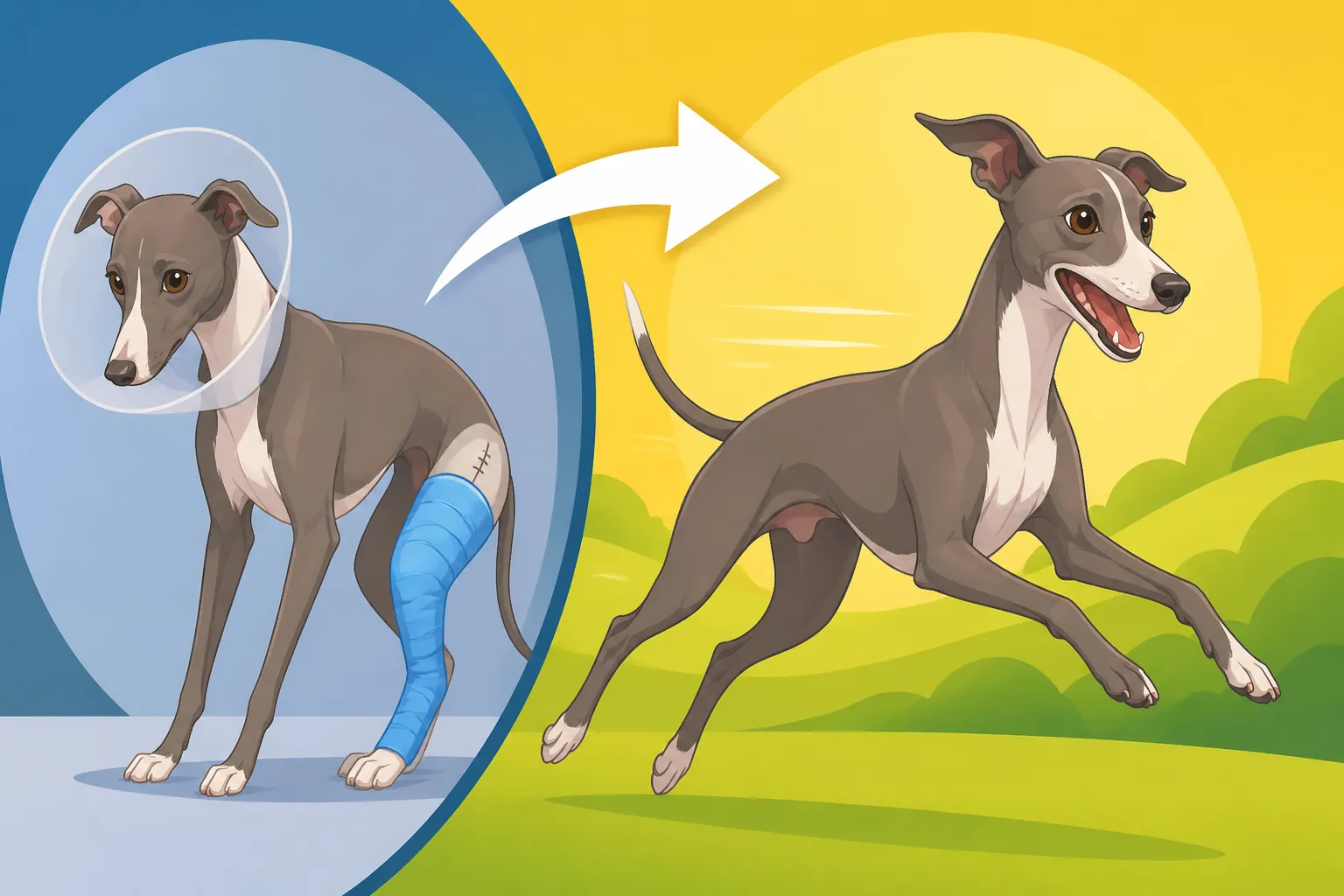
It's incredibly worrying when your lively Italian Greyhound, known for those sudden bursts of speed and graceful leaps, faces the prospect of hip surgery. The biggest fear for any owner is wondering if their beloved companion will ever truly run and play with that same characteristic exuberance again. This guide is here to provide an honest, in-depth look at what you can realistically expect from your Italian Greyhound's running ability and overall mobility after undergoing hip surgery, helping you prepare for the journey ahead.
Understanding Common Hip Issues in Italian Greyhounds Leading to Surgery
While Italian Greyhounds are generally a robust breed, their delicate structure and active nature can sometimes lead to orthopedic challenges. When it comes to hip issues, there are a few conditions that most frequently necessitate surgical intervention. Understanding these underlying problems is the first step toward appreciating the recovery process.
Legg-Calvé-Perthes Disease LCPD
One of the most common culprits for hip surgery in Italian Greyhounds, particularly in their younger years, is Legg-Calvé-Perthes Disease, often abbreviated as LCPD. This isn't a condition inherited from their parents in the same direct way some genetic diseases are, but rather a non-inflammatory degeneration of the femoral head – the ball part of the ball-and-socket hip joint. Essentially, the blood supply to this crucial bone area becomes compromised, leading to the bone tissue dying and collapsing.
This process typically begins in puppies between 4 and 12 months of age, though sometimes it can manifest a little earlier or later. Owners often first notice a gradual onset of limping or lameness in one of the hind legs. It might start subtly, perhaps after a strenuous play session, and then become progressively worse over weeks or even months. Your Italian Greyhound might show signs of pain, such as reluctance to put weight on the affected leg, crying out when touched, or having difficulty jumping or climbing stairs. The muscle in the affected leg might also start to atrophy, appearing thinner compared to the healthy leg. If you've ever observed What Legg Calve Perthes Does to an Italian Greyhound up close, you know how debilitating it can be. Early diagnosis is key, and your vet will likely use X-rays to confirm the characteristic changes in the femoral head. For most IGs with LCPD, surgical removal of the damaged femoral head is the recommended course of action to alleviate pain and restore function.
Severe Traumatic Hip Injuries
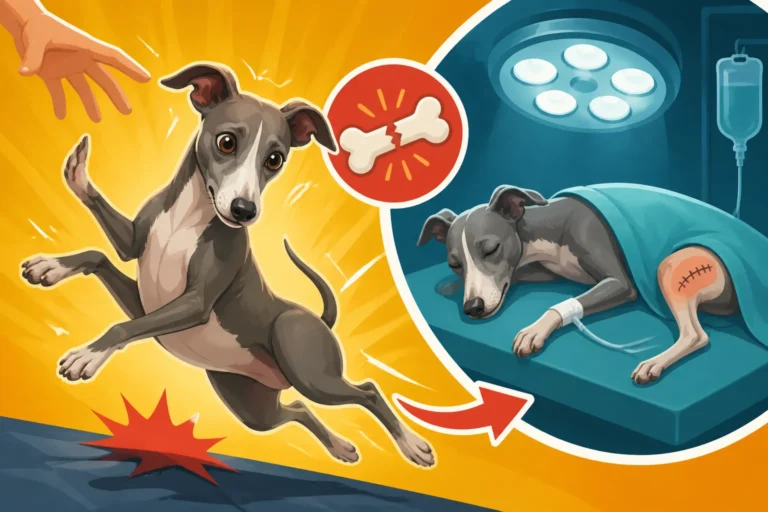
Unfortunately, given their fine bones and enthusiastic nature, Italian Greyhounds can also experience severe traumatic hip injuries that demand surgical attention. While we often focus on their predisposition to leg fractures, the hip joint itself isn't immune to significant trauma. Imagine a scenario where your Italian Greyhound takes an unexpected fall from a high piece of furniture, or perhaps experiences an impact during a chaotic play session with a larger dog. These events, though thankfully less common for the hip than for the lower leg, can result in devastating injuries.
A common traumatic hip injury is a luxation, where the femoral head pops out of the hip socket. This is an incredibly painful event, and your Italian Greyhound will likely be non-weight-bearing on the affected leg immediately. While some luxations can be manually reduced by a veterinarian under sedation, often without surgery, severe or recurrent dislocations frequently require surgical stabilization. In other unfortunate instances, a direct impact could lead to a fracture of the femoral head or the acetabulum (the hip socket itself). These types of fractures are intricate and often require specialized orthopedic surgery to repair, sometimes involving pins, screws, or plates to stabilize the bone fragments. The need for such complex interventions underscores the importance of consulting a board-certified veterinary surgeon. Knowing What an Italian Greyhound's Emergency Vet Visit Costs for such an injury highlights the financial and emotional impact.
Surgical Approaches for Italian Greyhound Hip Conditions
Once a hip issue is diagnosed, your veterinary team will discuss the best surgical approach. For Italian Greyhounds, given their size and unique physiology, certain procedures are more commonly recommended and tend to have better outcomes. It's crucial to understand these options to set realistic expectations for recovery and future mobility.
Femoral Head Ostectomy FHO
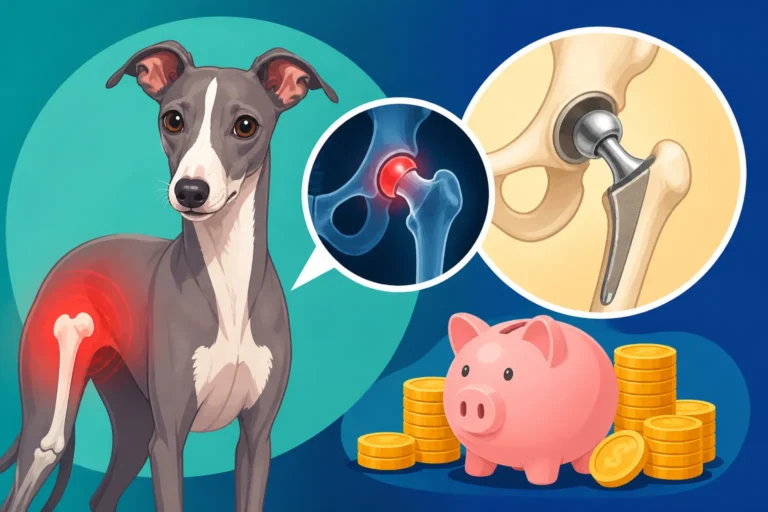
For small breeds like Italian Greyhounds, the Femoral Head Ostectomy (FHO) is by far the most common surgical procedure for conditions like LCPD or certain types of hip fractures and severe luxations. It might sound daunting, but the principle is relatively straightforward and highly effective for pain relief. In an FHO, the surgeon removes the head and neck of the femur – essentially the "ball" portion of the hip joint. This eliminates the painful bone-on-bone rubbing that occurs in a damaged joint.
What happens next is quite remarkable: the body forms a "false joint" or pseudoarthrosis. The muscles surrounding the hip joint become stronger and create a fibrous tissue cushion where the femoral head used to be. This allows the leg to move without the pain of the damaged bone grinding in the socket. The success of an FHO largely relies on the dedication to post-operative rehabilitation, which encourages the development of strong muscles to support this new joint. Owners often worry about their dog's ability to run after such a procedure, but many Italian Greyhounds, with proper rehab, regain excellent functional use of the limb, often able to enjoy their zoomies again, albeit with a slightly altered gait. Discussing What Femoral Head Surgery Costs on an Italian Greyhound with your vet is a critical step in planning this procedure.
Total Hip Replacement THR
While Total Hip Replacement (THR) is considered the gold standard for many large and medium-sized dogs suffering from severe hip dysplasia, it is significantly less common for Italian Greyhounds. This is primarily due to several factors. THR involves replacing both the femoral head and the acetabulum with prosthetic implants made of metal and plastic, creating a completely new, pain-free joint. The precision required for fitting these implants, along with the sheer cost and the smaller size of available implants, makes it a less frequent choice for our tiny IGs.
However, in very specific, severe cases where an FHO might not be sufficient or where the owner is seeking the absolute best chance at restoring near-normal hip function, THR can be an option. It's a highly specialized surgery, performed by very few board-certified veterinary orthopedic surgeons, and it comes with a much higher price tag and a longer, more intensive recovery period. The benefit is the potential for a truly anatomical joint, which can offer superior range of motion and weight-bearing compared to an FHO. But for most Italian Greyhounds, the effectiveness of an FHO, combined with its lower risk profile and cost, makes it the preferred choice. The financial commitment for a THR can be astronomical, potentially eclipsing What an Italian Greyhound Costs to Buy in 2026 several times over, making pet insurance like Healthy Paws even more invaluable for major surgeries.
Other Post-Surgical Considerations
Beyond the main surgical types, there are other considerations crucial for a successful outcome in an Italian Greyhound. The experience of your veterinary surgeon cannot be overstated. Italian Greyhounds are not just small dogs; they have unique anatomy, including very fine bones and a sparse muscle mass that requires a surgeon familiar with their breed-specific challenges. Choosing a board-certified orthopedic specialist who has significant experience with toy breeds, and ideally with sighthounds, can make a world of difference. They understand the nuances of working with such delicate structures and can anticipate potential complications.
For some hip fractures, especially in younger puppies, internal fixation methods like pins or wires might be used to hold bone fragments in place as they heal. These procedures also require meticulous surgical skill and a careful post-operative management plan. Regardless of the specific surgery, the quality of care during and immediately after the procedure, including appropriate anesthesia protocols for sighthounds, aggressive pain management, and meticulous incision care, are paramount to setting your Italian Greyhound up for the best possible recovery. Always ask your vet about their experience with Italian Greyhounds when facing any surgical decision.
The Critical Early Recovery Phase and Regaining Basic Mobility
The period immediately following hip surgery is one of the most crucial, and often the most challenging, for both you and your Italian Greyhound. It requires immense dedication, patience, and a meticulous approach to care. This phase lays the foundation for all future mobility, including their ability to run again.
Immediate Post-Operative Care
Once your Italian Greyhound is home from surgery, the priority is pain management and preventing any damage to the healing site. Your vet will send home a regimen of pain medication, anti-inflammatories, and possibly muscle relaxants. It is absolutely vital to administer these exactly as prescribed, even if your dog seems to be doing well. Italian Greyhounds are notorious for How an Italian Greyhound Hides Pain, so don't assume their quiet demeanor means they aren't hurting. Strict rest is non-negotiable. This usually means kennel rest or confinement to a very small, safe space, like a dog playpen, with no jumping, running, or uncontrolled activity for several weeks.
Leash walks will be short and controlled, purely for potty breaks, and you'll need to support them as needed, especially in the first few days. Many owners use a sling or towel under their belly to help them bear weight and prevent falls. Incision care is another daily task: checking for redness, swelling, or discharge, and keeping it clean and dry. An Elizabethan collar (cone) will likely be mandatory to prevent licking or chewing at the stitches, which could lead to infection or reopening the wound. This initial phase is about gentle healing and allowing the body to begin its repair process without interruption.
Starting Rehabilitation Exercises
As the initial acute pain subsides and the incision begins to heal, your vet or a certified canine rehabilitation therapist will guide you through the next critical step: rehabilitation exercises. This isn't just about getting your Italian Greyhound to walk again; it's about rebuilding strength, flexibility, and proper muscle memory in the affected leg. These exercises often start gently with passive range of motion (PROM), where you carefully move your dog's hip joint through its natural range of motion to prevent stiffness and maintain flexibility.
Gentle massage of the surrounding muscles can also help reduce soreness and improve circulation. As your Italian Greyhound progresses, active exercises will be introduced. These might include controlled standing exercises, gentle weight-shifting, slow leash walks on varied surfaces, and carefully guided stretches. Hydrotherapy, such as underwater treadmill sessions, can be incredibly beneficial. The buoyancy of the water reduces weight-bearing stress on the joint while allowing for a full range of motion and muscle strengthening. For an Italian Greyhound, who might feel the cold more, ensuring the water is adequately warmed is important. This rehabilitation process is a significant commitment, but it’s absolutely essential for optimizing functional recovery and giving your IG the best chance to regain their running ability. Pet insurance providers like Healthy Paws often cover these crucial rehabilitation therapies, which can significantly reduce your out-of-pocket expenses.
Realistic Expectations for the First Few Months
It's vital to have realistic expectations during the first few months post-surgery. Recovery is a marathon, not a sprint, and there will be good days and challenging ones. Initially, your Italian Greyhound will likely still limp and appear stiff, especially after resting. This is normal as their body adjusts to the new joint mechanics and muscles begin to strengthen. Don't push them too hard, too fast. Every dog's recovery timeline is unique, influenced by their individual pain tolerance, the severity of the original injury, and the owner's adherence to the rehabilitation plan.
You'll see gradual improvements. What started as barely touching the paw to the ground will slowly evolve into more confident steps, then a short trot. It's common to experience setbacks, like a day where they seem a little lamer, often because they overdid it the day before. The key is consistency and communication with your veterinary team. They can adjust pain medication or exercise intensity as needed. Remember that for a dog accustomed to darting around, this period of restriction can be mentally frustrating. Provide plenty of mental enrichment, like puzzle toys or gentle cuddle time, to keep them engaged and happy without risking their physical recovery.
Long-Term Outlook: Running, Playing, and Living Fully After Hip Surgery
The goal of hip surgery for your Italian Greyhound is not just pain relief, but a return to a good quality of life, ideally including their cherished running and playing. The long-term outcome is heavily influenced by the type of surgery, the consistency of rehabilitation, and ongoing supportive care.
How FHO Surgery Changes the Gait
For Italian Greyhounds who undergo an FHO, the way they run will inevitably change from their pre-surgery gait. Since the femoral head (the "ball") is removed, there's no longer a true ball-and-socket joint. Instead, a "false joint" forms, supported by the powerful muscles surrounding the hip. This means that while they will regain excellent weight-bearing capacity and a good range of motion, the mechanics of their hind leg movement will be different.
You might notice that their stride is not as fluid or expansive as it once was. They might have a slightly shorter stride on the affected leg, or their hip might move with a different rotational pattern. The signature "sighthound trot" and explosive sprints might not be identical, but they should still be able to achieve good speeds and enjoy chasing toys. The key is muscle strength; the stronger the gluteal and thigh muscles become through rehabilitation, the more effectively they can support this false joint and allow for dynamic movement. It's a testament to their resilience and your commitment that many IGs with FHOs lead incredibly active lives, albeit with a subtly modified running style.
The Role of Consistent Rehabilitation and Lifestyle Adjustments
The success of any hip surgery, especially an FHO, hinges on consistent, long-term rehabilitation and thoughtful lifestyle adjustments. This isn't a one-and-done scenario. Ongoing exercises will be crucial to maintain muscle mass and joint flexibility. This might involve daily walks, specific strengthening exercises recommended by your rehab therapist, or even continued hydrotherapy sessions. Maintaining a healthy weight is paramount; any excess weight puts additional strain on the healing hip and can compromise the long-term outcome. Regularly assess your Italian Greyhound's body condition – you should be able to feel their ribs easily, but not see them prominently.
Furthermore, implementing safety measures around the house can prevent re-injury or unnecessary strain. Consider using ramps or steps to allow your Italian Greyhound safe access to and from furniture, rather than risking jumps that could jar the hip. Ensuring non-slip flooring in high-traffic areas can also prevent slips and falls. While competitive activities like lure coursing might need careful consideration and discussion with your vet, many Italian Greyhounds go on to enjoy modified versions of these activities, proving that life after hip surgery can still be incredibly rich and fulfilling. You should schedule How Often an Italian Greyhound Needs a Wellness Exam to continuously monitor their progress.
When an Italian Greyhound Can Truly Run Again
This is the million-dollar question every Italian Greyhound owner asks, and the answer, unfortunately, isn't a simple timeline. It's highly variable and depends on many factors, including the specific surgery performed, the dog's individual healing capacity, the intensity and duration of rehabilitation, and your commitment to their recovery.
Table: General Recovery Timelines for Italian Greyhound Hip Surgery
| Phase | FHO Recovery (General) |
|---|---|
| THR Recovery (General) | Key Activities & Expectations Phase |
| FHO Recovery (Typical) | THR Recovery (Typical) |
| Key Activities & Expectations | (S. M. Jafari) |
| Journal Title | Applied Soft Computing |
| Year | 2013 |
| Volume | 13 |
| Issue | 1 |
| Pages | 314-323 |
| Abstract | This paper presents a novel approach for solving optimization problems using a hybrid of genetic algorithms (GA) and fuzzy logic. The proposed method aims to combine the global search capabilities of GA with the local search and decision-making abilities of fuzzy logic to enhance the convergence speed and accuracy of the optimization process. The effectiveness of the hybrid algorithm is demonstrated through various benchmark functions, showing superior performance compared to traditional GA and other heuristic methods. The results indicate that the fuzzy-GA hybrid approach can efficiently find optimal solutions with improved robustness and less computational effort. |
| Keywords | Genetic algorithm, Fuzzy logic, Hybrid optimization, Benchmarking, Convergence, Robustness |
| DOI | 10.1016/j.asoc.2012.08.014 |
| Publisher | Elsevier Science Publishers |
Disclaimer
This article is for general informational purposes only and does not constitute professional advice. Laws, prices and regulations vary by location and change over time. Consult a qualified professional for guidance on your specific situation.