Whether a Boarding Kennel Can Keep an Italian Greyhound Warm
One of the biggest worries for any Italian Greyhound owner when planning a trip away is ensuring their delicate companion stays warm and comfortable. These aren't your average dogs; they feel the cold deeply, and the thought of leaving them in a standard boarding kennel, with its often-fluctuating temperatures and tiled floors, can send shivers down an owner's spine. This guide aims to tackle that very specific anxiety, helping you understand the unique thermal needs of your Italian Greyhound and what to consider when choosing temporary care.
The Unique Challenge of Keeping an Italian Greyhound Warm
Let's be real: Italian Greyhounds are built for speed and elegance, not for braving the cold. Their lean physique and fine coat mean they just don't have the natural insulation of many other breeds. Understanding this fundamental difference is the first step in ensuring their comfort, especially when they're away from the familiar warmth of home.
Why IGs Are Always Cold
It's not just a stereotype; Italian Greyhounds genuinely feel the cold more acutely than most dogs. Their signature sleek, short coat offers minimal protection, and unlike many breeds that have a dense undercoat, Iggies have only a single layer of fine hair. Combine this with their extremely low body fat – remember, these are sighthounds, designed for bursts of speed and agility – and you have a dog that struggles to retain body heat. They're often compared to carrying almost no body fat, which really highlights their vulnerability. Even in a room that feels perfectly comfortable to us, an Iggy might be huddled, shivering, and looking for a blanket to burrow under. This is why Why an Italian Greyhound Carries Almost No Body Fat is such a critical consideration for their overall well-being.
Think about it: when you pick up your Italian Greyhound, you can often feel their warmth escaping their thin skin. Their ears can get surprisingly chilly, and their little paws are quick to feel the bite of a cold floor. This isn't them being dramatic; it's their physiology. A slight draft that you wouldn't notice can cut right through their sparse coat, making them uncomfortable.
More Than Just "Not Freezing" – Their Comfort Zone
For us, "warm enough" might mean the thermostat is set to a comfortable 70 degrees Fahrenheit. For an Italian Greyhound, their definition of comfort is often much higher, and it's less about avoiding frostbite and more about being truly cozy. Many owners will tell you that The Indoor Temperature an Italian Greyhound Starts Shivering At is often much higher than you'd expect, perhaps even when the room feels perfectly fine to you. They thrive in environments where they can burrow into blankets, enjoy a sunbeam, or snuggle up to a warm body.
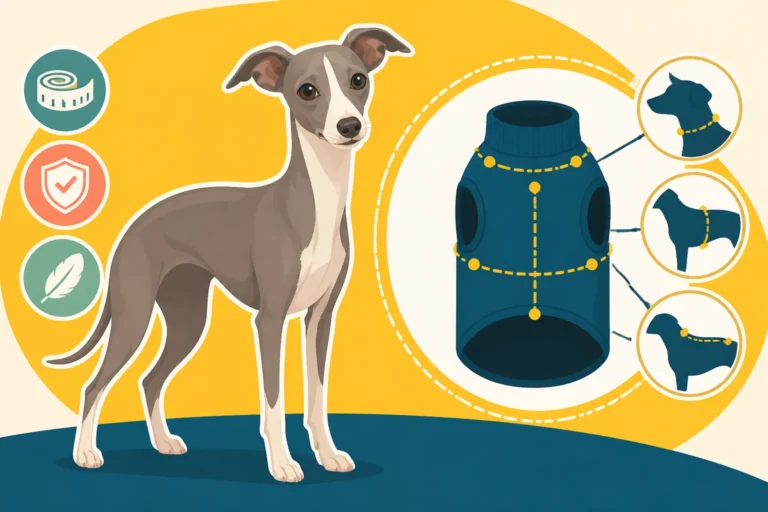
When an Italian Greyhound is cold, it's not just about shivering. Persistent cold can lead to stress, make them lethargic, and even make them more susceptible to illness. It’s a holistic issue. Their discomfort isn't just physical; it affects their emotional state, making them anxious or unhappy. A kennel that is merely "above freezing" is simply not sufficient for these sensitive souls. They need an environment that actively helps them conserve and generate body heat, similar to how they would be at home, perhaps even wearing When an Italian Greyhound Needs a Sweater Indoors for added warmth.
Standard Kennel Environments and the Iggy
Traditional boarding kennels are designed to accommodate a wide variety of breeds, from thick-coated Huskies to robust Labradors. This broad approach, while efficient for many, often overlooks the specific, delicate needs of an Italian Greyhound. What works for a German Shepherd might be detrimental to your tiny Iggy.
The Reality of Commercial Boarding Facilities
Most commercial boarding kennels operate with large, open spaces, often with concrete or tile floors. The heating systems are usually centralized and set to a general temperature that's considered acceptable for the average dog. This means that while the kennel might be heated, drafts can still be prevalent, and the ambient temperature might be far below what an Italian Greyhound truly needs to feel warm and secure. Individual runs or kennels, while providing separate spaces, rarely offer the kind of insulation or personalized warmth that an Iggy craves.
Imagine your Italian Greyhound, used to sleeping under a pile of blankets on your sofa, now on a thin mat on a cold floor, perhaps next to a large, boisterous dog. The stress of a new environment, combined with insufficient warmth, can be a recipe for misery. The sounds, smells, and routines of a kennel can already be overwhelming for a sensitive breed, and adding physical discomfort just amplifies that stress.
Common Kennel Practices and How They Fall Short for Iggies
Many kennels provide a standard blanket or bed, but for an Italian Greyhound, this is often inadequate. They need thick, soft, insulative bedding that they can burrow into, and often a cozy sweater or pajamas as well. Just an ordinary dog bed might not offer enough protection from a cold floor, especially when you consider Which Bed Protects an Italian Greyhound's Elbows from pressure sores, which can be exacerbated by lying on hard, cold surfaces without sufficient padding.
Furthermore, the staff in a busy kennel, while usually caring, might not have specific experience with sighthounds or understand just how susceptible Iggies are to cold. They might not notice subtle signs of discomfort until a dog is already shivering uncontrollably or showing signs of being lethargic. Regular outdoor potty breaks, even brief ones, can expose an inadequately dressed Italian Greyhound to extreme cold, leading to rapid heat loss. This isn't just a winter issue; even air conditioning in summer can be too much for an Iggy. It's truly a year-round commitment to Keeping an Italian Greyhound Warm Is Daily Work, Not a Winter Job.
What to Look For (and Ask For) in a Boarding Kennel
If a traditional boarding kennel is your only option, you absolutely need to be your Italian Greyhound's strongest advocate. This means asking very specific questions and inspecting the facility with your Iggy's unique needs in mind. Don't assume anything; verify everything.
Heating, Insulation, and Sleeping Arrangements
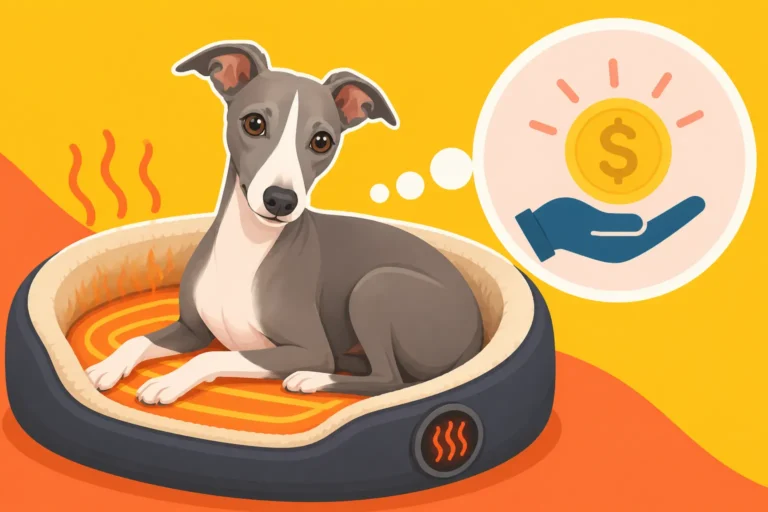
When you tour a kennel, pay close attention to the heating system. Ask about their exact thermostat settings, especially during nighttime hours or colder periods. Are individual kennels heated, or is it just the general area? Look for drafts, especially near the floor or doors. Inquire about the type and thickness of bedding provided. Do they allow you to bring your own, including a favorite blanket or a snuggle sack? Many Italian Greyhound owners find that supplemental heated beds, like those sometimes found on Chewy or other pet supply retailers, are a lifesaver, so ask if such items are permitted and safely accommodated. Even better, ask if they have designated "quiet" or "small dog" areas that might be kept warmer and away from larger, more energetic breeds.
Here’s a quick checklist of questions to ask:
| Feature | What to Ask | Why it Matters for Iggies |
|---|---|---|
| Temperature | What temperature is maintained 24/7, especially at night? | Iggies struggle to regulate body temp; need consistent warmth. |
| Heating Source | Is it central heating, radiant floor heat, or individual heating? | Radiant heat is ideal; central can mean drafts. |
| Drafts | How do you prevent drafts, especially in individual kennels? | Even slight drafts cause rapid heat loss in Iggies. |
| Bedding | What type and thickness of bedding is provided? Can I bring my own? | Need thick, soft, burrow-friendly options to insulate from cold floors. |
| Heated Beds | Are heated beds allowed? What are your safety protocols for them? | Can provide crucial supplemental warmth, but require supervision. |
| Outdoor Access | How often are dogs let out? What's the protocol for cold weather? | Brief exposure can be dangerous; need coats/boots, or indoor options. |
| Small Dog Area | Do you have a separate, quieter area for smaller, more delicate breeds? | Reduces stress and competition for warm spots. |
Staff Awareness and Special Care Protocols
It's not enough for a kennel to have heating; the staff needs to understand why it's so important for an Italian Greyhound. Ask if they have experience with sighthounds or other cold-sensitive breeds. Do they know the signs of an Italian Greyhound getting too cold, beyond obvious shivering? Will they ensure your Iggy wears a sweater or coat, especially for outdoor potty breaks? Some kennels might even be willing to put pajamas on your Iggy at night, which can make a huge difference in their comfort.
Discuss your dog's specific needs, like their preference for burrowing or their sensitivity to drafts. Emphasize that your Italian Greyhound might not eat well if they are too cold or stressed. A good kennel will listen attentively and offer solutions, rather than dismissing your concerns. If you have an older Italian Greyhound, their needs are even more critical, as Why an Old Italian Greyhound Feels the Cold More and may have other age-related issues. If they seem dismissive of these concerns, it's a red flag.
Exploring Alternatives to Traditional Kennels for Italian Greyhounds
Given their specific needs, many Italian Greyhound owners find that traditional kennels just aren't the right fit. Luckily, there are excellent alternatives that can provide the personalized care and warmth your Iggy deserves. This is often why Why Italian Greyhound Owners Use Sitters Instead of Kennels is a common topic of discussion within the breed community.
The Benefits of In-Home Pet Sitters
An in-home pet sitter is often the gold standard for Italian Greyhounds. This option allows your dog to stay in the comfort and familiarity of their own home, maintaining their routine, and, crucially, staying warm in their usual spots. A good pet sitter understands the importance of keeping the house at your preferred temperature and will be vigilant about your Iggy's comfort, ensuring they have access to their favorite blankets, beds, and sweaters.
With a pet sitter, your Italian Greyhound won't experience the stress of a new environment, new smells, or the overwhelming noise of other dogs. They'll get one-on-one attention, which is vital for a breed that thrives on companionship and can suffer from separation anxiety. The sitter can make sure they’re bundled up for potty breaks, snuggle them on the sofa, and ensure their food, perhaps a high-quality option like Ollie, is appealing even if they're a bit anxious. Should any unexpected health issues arise, having pet insurance like Healthy Paws can provide peace of mind for the owner.
Boarding With an Iggy-Savvy Individual
Another fantastic option is to find an individual who offers in-home boarding, specifically with experience in Italian Greyhounds or similar delicate breeds. These might be fellow Iggy owners, breeders, or enthusiasts who truly understand the breed's quirks and needs. This type of setup often provides a home-like environment, complete with soft beds, blankets, and a keen eye for keeping your Iggy warm.
Before committing, make sure to visit their home, observe their own pets, and ask about their daily routine. What are their house rules regarding furniture? Where will your Iggy sleep? How do they handle cold weather? A great host will be just as meticulous about your Italian Greyhound's comfort as you are, treating them like one of their own. They'll appreciate that an Iggy needs constant warmth, whether that means extra blankets on the sofa or making sure the house temperature is just right.
Ultimately, the goal is to replicate your Italian Greyhound's home environment as closely as possible, minimizing stress and maximizing warmth and comfort. While a traditional kennel might seem like a convenient option, for these fragile and sensitive dogs, a more personalized approach is almost always the best path to peace of mind for both you and your beloved Iggy.
Disclaimer
This article is for general informational purposes only and does not constitute professional advice. Laws, prices and regulations vary by location and change over time. Consult a qualified professional for guidance on your specific situation.