Whether a Senior Italian Greyhound Is Cheaper to Adopt
It’s a common, hopeful thought: adopting a senior Italian Greyhound will surely be a bit easier on the wallet, especially compared to the price tag of a young puppy. While rescue organizations often offer lower adoption fees for their older residents, it's a huge misconception to think that a senior IG will automatically be "cheaper" overall. This guide will dive deep into the true financial realities, from those initial adoption fees to the ongoing care that truly adds up over time, helping you understand the full picture of welcoming a distinguished elder sighthound into your home.
The Nuance of Adoption Fees for Senior Italian Greyhounds
When you look at rescue listings, you'll often see that the adoption fees for senior Italian Greyhounds are indeed lower than those for puppies or young adults. This is a common practice among rescue organizations, driven by a desire to help these deserving older dogs find loving homes, as they are sometimes overlooked in favor of younger, seemingly healthier pets. However, the initial adoption fee is just one piece of the financial puzzle.
What Lower Adoption Fees Often Cover
Rescue groups put an immense amount of work and resources into preparing their dogs for adoption, and senior IGs are no exception. A lower adoption fee doesn't mean they've cut corners on care. Typically, even with a reduced fee, a rescue Italian Greyhound will come to you spayed or neutered, up-to-date on vaccinations, microchipped, and likely already on heartworm and flea prevention. They'll also have had a general veterinary check-up.
For a senior Italian Greyhound, this initial health check might include some basic bloodwork to screen for common age-related issues like kidney or thyroid problems. Sometimes, a rescue might even begin initial dental work or address a minor issue discovered during their assessment. This up-front investment by the rescue can save you money right out of the gate, preventing you from having to immediately cover these standard procedures yourself. It's a fantastic head start, as the baseline costs of these veterinary services can be considerable, especially when you consider The Vaccination Schedule an Italian Greyhound Puppy Needs or routine spay/neuter costs for a younger dog.
The Immediate Vet Needs That Can Arise
Even with the best care from a rescue, a senior Italian Greyhound often arrives with a history you don't fully know, or with age-related conditions just beginning to manifest. A lower adoption fee might save you a couple of hundred dollars initially, but it’s crucial to be prepared for potential immediate veterinary expenses. Many senior IGs need dental care, sometimes extensive, because How Common Dental Disease Is in an Italian Greyhound is remarkably high. They might have painful teeth that need extraction, or require a full dental cleaning under anesthesia, which can be a significant cost.
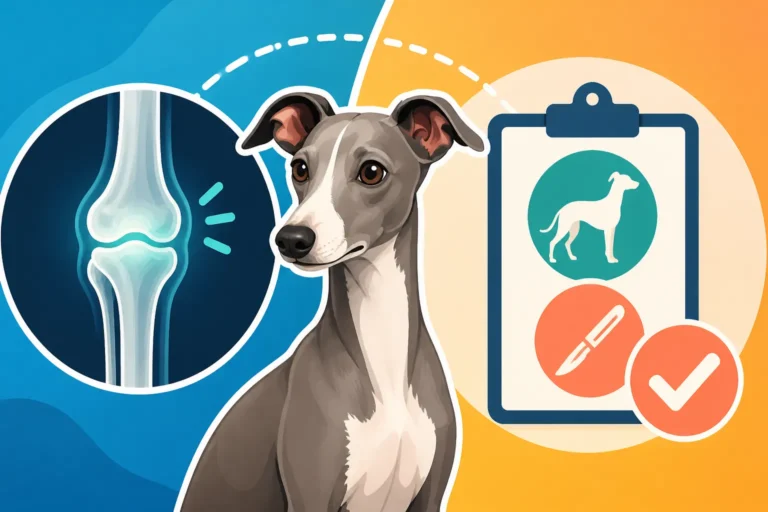
Beyond dental work, a senior Italian Greyhound might be coming to you with undiagnosed arthritis, a mild heart murmur, or a thyroid condition that was not fully evaluated by the rescue due to budget limitations or its subtle presentation. These aren't emergency situations, but they will require follow-up vet visits, diagnostics like X-rays or specialized blood panels, and potentially starting long-term medication, all within the first few months of bringing your new companion home. This is where the perceived "cheapness" of adoption quickly gets balanced out by immediate health investments.
Ongoing Care Costs for a Senior Italian Greyhound
Once the initial adoption period passes, the true cost of owning a senior Italian Greyhound really starts to show. While their daily needs might seem similar to a younger dog, the details often involve more specialized care and attention.
Food and Nutrition Requirements
As Italian Greyhounds age, their nutritional needs can shift. Some senior IGs might become pickier eaters, requiring you to explore different food options to tempt their appetite. Others might develop sensitivities or conditions that necessitate a prescription diet. For instance, if kidney function starts to decline, a low-protein, kidney-supportive diet becomes essential. These specialized foods can often be more expensive than standard adult kibble.
Additionally, many older IGs benefit from softer food textures, especially if they have lost teeth over the years. You might find yourself opting for canned food, or even exploring fresh food options from brands like Ollie, which can be fantastic for palatability and specific dietary needs but come at a premium price. You'll want to read up on Softer Food for an Old Italian Greyhound to prepare for these changes. Even if your senior maintains a good appetite for regular kibble, supplements for joint health or cognitive support are often recommended by veterinarians, adding another line item to your monthly grocery bill.
Routine Vet Care and Preventative Health
Routine veterinary care for a senior Italian Greyhound typically becomes more frequent and comprehensive than for a younger adult. While a healthy adult might get away with an annual wellness check, a senior IG often benefits from twice-yearly exams. These visits allow your vet to catch subtle changes early, particularly with conditions like The Heart Murmur an Old Italian Greyhound Develops or early signs of arthritis. During these exams, your vet will likely recommend more extensive bloodwork, urinalysis, and possibly blood pressure checks on a regular basis.
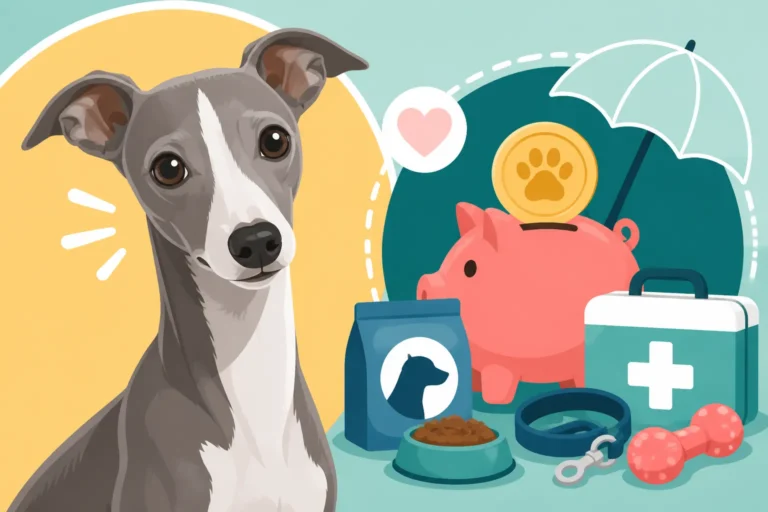
These preventative measures are absolutely vital for extending your Italian Greyhound's healthy years, but they do come with a cost. Each diagnostic test adds to the bill, and while catching issues early can prevent more expensive emergencies down the line, it means more consistent financial outlay. Many owners consider pet insurance from providers like Healthy Paws to help manage these predictable-yet-unpredictable costs, especially if their senior IG already has a diagnosed chronic condition that requires regular monitoring and medication.
Medication and Supplements
This is often where the biggest ongoing costs for a senior Italian Greyhound truly lie. Many older IGs develop chronic conditions that require daily medication for the rest of their lives. Common culprits include arthritis, hypothyroidism, heart disease, or even chronic pain from old injuries. What Medication an Old Italian Greyhound Needs can range from simple daily thyroid pills to complex combinations for heart disease or pain management.
For example, an Italian Greyhound with arthritis might need a daily non-steroidal anti-inflammatory drug (NSAID) or gabapentin for pain. Dogs with heart murmurs might be on multiple cardiac medications. These prescriptions can become a significant monthly expense. Beyond prescription medications, many owners also opt for supplements like glucosamine, chondroitin, or omega-3 fatty acids to support joint health, especially as Whether an Italian Greyhound Needs Joint Support Late becomes a common concern. While these aren't always cheap, they can vastly improve your senior dog's quality of life and mobility.
Potential Hidden Costs and Long-Term Considerations
Beyond the predictable monthly expenses, adopting a senior Italian Greyhound comes with a unique set of potential "hidden" costs and long-term considerations that new owners often don't anticipate.
Emergency Vet Visits and Specialist Consultations
No matter how diligently you care for your senior Italian Greyhound, emergencies can and do happen. Older dogs are more prone to sudden illnesses, acute exacerbations of chronic conditions, or injuries related to diminished mobility or eyesight. A sudden collapse, a severe gastrointestinal upset, or a fall that causes an injury can all lead to emergency vet visits, which are inherently more expensive than routine care.
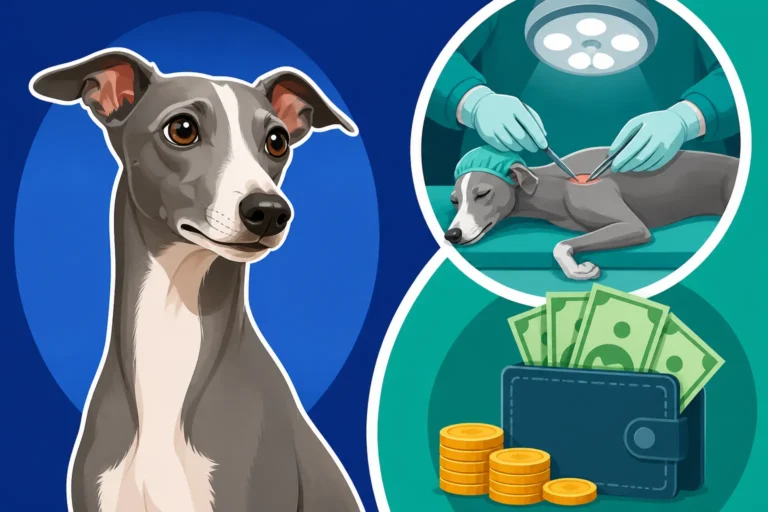
Furthermore, if your senior IG develops a complex condition—say, advanced heart disease, kidney failure, or even certain cancers (though Italian Greyhounds are generally quite healthy, How Often an Italian Greyhound Gets Cancer is still a consideration for any breed)—you might find yourself consulting with veterinary specialists. These specialists, such as cardiologists, internal medicine experts, or oncologists, provide invaluable care but their services, including advanced diagnostics and treatments, come with a higher price tag. This is another area where robust pet insurance like Healthy Paws can truly offer peace of mind, helping to mitigate the financial shock of unexpected, high-cost care.
Mobility Aids and Comfort Enhancements
As Italian Greyhounds age, their bodies naturally start to slow down. Arthritis might make jumping onto furniture difficult or painful. Their gait might become less steady, making slick floors a hazard. This often necessitates investing in mobility aids and comfort enhancements around the home. Ramps or steps for sofas and beds become essential to prevent injuries (an Italian Greyhound's delicate bones are always a concern, even in old age) and maintain their independence. You might even consider non-slip rugs on hardwood floors to give them better traction, especially if you want to avoid a broken leg.
Comfort is also paramount. Orthopedic dog beds, often made with memory foam, can provide much-needed support for aching joints and bony frames. Whether an Old Italian Greyhound Needs a Warmer Bed is often a yes, as they feel the cold more, so a heated bed or extra blankets become important for their comfort and warmth, particularly during colder months or if they suffer from conditions that make them feel chilled. These items, while enhancing their quality of life, represent additional financial outlay. You can find a vast selection of these items on sites like Chewy, which often have sales and loyalty programs.
Specialized Grooming, Incontinence, and Cognitive Changes
While Italian Greyhounds are generally low-maintenance groomers, an aging dog might require more attention. Long nails can become problematic if they are less active, needing more frequent trims. Deafness in an Old Italian Greyhound or vision loss can make traditional nail trims stressful, sometimes requiring sedation. Some seniors might struggle with incontinence, leading to the need for washable dog diapers, absorbent bedding, and more frequent cleaning supplies.
Cognitive dysfunction, similar to dementia in humans, can also affect senior Italian Greyhounds. You might notice signs like Night Confusion in an Old Italian Greyhound or increased anxiety. While there are medications and supplements to help manage these symptoms, they add to the ongoing costs. Managing these changes requires patience, adaptation, and sometimes professional guidance, which can all factor into the overall cost of care.
Weighing the Financial vs. Emotional Rewards of Senior Adoption
It's clear that while the initial adoption fee for a senior Italian Greyhound might be lower, the overall financial commitment for their ongoing care can often be higher, or at least as high, as a younger dog, sometimes even more so on an annual basis. However, focusing solely on the financial aspect misses the profound rewards of adopting a senior.
The Shorter "Lifespan" of Costs
One perspective to consider is the overall "lifespan" of costs. An Italian Greyhound typically lives Why an Italian Greyhound Lives Fourteen to Fifteen Years, and a senior might be 8, 10, or even 12 years old. While their annual vet bills might be higher, you are committing to fewer total years of ownership compared to a puppy. This means that while the cost per year can be significant, the total cumulative cost over their remaining lifetime might, in some scenarios, be less than raising a puppy from 8 weeks old through 15 years, which includes multiple dentals over time and potential broken leg surgeries when young.
However, this is a delicate balance. A puppy might have higher training costs and initial vaccination series, but a senior often has higher medical costs for managing chronic conditions. It's truly a different allocation of funds. Preparing an emergency fund specifically for veterinary care is always a wise decision, regardless of your dog's age.
The Unquantifiable Emotional Return
For many, the financial considerations take a backseat to the immense emotional rewards of adopting a senior Italian Greyhound. These dogs often have a deep capacity for gratitude and can form incredibly strong bonds with their new families. They are typically past the boisterous puppy stage, often already house-trained (though some seniors from rescues may need a refresher) and possess a calm, loving demeanor. They fit seamlessly into a quieter household, often becoming instant, devoted companions.
The feeling of giving a deserving dog a comfortable, loving home for their golden years is truly priceless. You are offering them a soft bed, regular meals (perhaps from Chewy's excellent selection), attentive care, and a family to cherish them during a time when they might otherwise be overlooked. The love and companionship you receive in return are immeasurable and, for many, far outweigh any additional financial outlay. It’s about more than just money; it’s about providing dignity and joy.
| Cost Category | Junior Italian Greyhound (0-2 years) | Senior Italian Greyhound (8+ years) |
|---|---|---|
| Adoption Fee | Often higher | Generally lower |
| Initial Vet Care | Vaccinations, spay/neuter, microchip | Rescue usually covers; potential immediate dental/bloodwork needs |
| Food Costs | Puppy food, then adult food; high energy | Possibly specialized diets (e.g., Ollie), supplements; lower energy |
| Routine Vet Visits | Annual wellness exams | Twice-yearly exams, more frequent diagnostics |
| Medication | Rarely needed outside of preventatives | Common for chronic conditions (arthritis, heart, thyroid) |
| Dental Care | Preventative brushing, occasional cleaning | Frequent cleanings, extractions likely; What an Italian Greyhound's Lifetime Dental Costs can be high |
| Comfort/Mobility | Standard beds, basic toys | Orthopedic beds, ramps, non-slip flooring, heated beds |
| Emergency Fund | Broken leg risk is high, accidents | Acute illness, exacerbation of chronic conditions, falls |
Ultimately, whether a senior Italian Greyhound is "cheaper" to adopt depends entirely on how you define "cheaper." In terms of the initial adoption fee, yes, often. In terms of overall lifetime financial commitment, it's a different kind of expense, shifting from puppy-proofing and training to focused medical and comfort care. What remains consistent is the incredible joy and love an Italian Greyhound of any age brings into your life.
Disclaimer
This article is for general informational purposes only and does not constitute professional advice. Laws, prices and regulations vary by location and change over time. Consult a qualified professional for guidance on your specific situation.