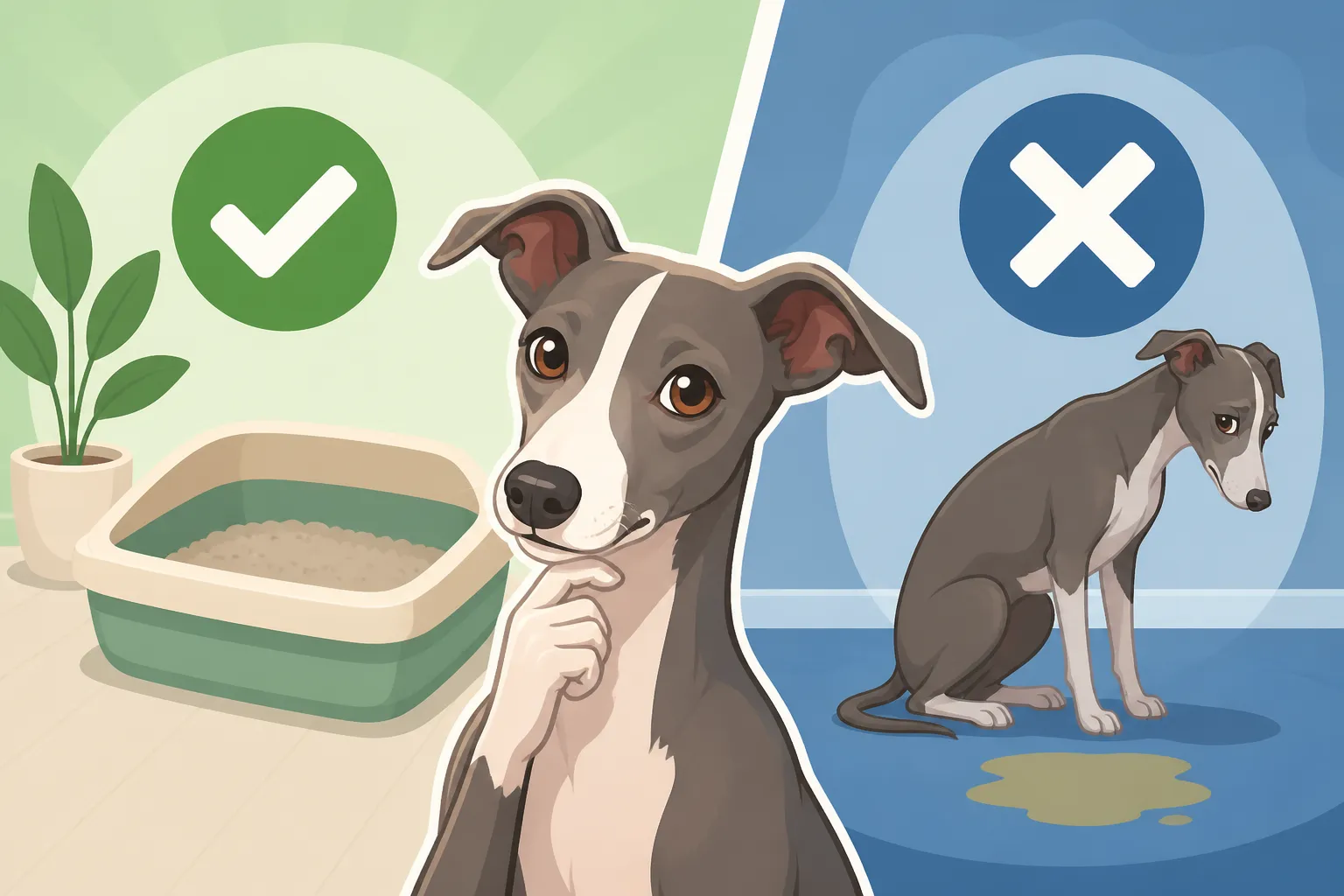
Whether a Litter Box Works for an Italian Greyhound
One of the biggest frustrations Italian Greyhound owners face, almost universally, is the uphill battle of housetraining. These sensitive, thin-skinned creatures often struggle with the elements, leading to endless accidents indoors and a real feeling of defeat for their devoted humans. This guide is here to provide a detailed, empathetic look at whether a litter box system can truly work for your Italian Greyhound, offering a practical solution to a widespread problem.
The Unique Housetraining Struggles of Italian Greyhounds
Let's be honest, asking an Italian Greyhound to venture out into a cold, wet, or snowy yard for a potty break often feels like asking them to trek across the Arctic. It’s a common complaint, and it’s valid. These aren't stubborn dogs; they're incredibly delicate and prone to feeling the cold right down to their bones. Their anatomy and temperament create a perfect storm for housetraining difficulties that can leave even the most patient owner feeling overwhelmed.
Why Traditional Methods Often Fail Iggies
Traditional housetraining advice often hinges on frequent outdoor trips, enduring all weather, and sometimes even a firm word for accidents. But for an Italian Greyhound, this approach frequently backfires. Their tiny bladders mean they need to go often, but their delicate physiology makes outdoor conditions a genuine hardship. Imagine being barely ten pounds, with paper-thin skin and almost no body fat, then being asked to brave a freezing downpour. It’s just not their jam. Instead of learning that outside is the place to potty, they learn that outside is uncomfortable, cold, and scary. This often leads to them holding it in until they simply cannot anymore, then finding a "safe" (and warm) indoor spot to relieve themselves. This isn't naughtiness; it's survival and comfort-seeking.
Furthermore, Italian Greyhounds are incredibly sensitive souls. A raised voice or a harsh correction can set them back weeks in their training. They don't respond well to intimidation; they shut down and become fearful. This means that if an accident happens and they are scolded, they might start hiding to pee or poop, making the problem even harder to solve. The typical "rub their nose in it" or "shame them" tactics are utterly counterproductive for this breed, turning what should be a straightforward training process into a minefield of anxiety and misunderstanding. It's why Housetraining an Italian Greyhound Is the Hardest Part of Owning One is a statement almost all IG owners can agree with.
The Weather Factor: A Constant Battle
The weather isn't just an inconvenience for an Italian Greyhound; it's a monumental obstacle to successful housetraining. Freezing temperatures, pouring rain, slushy snow, or even blistering hot pavement can make an IG absolutely refuse to go outside. They will stand at the door, shivering and looking up at you with eyes that scream, "Are you serious right now?" Then, the moment they are back inside in warmth, the urgent need to relieve themselves often strikes, leading to an accident on your rug or floor. This isn't malicious, despite how frustrating it feels when it happens for the fifth time in a day. It's a physiological response to discomfort combined with a strong instinct for self-preservation.
Think about it: an Italian Greyhound carries almost no body fat, making them extremely susceptible to cold. Their thin coat offers minimal protection. When you factor in rain or snow, their core temperature can drop rapidly, leading to shivering and genuine distress. Many owners report that Why an Italian Greyhound Refuses to Go Out in Rain is a phenomenon they experience regularly. For these reasons, an indoor potty solution can feel less like a compromise and more like a necessity, especially if you live in a region with harsh winters or frequent inclement weather. It provides a consistent, comfortable option for your dog, eliminating the stress and physical discomfort that outdoor trips often entail.
Exploring Indoor Potty Solutions: Beyond the Basics
Given the challenges, it's no surprise that many Italian Greyhound owners turn to indoor potty solutions. But "litter box" can mean a lot of things. It's not just about tiny pellets in a tray like you might see for a cat; there are a variety of systems designed with dogs in mind that can make indoor potty training much more successful and manageable for both you and your Iggy.
Diverse Options for Indoor Pottying
When we talk about an indoor potty setup for an Italian Greyhound, we're really looking at a spectrum of options. Each has its own benefits and considerations regarding absorbency, odor control, and how much effort you're willing to put into maintenance.
First, there's the traditional-style litter box, often a low-sided tray, paired with either puppy pads, repurposed paper pellets, or even wood pellets. Puppy pads are readily available and come in various sizes and absorbencies. Brands like Frisco or Amazon Basics offer bulk options through retailers like Chewy. They're convenient for easy disposal but can get expensive and aren't always the most environmentally friendly. Paper or wood pellets, similar to those used for cats, can be more absorbent and better for odor control, but some Iggies might not like the texture underfoot. You'll need to use a specific type of litter box designed for these, often with a grate to separate solids from liquids.
Then, you have synthetic grass patches. These are plastic trays with a removable layer of artificial turf on top. They offer a more "natural" feel for your dog and can be quite effective. Many Iggies take to them quickly because the texture resembles outdoor grass. The downside is that they require regular cleaning – rinsing the grass pad and washing the tray thoroughly – to prevent odors. If you let them get too soiled, they can develop a strong smell, and your dog might refuse to use them. For those who want the most natural indoor experience, there are also real grass delivery services. These companies provide fresh, hydroponically grown grass patches that can be placed in a special tray indoors. The real grass naturally absorbs odors and urine, and many dogs prefer it. However, they typically need to be replaced every 1-4 weeks, depending on usage, which can be a recurring expense, and they can attract bugs if not maintained properly. Thinking about Setting Up an Indoor Bathroom for an Italian Greyhound requires weighing these factors carefully.
| Indoor Potty Solution | Pros | Cons | Ideal For |
|---|---|---|---|
| Puppy Pads | Easy disposal, widely available, low initial cost | Can be leaky, environmental impact, higher long-term cost, not always odor-proof | Quick, temporary solutions; very young puppies; small spaces |
| Pellet System | Good absorbency, better odor control, environmentally friendly options | Some dogs dislike texture; requires regular scooping/changing | Dogs accustomed to cat litter boxes; owners preferring natural materials |
| Synthetic Grass | Natural feel, reusable, aesthetically pleasing | Requires frequent cleaning, can retain odor if not cleaned well | Dogs who prefer a grass-like surface; owners who want a reusable option |
| Real Grass Patch | Most natural, excellent odor absorption | Higher recurring cost, needs regular replacement, can attract bugs | Dogs who strongly prefer natural grass; owners prioritizing natural solutions |
Step-by-Step Litter Box Training for Your Italian Greyhound
Training your Italian Greyhound to use an indoor litter box or grass patch requires consistency, patience, and a whole lot of positive reinforcement. Forget everything you've heard about harsh methods; an Iggy thrives on gentle guidance and rewards. The goal is to make the indoor potty area the most appealing place to go.
Start by placing the chosen indoor potty system in a quiet, accessible area of your home, away from their food and sleeping spots. For puppies, restrict their access to other areas of the house initially, using gates or a playpen, so the potty area is always within easy reach. Immediately after they wake up, after eating or drinking, and after playtime, gently carry or lead your Italian Greyhound to the indoor potty. Use a consistent phrase like "potty time" or "go pee-pee." When they do go, even if it's just a tiny dribble, offer enthusiastic praise and a high-value treat immediately. We're talking tiny bits of cooked chicken, cheese, or their favorite soft training treats. The timing is crucial; the reward needs to happen within seconds of them finishing their business so they associate the positive outcome directly with using the litter box.
It's equally important to manage accidents. If you catch your Iggy in the act of having an accident outside the designated area, calmly interrupt them with a gentle "no" or a clap, then immediately scoop them up and take them to the indoor potty. If they finish there, even a drop, praise and treat them lavishly. Never punish them if you find an accident after the fact. They won't connect the punishment to the previous act, only to your presence and anger, which can make them fearful and Why punishment makes an Italian Greyhound hide to go. Clean up accidents thoroughly with an enzymatic cleaner to remove all traces of odor, preventing them from returning to the same spot. Consistency is your best friend here. Just like with Litter Box Training an Italian Greyhound, repetition of success builds positive habits. You'll find that many stores, like Chewy, carry a great selection of enzymatic cleaners and training treats.
The Realities of Using a Litter Box for an Italian Greyhound
Adopting an indoor potty system for your Italian Greyhound comes with its own set of advantages and disadvantages. It's not a magical fix, but it can be a game-changer for many households, especially considering the unique needs of this delicate breed.
Advantages That Change Lives
For many Italian Greyhound owners, an indoor potty solution isn't just a convenience; it's a lifeline. The most significant advantage is the elimination of weather-related stress for both dog and owner. No more forcing your shivering Iggy out into a blizzard or standing in the pouring rain, pleading with them to "just go already!" This drastically reduces the number of indoor accidents, which in turn saves your carpets and sanity. It also provides peace of mind, knowing that your dog always has a comfortable, accessible place to relieve themselves, regardless of what's happening outside. This can be especially important for tiny puppies whose immune systems are still developing, making prolonged exposure to outdoor germs a concern.
Furthermore, an indoor setup offers unparalleled convenience for owners who live in apartments, have limited mobility, or simply work long hours. You don't have to rush home for a potty break, or brave a late-night storm. For senior Italian Greyhounds, who might develop incontinence or struggle with joint pain that makes outdoor excursions difficult, an indoor potty becomes indispensable. The Age an Italian Greyhound Is Considered Senior often brings new challenges, and a familiar, easily accessible indoor potty can significantly improve their quality of life. An indoor solution can also increase safety, as it means fewer trips outside in areas where there might be dangerous wildlife, unfriendly dogs, or contaminated surfaces. If an unforeseen injury occurs, like A Broken Leg Is the Emergency Every Italian Greyhound Owner Fears, having an established indoor potty can make recovery much smoother, as mobility might be severely restricted. While Healthy Paws pet insurance might help with vet bills from accidents, proactive measures like an indoor potty can reduce potential risks in the first place.
The Downsides and Management Strategies
While indoor potty systems offer many benefits, they aren't without their drawbacks. The most common concerns revolve around odor and hygiene. If not cleaned meticulously and regularly, any indoor potty system, whether it's pads or a grass patch, can start to smell. This is especially true with artificial grass patches that absorb urine. You can't just set it and forget it. Owners need to be diligent about scooping solids immediately and regularly rinsing or replacing pads/grass. Using a high-quality enzymatic cleaner is crucial for artificial grass and trays to neutralize odors rather than just masking them. Some owners find that a small, dedicated trash can with a tight lid, placed nearby, helps with immediate disposal of soiled pads or waste.
Another potential pitfall is the risk of your Italian Greyhound developing a strong preference for indoor pottying to the exclusion of outdoor trips. This can be an issue if you later decide you want them to transition to primarily going outside, or if you travel to places where indoor options aren't available. Some Iggies might also get confused and start thinking that any soft surface indoors, like a rug or bathmat, is an acceptable potty spot, especially if the training isn't consistent. This is a common issue with Whether Indoor Pads Work for an Italian Greyhound if not managed correctly. To mitigate this, ensure the indoor potty area is distinctly different from other soft furnishings. If your goal is a hybrid system, always offer outdoor opportunities first, praising heavily when they succeed outside, before resorting to the indoor option. It's about careful management and understanding your individual dog's preferences and learning style.
Balancing Indoor and Outdoor Potty Habits
The question isn't always "litter box or outside?" For many Italian Greyhounds, the answer lies in finding a balance that works for their unique needs and your lifestyle. A hybrid approach often yields the best results, providing flexibility without sacrificing cleanliness or comfort.
The Hybrid Approach: Best of Both Worlds?
Yes, an Italian Greyhound can absolutely be trained to use both an indoor litter box and go potty outside. It requires consistent effort, but it's a very common and successful strategy for this breed. The key is to establish both routines clearly and positively. Think of the indoor potty as a convenient, always-available backup, and the outdoor potty as the preferred primary option when feasible. This approach acknowledges the Italian Greyhound's aversion to unpleasant weather while still encouraging them to do their business outside when conditions are favorable.
To implement a hybrid system, continue with a regular schedule of outdoor potty breaks, especially during pleasant weather. Take your Iggy out first thing in the morning, after meals, and before bedtime. When they successfully go outside, lavish them with praise and high-value treats. However, for those times when the weather is truly dreadful, or you're simply unable to get them out, the indoor potty is there as a stress-free alternative. This dual system prevents accidents, reduces anxiety for your dog, and makes your life much easier. Many Italian Greyhound owners find this balance invaluable, confirming that Whether an Italian Greyhound Can Use Both Indoors and Out is indeed a viable and often necessary training goal. Just be mindful not to let the indoor option completely replace outdoor activity, as Iggies still benefit from walks and sniffing expeditions for mental and physical stimulation.
When an Indoor Potty is Truly Indispensable
There are certain scenarios where an indoor potty system isn't just a nice-to-have, but an absolute game-changer, sometimes even a necessity. For apartment dwellers, particularly those on higher floors, an indoor potty eliminates the constant elevator rides or stair climbs required for frequent potty breaks. This is especially critical for puppies who need to go every couple of hours. Likewise, for owners with mobility issues or those who are elderly themselves, managing frequent outdoor trips with a quick, delicate Iggy can be challenging or even dangerous. The indoor option provides independence for the dog and peace of mind for the owner.
Consider the fragile nature of Italian Greyhound puppies; their bones are still hardening, and they are incredibly susceptible to injury. Restricting their outdoor exposure until they are a bit older, while still allowing them a consistent potty spot, is a smart move. This is where an indoor setup really shines. Furthermore, for senior Iggies, age can bring conditions like incontinence or arthritis, making it harder to hold it or navigate stairs and uneven outdoor terrain. An easily accessible indoor potty significantly improves their comfort and dignity. Ollie pet food, known for its fresh ingredients, can also play a role here, ensuring your older Iggy is getting optimal nutrition to support their health, which in turn can sometimes help with regularity or overall comfort. Ultimately, for countless Italian Greyhound families, an indoor potty is not a sign of poor training or laziness, but a thoughtful, compassionate solution that caters to the specific needs of this beloved, delicate breed, ensuring a happier and healthier life for everyone involved.
Disclaimer
This article is for general informational purposes only and does not constitute professional advice. Laws, prices and regulations vary by location and change over time. Consult a qualified professional for guidance on your specific situation.