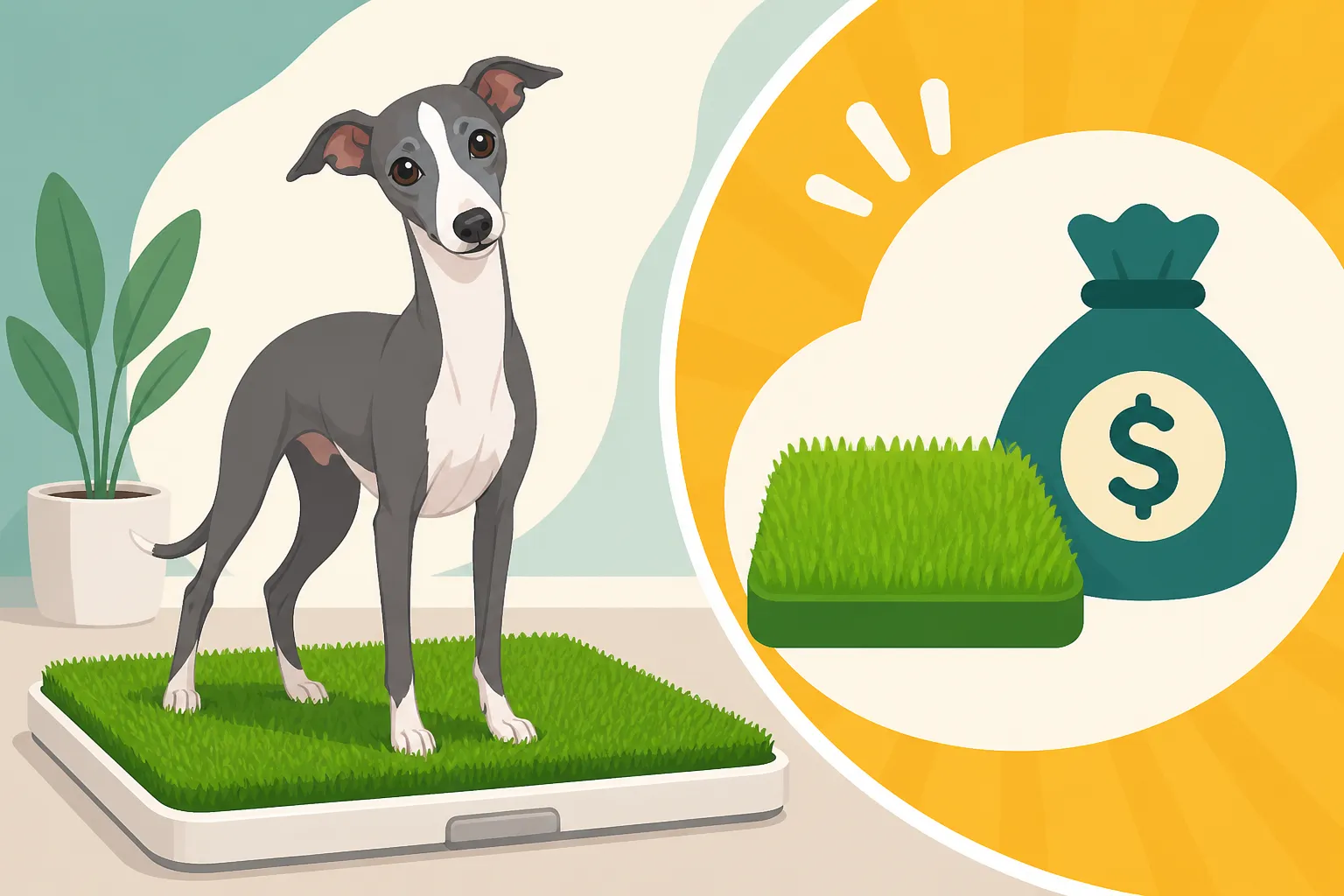
What Indoor Grass Pads Cost for an Italian Greyhound
Anyone who has owned an Italian Greyhound knows the unique challenges that come with their delicate constitution, especially when it comes to potty training. Between their tiny bladders, aversion to cold or wet weather, and sensitive nature, getting them to consistently do their business outdoors can feel like an uphill battle. This guide will walk you through the various costs associated with indoor grass pads, exploring different types, recurring expenses, and what to consider when deciding if this indoor potty solution is the right fit for your beloved Italian Greyhound.
Understanding Indoor Grass Pads for Your Italian Greyhound
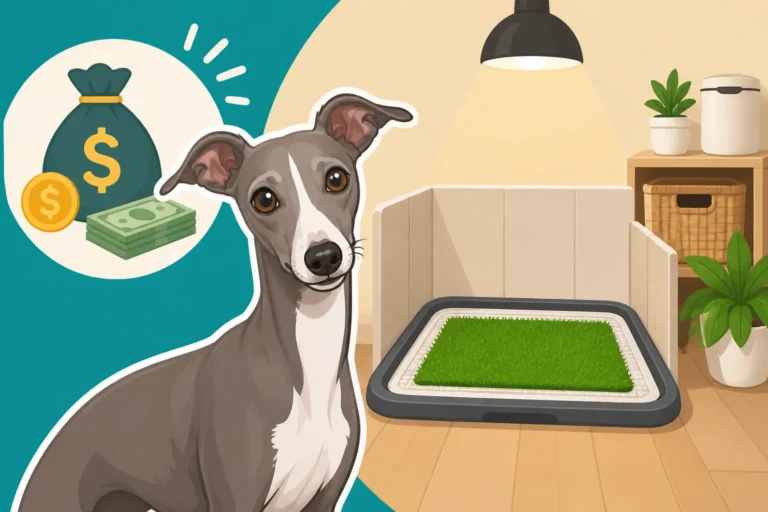
An indoor grass pad is exactly what it sounds like: a designated indoor area, often resembling a patch of grass, where your Italian Greyhound can relieve themselves. For many owners, especially those living in apartments, or those with Iggys who absolutely detest stepping foot in the rain or snow, these pads become a true lifesaver. You see, our Italian Greyhounds are built for warmth; their thin skin and lack of body fat mean even a slight chill can send them shivering. Asking them to venture out into a brisk morning or a sudden downpour often results in a firm "no thank you" from your little companion, leading to accidents indoors despite their best intentions. This is where an indoor grass pad steps in as a practical, humane solution.
These pads aren't just for puppies, either. Many adult Italian Greyhounds, even those who were once perfectly outdoor-trained, can develop a strong resistance to inclement weather as they age, or after a negative experience. It's not about being stubborn; it's about genuine discomfort and self-preservation. Offering an indoor option can significantly reduce stress for both you and your dog, preventing those frustrating moments of finding a puddle on your rug when the backyard was just too chilly. It also provides an essential option for owners who may be away from home for longer stretches during the day, ensuring their Iggy doesn't have to hold it uncomfortably.
Why Indoor Potty Solutions Are Popular for Italian Greyhounds
Let's be honest, Italian Greyhounds are not known for their robust weather-resistance. While other breeds might cheerfully bound through snowdrifts, your Iggy is likely contemplating the meaning of life from under three blankets, questioning your judgment for even suggesting a trip outside. This breed's low body fat and thin coat make them highly susceptible to cold, which is why Keeping an Italian Greyhound Warm Is Daily Work, Not a Winter Job. Their sensitivity means that even a little rain can feel like a deluge, and cold pavement can be genuinely painful for their delicate paw pads.
Indoor grass pads offer a controlled environment, free from the elements, where your dog can feel safe and comfortable. This can drastically improve consistency in potty habits, which is often a struggle for Iggy owners. We all know Housetraining an Italian Greyhound Is the Hardest Part of Owning One, and a big part of that difficulty often stems from their weather-related reluctance. By removing that barrier, you're setting your dog up for success and reducing the instances of accidents, which in turn reduces stress for everyone in the household. These pads also offer a convenient solution for Why an Italian Greyhound Has a Small Bladder, which means frequent potty breaks are a necessity, regardless of outdoor conditions.
Types of Indoor Grass Pads Available
The world of indoor grass pads has evolved quite a bit, offering several options to suit different needs and budgets. Generally, they fall into two main categories: synthetic grass and real grass. Each has its own set of pros, cons, and, of course, costs.
- Synthetic Grass Pads: These typically consist of a plastic tray or base topped with a removable mat of artificial turf. They are designed to be reusable and can be cleaned. Some elaborate models include multiple layers, such as a grate to keep paws dry and a collection tray for liquids underneath.
- Real Grass Pads: These are essentially boxes or trays filled with actual, living grass and soil. They usually come as a subscription service, where fresh grass is delivered regularly, and old patches are disposed of. The appeal here is the natural scent and texture, which can be more appealing to some dogs.
The choice often comes down to personal preference, your Italian Greyhound's specific habits, and how much ongoing maintenance you're prepared for. Each type offers a different value proposition in terms of initial outlay and recurring expenses, which we'll dive into next.
Initial Costs: Types of Indoor Grass Pads and Their Price Tags
When you first decide to invest in an indoor grass pad for your Italian Greyhound, you'll encounter a range of options, each with its own upfront cost. These initial purchases can vary widely depending on the type, size, brand, and any additional features included. Think of it like buying a small appliance for your home – some are basic, others are high-tech, and the prices reflect that.
Synthetic Grass Systems: Upfront Investment
Synthetic grass pads are often the most common entry point for owners. The basic setup usually includes a base and one or two artificial turf mats.
- Basic Trays with Synthetic Turf: These are typically the most budget-friendly upfront. You might find simple plastic trays with a single layer of synthetic grass. The cost is usually modest, making it an accessible option for trying out the concept. These might be suitable for very small Iggys or those who are just starting out with indoor potty training.
- Multi-Layered Systems: Moving up in sophistication, you'll find systems with multiple layers designed to improve drainage and keep your Iggy's paws dry. This often involves a grated layer above a collection pan for urine, topped with the synthetic grass. These systems are usually a bit more of an investment than the basic trays, but many owners find the added features worth it for cleanliness and ease of use. Brands available on sites like Chewy offer various sizes and designs, from compact units perfect for a small apartment to larger options that give your Iggy more space.
- Premium or Designer Pads: Some brands offer more aesthetically pleasing or technologically advanced synthetic pads. These might feature higher-quality turf, more durable bases, or even integrated odor control features. As you might expect, these come with a higher initial price point. While the functionality might be similar to mid-range options, you're paying for design, durability, or specialized materials.
When you're first looking, don't just grab the cheapest one. Consider the quality of the synthetic grass—some feel more realistic and are more durable than others. A flimsy pad might not stand up to your Iggy's unique potty posture or playful digging attempts. Remember, this is meant to be a long-term solution, so a slightly higher initial investment for a better quality product can save you money and headaches down the road.
Real Grass Systems: Subscription and Setup Fees
Real grass pads operate on a different model, often involving a subscription service. This means your initial cost might be lower for the first delivery, but you're signing up for recurring charges.
- First-Time Purchase/Trial Offers: Many real grass pad services offer an introductory price for your first box of grass. This allows you to try it out with your Italian Greyhound to see if they prefer the natural feel and scent. The initial fee might be quite reasonable, encompassing the grass patch and a simple, biodegradable tray.
- Subscription Model: The core cost of real grass pads lies in the ongoing subscription. You choose how often you want fresh grass delivered—typically weekly, bi-weekly, or monthly. The price for each delivery will depend on the frequency and the size of the grass pad you choose. While the natural feel can be a huge draw for Iggys, the cumulative cost over a year can be substantial compared to a one-time synthetic purchase. The convenience of not having to clean a synthetic pad daily, and simply disposing of the old grass, is a big part of what you're paying for with these services.
The biggest factor to consider here is your Italian Greyhound's preference. Some dogs take to synthetic grass without a second thought, while others, perhaps used to only real grass, might be more inclined to use a natural patch. If your Iggy is particularly finicky about their potty spot, a real grass pad might be worth the initial trial to see if it solves your housetraining dilemmas, especially if you're battling issues like The Italian Greyhound That Refuses to Go Out in the Cold.
| Type of Indoor Grass Pad | Initial Cost Profile | Ongoing Costs | Pros for Italian Greyhounds | Cons for Italian Greyhounds |
|---|---|---|---|---|
| Synthetic Grass | Moderate to High (One-time purchase) | Low (Cleaning supplies, occasional replacement mats) | Durable, reusable, consistent, no weather concerns | Requires daily cleaning, artificial texture, odor can build up if not cleaned properly |
| Real Grass (Subscription) | Low (First delivery/trial) | High (Regular subscription fees) | Natural scent & feel, highly appealing, easy disposal of waste | Expensive over time, requires regular delivery, susceptible to drying out if not replaced |
The Ongoing Expense: Replacements, Maintenance, and Accessories
The cost of an indoor grass pad doesn't stop at the initial purchase. Just like any pet product, there are recurring expenses and maintenance considerations that add to the overall investment. For Italian Greyhound owners, factoring these in is crucial for sustainable use and to keep your home smelling fresh and clean.
Maintaining Synthetic Grass Pads
If you opt for a synthetic grass pad, your primary ongoing cost will be related to cleaning and occasional replacements.
- Cleaning Supplies: To keep a synthetic grass pad hygienic and odor-free, regular cleaning is essential. This means investing in pet-safe enzymatic cleaners, which break down urine odors rather than just masking them. You'll also need scrubbing brushes, possibly a hose, and a designated cleaning area. While each bottle of cleaner might seem inexpensive, over time, these purchases add up. Without proper cleaning, synthetic pads can develop a strong, unpleasant odor, especially in warmer indoor environments. Many owners also purchase spare synthetic grass mats, available through retailers like Chewy, so they can swap out a dirty one for a clean one while the other is being washed and dried.
- Odor Control: Despite diligent cleaning, some owners find they need additional odor control products, such as activated carbon filters for multi-layered systems, or general room deodorizers designed for pet homes. These are small, recurring expenses but can make a big difference in managing the unique challenge of indoor pet waste.
- Replacement Mats: Synthetic turf, even high-quality varieties, doesn't last forever. Over time, the fibers can wear down, become matted, or simply absorb odors that are impossible to fully eliminate. You'll likely need to replace the synthetic grass mats every so often, depending on usage and cleaning frequency. This cost can be similar to the initial price of a basic pad.
For your Italian Greyhound, consistent cleanliness is vital. A dirty or smelly pad might deter them from using it, undoing all your hard housetraining work. Cleaning Up After an Italian Greyhound Accident is paramount, and this extends to their designated indoor potty area.
Managing Real Grass Subscriptions
For real grass pads, the most significant ongoing cost is the subscription itself.
- Subscription Fees: As mentioned, these services involve regular deliveries of fresh grass. The cost depends on the size of the pad and the frequency of delivery (e.g., weekly, bi-weekly, monthly). For an Italian Greyhound, a smaller pad might suffice, but if you have multiple Iggys or want to give them more space, you'll need a larger, more expensive option. These fees can easily amount to a significant monthly expense, dwarfing the cost of synthetic alternatives over a year.
- Disposal Costs (Indirect): While the grass itself is disposed of, there's the indirect cost of waste bags or liners, and potentially increased garbage disposal if you're throwing out grass weekly. Some services offer biodegradable trays, which can reduce environmental impact but may still require specific disposal methods.
- Occasional Maintenance: Even real grass pads can benefit from a quick spray of a pet-safe deodorizer or a wipe-down of the tray between deliveries to prevent any lingering odors or residue.
The appeal of real grass is often its self-contained nature—you simply toss the old and put in the new. This can be a huge time-saver compared to scrubbing synthetic mats daily, which can be a valuable trade-off for busy owners or those who struggle with the physical demands of constant cleaning.
Accessories and Setup Enhancements
Beyond the pad itself, you might find yourself investing in various accessories to make the indoor potty experience better for your Italian Greyhound and your home.
- Enclosures or Barriers: To help your Iggy understand that the grass pad is the place to go, some owners use exercise pens or temporary barriers to create a dedicated potty zone, especially during initial training. This prevents accidents in other areas of the house.
- Ramps or Steps: If your indoor grass pad is raised, or if your Italian Greyhound struggles with jumping due to age or a prior injury (like A Broken Leg Is the Emergency Every Italian Greyhound Owner Fears), you might need a small ramp or steps to ensure easy access.
- Waterproof Mats/Rugs: To protect your flooring underneath the grass pad, especially if there's a risk of spills or leaks, a waterproof mat or a washable rug can be a wise investment. This adds a layer of protection and makes accidental messes easier to clean.
- Training Aids: Sprays that attract dogs to a specific potty spot, or small treats for positive reinforcement, are common purchases during the housetraining phase. If you're trying to move your Iggy from outdoor-only habits to using an indoor pad, these aids can be very helpful. Remember, Iggys respond best to positive reinforcement, so Why Raising Your Voice Sets an Italian Greyhound Back a Month applies to potty training too.
Considering all these potential ongoing costs is crucial for a realistic budget. While the initial price tag for a pad might be low, the cumulative cost of maintenance, replacements, and related accessories can add up over the years of your Italian Greyhound's life.
Is an Indoor Grass Pad Right for Your Italian Greyhound?
Deciding whether to invest in an indoor grass pad is a significant decision for any Italian Greyhound owner. It's not just about the monetary cost, but also about the lifestyle changes, training commitment, and how it aligns with your specific dog's needs and your household environment.
When Indoor Grass Pads Shine
For many Italian Greyhound owners, these pads are a game-changer, solving persistent problems that traditional outdoor training just can't overcome.
- Weather Woes: If your Iggy absolutely refuses to go outside in the rain, snow, or extreme cold, an indoor grass pad can be a godsend. This is a common and legitimate issue for the breed, whose minimal body fat and thin coat leave them highly susceptible to the elements. If they get cold on the table at the vet (Why a Nine Pound Italian Greyhound Gets Cold on the Table), imagine their discomfort outside! Providing a warm, dry alternative can prevent countless accidents and alleviate your dog's stress.
- Apartment Living: For those in apartments without easy backyard access, a grass pad offers a convenient and accessible potty solution, especially for frequent breaks or during the night. It eliminates the need for multiple trips outside, which can be particularly challenging for busy individuals or those with mobility issues themselves.
- Puppy Potty Training: While Italian Greyhound puppies should still learn to go outside, an indoor grass pad can be an excellent stepping stone. It provides a consistent, easily accessible spot, especially important given their tiny bladders. You can gradually transition them to outdoor-only as they mature, or keep it as a backup option. Check out resources like The First Year With an Italian Greyhound Puppy for comprehensive training advice.
- Senior Iggys or Those with Health Issues: As Italian Greyhounds age, mobility issues or conditions like kidney disease can make frequent outdoor trips difficult. An indoor pad can provide a much-needed convenience, reducing strain on their joints and making their lives more comfortable. It can also be essential for Iggys recovering from surgery, like a broken leg, where outdoor access might be restricted during recovery.
- Anxiety or Shyness: Some Iggys are naturally very shy or anxious around new outdoor environments, loud noises, or strangers. An indoor pad offers a safe, predictable, and private space for them to do their business without fear or distraction.
Remember, the goal is to make your Italian Greyhound's life as comfortable and stress-free as possible, and sometimes that means adapting your approach to potty training to suit their unique needs.
Potential Drawbacks and Considerations
While beneficial, indoor grass pads aren't a perfect fit for every situation or every dog.
- Training Consistency: While great for convenience, you must be consistent in teaching your Iggy where the pad is and when to use it. If not properly introduced, some dogs might just see it as another patch of carpet to pee on. It’s also important to decide if it's meant to supplement outdoor potty breaks or replace them entirely. Whether an Italian Greyhound Can Use Both Indoors and Out is a common question, and it requires careful training.
- Odor Management: This is probably the biggest challenge for synthetic pads. If not cleaned meticulously and regularly, odors can build up quickly and permeate your home. Real grass pads manage this better through disposal, but they come with their own set of ongoing costs.
- Space Requirements: Even a small grass pad takes up floor space. You need to consider where it will go and how it fits into your living area without being a tripping hazard or an eyesore.
- Cost Over Time: As we've discussed, both synthetic and real grass pads have ongoing costs. For synthetic, it's cleaning supplies and replacement mats. For real grass, it's the continuous subscription. You need to budget for these recurring expenses. Pet insurance providers like Healthy Paws, while not covering grass pads, do cover unexpected illnesses. If your Iggy develops a urinary tract infection from holding it too long because they won't go out in the cold, that's where such insurance would step in, highlighting the importance of having a suitable potty solution.
- Dog Preference: Not all dogs will take to an indoor grass pad. Some might prefer the real outdoor grass unconditionally, while others might find the artificial texture off-putting. It might take some trial and error, and patience, to see if your Iggy will use it reliably. Using high-value treats and praise, similar to how you might encourage them with premium food like Ollie, can help create positive associations.
Ultimately, the decision to use an indoor grass pad for your Italian Greyhound comes down to a balance of convenience, cost, and your dog's specific needs. By carefully considering all the factors, you can make an informed choice that contributes to a happy, healthy, and accident-free life for your beloved companion.
Disclaimer
This article is for general informational purposes only and does not constitute professional advice. Laws, prices and regulations vary by location and change over time. Consult a qualified professional for guidance on your specific situation.