Whether an Italian Greyhound’s Fracture Is an Accident Claim
Every Italian Greyhound owner knows the low thrum of worry about those delicate bones. It's a fact of life with our long-legged, high-spirited companions that a sudden, unexpected injury can lead to a fracture. When the unthinkable happens, the immediate panic isn't just for our beloved dog's pain, but often quickly turns to the daunting financial reality. This guide is here to help you understand whether that scary, sudden Italian Greyhound fracture will be covered by your pet insurance as an "accident claim" and what you need to know to navigate that process.
Understanding Pet Insurance and Accident Coverage
When you invest in pet insurance for your Italian Greyhound, you're buying peace of mind, especially regarding their well-known susceptibility to leg fractures. However, the world of insurance policies can feel like a labyrinth of terms and conditions. Understanding what an "accident" truly means in the eyes of your insurer is the first step to feeling prepared.
What Qualifies as an "Accident" for Pet Insurance?
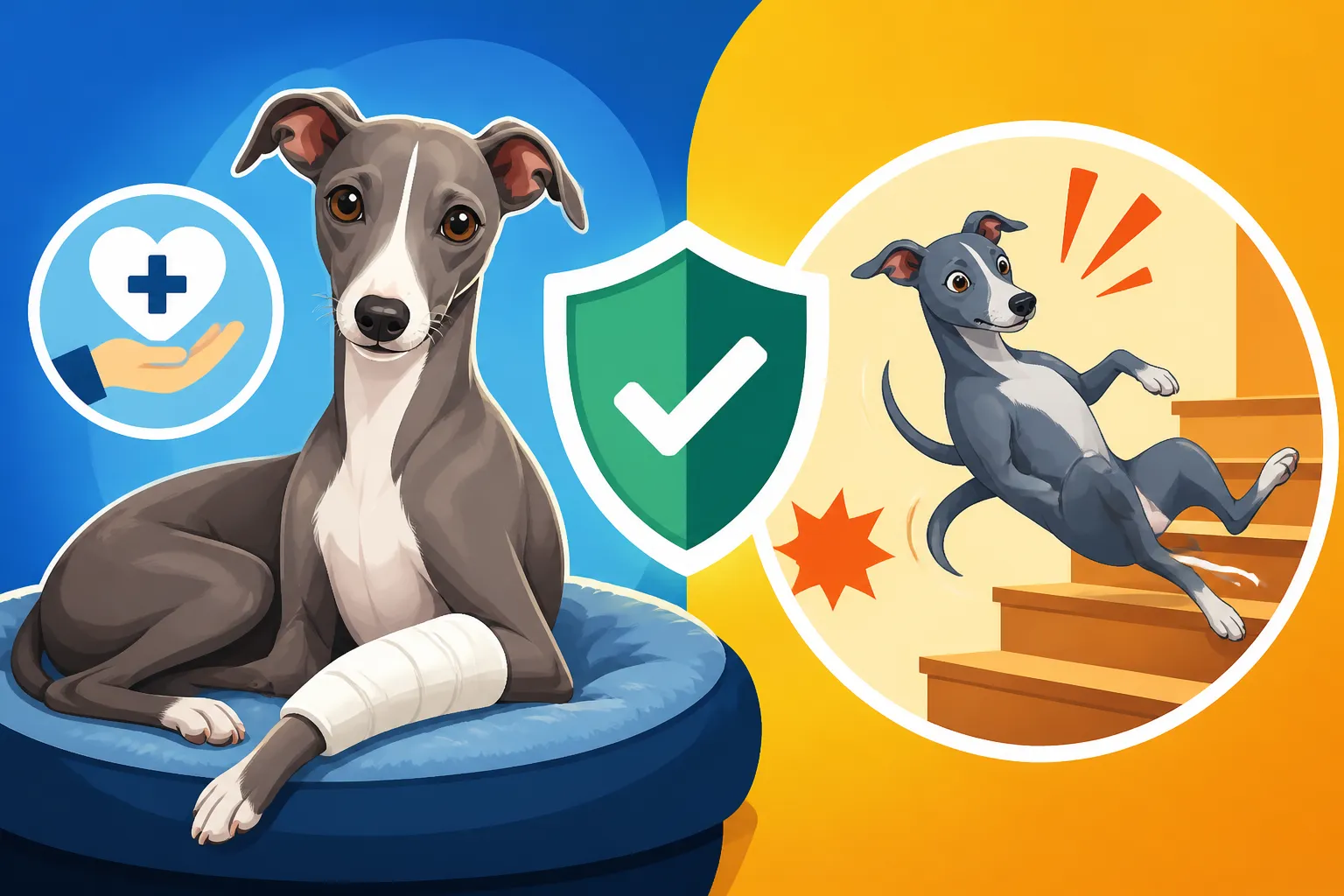
Generally speaking, pet insurance companies define an "accident" as a sudden, unforeseen, and unintentional event that causes injury to your pet. Think of it like this: if your Italian Greyhound, Pip, is doing his usual zoomies across the living room, misjudges a turn, and crashes into the coffee table, resulting in a broken leg, that's typically considered an accident. It wasn't planned, it wasn't a slow-onset illness, and it was external trauma.
Common scenarios that typically fall under accident coverage for an Italian Greyhound include:
- Jumps or Falls: Your Italian Greyhound, being the agile but sometimes clumsy creature it is, might misjudge a leap off the sofa, a bed, or even a low chair, leading to a nasty fall. This is a very common scenario for fractures and almost always qualifies as an accident. The Jump Off the Sofa That Breaks an Italian Greyhound's Leg explores this further.
- Running or Playing Incidents: A sudden twist during a spirited run in a safe, enclosed area, or a misstep while playing with another dog, even a gentle one, can result in a fracture. These are unexpected moments of trauma.
- Being Stepped On or Dropped: Sadly, these things happen, especially with tiny, fast-moving IGs. If an Italian Greyhound gets underfoot or is accidentally dropped, the resulting injury is unequivocally an accident. Why Dropping an Italian Greyhound Means Surgery highlights the severity of such incidents.
- Impact with Objects: Running into a doorframe, a piece of furniture, or even another animal during play can lead to an impact injury that causes a fracture. Again, these are sudden and unintentional.
The key takeaway is the suddenness and unforeseeable nature of the event. It's about an external force causing an injury, not a condition that develops over time.
The Nuance of Italian Greyhound Fractures
Here's where it gets a little more specific for our Italian Greyhounds. We all know their bones are delicate. It’s not a secret; it’s part of the breed's physical makeup. This inherent fragility can sometimes make owners wonder if an insurance company might try to argue that a fracture isn't a "true" accident because the breed is predisposed to them. This is a crucial point of empathy for IG owners because it feels like a double-edged sword: you get insurance because of the risk, but then worry the risk itself might be used against you.
Rest assured, a predisposition does not automatically disqualify an injury from being an accident. Why an Italian Greyhound's Leg Bones Break So Easily explains the anatomical reasons for this fragility. An accident is still an accident, even if it happened to an Italian Greyhound. The definition hinges on the event that caused the fracture. If your IG slipped on a rug and broke its leg, the slip was the accident. The fact that its bones are more prone to breaking doesn't change the nature of the event itself.
However, if there was an underlying, pre-existing condition that weakened the bone to the point where it broke spontaneously or with minimal trauma, that could become a point of discussion. For example, if your Italian Greyhound had been diagnosed with a bone disease before you obtained insurance, and that specific condition led to a fracture, it might be viewed differently. This is rare for the sudden fractures IGs usually experience, which are typically due to external impact or misstep. Insurance companies generally understand that a healthy Italian Greyhound, even with its delicate build, can suffer an accidental fracture just like any other dog.
Typical Exclusions to Accident Coverage
While pet insurance is a lifesaver, it's vital to be aware of what isn't typically covered, even for accidents. These exclusions are usually pretty standard across the industry, but always check your specific policy with providers like Healthy Paws or Chewy.
One of the biggest factors is waiting periods. Almost all pet insurance policies have a waiting period before accident coverage kicks in. This could be anywhere from a few days to a couple of weeks after you purchase the policy. If your Italian Greyhound breaks a leg on day two of a seven-day waiting period, unfortunately, that injury won't be covered. This is why it's so important to get insurance before an emergency arises. What an Insurance Waiting Period Means for an Italian Greyhound details these critical timeframes.
Another major exclusion is pre-existing conditions. This is probably the most common reason for claim denials. A pre-existing condition is any illness or injury that your pet showed signs of, or was diagnosed with, before your coverage started or during the waiting period. If your Italian Greyhound had a limp or a suspected bone issue that was documented by a vet prior to your policy going into effect, and then that same area fractures, the insurer might deem it pre-existing. It's not about the breed's general fragility, but about a specific, documented health issue with that individual dog before the policy was active.
Beyond these, some policies might have specific exclusions for:
- Intentional harm or abuse: This is a terrible thought, but policies won't cover injuries caused by intentional cruelty.
- Neglect: If an injury is clearly a result of severe neglect (e.g., untreated, festering wound that somehow led to a fracture), it might be excluded. However, a typical accidental fracture rarely falls under this.
- Preventable conditions: Sometimes, certain preventable conditions are excluded, but again, a sudden fracture from a fall isn't usually in this category unless a vet has specifically warned you about a bone fragility related to an unmanaged health issue.
It’s always worth calling your provider if you're unsure, or reviewing your policy documents thoroughly. Knowing these exclusions upfront can prevent heartache and financial surprises later.
Navigating the Claims Process for an Italian Greyhound Fracture
When the worst happens and your Italian Greyhound suffers a fracture, the priority is obviously getting them immediate veterinary care. But almost immediately after, the process of dealing with pet insurance will begin. Being prepared for the claims process can alleviate some of the stress during an already difficult time.
Immediate Steps After a Fracture
The moment you suspect your Italian Greyhound has a broken leg, every second counts. Your absolute first step is to get them to an emergency veterinary clinic or your regular vet if they can see you immediately. Do not delay. Signs an Italian Greyhound Has Broken a Leg are often clear, but sometimes subtle. Even if your Italian Greyhound still attempts to put weight on the leg or hobbles, it's an emergency.
While at the vet, focus on your dog's care, but also be mindful of the information you'll need for your insurance claim:
- Seek Professional Diagnosis: The veterinarian will perform a physical examination and likely take X-rays to confirm the fracture, identify its location, and determine its severity. These diagnostic images and the vet's notes are critical evidence for your claim.
- Ensure Thorough Documentation: Make sure the veterinary staff creates detailed records of everything. This includes:
- The date and time of the injury.
- A clear description of how the injury occurred (as you explain it to them).
- All findings from the examination and X-rays.
- The diagnosis (e.g., "distal radius and ulna fracture").
- The treatment plan (e.g., surgery, casting, pain medication).
- Every single invoice for services, medications, and supplies.
- Communicate the "Accident" Nature: When discussing the injury with your vet, clearly articulate that it was a sudden, unforeseen accident. For example, "He was running in the living room and tripped over his own feet," or "She misjudged a jump from the ottoman." This helps ensure the vet's notes reflect an accidental cause, which supports your claim.
- Keep Copies of Everything: Before you leave the vet, request copies of all medical records, X-rays, and itemized invoices. You'll need these to submit your claim, and having them on hand will expedite the process.
The more detailed and immediate your veterinary documentation, the smoother your insurance claim is likely to be.
Submitting Your Accident Claim
Once your Italian Greyhound is stable and you have all the necessary veterinary documentation, it’s time to submit your claim. While the exact process varies slightly between providers, the general steps are similar.
Most modern pet insurance companies, like Healthy Paws and Chewy Pet Insurance, offer convenient online portals or mobile apps for submitting claims. This is usually the fastest and most efficient method. Here’s a typical rundown:
- Obtain Claim Forms: If submitting digitally, you'll usually fill out an online form. If submitting by mail, download and print the claim form from your insurer's website.
- Complete Your Section: Fill out your portion of the claim form accurately and thoroughly. This will include your policy number, your Italian Greyhound's details, and your account of how the accident happened. Be factual and precise.
- Attach Documentation: This is where those detailed veterinary records come in. Upload or attach all itemized invoices, medical notes, and diagnostic reports (like X-ray interpretations). Some insurers might want the actual X-ray images, while others are fine with the vet's report. Double-check your policy or call customer service if unsure.
- Vet Signature (Sometimes): Some claim forms require a section to be filled out and signed by your treating veterinarian. If this is the case, you may need to drop off the form at the vet's office for them to complete before you submit it.
- Submit the Claim: Once everything is complete, submit your claim. You'll usually receive a confirmation that it has been received, and then the waiting game begins. Many companies pride themselves on quick turnaround times, but always allow for a few weeks, especially for complex claims like a fracture.
Remember, the clearer and more comprehensive your submission, the less likely there will be delays or requests for additional information. It’s always a good idea to keep a copy of everything you submit for your own records.
What to Expect During Review
After you submit your accident claim for your Italian Greyhound's fracture, the insurance company will begin its review process. This involves their claims adjusters examining all the documentation you've provided to ensure it meets the policy's criteria for an accident and isn't subject to any exclusions.
Here’s what you can typically expect:
- Initial Review: The insurer will look for all the basic information: policy in force, within waiting period, clear diagnosis, and treatment plan. They will verify that the injury aligns with their definition of a sudden, unforeseen accident.
- Communication: They might contact you or your veterinarian for clarification or additional information. For instance, they might ask the vet for notes from previous visits to rule out a pre-existing condition, or they might ask you for more details about the circumstances of the fall or impact. Providers like Ollie might even have a dedicated claims specialist you can work with.
- Decision: Eventually, you will receive a decision regarding your claim. If approved, you'll get an Explanation of Benefits (EOB) detailing what was covered, the reimbursement percentage, deductible applied, and the amount you'll receive. What Fracture Repair Costs on an Italian Greyhound can be substantial, so this reimbursement is often a huge relief.
Common Reasons for Denial and How to Appeal:
While most legitimate accident claims for Italian Greyhounds are approved, denials can happen. Some common reasons include:
- Pre-existing Condition: This is often the primary reason. If the insurer finds evidence in your pet's past medical records that the condition leading to the fracture existed before your policy or its waiting period, they may deny coverage.
- Waiting Period Violation: As mentioned earlier, if the accident occurred before the waiting period expired.
- Insufficient Documentation: If the vet records are vague, incomplete, or don't clearly describe the accident's circumstances, the insurer might struggle to approve the claim.
- Policy Exclusions: If the injury falls under a specific exclusion in your policy, like injuries sustained during breeding (if that's an exclusion), it could be denied.
If your claim is denied, don't despair immediately! You usually have the right to appeal.
- Understand the Reason: Carefully read the denial letter and understand why the claim was denied.
- Gather More Evidence: If you believe the denial is incorrect, gather any additional supporting documentation. This might involve getting a letter from your vet clarifying that the injury was acute and not related to a pre-existing condition, or providing more detailed sworn testimony about the accident.
- Write an Appeal Letter: Clearly and calmly state why you believe the decision should be overturned, referencing your policy terms and the evidence you've provided.
- Escalate if Necessary: If your appeal is denied, some states have departments of insurance that can mediate disputes.
Being persistent and having clear, strong documentation are your best assets in navigating the claims review and appeal process.
Preparing for the Financial Reality of an IG Fracture
No one wants to think about their Italian Greyhound breaking a leg, but being financially prepared can make a terrifying situation less overwhelming. Even with pet insurance, there will be out-of-pocket costs. Understanding the scope of these expenses and having safeguards in place is incredibly important for responsible Italian Greyhound ownership.
The True Cost of Fracture Repair
The cost of repairing an Italian Greyhound's broken leg is, to put it mildly, significant. It's often one of the biggest veterinary bills an Italian Greyhound owner will face, dwarfing the cost of routine care. It's not just the initial surgery; it's a marathon of expenses.
Here's a breakdown of what contributes to the overall cost:
- Emergency Stabilization and Diagnosis: The initial emergency vet visit, pain medication, sedation, and X-rays to diagnose the fracture. These immediate steps alone can quickly add up.
- Surgery: For many Italian Greyhound fractures, especially of the radius and ulna, surgery is almost always required. This typically involves placing plates and screws to stabilize the bone. This procedure requires a skilled orthopedic surgeon, specialized equipment, and anesthesia, which for an Italian Greyhound, is handled with extra care due to their unique physiology. Why Anesthesia Is Handled Differently in an Italian Greyhound is a good read on this. Whether an Italian Greyhound's Fracture Needs a Plate is often a 'yes.'
- Post-Operative Care: After surgery, there are costs for hospitalization, more pain medications, antibiotics, and often the creation of a splint or cast.
- Follow-Up Appointments and X-rays: The leg will need regular check-ups and X-rays to monitor healing. This could mean weekly or bi-weekly visits for several months. Each set of X-rays and each vet visit incurs additional fees.
- Rehabilitation and Physical Therapy: Once the initial healing is underway, physical therapy can be crucial to help your Italian Greyhound regain full use of the leg, improve muscle strength, and prevent stiffness. This might include hydrotherapy, laser therapy, or guided exercises at home. How Long an Italian Greyhound Stays Crated After Surgery indicates the long recovery process.
- Potential Complications: Unfortunately, some fractures can have complications, such as infection, non-union (the bone not healing properly), or implant failure. These can necessitate further surgeries, which, of course, means more expense. What a Second Surgery Costs on an Italian Greyhound is a very real possibility.
Even with pet insurance covering a percentage, your deductible and co-pay can still amount to a substantial sum. It's a financial commitment that truly reflects the saying, "An Italian Greyhound costs more than you think." How Long an Italian Greyhound Takes to Heal a Fracture also points to the extended period over which these costs accrue.
Comparing Pet Insurance Providers
Because fractures are such a risk for Italian Greyhounds, choosing the right pet insurance is paramount. When evaluating providers, don't just look at the monthly premium; dig into the details of their accident coverage.
Here are key aspects to compare:
- Deductibles: This is the amount you pay out of pocket before your insurance starts to cover costs. Some plans have per-incident deductibles, others have annual deductibles. A lower deductible means you pay less up front, but typically comes with a higher premium.
- Reimbursement Percentage: This is the percentage of eligible veterinary costs the insurance company will pay back after the deductible is met. Common percentages are 70%, 80%, or 90%. Opting for a higher reimbursement percentage is often wise for an Italian Greyhound owner, given the high cost of fracture repair.
- Annual Limits: Some policies have a maximum amount they will pay out in a year. Ensure this limit is high enough to cover potentially multiple expensive procedures, especially given that some IGs might have more than one fracture incident in their lifetime. For example, A Broken Leg Is the Emergency Every Italian Greyhound Owner Fears is one such situation where a high annual limit is crucial. Unlimited plans offer the most peace of mind.
- Waiting Periods: As discussed, understand how long you have to wait for accident coverage to begin.
- Reputation and Customer Service: Look for providers with a good track record for processing claims efficiently and offering clear communication. Reading reviews of Healthy Paws, Chewy's offerings, or other major players can provide insights.
- Add-ons: Consider if a policy allows for rehabilitation and physical therapy coverage, as these are often vital for a full recovery after an Italian Greyhound fracture.
When comparing, imagine a worst-case fracture scenario for your Italian Greyhound. How much would you still be responsible for with each policy after the deductible and reimbursement? This mental exercise can help you choose the best fit for your budget and peace of mind.
Beyond Insurance: Other Financial Safeguards
While pet insurance is a fantastic tool, it's rarely a magic bullet that covers 100% of costs. Smart Italian Greyhound owners plan for multiple layers of financial protection.
- Emergency Fund: This is crucial. Having a dedicated savings account for pet emergencies, even with insurance, can cover deductibles, co-pays, and any unexpected expenses that aren't covered. Budgeting for an Italian Greyhound's Broken Leg Before It Happens is not just smart, it's essential. This fund can also bridge the gap if you need to pay the vet upfront and wait for reimbursement from your insurance provider.
- Payment Plans with Your Vet: Many veterinary clinics understand the financial strain of large unexpected bills and offer payment plans. Don't be afraid to discuss this option with the clinic's financial coordinator. They often work with third-party financing solutions like CareCredit, which offers deferred interest plans if paid off within a certain timeframe.
- Credit Cards: While not ideal for long-term solutions, a low-interest credit card can be a short-term lifeline for immediate costs while you wait for insurance reimbursement or arrange other financing.
- Italian Greyhound Specific Rescues and Charities: In dire situations, there are sometimes breed-specific rescues or national veterinary aid charities that can offer financial assistance for life-threatening emergencies. These typically have strict criteria and limited funds, but they are an option to explore if all else fails.
- Considering a Second Dog: If you have more than one Italian Greyhound, remember that Whether Two Italian Greyhounds Cost Twice as Much is not always true for fixed expenses like insurance premiums, but medical emergencies could double the risk.
Ultimately, owning an Italian Greyhound means accepting certain unique financial responsibilities, especially concerning their delicate bones. A proactive approach, combining robust pet insurance with a solid emergency fund, is the most responsible way to ensure your cherished companion receives the best possible care should a fracture occur. Knowing that an accidental fracture is typically an accident claim can provide a sliver of relief during an otherwise terrifying time.
Disclaimer
This article is for general informational purposes only and does not constitute professional advice. Laws, prices and regulations vary by location and change over time. Consult a qualified professional for guidance on your specific situation.