Whether an Old Italian Greyhound Should Still Be Walked
It's heartbreaking to watch our beloved Italian Greyhounds slow down, isn't it? One of the biggest worries many of us face as our Iggies reach their golden years is whether we should still be taking them for walks, or if we're pushing them too hard. This guide is here to walk you through how to assess your senior Italian Greyhound's needs, adapt their exercise routine, and ensure their comfort and happiness as they age gracefully.
Understanding the Aging Italian Greyhound
Just like us, Italian Greyhounds experience changes as they get older. It's not a sudden switch, but a gradual shift that impacts everything from their energy levels to their physical capabilities. Knowing what to expect can help you make informed decisions about their daily routine, including those treasured walks.
The Natural Changes of Seniority in Iggies
As Italian Greyhounds transition into their senior years, typically starting around age ten or eleven, you'll begin to notice some tell-tale signs. They might not greet you with the same explosive zoomies they once did, or they might seem a bit more reluctant to jump up on the sofa. Their bodies are simply changing. Their joints might not be as flexible, and conditions like arthritis can start to creep in, making those once effortless movements a bit stiff or even painful. Caring for an Italian Greyhound Past Eleven touches on many of these changes.
Beyond the physical, there can be cognitive shifts too. Some Iggies might experience Night Confusion in an Old Italian Greyhound, or generally seem a little less aware of their surroundings. Their eyesight might dim, and their hearing could fade, making the outside world a bit more challenging to navigate. It's all part of the natural aging process. They also tend to feel the cold much more acutely as they lose some of their muscle mass and insulating fat. Why an Old Italian Greyhound Feels the Cold More explains this in detail. These factors all play a role in how they perceive and handle their walks.
Why Movement Remains Crucial for Older Dogs
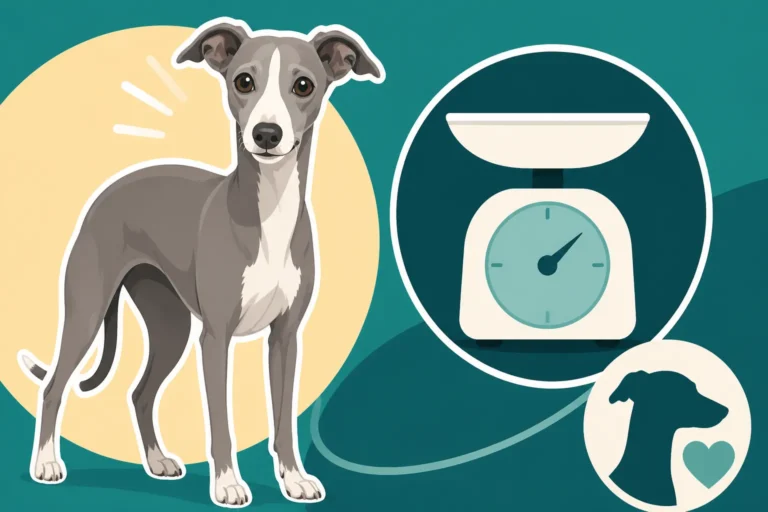
Even with all these changes, movement is absolutely vital for your senior Italian Greyhound. It might not look the same as their puppy strolls, but regular, appropriate exercise helps maintain muscle mass, which in turn supports their joints and reduces the risk of injury. It also helps manage their weight, which is critical for breeds like Iggies with delicate bones; extra weight puts undue strain on those aging limbs. Think of it as a low-impact workout that keeps their body as limber as possible.
Beyond the physical, walks offer immense mental stimulation. The smells, sights, and sounds of the outdoors are a rich tapestry of information for your dog. For an older Iggy, this mental engagement can help stave off cognitive decline and keep them feeling connected to their world. It prevents boredom and can even alleviate anxiety. The sheer joy of a sniffari, even a short one, is a huge boost to their well-being. So, the answer isn't to stop walks, but to adapt them.
Tailoring Walks for the Senior Italian Greyhound
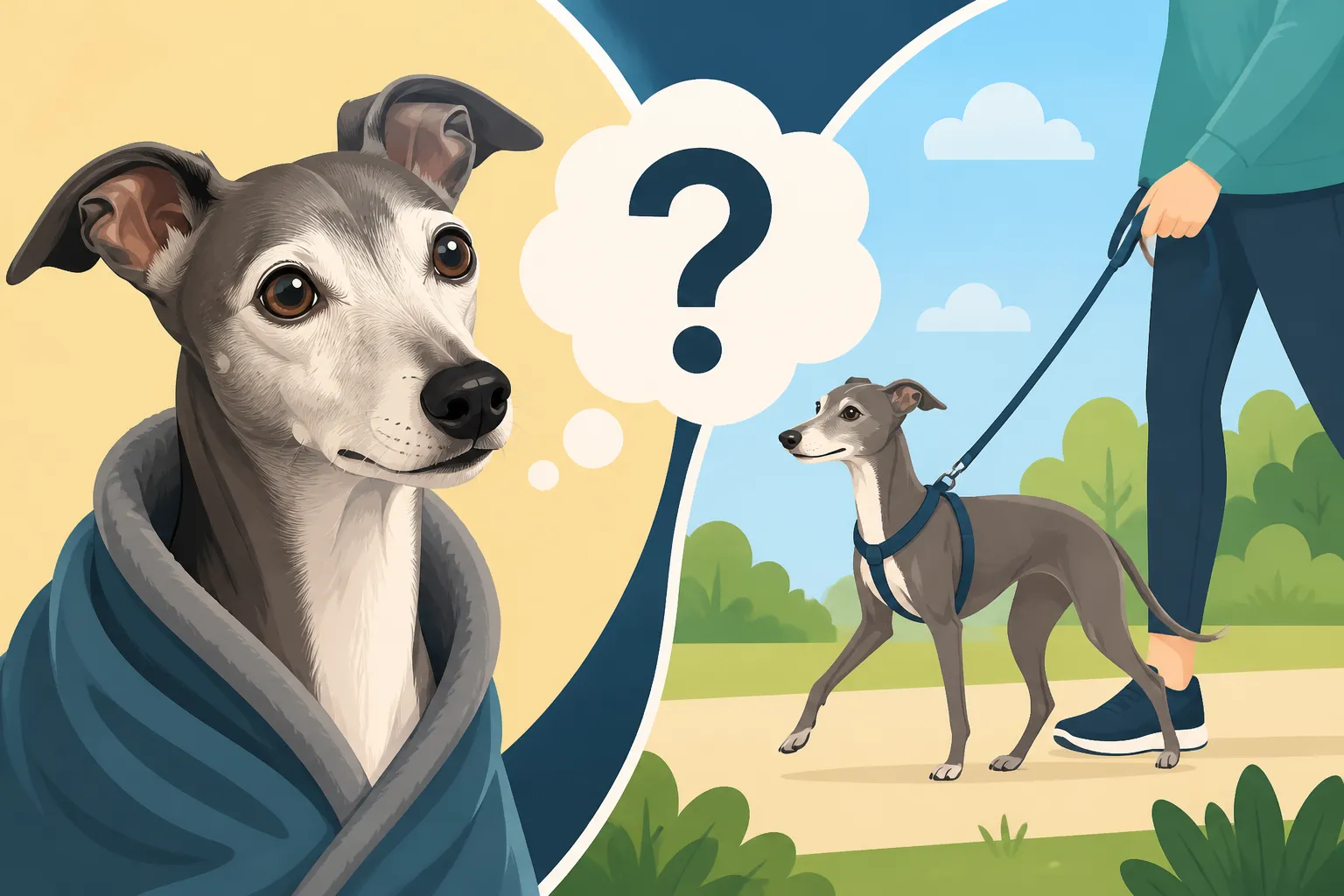
The key to walking an old Italian Greyhound is adaptation. You wouldn't expect an elderly person to run a marathon, and the same applies to your senior Iggy. Their walks need to be tailored to their individual capabilities on any given day.
Assessing Your Iggy's Current Mobility and Health
Before you even step out the door, take a moment to truly observe your Italian Greyhound. Are they moving slowly, or do they seem particularly stiff after resting? Do they limp, or hesitate before going up or down steps? These are important clues. It's always a good idea to chat with your veterinarian about these observations. They can perform a thorough check-up, looking for underlying issues like Arthritis in an Italian Greyhound's Healed Leg, a new The Heart Murmur an Old Italian Greyhound Develops, or other health conditions that might impact their ability to walk comfortably.
Your vet might suggest joint supplements, pain management, or even physical therapy exercises you can do at home. Understanding their current health status is the foundation for creating a safe and enjoyable walking routine. Remember that Italian Greyhounds are notoriously stoic and excellent at hiding pain, so you need to be extra vigilant for subtle signs of discomfort.
Adjusting Frequency, Duration, and Intensity
The glorious long walks of their youth might be a thing of the past, and that's perfectly fine. Instead, think "short and sweet, but frequent." Rather than one long hike, consider two or three shorter, leisurely strolls throughout the day. This reduces strain and allows for rest in between. The duration might be 10-15 minutes instead of 30-45.
Intensity is another critical factor. Forget brisk paces or challenging terrains. Flat, even surfaces are your friend. A gentle amble, allowing plenty of time for sniffing and exploring at their own pace, is ideal. If they stop to rest, let them. If they seem tired, it’s time to head home. Don't push them past their comfort level. On particularly cold or rainy days, a quick potty break might be all they need, with indoor games providing the rest of their mental and physical exercise. What Changes in an Old Italian Greyhound's Care discusses how their needs shift.
Essential Gear for Senior Strolls
The right gear can make all the difference in ensuring your senior Iggy's comfort and safety on walks.
- Comfortable Harness: Ditch the collar for walks, especially if your Iggy has any respiratory or neck issues. A well-fitting, padded harness distributes pressure evenly across their chest and shoulders, preventing strain on their delicate neck. Brands like Ruffwear or Kurgo, often found on Chewy or Amazon, offer excellent ergonomic designs.
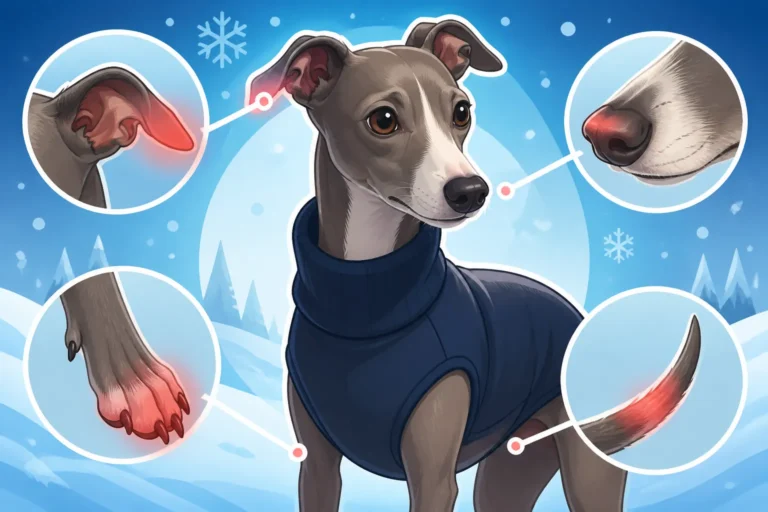
- Warm Clothing: As mentioned, older Iggies feel the cold more intensely. A good quality, warm sweater or coat is non-negotiable for most of the year, even indoors sometimes. Look for options that cover their belly and offer good warmth without restricting movement. Many Italian Greyhound-specific clothing brands exist, or you can find good options on Amazon.
- Booties: In very cold weather, or if walking on salted pavements, protective booties can prevent frostbite and chemical burns on sensitive paw pads. Finding ones that stay on an Iggy's delicate feet can be a challenge, but brands like Muttluks are often worth trying.
- Support Sling/Handle: For Iggies with significant hind-end weakness or arthritis, a support sling or lifting harness can be a godsend. It allows you to provide gentle assistance, taking some weight off their rear legs for short periods. This is particularly helpful for getting up and down curbs, or if they stumble.
Here's a quick comparison of walk types for different senior Iggy mobility levels:
| Mobility Level | Recommended Walk Type | Key Adaptations |
|---|---|---|
| Active Senior | Several short, gentle walks daily | Flat terrain, slower pace, ample sniff time. |
| Moderate Mobility | Shorter, very slow, frequent outings | Very flat surfaces, avoid stairs/inclines, consider support sling. |
| Limited Mobility | Short, assisted potty breaks | Focus on comfort, minimal distance, prioritize mental engagement indoors. |
| Highly Frail | Outdoor time for potty only, carried | Minimize physical exertion, maximize indoor comfort and engagement. |
Recognizing When Walks Are No Longer Beneficial
There comes a point for some Italian Greyhounds when traditional walks become more of a burden than a joy. Recognizing these signs early is crucial for their well-being.
Signs Your Iggy Is Struggling or in Pain
Your Italian Greyhound might try to hide their discomfort, but you'll notice changes in their behavior. Look for:
- Reluctance to go out: If they used to eagerly grab their leash and now hesitate or try to hide, it’s a red flag.
- Excessive panting or lagging behind: These are signs of overexertion or pain.
- Increased stiffness or lameness after walks: This indicates the walk was too much for their body.
- Changes in posture or gait: Are they hunching, favoring a leg, or walking with a stiff, unnatural stride?
- Vocalization: Whining, yelping, or even growling when you touch certain areas are clear signs of pain.
- Decreased enthusiasm for their surroundings: If they're not sniffing, observing, or engaging with the environment, they might be too focused on discomfort.
If you observe these signs, it's vital to consult your vet immediately. They can help identify the source of the pain and recommend treatments. It might mean adjusting medication, exploring new therapies, or modifying their routine further.
Alternative Ways to Keep an Old Italian Greyhound Engaged
If walks truly become too much, there are still many ways to keep your Italian Greyhound physically and mentally stimulated.
- Indoor "Sniffari": Hide treats around the house, encouraging them to use their nose and gentle movement to find them. This is excellent mental exercise. You can use a snuffle mat, available from Chewy, or simply scatter kibble on a blanket.
- Puzzle Toys: Toys that dispense treats when manipulated can keep their minds sharp and provide gentle physical activity.
- Gentle Play: A short game of "find it" with a soft toy, or rolling a ball a few feet, can offer interaction without overexertion.
- Massage and Stretching: Gentle massages can improve circulation and reduce stiffness. Ask your vet or a certified canine physical therapist for safe stretching exercises tailored to your Iggy.
- Car Rides: If they enjoy car rides, a short trip to a different environment can offer new sights and smells without requiring them to walk.
- Carried Outings: Consider a dog stroller or a comfortable sling so they can still experience the outdoors and fresh air, even if they can't walk much on their own. This is a great way to let them enjoy a park or a sunny spot without putting stress on their body.
- Dedicated Cuddle Time: Sometimes, the best thing you can offer your senior Iggy is quiet companionship and lots of cuddles. Their needs shift, and often, what they crave most is closeness and comfort.
Making the Decision: Continuing vs. Adapting
Ultimately, the decision of whether and how to walk your old Italian Greyhound rests with you, in consultation with your veterinarian. It's a continuous assessment, not a one-time choice.
Start by assuming that some form of walking or assisted outdoor time is beneficial, and then gradually adjust as needed. Pay close attention to their cues, both during and after their outings. Don't let guilt over what they "used to do" dictate what they "should do" now. Their needs are different, and your job is to meet them where they are. How an Italian Greyhound Hides Pain is a good read to remember how subtle their signals can be.
Be proactive with veterinary care. Regular check-ups are even more important for senior Iggies to catch potential issues early. Discuss pain management options, joint support, and any other concerns. Remember, a senior Iggy still has a zest for life and deserves every opportunity to enjoy their golden years in comfort. Whether that's a long, ambling stroll, or a gentle sniff in the garden carried in your arms, the most important thing is that they feel loved, safe, and part of your world.
Disclaimer
This article is for general informational purposes only and does not constitute professional advice. Laws, prices and regulations vary by location and change over time. Consult a qualified professional for guidance on your specific situation.