Whether a Finger Brush Works on an Italian Greyhound
Anyone who shares their life with an Italian Greyhound knows the unique joys and challenges of this wonderful breed. One of the biggest worries, often underestimated by new owners, is the relentless battle against dental disease. You're constantly searching for effective ways to keep those tiny teeth clean, and the question of whether a finger brush can actually work for your delicate companion is a common one. This guide is here to offer a deep dive into the world of finger brushes for Italian Greyhounds, exploring their pros and cons, and helping you decide if they're the right tool for your dog's oral hygiene routine.
The Unique Challenges of Italian Greyhound Dental Health
Let's be real, dental care for any dog can feel like a wrestling match with a furry, uncooperative octopus, but with Italian Greyhounds, it's often an even more delicate dance. Their mouths are tiny, their jaws are fine-boned, and their teeth, while beautiful, are prone to a host of problems. Understanding these challenges is the first step to finding a dental routine that actually works.
Why Italian Greyhounds Are Prone to Dental Issues
Italian Greyhounds, by their very nature, are predisposed to dental problems, and it's not just about a lack of brushing. Their breed-specific anatomy plays a huge role. They have a long, narrow muzzle, but the number of teeth they possess is the same as much larger breeds. This means their teeth are often crowded and rotated, particularly the smaller incisors and premolars. When teeth are crammed together, food particles and plaque have more crevices and tight spaces to accumulate, making them extremely difficult to clean effectively with just chewing or even some standard toothbrushes. This crowding creates an ideal environment for bacteria to thrive, quickly leading to plaque buildup, tartar, and eventually, Periodontal Disease Is the Italian Greyhound's Most Common Diagnosis.
Another factor is their genetic predisposition. Many Italian Greyhounds inherit a propensity for poor enamel quality or early onset of dental issues. It’s not uncommon for tartar to appear on an Italian Greyhound's teeth alarmingly early, sometimes even before they're two years old. This isn't a reflection of bad ownership; it's simply a reality of the breed. We know that How Common Dental Disease Is in an Italian Greyhound is very high, and it's something owners must actively combat from day one.
The Difficulty of Traditional Brushing on a Small Mouth
If you've ever tried to get a standard dog toothbrush into your Italian Greyhound's mouth, you know the struggle. Those stiff, often large, bristles can feel like a weapon when you're trying to navigate around those tiny, crowded teeth. The head of a typical dog toothbrush can be far too big, making it impossible to reach the back molars or even adequately brush the outside surfaces of the smaller front teeth without causing discomfort or even injury.
The brush itself might be a barrier, but so is your dog's natural instinct. IGs are intelligent and sensitive creatures. If brushing is uncomfortable or scary, they will quickly learn to resist it. They might pull away, snap, or hide, making daily brushing a frustrating ordeal for both of you. Many owners give up out of sheer exhaustion and the fear of hurting their fragile dog. This is where the quest for alternative tools like a finger brush often begins, driven by a genuine desire to provide care without the struggle. You want to brush Brushing an Italian Greyhound's Teeth Every Day, but the tools themselves can feel like the first hurdle.
Understanding the Finger Brush for Italian Greyhounds
So, you're wondering if a finger brush is the magic bullet for your Italian Greyhound's pearly whites (or what's left of them!). It’s a tool that promises easier access and a gentler experience, but let's break down exactly what it is and where it shines—or falls short—for our delicate Iggies.
What Exactly Is a Finger Brush?
A finger brush, in its simplest form, is a small, thimble-like piece of silicone or soft rubber that slips over your index finger. It has soft bristles or nubs on the outside, designed to gently scrub teeth and massage gums. The idea is that using your finger gives you more control and allows for a more natural, less intimidating approach compared to a rigid-handled toothbrush. It becomes an extension of your touch, which can be less threatening to a sensitive Italian Greyhound. You can find many options from brands like Chewy or Amazon, ranging in material and bristle firmness.
These brushes are often touted for puppies or small breeds, specifically because they are less bulky and allow for direct tactile feedback. You can feel where you're brushing, how much pressure you're applying, and better navigate the contours of a tiny mouth. For an Italian Greyhound owner, this immediately sounds appealing, especially if you’ve struggled with traditional toothbrushes that feel like they belong in a horse's mouth, not your IG's.
Advantages of Using a Finger Brush for Your Italian Greyhound
For many Italian Greyhound owners, a finger brush offers several distinct benefits that make it a compelling option for daily dental care:
- Improved Control and Dexterity: This is arguably the biggest advantage. With a finger brush, your finger is inside your dog's mouth, giving you direct control over the angle and pressure. You can really get into those tight spaces where your IG's teeth are Why an Italian Greyhound's Teeth Crowd and navigate around rotated teeth. This precision is hard to achieve with a stiff-handled brush, especially when dealing with such a small, delicate oral cavity.
- Less Intimidating for Sensitive Dogs: Italian Greyhounds are known for their sensitive nature. A large, hard toothbrush can be alarming. A finger, however, is a familiar and comforting presence. When you gently introduce your finger, especially if you've done positive reinforcement work by just touching their mouth with your finger, the transition to a finger brush can be much smoother. It feels less like an invasion and more like a continuation of a familiar touch. This can be particularly helpful when you're trying to teach an Italian Greyhound puppy to have its teeth brushed.
- Soft on Gums and Enamel: Most finger brushes are made from very soft silicone or rubber, which is gentler on delicate gums than some firmer-bristled toothbrushes. Given the Italian Greyhound's fine bones and propensity for dental issues, preventing gum irritation is key. The softer material reduces the risk of accidentally scraping or causing discomfort, which could otherwise make your dog wary of future brushing sessions.
- Portability and Convenience: Finger brushes are small and easy to pack, making them great for travel. You can pop one in your pocket or a small travel kit, ensuring your Italian Greyhound’s dental routine doesn't get interrupted, whether you're visiting family or staying at a dog-friendly hotel.
Potential Disadvantages and Limitations
While finger brushes sound like a dream, they do come with their own set of caveats:
- Limited Reach for Back Molars: Despite the improved dexterity, some finger brushes might still struggle to reach the very back molars, especially if your Italian Greyhound has a particularly deep set of back teeth or is resistant to opening their mouth wide. You can get the front and side surfaces well, but the furthest back teeth can be a challenge. These molars are crucial to clean, as they often accumulate significant tartar.
- Less Abrasive Cleaning Action: The soft bristles, while gentle, may not offer the same level of abrasive cleaning power as a traditional bristle toothbrush. For existing, hardened tartar, a finger brush might not be enough to make a significant impact. It's excellent for preventing plaque buildup and maintaining clean teeth, but once serious tartar has formed, professional intervention will likely be needed.
- Hygiene Concerns: You're putting your bare finger, albeit covered by the brush, into your dog's mouth. While you should always wash your hands thoroughly before and after, some people are uncomfortable with this direct contact. Ensuring the finger brush itself is cleaned and sterilized properly after each use is also vital to prevent bacterial growth.
- Finding the Right Fit: Not all finger brushes are created equal, and not all fingers are the same size! You might need to try a couple of different brands or styles to find one that fits comfortably on your finger and effectively inside your IG's mouth. Too loose, and it could slip off; too tight, and it could be uncomfortable for you.
- Dog Acceptance: While often less intimidating, some Iggies simply won't tolerate a finger in their mouth, regardless of the brush. Every dog is an individual, and some will still protest this form of intervention. It's about patience and positive reinforcement, no matter the tool.
Comparison: Finger Brush vs. Traditional Toothbrush for Italian Greyhounds
To help you visualize the choice, here's a quick comparison of finger brushes and traditional toothbrushes for our beloved Italian Greyhounds:
| Feature | Finger Brush | Traditional Dog Toothbrush |
|---|---|---|
| Control & Dexterity | High, direct finger control | Moderate, rigid handle can limit angles |
| Comfort for Dog | Often less intimidating, softer on gums | Can be intimidating, bristles may be firmer |
| Reach (Back Molars) | Can be limited for deep back molars | Varies by head size, some specialty brushes excel |
| Cleaning Power (Plaque) | Good for daily plaque removal, gentle | Good for plaque, can be more abrasive |
| Tartar Removal | Minimal, focuses on prevention | Minimal, focuses on prevention |
| Ease of Use | Generally easier to introduce | Can require more training and desensitization |
| Hygiene | Requires careful cleaning of brush & hands | Brush head usually replaceable/cleanable |
| Portability | Excellent, very compact | Good, but often larger/bulkier |
When it comes to Which Toothbrush Fits an Italian Greyhound's Mouth, the finger brush is a strong contender for its small size and maneuverability. However, a small, multi-angled, or even a child's toothbrush with extra-soft bristles might also be a good option for certain Iggies and can offer better reach for those tricky back teeth.
How to Effectively Use a Finger Brush on Your Italian Greyhound
Okay, you've decided to give the finger brush a go. That's fantastic! But just having the tool isn't enough; knowing how to use it effectively and making it a positive experience for your Italian Greyhound is crucial. Remember, consistency is key, and patience is your best friend when it comes to doggy dental care.
Starting Slow: Desensitization and Positive Reinforcement
Never, ever just shove a finger brush into your Italian Greyhound’s mouth. This is a surefire way to create a negative association that will make future attempts impossible. Italian Greyhounds are sensitive, and rushing them will backfire.
- Start with Touch: Begin by simply touching your IG's muzzle and lips with your clean finger. Do this gently and briefly, then immediately praise and offer a high-value treat. Repeat this several times a day for a few days, gradually increasing the duration of the touch. The goal is for your dog to associate mouth handling with good things.
- Introduce the Finger Brush (No Paste Yet): Once your IG is comfortable with you touching their lips, let them sniff the finger brush. Don't force it. Reward curiosity. Then, gently slide the finger brush onto your finger and just touch their muzzle again, similar to how you did with your bare finger. Short sessions, lots of praise, and treats.
- Add a Taste of Toothpaste: Apply a tiny dab of canine-specific toothpaste (never human toothpaste!) to the finger brush. Let your IG lick it off. Most dog toothpastes come in appealing flavors like poultry or peanut butter. This helps build a positive association with the taste. Brands like Virbac C.E.T. or Petrodex are popular and widely available on platforms like Chewy or Amazon.
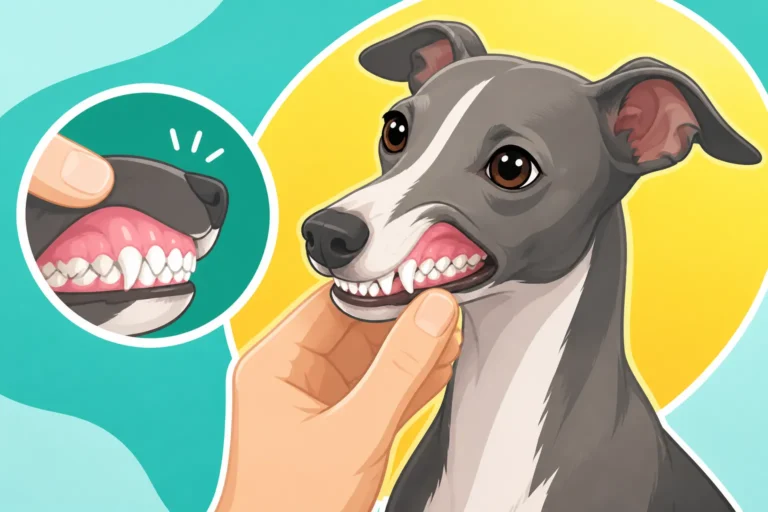
- First Brushing Attempts: Once your IG is happy with the taste, very gently lift their lip and use the finger brush to make a few quick, soft strokes on one or two teeth. Focus on the outside surfaces first, as these are the easiest to reach and accumulate the most plaque. Do this for literally a few seconds, then stop, praise, and treat generously. The aim is success, not perfection. You're building a routine, one tiny step at a time. This step-by-step approach is vital, especially when you're working on Teaching an Italian Greyhound Puppy to Have Its Teeth Brushed.
Step-by-Step Brushing Technique
Once your Italian Greyhound is accustomed to the finger brush and toothpaste, you can gradually increase the duration and coverage.
- Position Yourself Comfortably: Sit on the floor with your IG, or have them stand comfortably next to you on a sofa. Make sure you both feel relaxed. You can hold their head gently but firmly if needed, but avoid any aggressive restraint.
- Lift the Lip: Gently lift your Italian Greyhound’s upper lip to expose the teeth and gums.
- Focus on the Gumline: The most crucial area to brush is the gumline, where the teeth meet the gums. This is where plaque accumulates and turns into tartar. Use small, circular motions, angling the bristles slightly towards the gumline.
- Target All Surfaces:
- Outer Surfaces: These are the easiest. Work systematically from the back teeth (molars and premolars) towards the front (canines and incisors).
- Inner Surfaces: These are often harder to reach and accumulate less plaque, but don't ignore them. Try to gently open your IG's mouth just enough to reach the inner surfaces.
- Chewing Surfaces: A few strokes on the top (chewing) surfaces are also beneficial.
- Be Quick and Gentle: Aim for about 30 seconds to a minute per side, or whatever your dog tolerates. The goal is thoroughness over speed, but short, frequent sessions are better than long, stressful ones. If your IG gets antsy, stop, praise, and try again later.
- Praise and Reward: End every session with lavish praise, a favorite treat, or a short play session. This reinforces the positive association and makes your IG look forward to brushing.
Tips for Maximizing Effectiveness and Comfort
- Consistency is Key: Daily brushing is ideal. Just like with humans, plaque starts forming quickly. Skipping days allows it to harden into tartar, which no brush can remove.
- Use Canine-Specific Toothpaste: Never use human toothpaste, as it contains fluoride and xylitol, which are toxic to dogs. Pet toothpastes are enzyme-based and designed to be swallowed. Many owners find their Iggies love the taste of certain brands. Which Toothpaste an Italian Greyhound Will Accept can be a journey of trial and error.
- Check for Trouble Spots: Pay extra attention to any teeth that are crowded or rotated, as these are hotbeds for plaque. Also, keep an eye on your dog's breath; if you notice a sudden worsening, it could be a sign of a dental problem. A healthy Italian Greyhound's breath shouldn't smell offensive. What an Italian Greyhound's Breath Should Smell Like is something to be aware of.
- Regular Vet Checks: Even with diligent home care, regular veterinary dental check-ups are essential. Your vet can spot issues you might miss and recommend professional cleanings when necessary. Remember, What an Italian Greyhound's Dental Requires Anesthesia for proper scaling and polishing, so good home care can help extend the time between these procedures.
Beyond the Finger Brush: A Holistic Approach to Italian Greyhound Dental Care
While a finger brush can be a fantastic tool, it's just one part of a comprehensive strategy to protect your Italian Greyhound's delicate mouth. Given their predisposition to dental issues, a multi-faceted approach is almost always necessary to keep their teeth and gums as healthy as possible throughout their long lifespan.
Other Dental Care Tools and Supplements
Sometimes, a finger brush just isn't quite right for your particular Italian Greyhound, or you might want to combine it with other methods for maximum effect. There are several other options out there:
- Enzyme Chews and Water Additives: These products work by releasing enzymes that help break down plaque and reduce bacteria in the mouth. While they are not a substitute for brushing, they can be a helpful addition, especially for Iggies who are highly resistant to having their teeth touched. Look for products with the Veterinary Oral Health Council (VOHC) seal of approval, which indicates they meet certain standards for plaque and tartar control. Brands like Greenies or dental sticks from Ollie can offer some benefit.
- Dental Diets: Some kibble brands formulate specific "dental diets" with larger, uniquely shaped kibble designed to scrub teeth as the dog chews. While this can provide some mechanical abrasion, it's generally most effective on the chewing surfaces and less so on the critical gumline. Always consult your vet before switching to a specialized diet, as our Iggies have delicate stomachs.
- Soft Bristle Toothbrushes: Don't completely write off traditional toothbrushes. There are many options with very small heads and ultra-soft bristles that might fit your Italian Greyhound's mouth better than you'd expect. Sometimes a child's toothbrush or a specialized "sighthound" brush can do wonders for reaching those back teeth the finger brush misses.
- Oral Wipes: These are gauze pads pre-soaked with dental cleaning solutions. They offer a quick, easy way to wipe away surface plaque, particularly on the front teeth. Again, they're more of a supplement than a standalone solution, but they can be a good starting point for dogs who are just beginning to tolerate mouth handling.
When Professional Dental Cleanings Become Necessary
Despite your best efforts with a finger brush and other home care, professional dental cleanings under anesthesia will likely be a part of your Italian Greyhound's life. This isn't a failure on your part; it's a necessary step to maintain their oral health, given their breed's challenges.
- Signs It's Time for a Cleaning: Look for signs of significant tartar buildup (hard, yellowish-brown deposits, especially on the back teeth), red and swollen gums, bleeding when brushing, persistent bad breath, or changes in eating habits. If your IG starts refusing hard food or seems to be chewing on one side of their mouth, it could indicate dental pain.
- What a Professional Cleaning Entails: During a professional dental cleaning, your veterinarian will thoroughly examine your Italian Greyhound’s entire mouth, scale away all plaque and tartar from above and below the gumline using specialized ultrasonic tools, polish the teeth to smooth the surfaces and delay new plaque adhesion, and perform dental X-rays to check for issues beneath the gumline, such as bone loss, abscesses, or tooth root problems. They can also address Retained Baby Teeth in an Italian Greyhound if present.
- Preventing Further Issues: The goal of home care is to extend the interval between these professional cleanings as much as possible, as anesthesia always carries some risk, especially for a small, thin-skinned breed like an Italian Greyhound. Regular brushing can significantly reduce the frequency and severity of dental disease, potentially saving your IG from extractions later in life and reducing the overall lifetime What an Italian Greyhound's Lifetime Dental Costs.
The Long-Term Impact of Good Dental Care
Neglecting your Italian Greyhound's dental health isn't just about bad breath and painful teeth; it has far-reaching consequences for their overall well-being and lifespan. Oral bacteria from severe periodontal disease can enter the bloodstream and travel to major organs, potentially causing serious health problems like heart disease, kidney disease, and liver damage. This is a tough reality, but it's vital for owners to understand that How Dental Disease Shortens an Italian Greyhound's Life.
By committing to a consistent dental care routine, whether it's primarily with a finger brush, a traditional toothbrush, or a combination of methods, you are investing in your Italian Greyhound's comfort, health, and longevity. It might feel like a chore sometimes, but seeing your happy, healthy IG with a clean mouth makes every effort worthwhile. Their tiny smiles are precious, and keeping them free from pain is one of the greatest gifts we can give them.
Disclaimer
This article is for general informational purposes only and does not constitute professional advice. Laws, prices and regulations vary by location and change over time. Consult a qualified professional for guidance on your specific situation.