Why an Italian Greyhound Refuses Its Dinner
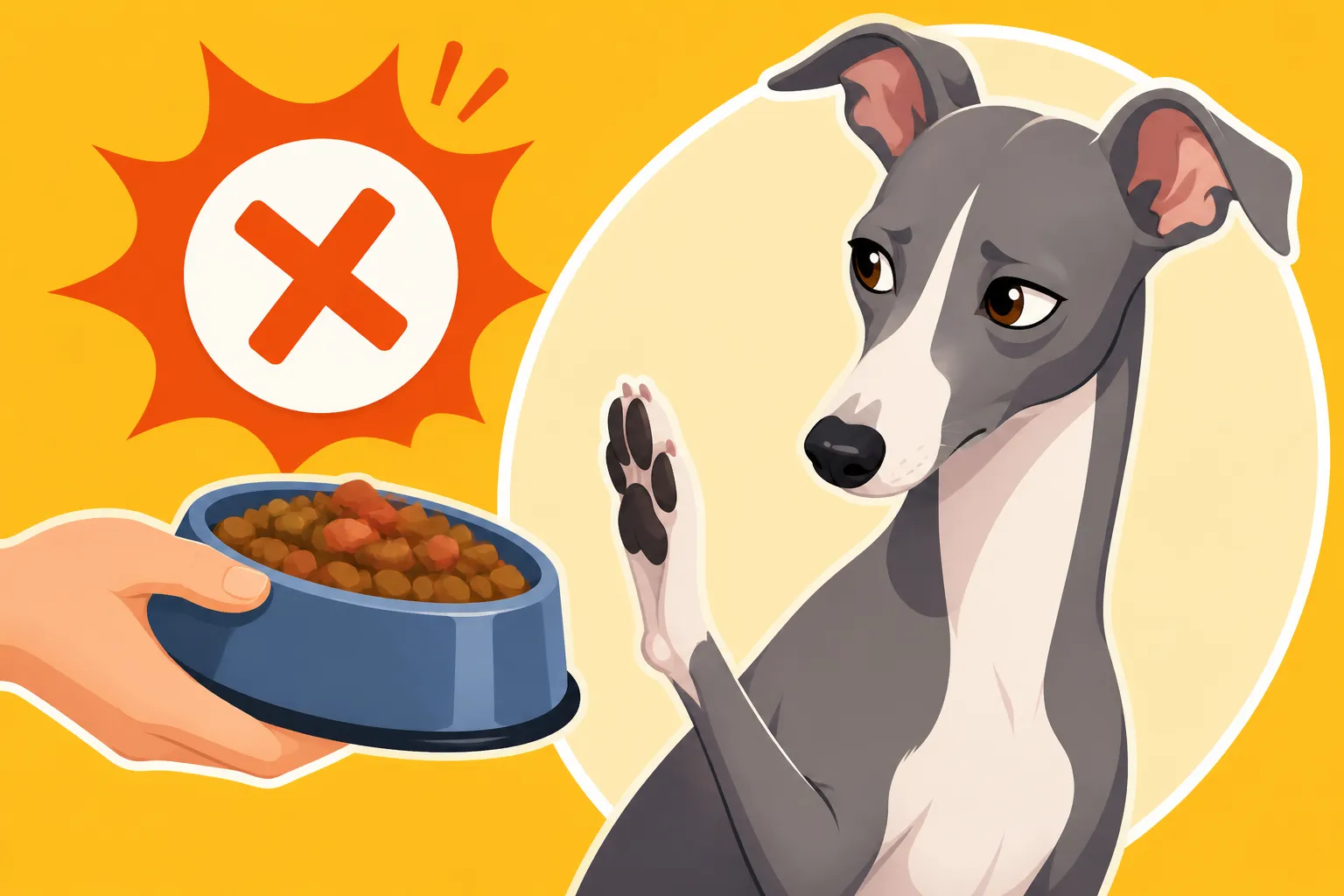
It can be incredibly frustrating and even a little scary when your beloved Italian Greyhound suddenly turns their nose up at dinner. One moment they're dancing at your feet, eyes fixed on the bowl, and the next, they're sniffing disdainfully and walking away. This guide is here to help you unravel the mystery of why your Italian Greyhound might be refusing their dinner and what steps you can take to encourage them to eat, from understanding their unique breed traits to identifying potential health concerns.
Understanding the Italian Greyhound's Unique Eating Habits
Italian Greyhounds are certainly unique little creatures, and their eating habits often reflect that. It's not always about being "picky" in the way a human might be; sometimes, it's just how their delicate systems are wired. Understanding these intrinsic traits can help you manage expectations and approach mealtime with a bit more patience.
Their Tiny Stomachs and High Metabolism
One of the most common reasons an Italian Greyhound might seem to "refuse" dinner is simply that their stomach is quite small, and they fill up faster than you might expect. These aren't big, hearty eaters built for massive portions. They have a very high metabolism, burning through calories quickly, but that doesn't necessarily translate into a massive appetite at any single sitting. They often prefer several small meals throughout the day rather than one or two large ones. What looks like disinterest might actually be a satisfied little tummy saying, "I've had enough for now!" It's crucial to remember that they are built light and lean, and you shouldn't be aiming for a chunky dog. A healthy Italian Greyhound should have a visible tuck-up and you should be able to feel their ribs easily without them being sharply prominent. Feeding an Italian Greyhound That Carries Seventeen Percent Body Fat discusses this balance in more detail.
The Sighthound "Finickiness" Factor
Let's be honest, Italian Greyhounds are often labeled as finicky, and sometimes, the label sticks for a reason. They can be incredibly sensitive to changes in their food, their environment, or even their mood. A dog that devoured its breakfast might suddenly decide the exact same dinner isn't appealing. This isn't usually a malicious act of defiance; it's often rooted in their sensitive nature. Strong smells, odd textures, or even just being a bit "off" can turn them away. It's a bit like a human with a sensitive palate – sometimes what worked yesterday just doesn't hit the spot today. This can be a real source of frustration for owners who just want their beloved pet to eat consistently.
Why Body Fat Content Matters
Italian Greyhounds are known for their incredibly lean build, often carrying only around seventeen percent body fat. This low body fat percentage means they don't have a lot of reserves to draw upon if they skip meals. While a day or two of reduced appetite might not be a huge concern for a heftier breed, for an Italian Greyhound, it can quickly lead to weight loss and even issues with regulating body temperature. Their delicate frame means every calorie counts, and consistent refusal of food can become a more urgent issue. This is why paying close attention to their eating habits, and not just shrugging off a missed meal, is so important. When you consider Why an Italian Greyhound Carries Almost No Body Fat, it becomes clear why monitoring their intake is vital.
Common Reasons Your Italian Greyhound Might Be Skipping Meals
Beyond their inherent breed characteristics, there are many practical reasons why your Italian Greyhound might be giving their dinner the cold shoulder. Pinpointing the cause is the first step toward finding a solution.
Stress, Anxiety, or Environmental Changes
Italian Greyhounds are famously sensitive. Any change in their routine or environment can trigger anxiety, and a common manifestation of stress in dogs is a reduced appetite. Have you recently moved? Is there a new pet or person in the house? Are you hosting guests? Even subtle shifts like new furniture, a different schedule, or construction noise outside can make them feel uneasy. Their comfort and sense of security are paramount, and if those are disturbed, their focus shifts from food to coping with the perceived threat or discomfort. This sensitivity is also why things like car rides or visits to the vet can make them not want to eat, a bit like how some people lose their appetite when nervous. They might even refuse to eat if you're upset or stressed, picking up on your emotions. Why an Italian Greyhound Follows You Room to Room highlights just how connected they are to their people and environment.
Dental Pain and Oral Issues
This is a huge one for Italian Greyhounds. They are notoriously prone to dental problems, and a painful mouth can make eating incredibly difficult and unappealing. Their long, narrow muzzles mean their teeth are often crowded, leading to plaque, tartar buildup, gum disease, and ultimately, painful tooth decay and loss. Imagine trying to eat your favorite meal with a throbbing toothache – it's just not going to happen. If your Italian Greyhound is hesitating to chew, dropping food, showing signs of pain when you touch their face, or has unusually bad breath, a dental issue is a prime suspect. Periodontal Disease Is the Italian Greyhound's Most Common Diagnosis is an excellent resource for understanding this prevalent issue. Regular dental check-ups and cleanings are not just a recommendation; they are a necessity for this breed.
Digestive Upset or Food Sensitivities
Sometimes, the refusal to eat is simply their body telling them something isn't quite right internally. They might have an upset stomach from eating something they shouldn't have (even a tiny crumb can affect them), or they might be developing a sensitivity to their current food. Symptoms like mild vomiting, soft stools, or excessive gas might accompany the lack of appetite. Some Iggies can be quite particular about certain ingredients, and a sudden change in food formula or even a new batch of treats could be the culprit. It's not uncommon for them to turn their nose up at food if they anticipate it causing them discomfort later.
Medical Conditions Beyond a Upset Tummy
While we hope it's always something minor, a persistent lack of appetite can also be a symptom of a more serious underlying medical condition. This could range from kidney disease or liver issues to more acute problems. Even something as subtle as joint pain might make it uncomfortable for them to stand over their bowl. If their refusal to eat is accompanied by other symptoms like lethargy, changes in thirst, unusual urination, or a fever, it's crucial to consult your veterinarian promptly. Early detection of conditions like Hypothyroidism in an Italian Greyhound or other illnesses can make a significant difference in treatment outcomes.
Too Many Treats or Scraps
Let's face it, those big, soulful Italian Greyhound eyes are hard to resist! It's easy to spoil them with treats, chews, or even table scraps. However, if they're filling up on these tasty (but often nutritionally imbalanced) extras throughout the day, they simply won't be hungry for their actual dinner. Many commercial treats, while appealing, don't offer the same nutritional value as their regular kibble or wet food. If your Iggy is getting a constant stream of little snacks, they're essentially choosing to eat the "dessert" instead of the "main course." This is a tough habit to break, but consistency is key.
Changes in Food or Routine
Italian Greyhounds thrive on routine. A sudden change in their food brand, flavor, or even the time you feed them can throw them off. They are creatures of habit, and inconsistencies can lead to reluctance. Similarly, if you've recently switched to a new food, they might genuinely not like the taste or texture. Even if it's a high-quality food, it doesn't mean your particular Iggy will approve. When introducing a new food, a gradual transition over several days is always recommended to avoid both digestive upset and outright refusal.
When to Worry: Signs Your Italian Greyhound's Pickiness Is a Problem
It's one thing for your Iggy to skip a meal once in a blue moon, but prolonged refusal to eat can be a serious concern due to their delicate constitution. Knowing when to simply encourage and when to seek professional help is vital.
Lethargy and Behavioral Changes
A primary indicator that your Italian Greyhound's lack of appetite is more than just pickiness is a noticeable change in their energy levels or overall behavior. Are they sleeping more than usual? Are they less interested in playing or going for walks? Do they seem withdrawn, clingy, or unusually quiet? Italian Greyhounds are typically quite energetic and affectionate; a sudden dip in these behaviors, especially when paired with food refusal, is a strong signal that something is wrong. They might also appear weak or unsteady, or even show signs of pain when moving.
Weight Loss and Body Condition
Because Italian Greyhounds carry so little body fat, weight loss can happen surprisingly quickly when they aren't eating adequately. If you notice their ribs becoming more prominent, their hips feeling bonier, or their tuck-up appearing more extreme, it's a clear sign their nutritional intake isn't meeting their needs. Regularly weighing your Italian Greyhound, perhaps weekly, can help you catch subtle weight loss before it becomes severe. Your veterinarian can also help you determine What an Italian Greyhound Should Weigh for their individual frame and age. Don't wait until they look emaciated; early intervention is crucial.
Vomiting, Diarrhea, or Other Gastrointestinal Symptoms
If your Italian Greyhound is not eating and is also experiencing vomiting, diarrhea, constipation, excessive drooling, or a distended abdomen, it's an immediate cause for concern. These symptoms, especially when combined with anorexia, point strongly towards a gastrointestinal issue, an infection, or another underlying medical problem that requires prompt veterinary attention. Dehydration can set in quickly, and for a small, lean dog, this can be very dangerous. Keep a close eye on the frequency and nature of these symptoms to provide your vet with as much information as possible.
Persistent Refusal to Eat
While a single missed meal might not be a red flag, if your Italian Greyhound consistently refuses all meals for 24 hours or more, or eats only a tiny fraction of their normal intake over a couple of days, it's time to call the vet. This is especially true for puppies or senior Italian Greyhounds, who are often more vulnerable to nutritional deficiencies. A persistent lack of appetite should never be ignored, as it can be the first, and sometimes only, visible symptom of a serious health issue developing beneath the surface. Trust your gut feeling as an owner – if you're worried, it's always best to get a professional opinion.
Strategies for Encouraging a Fussy Italian Greyhound to Eat
Once you've ruled out immediate medical emergencies with your vet, there are many proactive steps you can take to make mealtime more appealing for your discerning Italian Greyhound.
Making Mealtime a Positive Experience
For many Iggies, mealtime isn't just about food; it's about the entire experience. Create a calm, quiet, and consistent feeding environment. Feed them at the same time each day, in the same location, away from distractions. Some Italian Greyhounds prefer to eat alone, without other pets hovering. Praise them gently when they approach their bowl. You can try feeding them from a puzzle feeder or a snuffle mat to engage their minds, which can sometimes stimulate their appetite. For Iggies that are anxious, just sitting with them quietly while they eat can make a huge difference, offering them a sense of security.
Here's a quick comparison of feeding styles:
| Feeding Style | Pros | Cons | Ideal For |
|---|---|---|---|
| Free-Feeding | Dog eats when hungry, less pressure | Hard to monitor intake, can lead to overeating/pickiness | Iggies who self-regulate well, owners with unpredictable schedules |
| Scheduled Meals | Easy to monitor intake, establishes routine | Can create mealtime anxiety if dog feels pressured | Most Iggies, especially those needing weight management or with health issues |
| Puzzle Feeders/Snuffle Mats | Mental stimulation, slows eating, makes meal fun | Can be frustrating for very finicky dogs, requires supervision | Iggies who enjoy mental challenges, fast eaters |
| Hand-Feeding | Builds bond, useful for very anxious or sick dogs | Can create dependency, time-consuming | Temporary measure for sick/anxious dogs, puppies |
Experimenting with Food Types and Preparations
Sometimes, a change of pace is all it takes. If you're currently feeding dry kibble, consider mixing in a little warm water, low-sodium broth, or a dollop of wet food. This can enhance the aroma and texture, making it more palatable. Brands like Ollie offer fresh, human-grade dog food that many picky eaters find irresistible due to its palatable ingredients and soft texture. You might also find a wide variety of high-quality wet foods or toppers on Chewy that can tempt even the fussiest eater. Just remember to introduce new foods gradually to avoid upsetting their delicate stomachs. If your Italian Greyhound has very few teeth due to their predisposition to dental disease, softening their food or switching to a wet diet is essential. How an Italian Greyhound Eats With No Teeth elaborates on this specific challenge.
Managing Treats and Scraps
This is often the hardest part for us, the owners! To truly assess if your Italian Greyhound is refusing dinner because they're genuinely not hungry or simply holding out for something better, you need to be firm about limiting treats and table scraps. Only offer a small, measured amount of high-value training treats for good behavior, and completely cut out human food scraps. If they're truly hungry, they'll eventually eat their balanced dog food. It takes consistency and a strong will on your part, especially when those big eyes are staring up at you! Remember, even tiny bits of human food can disrupt their delicate digestion and appetite for their regular meals.
Creating a Consistent Routine
Italian Greyhounds thrive on predictability. Establishing a consistent feeding routine – serving meals at the same time and in the same place every day – can help regulate their appetite and reduce anxiety. If they know exactly when to expect their food, their digestive system and hunger cues can become more reliable. Avoid leaving food down all day, as this can lead to boredom with the food and make them less enthusiastic when it is offered. Pick up any uneaten food after 15-20 minutes. This teaches them that mealtime is a specific window of opportunity. Over time, this consistent approach can work wonders in Getting a Picky Italian Greyhound to Eat more reliably.
Disclaimer
This article is for general informational purposes only and does not constitute professional advice. Laws, prices and regulations vary by location and change over time. Consult a qualified professional for guidance on your specific situation.