How Often an Italian Greyhound’s Ears Need Checking
One of the lesser-talked-about aspects of Italian Greyhound care, but no less critical, is keeping an eye on those adorable rose ears. Many new owners, and even some seasoned ones, might overlook the importance of regular ear checks, only to find themselves grappling with a painful infection down the line. It's easy to assume that if a dog isn't scratching, all is well, but with the delicate nature of Italian Greyhounds and their specific ear structure, a proactive approach is key to preventing discomfort and costly vet visits. This guide will walk you through why routine ear inspections are so vital for your Italian Greyhound, how often you should be checking them, and what specific signs to look for that might signal trouble brewing.
Why Consistent Ear Care Is Crucial for Italian Greyhounds
Italian Greyhounds are often praised for their sleek coats and minimal shedding, which can sometimes lead owners to believe they're a low-maintenance breed when it comes to grooming. While their coat might be easy, other areas require diligent attention, and their ears are certainly one of them. Unlike breeds with erect ears that allow for excellent air circulation, Italian Greyhounds have those charming "rose" ears that fold back, creating a warm, cozy environment where moisture and debris can easily get trapped. This setup is practically an open invitation for bacteria and yeast to flourish, making them more susceptible to ear infections than many other breeds.
The Unique Italian Greyhound Ear Structure
Imagine a tiny, delicate tunnel, often covered by fine, velvety fur. That's essentially the external ear canal of an Italian Greyhound. Their rose ears, while beautiful, naturally fall back against their head, covering the opening of the ear canal. This design means that airflow is restricted, which is a prime factor in creating a humid microclimate within the ear. Humidity, especially combined with warmth, is a perfect breeding ground for various microorganisms. A slight change in diet, an allergen in the air, or even a tiny splash of water during a bath can upset the delicate balance in that environment, setting the stage for trouble.
Furthermore, their skin is incredibly fine and delicate, much like their general physique, which means any irritation can quickly become exacerbated. Cuts, Scrapes and an Italian Greyhound's Paper Thin Skin is a testament to how sensitive their skin can be, and the inside of their ears is no exception. Swelling or inflammation can occur rapidly, leading to increased pain and a faster progression of an infection.
Common Ear Issues to Watch For
The most frequent culprit we see in Italian Greyhound ears is otitis externa, which is simply inflammation of the external ear canal. This can be caused by a variety of factors, including bacteria, yeast, ear mites (though less common in well-cared-for indoor Iggies), foreign bodies like grass awns, allergies, or even excessive wax buildup.
Allergies are a surprisingly common underlying cause. Just like humans can get seasonal sniffles, dogs can manifest allergies through their skin, and often, the ears are the first place to show symptoms. If your Italian Greyhound experiences recurrent ear infections, it’s worth discussing potential environmental or food allergies with your vet. Another issue is excessive ear wax. While a normal amount of wax is protective, too much can trap debris and moisture, leading to blockages and infections. This is especially true for our Iggies with their narrow ear canals. Neglecting regular checks and cleanings can quickly escalate a minor irritation into a full-blown, painful infection that requires veterinary intervention. Knowing How Often an Italian Greyhound Gets Ear Infections can give you a baseline for how common this issue truly is in the breed.
How Often to Check Your Italian Greyhound's Ears
When it comes to ear care for Italian Greyhounds, consistency is far more important than sporadic, intense sessions. Think of it as part of their daily routine, much like a quick cuddle or a treat. While a full, deep inspection doesn't need to happen every single day, keeping an eye on them daily can catch problems before they become severe.
Daily Visual Scans and Gentle Touches
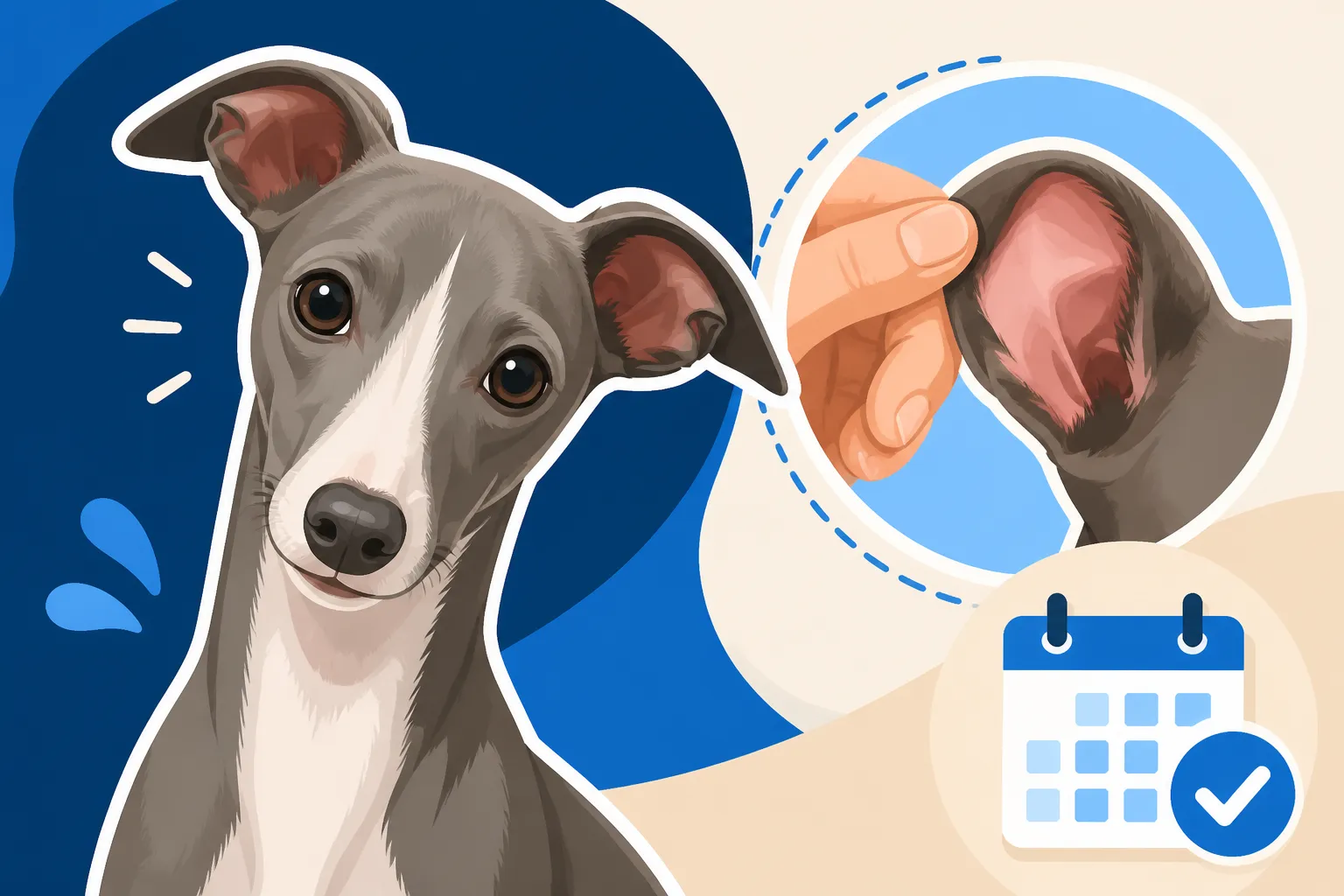
Every day, during your morning or evening cuddle session, take just a few seconds to gently lift your Italian Greyhound's ears and take a peek. You're not looking for microscopic details at this point, but rather for obvious red flags. Look for any redness, swelling, or discharge that wasn't there yesterday. Notice if the ear flap itself feels warm to the touch.
As you pet your Iggy, gently run your fingers around the base of their ears and lightly squeeze the ear flap. Are they reacting sensitively? Do they flinch or pull away? This casual daily check isn't meant to be invasive; it's simply a habit to establish a baseline for what "normal" looks and feels like for your dog. If your Iggy is one who tends to hide pain, as many sighthounds do, these subtle daily cues can be your first warning. For more on this, you might find How an Italian Greyhound Hides Pain insightful.
Weekly Deep Dives
Once a week, you'll want to commit to a more thorough inspection and gentle cleaning. This is your chance to really get in there (as much as you safely can without a vet's tools).
Here's a simple routine for your weekly check:
- Find good lighting: Natural light is best, or a well-lit room.
- Gather your supplies: Cotton balls or gauze, and a vet-approved ear cleaning solution (ask your vet for a recommendation). Brands like Vet's Best or Zymox are often available on Chewy or Amazon.
- Position your Iggy: Make them comfortable. A treat can go a long way in making this a positive experience.
- Lift the ear flap: Gently hold it open and visually inspect the entire outer ear and as much of the canal as you can see. Look for:
- Color: Should be a healthy pale pink, not red or inflamed.
- Discharge: Should be minimal to non-existent. Any dark, waxy, pus-like, or foul-smelling discharge is a red flag.
- Odor: Healthy ears have very little to no smell.
- Hair: While Italian Greyhounds have very little hair in their ears, excessive hair growth inside the canal can sometimes be an issue for some dogs, though less common for Iggies.
- Clean gently: If there's some minor dirt or a bit of waxy buildup, moisten a cotton ball with the ear cleaning solution and gently wipe the visible parts of the ear. Never use cotton swabs (Q-tips) inside the ear canal, as this can push debris further in or damage the delicate structures. For a deeper dive into this, see Cleaning an Italian Greyhound's Folded Ears.
When to Increase Frequency
Certain situations warrant more frequent ear checks, perhaps even daily thorough inspections:
- After baths or swimming: Water can get trapped in the ear canal, increasing moisture and the risk of infection. Always make sure to gently dry your Iggy's ears after they get wet.
- During allergy season: If your Italian Greyhound suffers from environmental allergies, their ears may be more prone to inflammation and infection when pollen counts are high.
- After playing in dusty or dirty environments: Any time debris could have entered the ears, a quick check and gentle wipe are a good idea.
- If you notice any subtle changes: Even a slight increase in ear scratching, head shaking, or a different odor should prompt more vigilant daily checks until the issue resolves or you consult your vet.
What to Look and Smell For During Ear Checks
Being observant is your superpower as an Italian Greyhound owner. Because they are so delicate and can be prone to certain issues, knowing what constitutes a healthy ear versus one that needs attention is paramount. It’s not just about what you see; your nose and your dog’s behavior can also tell you a lot.
Visual Cues of Healthy vs. Unhealthy Ears
A healthy Italian Greyhound ear should appear clean and relatively dry. The skin inside the ear flap and the visible part of the ear canal should be a pale, uniform pink color, similar to the inside of your own lip. There might be a minimal amount of light-colored earwax, which is completely normal and helps protect the ear. The fine hairs inside the ear canal should be sparse and clean.
Now, let's talk about what to worry about. If you see any of the following, it’s time to pay closer attention or contact your veterinarian:
- Redness or inflammation: The ear canal or flap appears bright red, hot, or swollen.
- Discharge: Any brown, black, yellow, or greenish discharge is concerning. The texture can vary from waxy to pus-like. Dark, crumbly debris often indicates ear mites, while yellow or green pus usually points to a bacterial infection.
- Scabs or crusts: These can indicate scratching, irritation, or an underlying skin condition.
- Excessive earwax: While a little is normal, heavy, dark, or foul-smelling wax buildup is not.
- Hematoma: A blood-filled swelling on the ear flap, often caused by vigorous head shaking due to an underlying itch or pain.
The Scent Test
This might sound a bit odd, but your nose is an excellent tool for detecting early signs of an ear infection. Healthy Italian Greyhound ears should have a very faint, almost neutral smell. If you pick up on any strong, unpleasant odors – especially yeasty, sweet, or foul smells – it's a huge red flag. A common analogy is a "dirty sock" smell, which often points to a yeast infection. Bacterial infections can smell more pungent or putrid. Trust your instincts here; if it smells "off" to you, it probably is.
Behavioral Indicators of Ear Discomfort
Your Italian Greyhound's behavior is often the clearest indicator that something is amiss, especially since they are masters at hiding pain. Look out for these signs:
- Frequent head shaking: This is usually one of the first signs of discomfort.
- Excessive scratching: Your Iggy might repeatedly scratch at their ears with a back paw or rub their head along furniture or the carpet.
- Tilting or holding their head to one side: This suggests pain in one specific ear.
- Reluctance to have their head or ears touched: If they normally love head scratches but suddenly shy away, it's a strong sign.
- Whimpering or yelping when their ear is touched: Obvious pain.
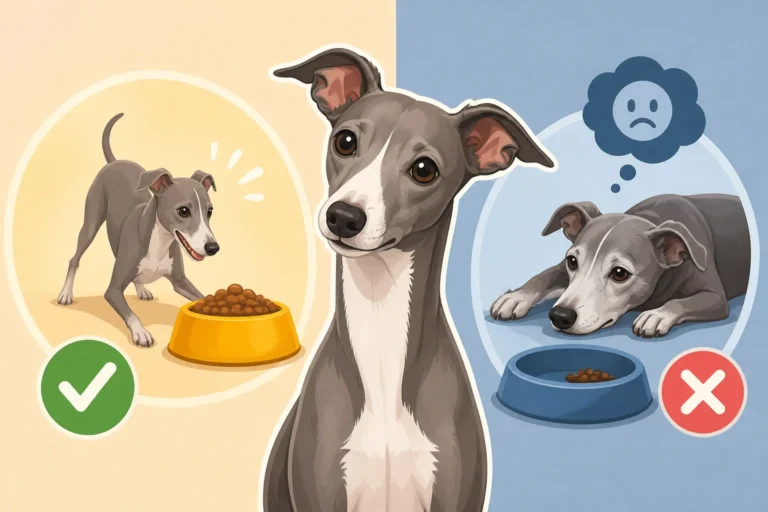
- Changes in mood or appetite: A dog in pain might become lethargic, withdrawn, or even a bit snippy. They might also lose interest in food, even delicious options like those from Ollie.
- Loss of balance or walking in circles: In severe cases, an inner ear infection can affect balance. This is a veterinary emergency.
| Symptom Category | Healthy Ear Signs | Unhealthy Ear Signs (Action Required) |
|---|---|---|
| Appearance | Pale pink, clean, minimal light wax | Redness, swelling, dark/waxy/pus discharge, scabs |
| Odor | Very faint, neutral | Yeasty, sweet, foul, pungent |
| Behavior | Tolerates touch, no scratching | Head shaking, scratching, head tilting, pain response |
When to Seek Professional Veterinary Help
While regular home checks and gentle cleaning are vital, there are definite times when your Italian Greyhound needs to see a professional. Waiting too long can turn a treatable condition into a chronic problem or lead to more severe health issues. Remember, What an Italian Greyhound's Annual Checkup Costs is well worth it for catching these kinds of issues early.
Red Flags for Immediate Vet Attention
Don't hesitate to call your veterinarian if you observe any of the following:
- Persistent Head Shaking or Scratching: If your Iggy continues to shake their head or scratch at their ears for more than a day or two, even after a gentle cleaning, it's time for a vet visit. This indicates ongoing irritation or infection.
- Foul Odor or Discharge: Any strong, unpleasant smell or visible discharge (brown, black, yellow, green) from the ear canal is a clear sign of infection and requires professional diagnosis and treatment.
- Redness, Swelling, or Pain: If the ear is visibly red, swollen, hot to the touch, or if your Italian Greyhound yelps or pulls away when you try to examine it, they're in pain and need veterinary care.
- Ear Hematoma: If you notice a fluid-filled swelling on the ear flap, often caused by repeated head shaking due to an underlying itch, this needs veterinary attention to drain and treat properly.
- Changes in Balance or Hearing: If your Italian Greyhound seems dizzy, walks in circles, or shows signs of hearing loss, this could indicate a serious inner ear infection or other neurological issue, requiring immediate veterinary intervention.
- Foreign Objects: If you suspect a foreign object (like a grass seed or burr) has entered the ear canal, do NOT attempt to remove it yourself, as you could push it deeper or cause damage. This is a job for a vet.
Your local vet, especially one who understands sighthound sensitivities – as discussed in What an Italian Greyhound's Vet Should Know Sighthounds – will be able to perform an otoscopic exam, which allows them to look deep into the ear canal and assess the eardrum. They can also take a sample of any discharge for cytology to determine whether the infection is bacterial, yeast, or both, and recommend the appropriate medication.
Preparing for a Vet Visit
When you call your vet, be prepared to describe the symptoms you've observed: how long they've been occurring, what the discharge (if any) looks like, how your dog is behaving, and if there have been any recent changes in diet or environment. This information helps your vet narrow down the possibilities and provide the most effective treatment.
It's also helpful to write down any questions you have beforehand, so you don't forget them in the moment. Remember that Italian Greyhounds are sensitive, and a vet visit can be stressful, so prepare to keep them calm and comfortable.
Prevention and Ongoing Ear Health Maintenance
Preventing ear issues is always preferable to treating them. A consistent routine, combined with paying attention to your Italian Greyhound's overall health, goes a long way in maintaining healthy ears throughout their life. It's part of the comprehensive care outlined in What an Italian Greyhound Needs Its Whole Life.
Gentle Cleaning Techniques
Regular, gentle cleaning is paramount, especially for a breed like the Italian Greyhound. You don't want to over-clean and strip the natural protective oils, but you do want to remove excess wax and debris before it causes problems.
Here’s a safe approach:
- Use a vet-approved cleaner: Always consult your vet for the best ear cleaning solution. They can recommend a product that's appropriate for your Iggy's specific needs and won't cause irritation. Many effective cleaners are readily available on platforms like Chewy or Amazon.
- Apply the solution: Hold your Italian Greyhound's ear flap upright. Carefully squirt a small amount of the cleaning solution directly into the ear canal, filling it just enough so you see a little liquid.
- Massage the base of the ear: Gently massage the base of the ear for 20-30 seconds. You should hear a squishy sound as the cleaner works its way around. This helps break up wax and debris.
- Allow them to shake: Let your Iggy shake their head – this is crucial as it helps dislodge and bring out the dissolved gunk. Stand back, you might get a little wet!
- Wipe clean: Use a fresh cotton ball or gauze to gently wipe away any visible solution, wax, and debris from the outer ear and the entrance of the canal. Remember, never insert anything into the ear canal itself.
- Repeat if necessary: If the ear is particularly dirty, you might need to repeat the process with fresh solution and cotton balls until the cotton comes out clean.
Consistency is key here, but don't overdo it. For most healthy Italian Greyhounds, once a week is a good rhythm for a full cleaning. If your vet advises more frequent cleaning due to a predisposition to infections, follow their specific instructions.
Environmental Factors
Your Italian Greyhound's living environment can also play a role in their ear health.
- Moisture control: After baths, swimming, or even walks in the rain, make sure to gently dry your Iggy's ears. A soft towel or even a low-setting hairdryer (held far away and cautiously) can help remove trapped moisture.
- Allergen management: If your Italian Greyhound has allergies, minimizing exposure to triggers can reduce ear inflammation. This might involve frequent vacuuming, using air purifiers, or avoiding certain outdoor areas during high pollen seasons. Discussing allergy testing with your vet can also be beneficial.
- Preventing foreign bodies: Be mindful when walking your Iggy in grassy or brushy areas, especially during seeding seasons. Grass awns or foxtails can easily work their way into the ear canal and cause serious problems. A quick check after walks can sometimes catch these before they burrow in.
Nutritional Support
A strong immune system and healthy skin barrier can help ward off ear infections. While not a direct treatment, good nutrition contributes significantly to overall health. Why an Italian Greyhound Carries Almost No Body Fat and has a delicate system means their diet is particularly important.
- High-quality diet: Feeding a balanced, high-quality dog food provides essential nutrients that support skin and coat health, which extends to the delicate skin in the ears. Brands like Ollie offer fresh, human-grade ingredients that can contribute to a healthier dog overall.
- Omega fatty acids: Supplements rich in Omega-3 fatty acids (like fish oil) can help reduce inflammation and improve skin barrier function, potentially making ears less prone to issues. Always discuss supplements with your vet before introducing them to your dog's routine.
By combining regular checks, appropriate cleaning, environmental awareness, and good nutrition, you can significantly reduce the risk of your Italian Greyhound suffering from uncomfortable and painful ear infections. Being proactive is the best way to keep those delicate rose ears healthy and happy.
Disclaimer
This article is for general informational purposes only and does not constitute professional advice. Laws, prices and regulations vary by location and change over time. Consult a qualified professional for guidance on your specific situation.