How Many Italian Greyhounds Break a Leg Before Two
Many new Italian Greyhound owners hold their breath, terrified of the day their delicate pup takes an unfortunate tumble. It’s a common, heartbreaking fear, especially given the breed’s propensity for fragile bones. This guide is here to shed light on how prevalent leg fractures are in young Italian Greyhounds and what you can realistically expect during their most vulnerable years, offering insights into protecting your cherished companion.
The Alarming Reality of Early Leg Fractures in Italian Greyhounds
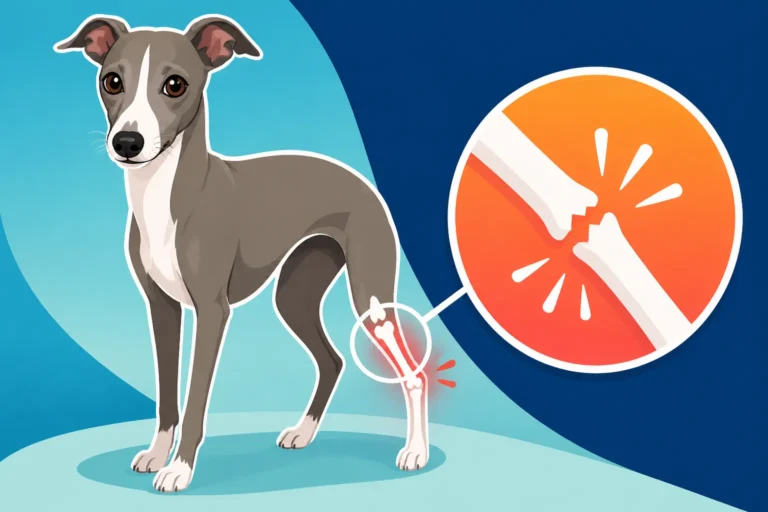
Let’s be honest: when you welcome an Italian Greyhound puppy into your home, the thought of a broken leg is probably lurking somewhere in the back of your mind. It’s a fear fueled by countless anecdotes and the breed's delicate reputation. The reality is, leg fractures are indeed a significant concern for Italian Greyhound owners, particularly during their formative years. While it's impossible to give an exact percentage that applies to every single Italian Greyhound puppy, veterinary specialists and breed enthusiasts widely acknowledge that a notable portion of Italian Greyhounds experience a fracture, often before they even reach two years of age.
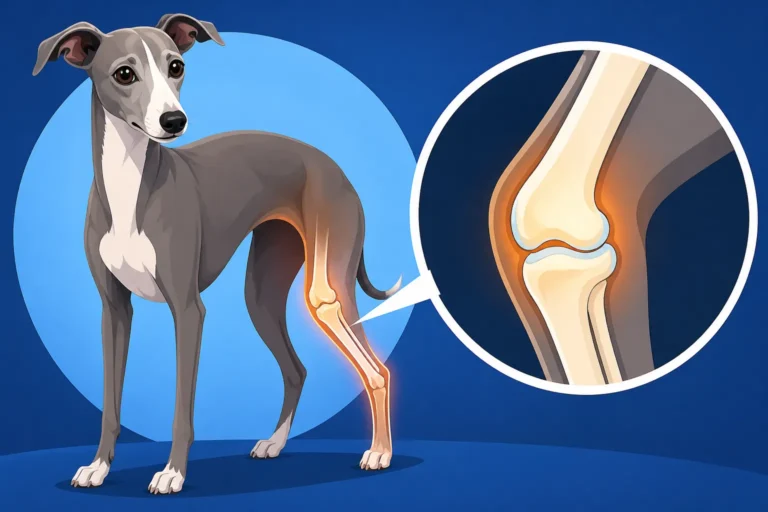
Think about it this way: these aren't your average sturdy, compact breeds. Italian Greyhounds possess an elegant, fine-boned structure that makes them incredibly agile and graceful, but also inherently fragile. Their long, slender legs, particularly the radius and ulna in their forelegs, are especially prone to injury. Many reputable breeders will tell you they’ve seen it happen, or know someone who has, despite all precautions. It’s a devastating experience, not just for the immediate trauma but for the long recovery and the financial strain. The goal here isn't to scare you, but to prepare you with knowledge, because preparedness is one of the best tools you have.
This vulnerability is compounded by the fact that young Italian Greyhounds are, well, puppies! They’re bundles of boundless energy, curiosity, and often, a complete lack of self-preservation. They leap off furniture without a second thought, engage in enthusiastic zoomies, and wrestle with an abandon that their tiny bones simply aren't designed to withstand. It's a cruel paradox: their playful spirit clashes with their physical fragility, making the period before two years old a veritable minefield of potential mishaps. Understanding this inherent risk is the first step in mitigating it.
Understanding the Unique Fragility of Young Italian Greyhounds
So, why are Italian Greyhounds, especially young ones, so susceptible to breaking a leg? It's not just a myth; there are very real anatomical and developmental reasons. Their delicate bone structure is fundamentally different from many other breeds. The long bones in their legs, particularly the radius and ulna in the front legs, are notably slender and often described as "glass bones" by those familiar with the breed. These bones simply don't have the robust thickness or density seen in other dogs, which makes them less resilient to impact or awkward landings. This inherent fragility explains Why an Italian Greyhound's Radius Is the Bone That Breaks more frequently than other bones.
Compounding this structural predisposition is the factor of growth plates. Puppies and young dogs have areas of soft, growing tissue at the ends of their long bones, known as growth plates. These plates don't fully close and harden until a dog reaches skeletal maturity, which in Italian Greyhounds, typically occurs around 12 to 18 months, though some can take a bit longer. Until these growth plates are fully fused, they represent a weaker point in the bone structure, making them more prone to fracture than the fully ossified bone of an adult. This period of open growth plates directly overlaps with the most rambunctious and fearless stages of puppyhood, creating a high-risk window where even a seemingly minor fall or twist can result in a serious break. This is why The Age an Italian Greyhound's Bones Finish Hardening is such a critical period to monitor closely.
Common scenarios that lead to these fractures in young Iggys are often surprisingly mundane, a testament to their bone delicacy. A common one is the seemingly innocent jump off a sofa, bed, or chair. What might be a harmless hop for a sturdier breed can exert undue stress on an Italian Greyhound's slender limbs. Another frequent cause is rough play, particularly with larger dogs who, despite their best intentions, can accidentally step on, knock over, or fall on a smaller, more fragile Italian Greyhound. Even a playful tussle with another Italian Greyhound, while usually safe, can sometimes result in an awkward movement that leads to a snap. You might be surprised to learn How an Italian Greyhound Usually Breaks Its Leg often involves everyday activities rather than extreme accidents. This is why many owners advocate for Restricting an Italian Greyhound Under Two and being particularly mindful of their environment and interactions during this critical development phase.
The "puppy brain" phenomenon also plays a huge role. Young Italian Greyhounds are fearless explorers. They don't assess risks the way an adult dog might; they just go for it! They'll attempt impressive leaps, dash headlong into situations, and engage in antics that their bodies aren't quite ready for. Their exuberance is part of their charm, but it's also a significant risk factor. This means owners must be extra vigilant, almost constantly anticipating potential hazards that the puppy itself is blissfully unaware of. It truly is a case of Why an Italian Greyhound's Leg Bones Break So Easily – it’s a combination of their unique anatomy, developmental stage, and boundless, sometimes reckless, energy.
Proactive Strategies to Protect Your Young Italian Greyhound
Given the inherent risks, protecting your young Italian Greyhound requires a proactive, multi-faceted approach. It’s not about stifling their joyful spirit, but about channeling it safely and minimizing environmental hazards. One of the most crucial steps you can take is to modify your home environment to remove temptation and mitigate risks. This means providing Ramps and Steps for an Italian Greyhound's Furniture wherever possible. Instead of allowing them to jump off the sofa or bed, teach them to use a ramp or steps, or gently lift them down yourself. Even a short fall can be catastrophic.
Supervision and careful play management are non-negotiable. During their puppy and adolescent months, never leave a young Italian Greyhound unsupervised, especially if they have access to high furniture. When it comes to playtime, be particularly mindful of their companions. While Italian Greyhounds often adore playing with other dogs, it's vital to ensure that playmates are gentle and aware of the Iggy's delicate build. Enthusiastic wrestling with a large, boisterous breed is a recipe for disaster. This is precisely Why an Italian Greyhound Puppy Should Not Wrestle Big Dogs. Consider structured playtimes in secure, soft environments, and always intervene if play gets too rough or high-energy.
When thinking about your Italian Greyhound's diet, there's a common misconception that extra calcium will strengthen their bones and prevent fractures. This is generally not true and can even be harmful. A balanced, high-quality puppy food specifically formulated for small breeds should provide all the necessary nutrients for healthy bone development. Supplementing with additional calcium without veterinary guidance can disrupt the delicate calcium-phosphorus balance in a growing puppy, potentially leading to skeletal problems rather than preventing them. Always consult your veterinarian before adding any supplements to your Italian Greyhound's diet.
Beyond preventative measures, preparing for the worst-case scenario is a responsible part of Italian Greyhound ownership. A Broken Leg Is the Emergency Every Italian Greyhound Owner Fears, and the financial burden can be immense. Emergency vet visits, specialist consultations, and surgery involving plates and pins can quickly run into thousands of dollars. This is where pet insurance becomes an invaluable tool. Companies like Healthy Paws offer comprehensive plans that can cover a significant portion of these unexpected costs, providing immense peace of mind. It’s a proactive step that can make a world of difference if your pup ever needs urgent care. When looking at insurance options, always check their coverage for accidents and orthopedic issues to ensure you’re adequately protected.
| Age Range (Approx.) | Risk Factors | Common Scenarios | Prevention Strategies |
|---|---|---|---|
| 8 weeks – 6 months | Open growth plates, high energy, poor coordination, developing awareness | Jumping off low furniture, puppy wrestling, accidental drops | Constant supervision, floor-level play, soft surfaces, gentle handling |
| 6 months – 18 months | Still developing growth plates (though closing), increasing confidence, higher jumps | Jumping off higher furniture, playing with larger dogs, sudden changes in direction at speed | Ramps/steps, controlled play, gated off risky areas, leash training |
| 18 months – 2 years | Growth plates mostly closed, continued high energy, testing limits | High jumps, roughhousing, outdoor hazards (uneven ground) | Reinforce safe habits, monitor exercise intensity, secure outdoor spaces |
Note: These are general guidelines. Each Italian Greyhound matures at its own pace, and vigilance is key throughout their early years.
What to Do If the Unthinkable Happens
Despite all your best efforts and careful planning, accidents can still happen. If you suspect your Italian Greyhound has broken a leg, recognizing the signs quickly is paramount. Look for sudden lameness, crying out in pain, holding the limb up, swelling, or an unnatural angle to the leg. Sometimes, however, a stoic Italian Greyhound might try to "walk it off" or hide their pain, so any persistent limping or reluctance to bear weight warrants immediate attention. Signs an Italian Greyhound Has Broken a Leg aren't always dramatic.
Your immediate action should be to stabilize the leg as gently as possible and get to an emergency veterinarian or your regular vet right away. Do not attempt to reset the bone yourself or apply excessive pressure. Keep your dog calm and still to prevent further injury. The faster you seek professional help, the better the prognosis for a successful repair.
Once at the vet, you'll likely face a series of diagnostic tests, including X-rays. Depending on the type and severity of the fracture, your vet may recommend a specialist orthopedic surgeon. What Fracture Repair Costs on an Italian Greyhound can be substantial, often ranging from several thousand dollars for a simple cast to upwards of $5,000-$8,000 or more for complex surgeries involving plates and screws. This is precisely why having pet insurance, perhaps from a provider like Healthy Paws, is so incredibly beneficial. A good policy can significantly ease the financial strain, allowing you to focus on your dog's recovery without the added stress of overwhelming bills. Remember, budgeting for an Italian Greyhound's unexpected medical needs, especially for potential fractures, is a crucial part of responsible ownership. This makes Budgeting for an Italian Greyhound's Broken Leg Before It Happens a conversation every owner should have with themselves.
The recovery process for a broken leg is often long and challenging, requiring strict crate rest and rehabilitation. While many Italian Greyhounds do make excellent recoveries and Whether an Italian Greyhound Regains Full Use of the Leg is often positive, it's a testament to their resilience and your dedicated care during a very tough time. The journey is demanding, but seeing your beloved Iggy return to their playful, elegant self is truly worth every effort.
Disclaimer
The information provided in this article is for general informational purposes only and is not intended as a substitute for professional veterinary advice. Always seek the advice of your veterinarian or other qualified animal health provider with any questions you may have regarding a medical condition or treatment for your Italian Greyhound.