Glaucoma in an Italian Greyhound
It's incredibly frustrating when our Italian Greyhounds, despite their seemingly delicate nature, face an invisible threat like glaucoma that can steal their sight and cause immense pain. You might be meticulously cushioning every jump to prevent a broken leg, only to find yourself blindsided by a rapid deterioration in their vision. This comprehensive guide is here to demystify glaucoma in Italian Greyhounds, helping you understand this serious eye condition, spot the crucial warning signs, and navigate the vital steps for diagnosis and treatment to ensure your beloved companion remains as comfortable and sighted as possible.
What Glaucoma Is and Why Italian Greyhounds Are Susceptible
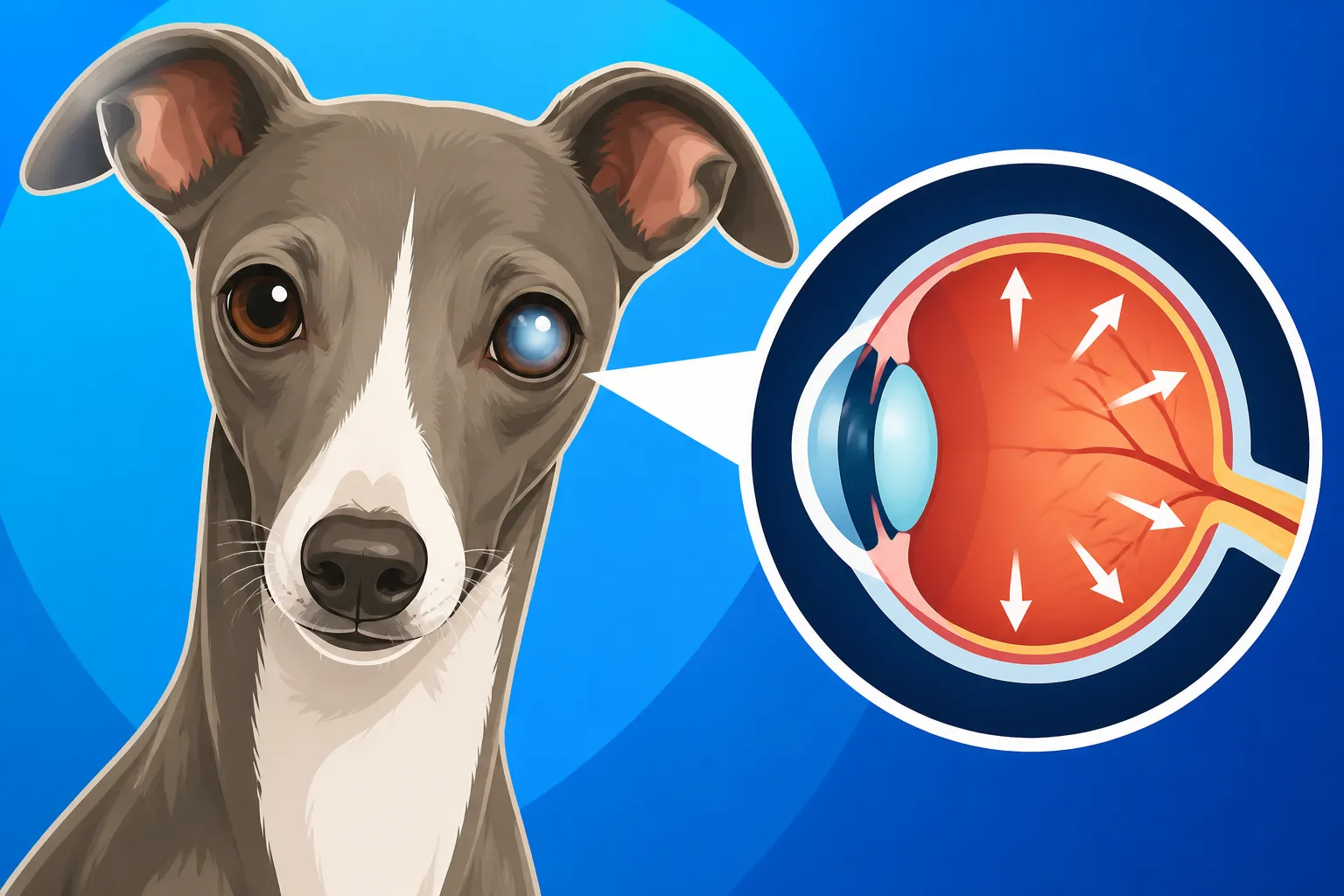
Glaucoma is a painful and progressive eye condition characterized by abnormally high pressure inside the eye, known as intraocular pressure (IOP). This elevated pressure can damage the optic nerve, which transmits visual information from the eye to the brain, eventually leading to irreversible blindness if not managed effectively. Think of it like a clogged drain in your sink; if the fluid can't drain properly, the pressure builds up, and eventually, the pipes burst or are permanently damaged. In the eye, the "pipes" are delicate structures like the optic nerve and retina.
There are primarily two types of glaucoma:
- Primary Glaucoma: This form is inherited and occurs due to an abnormality in the eye's drainage angle, preventing the aqueous humor (the fluid inside the eye) from flowing out correctly. This isn't caused by another disease but is a genetic predisposition. Unfortunately, Italian Greyhounds, like many sighthound breeds, are known to be genetically predisposed to certain eye conditions, including primary glaucoma. While not as universally prevalent as, say, luxating patellas, it's a known risk factor that responsible breeders often screen for. If you're looking into adding a new family member, understanding what health tests an Italian Greyhound breeder should show is paramount, and asking about eye health is a critical part of that conversation.
- Secondary Glaucoma: This type develops as a result of another underlying eye condition that interferes with fluid drainage. Common causes include inflammation inside the eye (uveitis), cataracts (especially advanced or complicated ones), retinal detachment, or even tumors. If your Italian Greyhound develops a condition like Cataracts in an Italian Greyhound, it’s crucial to monitor for signs that could lead to secondary glaucoma. Trauma to the eye can also trigger secondary glaucoma, making even a seemingly minor injury a cause for concern.
The reason Italian Greyhounds, among other breeds, are susceptible to primary glaucoma often lies in their specific ocular anatomy. While the exact genetic markers are still being extensively researched, it's understood that certain breed lines carry genes that can lead to malformed drainage angles. This means that even from a young age, their eyes might be silently building pressure. Recognizing this breed predisposition is vital for owners, as it underscores the importance of regular veterinary check-ups and being vigilant about any changes in your dog's eyes or behavior.
Recognizing the Urgent Signs of Glaucoma
One of the most heartbreaking aspects of glaucoma is how quickly it can progress, and how stoic our Italian Greyhounds can be in the face of pain. They are masters at masking discomfort, which means by the time obvious symptoms appear, significant damage might have already occurred. This is why understanding How an Italian Greyhound Hides Pain is so crucial; you need to be a detective for their well-being.
Symptoms of glaucoma can appear suddenly and severely (acute) or develop slowly and subtly over time (chronic). Both require immediate veterinary attention, but acute glaucoma is a true emergency.
Acute Glaucoma: A Veterinary Emergency
When glaucoma strikes acutely, the pressure inside the eye rises very rapidly, causing intense pain and potential blindness within hours. This isn't something that can wait until morning; it's a late-night run to the emergency vet.
- Sudden Eye Pain: Your Italian Greyhound might be rubbing its eye excessively, squinting, or holding the affected eye shut. They may become withdrawn, restless, or even snap if you try to touch their head.
- Redness of the Eye: The white part of the eye (sclera) will often appear noticeably red due to dilated blood vessels. This isn't just a slight pinkness, but often a deep, angry red.
- Cloudy or Bluish Appearance to the Cornea: The clear outer layer of the eye, the cornea, might take on a hazy, bluish, or cloudy look. This happens as the high pressure causes fluid to seep into the corneal layers.
- Dilated Pupil: The pupil of the affected eye might appear larger than the other and may not respond to light normally.
- Changes in Behavior: Due to severe headache-like pain, your Italian Greyhound might be lethargic, refuse to eat, or seem disoriented. They might bump into furniture, especially on the side of the affected eye. This confusion can sometimes be mistaken for something else, but if combined with eye symptoms, it's a red flag.
- Bulging Eyeball: In severe, advanced cases, the eyeball itself might appear noticeably larger or pushed forward (buphthalmia).
Chronic Glaucoma: Subtle, Progressive Changes
Chronic glaucoma develops more slowly, with gradual increases in eye pressure over weeks, months, or even years. The signs can be less dramatic, making them easier to miss, but the outcome is just as devastating without intervention.
- Gradual Vision Loss: This is often noticed first as subtle clumsiness, particularly in dim light or unfamiliar surroundings. They might hesitate on stairs, or startle more easily when approached from one side. Owners sometimes attribute these Signs an Italian Greyhound Is Losing Night Vision to aging, but it can be a sign of slow-onset glaucoma.
- Persistent Eye Redness: A milder, but ongoing redness in the white of the eye can be a sign of chronic inflammation and pressure.
- Enlarged Eye (Buphthalmia): Over time, the sustained pressure can stretch the eyeball, causing it to gradually enlarge. You might notice one eye looking slightly bigger than the other.
- Corneal Changes: The cornea might develop a subtle haze, or even fine, spiderweb-like lines (Haab's striae) due to microscopic tears from stretching.
- Loss of Blink Reflex: In very advanced cases where vision is severely compromised, the blink reflex might be diminished.
- Behavioral Adaptation: Italian Greyhounds are incredibly adaptable. If the vision loss is gradual, they may learn to navigate their environment by relying more on hearing and smell, making it harder for you to notice the extent of the vision loss until it's quite advanced.
It's clear that vigilance is key. Any unusual eye appearance, redness, squinting, or change in your Italian Greyhound's behavior should warrant an immediate call to your veterinarian. Remember, early detection can make all the difference in preserving their sight and comfort.
| Symptom Category | Acute Glaucoma | Chronic Glaucoma |
|---|---|---|
| Onset | Sudden, within hours | Gradual, over weeks, months, or years |
| Pain Level | Severe, intense | Mild to moderate, often subtle or intermittent |
| Eye Redness | Prominent, deep red, often with dilated vessels | Mild, persistent, may be easily overlooked |
| Cornea Appearance | Hazy, bluish, cloudy (corneal edema) | Subtle haze, possible fine lines (Haab's striae) |
| Pupil | Dilated, fixed, unresponsive to light | May be slightly dilated or normal in early stages |
| Eyeball Size | May appear slightly larger due to swelling, or normal | Gradually enlarges over time (buphthalmia) |
| Vision Loss | Rapid, often leading to blindness within hours/days | Slow, progressive, dog may adapt well initially |
| Behavior | Lethargy, disorientation, rubbing eye, hiding, pain | Increased bumping into objects, hesitation on stairs, startling |
Diagnosing and Treating Glaucoma in Your Italian Greyhound
If you suspect your Italian Greyhound is showing signs of glaucoma, don't delay – get to your veterinarian immediately. Time is critical, especially with acute cases, as every hour matters in trying to save their vision. Your regular vet can perform initial checks, but often, a referral to a veterinary ophthalmologist (an eye specialist) is necessary for definitive diagnosis and specialized treatment.
The Diagnostic Process
- Comprehensive Ocular Examination: The vet will examine both eyes thoroughly, checking for redness, discharge, cloudiness, pupil size and response, and any signs of trauma or inflammation.
- Tonometry: This is the most critical diagnostic test for glaucoma. A device called a tonometer is used to measure the intraocular pressure (IOP) directly. It's quick, painless, and usually doesn't require sedation. Normal IOP for dogs typically ranges from 10-25 mmHg. Readings consistently above this, especially with clinical signs, strongly indicate glaucoma. This is often part of a routine Whether an Italian Greyhound Needs a Yearly Eye Exam as they age, highlighting its importance.
- Gonioscopy: A veterinary ophthalmologist will perform this test to examine the drainage angle of the eye using a special contact lens. This helps determine if the glaucoma is primary (due to an abnormal angle) or secondary (due to a blockage or other issue).
- Ophthalmoscopy: Using an ophthalmoscope, the vet will look into the back of the eye to assess the optic nerve and retina for damage caused by the high pressure. This helps gauge the severity and prognosis.
Treatment Approaches: Medical and Surgical
The goal of glaucoma treatment is twofold: to reduce intraocular pressure and to manage pain. Unfortunately, glaucoma cannot be cured, but it can often be managed to preserve vision and quality of life for as long as possible. Given the emergency nature and potential for specialist intervention, budgeting for unexpected vet bills is important. What an Italian Greyhound's Emergency Vet Visit Costs can be significant, making pet insurance from providers like Healthy Paws a wise consideration for many owners.
Medical Management (Topical and Oral Medications):
For both acute and chronic cases, medication is usually the first line of defense to lower eye pressure.
- Topical Eye Drops: These are the most common treatments and often involve several different types:
- Prostaglandin Analogs (e.g., latanoprost): These drugs increase the outflow of aqueous humor, effectively "draining" the eye. They are very potent and often used in acute cases.
- Carbonic Anhydrase Inhibitors (e.g., dorzolamide, brinzolamide): These drops reduce the production of aqueous humor.
- Beta-Blockers (e.g., timolol): These also decrease fluid production.
- Oral Medications: In severe or acute cases, oral carbonic anhydrase inhibitors (e.g., methazolamide) might be prescribed for a short period to rapidly lower pressure, especially before or after surgery.
- Pain Relief: Since glaucoma is painful, your vet will also prescribe pain medication (NSAIDs or other analgesics) to keep your Italian Greyhound comfortable.
Medical management often requires diligent, frequent administration of multiple eye drops, sometimes every few hours in acute phases, which can be challenging for owners and dogs alike.
Surgical Interventions:
When medical management fails to control the pressure or preserve vision, surgery becomes the next option.
- Laser Cyclophotocoagulation: This procedure uses a laser to destroy part of the ciliary body, the tissue that produces aqueous humor. It's often effective in reducing fluid production and therefore eye pressure. It's typically performed by a veterinary ophthalmologist.
- Vitreous Degeneration in an Italian Greyhound is a separate concern, but any surgical intervention in the eye needs careful consideration of existing ocular health.
- Gonioimplant (Drainage Shunt): A small tube or shunt is surgically implanted to create an alternative pathway for fluid drainage from the eye.
- Evisceration with Intraocular Prosthesis: If the eye is blind and painful but otherwise healthy, the internal contents of the eye are removed, and a silicone prosthesis is implanted, preserving the cosmetic appearance of the eye.
- Enucleation (Eye Removal): This is often considered for eyes that are permanently blind, severely painful, and unresponsive to other treatments. While it sounds drastic, removing a chronically painful eye can significantly improve your Italian Greyhound's quality of life. It completely eliminates the source of pain and allows them to adjust to life with one eye, which many dogs do remarkably well.
The choice of treatment depends on many factors, including the type of glaucoma, the stage of the disease, the presence of vision, the dog's overall health, and the owner's financial capabilities. Costs for ongoing medication and potential surgeries can add up, so having a robust pet insurance plan, such as those offered by Healthy Paws, can certainly alleviate some of the burden.
Living with Glaucoma and Long-Term Management
Navigating life with an Italian Greyhound diagnosed with glaucoma is a long-term commitment. It requires ongoing vigilance, consistent medication, and a willingness to adapt as their needs change. The goal is always to maintain their comfort and quality of life. Even if one eye is lost, focusing on the health of the remaining eye is paramount.
Ongoing Monitoring and Proactive Care:
After diagnosis, regular recheck appointments with your vet or ophthalmologist will be scheduled to monitor eye pressure, assess optic nerve health, and adjust medications as needed. These might be weekly, then monthly, depending on stability. Given that What an Italian Greyhound Costs Per Month already factors in routine care, adding ongoing glaucoma management requires careful budgeting.
- Daily Eye Drop Routine: Consistency is key. You'll need to administer eye drops as prescribed, often several times a day, for the remainder of their life. This can be challenging, but establishing a routine and using positive reinforcement can make it easier.
- Monitoring the "Good" Eye: If glaucoma is diagnosed in one eye, especially primary glaucoma, the other eye is at a very high risk of developing it too. Proactive treatment with preventative drops in the healthy eye may be recommended by your ophthalmologist to delay or prevent its onset. Regular What an Italian Greyhound's Annual Checkup Costs should always include a tonometry check, even for the unaffected eye, especially in a predisposed breed.
- Recognizing Pain: Even with medication, flare-ups of pain can occur. Be attuned to subtle signs of discomfort like decreased appetite, lethargy, reluctance to play, or increased head rubbing. Your vet may prescribe additional pain relief for these instances.
Adapting to Vision Loss and Ensuring Safety:
If your Italian Greyhound experiences partial or complete vision loss, they can still live a full and happy life with some adjustments from you. Remember, dogs adapt incredibly well.
- Maintain a Consistent Environment: Avoid rearranging furniture or leaving obstacles in their usual paths. This helps them create a mental map of their home.
- Safety Barriers: Use baby gates to block off stairs or dangerous areas, especially if their vision is severely compromised.
- Verbal Cues: Use verbal commands like "step up," "watch out," or "this way" to guide them.
- Scent Markers: Some owners use different scents (e.g., vanilla extract or essential oils on cotton balls) to mark furniture or doorways, helping their dog navigate.
- Outdoor Safety: Always keep your Italian Greyhound on a leash when outside, even in a fenced yard, to prevent them from running into danger. Their strong prey drive means that Why an Italian Greyhound Cannot Be Trusted Off Leash, Ever is a critical rule, and it becomes even more so with vision impairment.
- Comfort and Companionship: Continue to provide plenty of cuddles and reassurance. Italian Greyhounds thrive on companionship, and even if they can't see you, they will feel your presence and love. For older Iggys, Caring for an Italian Greyhound Past Eleven often means addressing multiple health concerns, and vision loss can certainly be one of them.
Prognosis and Quality of Life:
The prognosis for glaucoma varies greatly depending on the type, stage at diagnosis, and response to treatment. While permanent vision loss can occur, early and aggressive intervention can often save vision or significantly delay its progression. Even with blindness, most Italian Greyhounds adjust incredibly well, especially with dedicated owners. Their other senses become heightened, and they learn to rely on familiar routines and environments.
It's a testament to their resilient spirit that Italian Greyhounds, despite health challenges like glaucoma, can often live a good long life. The How Long an Italian Greyhound Lives on Average is quite respectable for a purebred dog, and proactive care, even for conditions like glaucoma, contributes significantly to those healthy years. Your commitment to their care, attention to detail in their daily routines, and willingness to consult with specialists when needed are the cornerstones of ensuring your Italian Greyhound maintains the best possible quality of life, even with glaucoma.
Disclaimer
This article is intended for informational purposes only and does not constitute medical advice. Always consult with a qualified veterinarian for any health concerns or before making any decisions about your pet's health or treatment plan.