Whether an Italian Greyhound Needs a Yearly Eye Exam
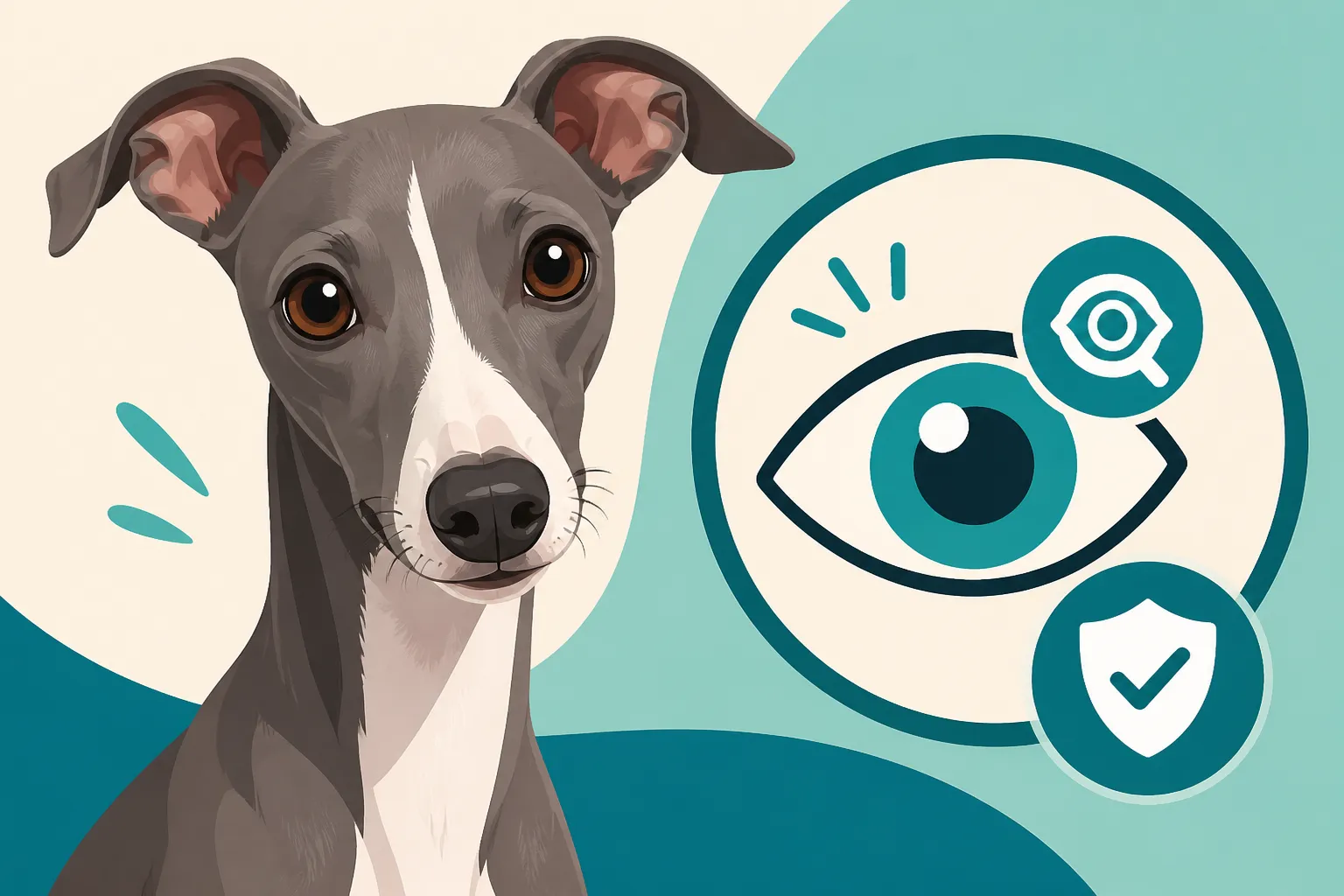
As Italian Greyhound owners, we're acutely aware of just how delicate and precious our little shadows are, and that extends right to their bright, expressive eyes. It's a common worry to wonder if we're doing enough to protect their vision, especially with all the breed's unique health considerations. This guide will walk you through everything you need to know about why a yearly eye exam isn't just a good idea, but a crucial part of ensuring your Italian Greyhound's long-term eye health and comfort.
The Unique Vulnerabilities of Italian Greyhound Eyes
It's no secret that Italian Greyhounds are built a little differently than many other breeds. Their elegant, fine-boned structure and distinctive facial features, while beautiful, also come with some predispositions that make their eyes particularly vulnerable. We often hear about their fragile legs, but their eyes require just as much, if not more, proactive care and attention. Understanding these inherent traits is the first step in appreciating why routine eye checks are so vital.
Why Italian Greyhounds Are Prone to Eye Issues
The Italian Greyhound's prominent, large eyes are part of their charm, giving them that sweet, soulful expression we all adore. However, this very prominence means they are less recessed than in many other breeds, leaving them more exposed to environmental hazards. Think about those enthusiastic zoomies in the yard – a rogue branch, a speck of dust, or even another dog's paw during play can quickly cause an injury. Their minimal facial fat and short fur around the eyes offer less padding and protection against trauma or irritants.
Beyond physical exposure, their genetic makeup plays a significant role. Like many purebred dogs, Italian Greyhounds can inherit certain predispositions. For instance, sometimes their eyelids don't quite fit perfectly, leading to conditions like entropion (eyelids rolling inward) or ectropion (eyelids rolling outward), both of which can cause constant irritation or expose the delicate eye surface even more. These aren't always immediately obvious to the untrained eye, making a professional assessment incredibly important.
Common Inherited Eye Conditions in Italian Greyhounds
The Italian Greyhound breed has a known genetic propensity for specific eye conditions that can significantly impact their quality of life if not caught and managed early. One of the most frequently discussed and concerning is Progressive Retinal Atrophy in an Italian Greyhound. This is a group of degenerative diseases that affect the photoreceptor cells in the retina, ultimately leading to blindness. Another one to be aware of is primary open-angle glaucoma, which can cause painful pressure in the eye.
These conditions are often inherited, meaning they are passed down through generations. This is precisely why responsible breeders are so diligent about screening their breeding stock for these issues. They understand that preventing these diseases starts long before a puppy is even born. For you, the owner, being aware of these possibilities means knowing what your vet is looking for during an examination and understanding why early detection can make a world of difference in managing the condition and preserving your dog's comfort.
Understanding the Purpose of a Yearly Eye Exam
It’s easy to think, "My dog seems fine, why bother with an extra check-up?" But with Italian Greyhounds, especially concerning their eyes, what seems fine on the surface can be masking a brewing problem. A yearly eye exam isn't just about spotting obvious injuries; it's a deep dive into the health of one of your IG's most vital senses. It’s about being proactive, not reactive, which is a principle many of us wish we applied more often in our own lives!
What a General Vet Exam Covers vs. a Specialist Exam
When you take your Italian Greyhound in for their annual wellness check-up, your general veterinarian will certainly take a look at their eyes. They’ll do a basic visual inspection, checking for redness, discharge, cloudiness, or any obvious signs of injury or irritation. They might perform a simple pupillary light reflex test to check for basic vision response. This general assessment is crucial for catching acute issues or signs that warrant further investigation.
However, a general vet’s eye exam is not the same as a specialized ophthalmic exam performed by a veterinary ophthalmologist. An ophthalmologist has advanced training and equipment to examine the intricate structures of the eye in much greater detail. They can detect subtle changes in the retina, optic nerve, lens, and cornea that a general practitioner simply cannot. Think of it like comparing your family doctor's quick check of your eyes to a visit with a human optometrist or ophthalmologist – completely different levels of detail and expertise. For a breed like the Italian Greyhound, predisposed to complex eye conditions, a specialist's eye exam is often recommended as part of comprehensive care.
Early Detection and Proactive Management
The biggest benefit of regular, especially yearly, eye exams for your Italian Greyhound is the power of early detection. Many eye conditions, particularly inherited ones, progress gradually and can be quite advanced before you, as the owner, notice any obvious symptoms. Your dog might be slowly losing vision or experiencing discomfort without showing clear signs like bumping into furniture during the day, which is usually a sign of significant vision loss.
Catching these issues early means you have more options for treatment and management. For instance, some forms of glaucoma can be managed with medication if detected in their nascent stages, potentially preserving vision and alleviating pain. If a hereditary condition like PRA is identified, it allows you to adapt your home environment and routines to support your dog as their vision changes, ensuring they maintain a good quality of life. This proactive approach, rather than waiting until there's an emergency, is not only better for your dog but can also save you significant stress and veterinary costs down the line. Many owners find that investing in pet insurance, like plans from Healthy Paws, can really help cover the costs of these specialized diagnostics and ongoing treatments should an eye issue arise.
Specific Eye Conditions an Italian Greyhound Exam Detects
The world of canine ophthalmology is complex, and for a breed with specific vulnerabilities like the Italian Greyhound, it's vital to understand what the experts are actually looking for. These exams aren't just a routine glance; they're a thorough investigation into the delicate mechanics of your dog's vision.
Progressive Retinal Atrophy and Its Screening
Progressive Retinal Atrophy (PRA) is a particularly heartbreaking condition because it ultimately leads to blindness. It's not a single disease but rather a group of inherited disorders where the photoreceptor cells in the retina (rods and cones) gradually deteriorate. Early signs are often subtle, such as a loss of night vision, which might manifest as your Italian Greyhound becoming more hesitant in dim lighting or bumping into things in the evening. As it progresses, day vision also declines.
The good news is that for many forms of PRA, there are now DNA tests available. For Italian Greyhounds, this is immensely helpful. A reputable breeder should screen their dogs for the specific gene mutations associated with PRA, giving you peace of mind that your puppy is less likely to develop the condition. However, a DNA test only tells you if the potential for the disease exists. A yearly eye exam by a veterinary ophthalmologist, which includes an electroretinogram (ERG) in some cases, can detect the actual progression of the disease even before clinical signs appear. This allows you to plan for your dog's future and provide adaptations as their vision changes. You can learn more about The DNA Test for Italian Greyhound Retinal Atrophy and how it contributes to responsible breeding.
Cataracts, Glaucoma, and Other Age-Related Concerns
While PRA is a big concern for Italian Greyhounds, they are also susceptible to other common eye conditions, some of which are age-related or can develop due to other underlying health issues.
- Cataracts: Just like in humans, Cataracts in an Italian Greyhound involve a clouding of the lens of the eye, which can range from minor opacity to complete blindness. While some cataracts are inherited, others can be secondary to conditions like diabetes or simply part of the aging process. A yearly exam can detect the early formation of cataracts, and in some cases, surgical removal can restore vision, though it's a specialized and costly procedure.
- Glaucoma: This is a condition characterized by increased pressure within the eye, which, if left untreated, damages the optic nerve and can lead to irreversible blindness. Glaucoma is often very painful for the dog. Italian Greyhounds can be predisposed to primary open-angle glaucoma. A yearly exam often includes a tonometry test to measure intraocular pressure, allowing for early detection and immediate treatment, which is critical to saving the eye. Read more about Glaucoma in an Italian Greyhound.
- Other Concerns: This category includes a range of issues, from dry eye (keratoconjunctivitis sicca) where the eyes don't produce enough tears, leading to chronic irritation, to corneal ulcers, which are open sores on the surface of the eye. Some are also prone to distichiasis (extra eyelashes growing inward) or ectopic cilia (eyelashes growing through the conjunctiva), both of which can rub against the cornea and cause significant pain and damage. These conditions, while sometimes less severe than PRA or glaucoma, still require timely diagnosis and treatment to prevent discomfort and further complications.
Vitreous Degeneration and Its Implications
Vitreous degeneration is another condition that can affect Italian Greyhounds, though perhaps less commonly discussed than PRA or cataracts. The vitreous is the clear, jelly-like substance that fills the space between the lens and the retina, helping to maintain the eye's shape and transmit light. When vitreous degeneration occurs, this gel-like substance starts to break down, becoming more liquid or developing strands and floaters. You can learn more about Vitreous Degeneration in an Italian Greyhound.
While vitreous degeneration itself doesn't always directly cause vision loss, it can sometimes be a precursor or an indicator of other underlying problems within the eye. In some cases, it can lead to complications such as retinal detachment, where the retina separates from the underlying tissues, resulting in sudden and severe vision loss or blindness. An ophthalmologist examining your Italian Greyhound's eyes can detect these changes in the vitreous, allowing for closer monitoring and potentially early intervention if associated risks, like retinal detachment, are suspected. It's one more reason why those comprehensive, detailed eye exams are so important for maintaining your Italian Greyhound's overall ocular health.
The Role of Breed-Specific Health Screening
When you bring an Italian Greyhound into your home, you're not just getting a dog; you're joining a community dedicated to the health and longevity of this incredible breed. Part of that dedication comes from responsible breeding practices, which heavily rely on breed-specific health screenings to ensure future generations are as healthy as possible. This directly impacts the likelihood of your Italian Greyhound needing extensive eye care down the road.
OFA and CERF Eye Certification for Italian Greyhounds
Organizations like the Orthopedic Foundation for Animals (OFA) and the Canine Eye Registry Foundation (CERF, now often part of OFA's eye certification database) play a critical role in promoting eye health within purebred dogs. For Italian Greyhounds, breeders are encouraged to have their dogs undergo regular eye examinations by board-certified veterinary ophthalmologists. The results of these exams are then submitted to the OFA eye certification registry. This process helps track the prevalence of inherited eye diseases within the breed.
When a dog receives an OFA Eye Certification number, it means they have been examined and found to be free of observable inherited eye diseases at the time of the exam. This is incredibly important for breeders who are trying to make informed decisions about pairings, aiming to reduce the incidence of conditions like PRA or cataracts. As a prospective puppy owner, always ask a breeder about their dogs' OFA eye certifications. It’s a strong indicator of their commitment to producing healthy puppies. You might find it helpful to review What an Italian Greyhound Breeder Should Have Tested for a broader understanding of health clearances.
How Breeding Practices Influence Eye Health
The decisions made by Italian Greyhound breeders have a profound and lasting impact on the eye health of the breed as a whole. Ethical breeders meticulously research pedigrees, perform genetic tests like The DNA Test for Italian Greyhound Retinal Atrophy for known mutations, and submit their dogs for regular ophthalmic examinations. Their goal is to identify and avoid breeding dogs that carry genes for serious eye conditions or exhibit early signs of disease.
Conversely, breeders who do not perform these screenings or who knowingly breed affected animals can perpetuate and even increase the incidence of devastating eye diseases within the Italian Greyhound population. This is why choosing a reputable breeder is paramount. They are not just selling a puppy; they are guardians of the breed's future health. A puppy from well-screened parents is significantly less likely to develop inherited eye problems, saving you and your future Italian Greyhound a lot of heartache and potentially enormous veterinary bills. It’s a powerful testament to the value of careful, ethical breeding practices.
What Happens During a Specialized Ophthalmic Exam
You might be wondering what exactly goes on during one of these specialized eye exams. It's a fair question, especially if you're trying to prepare your Italian Greyhound (and your wallet!) for the experience. It's definitely more than just a quick peek with a penlight; these exams are incredibly thorough, designed to catch even the most subtle issues.
The Tools and Techniques of a Veterinary Ophthalmologist
When you take your Italian Greyhound to a board-certified veterinary ophthalmologist, you'll witness a very different type of exam compared to your regular vet visit. They use an array of specialized equipment to get a detailed view of every part of your dog's eye.
Here's a breakdown of common procedures and equipment:
- Slit Lamp Biomicroscopy: This is like a high-powered microscope for the eye. It allows the ophthalmologist to examine the front of the eye – the eyelids, conjunctiva, cornea, iris, and lens – in great detail, looking for subtle changes, ulcers, or early cataract formation.
- Indirect Ophthalmoscopy: Using a bright light source and a special lens, the ophthalmologist can examine the back of the eye, specifically the retina and optic nerve. This is crucial for detecting conditions like PRA, retinal detachments, or optic nerve damage.
- Tonometry: This involves using a device, often similar to what's used in human eye exams, to measure the intraocular pressure (IOP) within the eye. This test is vital for diagnosing and monitoring glaucoma, a condition where high pressure can lead to blindness.
- Schirmer Tear Test: This simple test measures tear production to diagnose dry eye (KCS), a common condition that can cause chronic discomfort and lead to corneal damage.
- Fluorescein Stain: A harmless orange dye is applied to the eye. If there's a scratch or ulcer on the cornea, the dye will stick to the damaged area, making it visible under a blue light.
In some cases, the ophthalmologist might also administer dilating drops to get a better view of the inner structures of the eye, which can make your Italian Greyhound's pupils appear very large for a few hours after the exam. They’ll usually explain each step and what they’re looking for, which is a huge comfort.
Preparing Your Italian Greyhound for Their Eye Check-Up
Bringing your Italian Greyhound to a new specialist, especially for something as sensitive as an eye exam, can be a little daunting for both of you. However, a little preparation can make the experience much smoother.
- Arrive Early: Give your IG some time to acclimate to the new environment and smells of the clinic. A quick potty break before heading inside can also help prevent accidents.
- Limit Food and Water: While typically not required for an eye exam, it's always a good idea to confirm with the clinic if there are any restrictions, especially if sedation might be considered for a particularly anxious dog.
- Bring a Comfort Item: A favorite blanket or toy can help your Italian Greyhound feel more secure. Their sensitive nature means they pick up on your stress, so trying to remain calm yourself is also beneficial.
- Be Ready with Information: Have your dog's medical history handy, including any previous eye issues, medications they're on, and details about their parents' eye health if you know it. This information is invaluable to the ophthalmologist.
- Ask Questions: Don't hesitate to ask the vet tech or ophthalmologist to explain what they're doing. Understanding the process can ease your mind and help you feel more involved in your dog's care.
Remember, the goal is a comprehensive assessment, and a relaxed dog makes that easier. If your Italian Greyhound is particularly anxious about vet visits, discuss this with the clinic beforehand. They might have strategies or even offer mild sedatives to ensure a stress-free examination.
| Feature | General Veterinary Eye Exam | Specialized Ophthalmic Exam |
|---|---|---|
| Performed By | General Veterinarian | Board-Certified Veterinary Ophthalmologist |
| Primary Focus | Basic visual inspection, obvious injury/irritation | Comprehensive assessment of all eye structures |
| Equipment Used | Penlight, possibly ophthalmoscope | Slit lamp, indirect ophthalmoscope, tonometer, etc. |
| Conditions Detected | Acute redness, discharge, visible foreign bodies, trauma | Early cataracts, glaucoma, PRA, retinal issues, subtle defects |
| Depth of Examination | Superficial to moderate | Highly detailed and in-depth |
| Cost | Usually included in general exam or minimal add-on | Significantly higher due to specialist expertise and equipment |
| Frequency | Annually during wellness visit | Recommended annually for breeds at risk, or as needed |
Making the Decision for Regular Eye Care
Deciding on the frequency and depth of veterinary care for our beloved Italian Greyhounds is a balance of many factors. We want to provide the best, but we also live in the real world with real constraints. When it comes to their eyes, however, the argument for proactive, consistent care is particularly strong, especially when considering the potential long-term impacts.
Balancing Cost, Risk, and Quality of Life
Let's be honest, veterinary care isn't cheap, and specialized exams, like those performed by an ophthalmologist, can add up. Many owners worry about What an Italian Greyhound Costs Per Month, and these specialized visits definitely factor into that equation. It's a genuine frustration to feel like you're constantly weighing your pet's health against your budget. However, when we talk about eye health for an Italian Greyhound, the cost of proactive care often pales in comparison to the potential expenses and heartbreak associated with treating an advanced, untreated eye condition.
Consider the risk: an undetected case of glaucoma can lead to irreversible blindness and require painful surgery, potentially even eye removal, if not caught early. A rapidly progressing retinal disease means adapting your home and lifestyle much more abruptly than if you had known it was coming. The initial investment in a yearly eye exam, especially a specialized one for a breed at risk, is a small price to pay for catching issues before they become emergencies or severely impact your dog's quality of life. Moreover, having pet insurance like Healthy Paws can significantly ease the financial burden if a serious eye condition develops, covering a good portion of diagnostic tests, medications, and even surgeries. It truly offers peace of mind. Ultimately, maintaining good vision contributes immensely to your Italian Greyhound's overall happiness and ability to interact with their world, which is priceless. Italian Greyhounds can live a long time, often Why an Italian Greyhound Lives Fourteen to Fifteen Years, and we want those years to be full of clear sights and happy adventures.
When to Seek Immediate Veterinary Attention for Eye Concerns
While yearly exams are crucial for routine monitoring and early detection of subtle, progressive conditions, there are times when waiting for the annual check-up is simply not an option. Your Italian Greyhound's eyes are delicate, and acute issues can escalate rapidly. Knowing when to drop everything and head straight to the vet or an emergency clinic is vital.
Look out for any of these signs, and don't delay seeking professional help:
- Sudden Redness or Inflammation: If one or both eyes suddenly become very red or swollen.
- Excessive Tearing or Discharge: A sudden increase in clear or, more concerningly, yellow, green, or bloody discharge.
- Squinting, Pawing, or Rubbing: These are strong indicators of pain or irritation. Your dog might be trying to relieve discomfort.
- Cloudiness or Change in Eye Appearance: Any sudden change in the clarity of the cornea (the clear front surface of the eye) or the appearance of the iris or pupil.
- Obvious Injury: If you see a foreign object in the eye, or if the eye itself appears to be bulging, sunken, or damaged.
- Sudden Vision Loss: Your Italian Greyhound starts bumping into furniture, hesitates to go up or down stairs, or seems disoriented, especially in familiar surroundings. Pay attention to Signs an Italian Greyhound Is Losing Night Vision as an early indicator.
- Unequal Pupil Size: If one pupil is significantly larger or smaller than the other, or they react differently to light.
These symptoms suggest an acute problem that could quickly lead to permanent damage or severe pain. In these situations, time is of the essence, and prompt veterinary intervention can often make the difference between a minor issue and a life-altering one. Don't second-guess yourself if you observe any of these signs; trust your gut and get your beloved IG to the vet. For more about long-term care, you might also be interested in Caring for an Italian Greyhound Past Eleven.
Disclaimer
This guide is intended for informational purposes only and does not constitute veterinary advice. Always consult with a qualified veterinarian or veterinary ophthalmologist for any health concerns or before making any decisions about your Italian Greyhound's care. Individual needs may vary.