What an Italian Greyhound Puppy Should Weigh by Month
Bringing home a tiny Italian Greyhound puppy is an absolute joy, but it can also come with a fair bit of anxiety. These delicate little sighthounds are so fine-boned and lean, and it's natural to worry if they're growing properly, especially when every ounce seems to matter. You might find yourself constantly weighing them, wondering if they're too thin or if that little pot belly is normal. This guide is here to ease those worries by walking you through the typical weight milestones for an Italian Greyhound puppy, month by month, and giving you a realistic picture of what healthy growth looks like for this unique breed.
The Italian Greyhound Puppy's Unique Growth Trajectory
Italian Greyhounds are not your average puppies, and their growth trajectory reflects their distinctive sighthound heritage. From their initial feather-light weight to their eventual lean, athletic adult build, every stage is characterized by specific developmental considerations. Understanding this unique path is key to ensuring your little one thrives.
Why I.G. Puppies are Different from Other Breeds
When you hold an Italian Greyhound puppy, you immediately notice how different they feel from a typical "chunky" puppy. They are built for speed and agility, not bulk. Their bones are fine, their joints are delicate, and their bodies are naturally lean, carrying very little fat. This means their growth isn't about packing on pounds in the same way a Labrador puppy's might be; instead, it's about lengthening bones and developing lean muscle. You won't see that round, roly-poly puppy look that's common in many other breeds. Instead, an IG puppy grows in spurts, often looking a bit awkward or "all legs" before their body catches up. Their genetic blueprint dictates this elegant, streamlined form, and trying to force them to gain weight beyond what's natural for their breed can actually be detrimental to their joint health.
Their rapid growth in the early months is primarily focused on skeletal development. They shoot up in height surprisingly quickly, and it's during this time that they are at their most vulnerable to injuries, particularly leg fractures. Their bones are still soft and haven't fully hardened, making them susceptible to breaks from even seemingly minor falls or rough play. This rapid vertical growth is a distinct characteristic of sighthounds, and it requires attentive care and a controlled environment to minimize risks. You'll watch them transform from a tiny, almost fragile creature into a longer, more athletic version of themselves in what seems like the blink of an eye.
Understanding Growth Plates and Bone Development
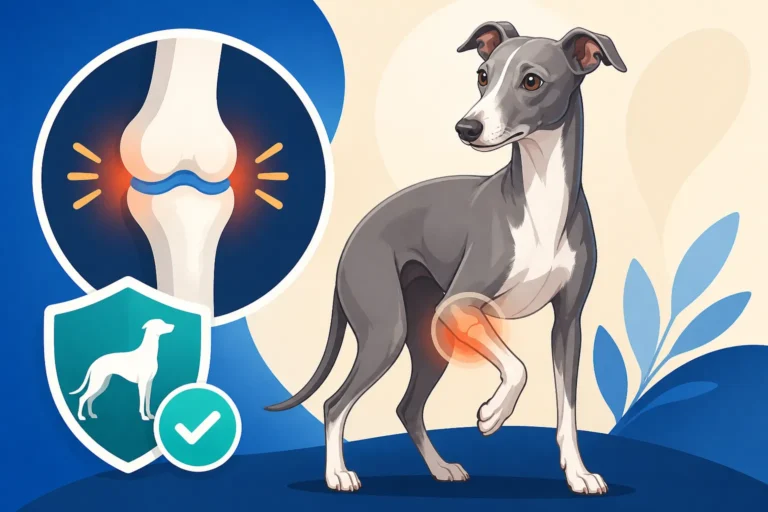
The development of a puppy's bones, particularly their growth plates, is a critical aspect of their early life, and even more so for a breed as delicate as the Italian Greyhound. Growth plates, also known as epiphyseal plates, are areas of cartilage near the ends of long bones in growing animals. This cartilage gradually hardens into bone as the puppy matures. While these plates are still open, they are softer than the rest of the bone and thus much more vulnerable to injury. A fracture through a growth plate can lead to uneven limb growth or long-term issues, which is why protecting an Italian Greyhound during this developmental period is paramount.
For Italian Greyhounds, these growth plates typically close between 10 to 12 months of age, though some may close a little earlier or later. Until they are fully closed, rigorous jumping, rough-housing with larger dogs, or allowing them to leap off furniture are all activities that carry a significant risk. Even after the plates have largely closed, their bones are still relatively fine and can remain prone to injury in ways that other breeds might not experience. This is a topic so crucial that we've dedicated an entire discussion to it, exploring The Age an Italian Greyhound's Bones Finish Hardening. Understanding this timeline empowers you to make informed decisions about your puppy's environment, exercise, and play, helping to prevent potentially devastating injuries that can lead to costly surgeries and a long recovery.
Typical Weight Milestones by Month (0-6 Months)
Monitoring your Italian Greyhound puppy's weight is a tangible way to track their development, but it's important to remember that these are general guidelines. Every puppy is an individual, and a healthy Italian Greyhound will always look lean. Don't compare your IG puppy's weight to a bulldog puppy's!
Newborn to 8 Weeks: The Foundation
When Italian Greyhound puppies are born, they are incredibly tiny, often weighing only a few ounces. Newborn IGs are miniature versions of their adult selves, but even more fragile. For the first few weeks, their primary job is to eat, sleep, and grow. Their weight gain during this period should be consistent and steady. In the first few days, it's not uncommon for them to lose a tiny bit of birth weight before they start to rapidly gain. A healthy puppy will typically gain a certain percentage of their body weight each day. By the end of the first week, they should have doubled their birth weight, and this rapid, consistent gain continues through the early weeks.
As they transition from nursing to solid food, usually around 4-6 weeks, you might see a slight shift in their growth pattern. Good quality puppy food, appropriate for small breeds, becomes essential. By 8 weeks of age, when most puppies are ready to go to their new homes, they will have grown considerably but will still be very small and delicate. An 8-week-old Italian Greyhound puppy might weigh anywhere from 2 to 4 pounds, depending on their individual genetics and how many littermates they had. It's crucial that they're gaining weight, but don't expect them to be plump. Their ribs should be easily palpable under a thin layer of skin and muscle, but their hip bones and spine shouldn't be sharply jutting out. This initial period sets the stage for their future growth, and consistent monitoring helps ensure they're off to a good start.
2 to 4 Months: The Growth Spurt
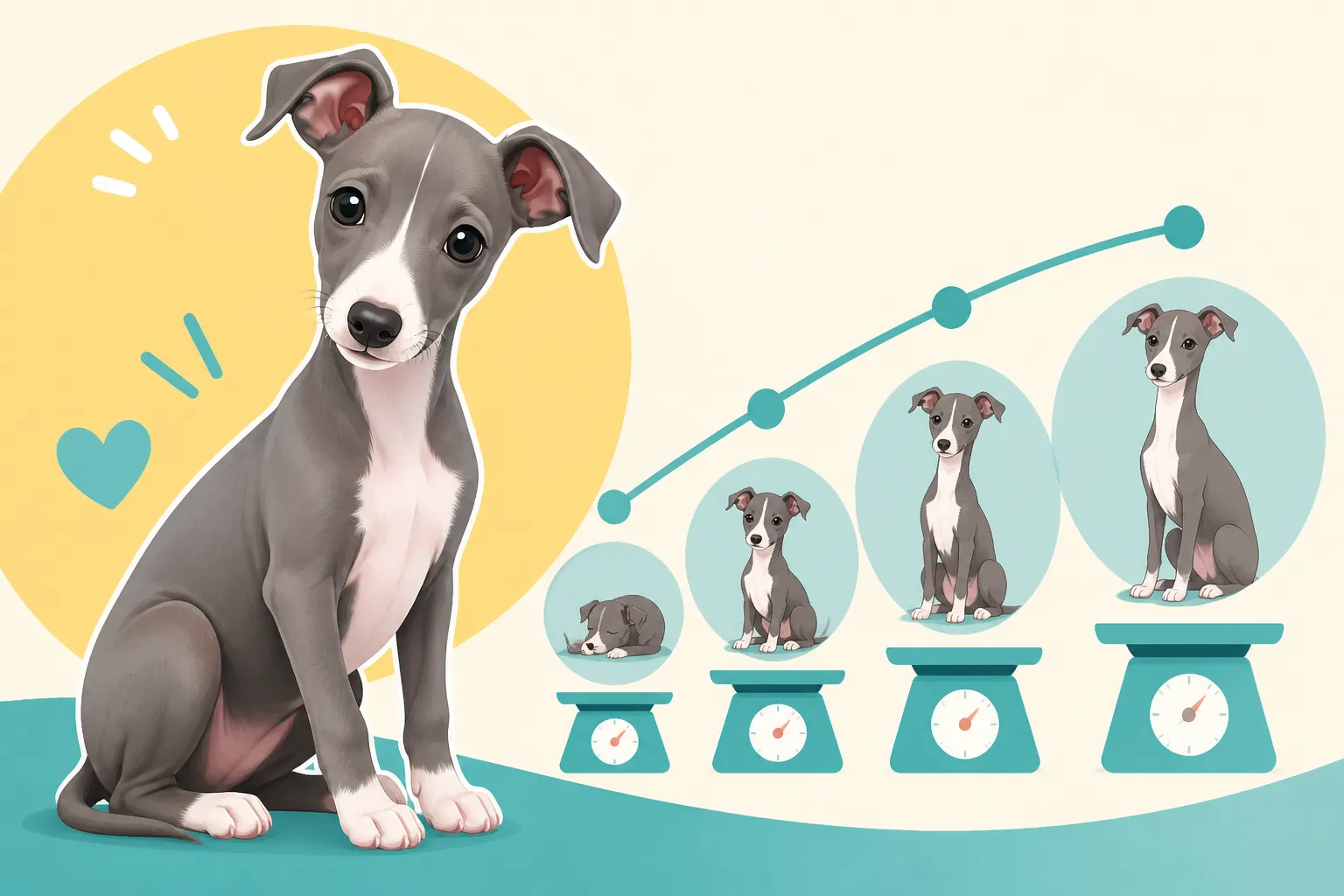
This phase, roughly from 8 weeks to 16 weeks, is often the period of the most noticeable and rapid growth for an Italian Greyhound puppy. They're like little beanstalks, shooting up in height, and their limbs seem to lengthen almost overnight. You'll find yourself constantly marveling at how much bigger they are each day. During this time, an Italian Greyhound puppy can gain anywhere from 0.5 to 1.5 pounds per month, sometimes even more during a particular spurt. By three months, many IGs are already approaching half their adult height, though they still have a lot of filling out to do.
It’s during this growth spurt that they truly start to look like miniature Italian Greyhounds. Their heads will still seem a bit large for their bodies, and their legs might appear disproportionately long, but the graceful lines of the breed begin to emerge. This rapid growth also means they need a consistent supply of high-quality puppy food to fuel their development. We're talking about food specifically formulated for small breed puppies, which tends to be nutrient-dense. This isn't the time for calorie restriction unless advised by a vet, as they need those resources to build strong bones and muscles. Keeping a close eye on their weight during this period, perhaps even Weighing an Italian Greyhound Puppy Every Week, can help you identify any sudden drops or plateaus that might warrant a call to your veterinarian.
4 to 6 Months: Lengthening Out
As your Italian Greyhound puppy moves from 4 to 6 months old, the dramatic growth spurts of the earlier months will start to slightly temper, but they are by no means finished growing! During this time, the focus shifts a bit from purely gaining height to filling out their frame. They will continue to lengthen, becoming lankier and more refined. The puppy "awkwardness" might still be present, but you'll see them becoming more coordinated as their bodies adjust to their rapidly growing limbs.
By six months, many Italian Greyhounds will have reached a significant portion of their adult height, though they often still look quite slender and undeveloped in terms of muscle. They might weigh anywhere from 6 to 9 pounds, but again, this is highly variable based on their genetic predisposition. You'll notice their energy levels are sky-high, and they'll be spending a lot of time exploring, playing, and running those characteristic "zoomies." Ensuring they have appropriate, safe opportunities for exercise is important for muscle development, but always with a keen eye on preventing injuries. It's during this phase that you're really seeing the adult shape emerge, even if they're still very much a puppy in their behavior and full physical maturity.
The Adolescent Phase: 6 to 12 Months and Beyond
Just like human teenagers, Italian Greyhound adolescents go through a phase of continued development, both physically and mentally. While the most dramatic growth spurts might be behind them, these months are crucial for solidifying their adult form and reaching their full potential.
6 to 9 Months: Approaching Adult Height
Between six and nine months, your Italian Greyhound puppy is really coming into their own. They've likely reached most of their adult height during this period, but they often still look quite gangly and narrow. The weight gain slows considerably compared to the earlier months, as their body shifts its focus from vertical growth to horizontal development – meaning, they start to broaden slightly and pack on lean muscle. They might only gain a pound or two over these three months, but those pounds make a noticeable difference in their overall physique.
This is the stage where you'll start to truly see the elegant, athletic build that IGs are known for. Their legs, which once seemed disproportionately long, now start to look more balanced with their body. You might notice their chest deepening a bit, and their rib cage becoming more defined, without ever looking "fat." It's a tricky balance to monitor because they still need adequate calories to support this filling-out phase and their boundless energy, but you also want to avoid any excess weight that could put strain on their delicate structure. Continue to offer premium quality food, and ensure they have plenty of opportunities for safe, supervised exercise.
9 to 12 Months: Filling Out, Not Up
As your Italian Greyhound puppy rounds the corner from nine months to their first birthday, the focus on growth shifts almost entirely to maturation and filling out their frame. Don't expect significant weight increases during this period; instead, you're looking for a subtle refinement of their physique. They've likely hit their maximum height by now, and any additional weight will be in the form of lean muscle, giving them a more robust, adult appearance. They might gain a final pound or two, or simply maintain their weight while their body composition changes.
By 12 months, most Italian Greyhounds are considered to have reached their adult weight and height, though some might continue to mature and fill out very slightly until 18 months. Their adult weight typically falls within the range of 8 to 14 pounds, but this can vary based on their specific lineage and sex. Males are often on the higher end of that range, while females tend to be smaller. If you're wondering what the full growth journey looks like, we've got a detailed breakdown in The Age an Italian Greyhound Reaches Full Weight. This isn't the stage where you're watching the scale for big numbers; instead, you're looking for a healthy, athletic build where you can easily feel their ribs but not see them sharply protruding.
Beyond 12 Months: Monitoring for Stability
Once your Italian Greyhound reaches their first birthday, their weight should largely stabilize. While some very subtle filling out of muscle might continue up to 18 months, any significant weight fluctuations after this point should be noted. This is the time to really get to know your individual dog's ideal adult weight and body condition. For an Italian Greyhound, a healthy adult should be lean, with ribs easily felt but not visibly prominent, and a distinct "tuck-up" at their waist.
Regular monitoring isn't just about the scale; it's also about visual and tactile assessment. Run your hands over their sides to feel their ribs. Look down at them from above to see their waistline. If you notice them gaining or losing weight, it's time to assess their diet and activity levels. An Italian Greyhound's metabolism can be quite efficient, so overfeeding by even a small amount can lead to weight gain, which is particularly risky for their delicate joints. Conversely, a sudden drop in weight without an obvious reason could indicate an underlying health issue. We dive into the specific dietary needs of an adult Italian Greyhound in How Much an Adult Italian Greyhound Eats, which is a great resource for maintaining that stable, healthy adult weight.
Factors Influencing Your I.G. Puppy's Weight
While there are general guidelines for Italian Greyhound puppy weight, it's crucial to understand that several factors can play a significant role in your individual puppy's growth trajectory and ultimate adult size. It's not a one-size-fits-all situation, and being aware of these influences can help you better support your puppy's development.
Genetics and Lineage
The genetic makeup of your Italian Greyhound puppy is arguably the most significant factor in determining their eventual adult weight and size. Think of it like this: your puppy inherited half their genes from their mother and half from their father. If both parents are on the smaller side of the breed standard (e.g., 8-10 pounds), it's highly likely your puppy will mature into a similarly sized adult. Conversely, if the parents are larger, closer to the 12-14 pound range, your puppy will probably follow suit. A responsible breeder will be able to provide you with information about the parents' weights and general size, sometimes even showing you photos of previous offspring from the same pairing, which can give you a very good indication of what to expect.
Beyond just the immediate parents, the broader lineage—the grandparents and even further back—can also influence size. Some breeding lines consistently produce smaller, more refined IGs, while others tend towards a slightly larger, perhaps more robust, but still elegant build. It’s important to communicate with your breeder about your expectations and to understand the genetic potential of your puppy. They can often give you a good estimate of your puppy's likely adult weight range, although Mother Nature always reserves the right to surprise us! This genetic blueprint sets the stage for everything from bone structure to mature musculature.
Nutrition and Feeding Practices
Nutrition plays a pivotal role in the healthy growth and development of any puppy, and for Italian Greyhounds, it's paramount. Because they are so lean and active, every calorie counts. Feeding a high-quality, age-appropriate puppy food specifically formulated for small breeds is essential. These foods are typically nutrient-dense and provide the right balance of protein, fats, vitamins, and minerals needed for rapid growth without causing digestive upset. Brands like Ollie and Chewy offer a wide range of premium puppy foods, some even tailored for small breeds, ensuring your little one gets the best start.
The key isn't just what you feed, but how much and how often. Overfeeding, even by a small amount, can lead to your Italian Greyhound carrying excess weight, which puts undue strain on their delicate joints and developing bones. Conversely, underfeeding can lead to stunted growth and nutritional deficiencies. Always follow the feeding guidelines on your chosen food packaging, but also observe your puppy's body condition. You should be able to feel their ribs easily without them being visible. If they look too thin or too round, adjust portions gradually. If you're curious about the specifics of kibble size and suitability for their unique mouths, we cover that in Whether an Italian Greyhound Needs Small Breed Kibble. Remember, consistency in feeding times and avoiding excessive treats also helps regulate their growth and maintain a healthy weight.
Health and Activity Levels
A puppy's overall health and the amount of appropriate physical activity they receive are also significant contributors to their weight and development. A healthy Italian Greyhound puppy with no underlying medical conditions will typically grow at a steady, predictable rate, given proper nutrition. However, any illness—from parasites to digestive issues or more serious congenital problems—can disrupt this growth. A puppy fighting off an illness might lose their appetite, fail to absorb nutrients properly, or expend more energy on recovery, all of which can lead to weight loss or stunted growth. This is why regular veterinary check-ups are so crucial, especially during those first few months.
Beyond health, activity levels play a vital role in muscle development and maintaining a healthy weight. Italian Greyhounds are naturally athletic and need opportunities to run and play. Appropriate exercise helps them build lean muscle mass, which contributes to their adult weight and overall strength. However, it's a fine balance, especially for such a delicate breed. Too much strenuous activity or rough play, especially during the crucial period when their growth plates are still open, can lead to injuries. We often talk about Why an Italian Greyhound Puppy Should Not Wrestle Big Dogs because even seemingly innocent play with larger, heavier puppies can result in serious leg fractures. Controlled, safe play and walks appropriate for their age are best. A sedentary lifestyle, on the other hand, can lead to weak musculature and, despite their high metabolism, can still contribute to an unhealthy body condition if paired with overfeeding.
Red Flags and When to Consult Your Vet
While every Italian Greyhound puppy grows at their own pace, there are certain signs that indicate something might be amiss with their weight and development. Knowing what to look for can help you identify potential issues early and seek veterinary advice when needed, ensuring your puppy remains on a healthy trajectory.
Signs of Underweight or Stunted Growth
It’s easy to worry that your Italian Greyhound puppy is too thin, given their naturally lean build. However, there's a difference between lean and underweight. A healthy IG puppy, even at their lankiest, should have a thin layer of muscle and fat over their ribs. You should be able to feel their ribs easily when you run your hand along their side, but they shouldn't be visibly protruding, especially at a distance. If their hip bones, spine, or shoulder blades are sharply visible and feel very prominent, or if their abdomen appears overly tucked up, these can be red flags.
Beyond visual cues, observe their behavior. An underweight puppy might seem lethargic, have low energy levels, or generally appear less playful than a typical Italian Greyhound puppy. They might also have a dull coat, poor skin elasticity, or exhibit a lack of appetite. If your puppy isn't gaining weight consistently, or if they suddenly start losing weight, it's definitely time to call your veterinarian. Puppies can easily pick up internal parasites, which can steal vital nutrients and lead to a failure to thrive. It’s always best to err on the side of caution with such a delicate breed.
Signs of Overweight Concerns
While Italian Greyhounds are generally known for their lean physiques, it is possible for them to become overweight, especially if they are overfed or not given enough exercise. Even a few extra ounces on such a small, delicate frame can have significant health implications. An overweight Italian Greyhound will have ribs that are difficult to feel under a layer of fat, and they will lack that characteristic "tuck-up" at their waist when viewed from the side or above. They might also develop a rounder abdomen or appear generally "blocky" rather than sleek.
Being overweight poses several risks for Italian Greyhounds. Extra weight puts increased strain on their already delicate joints and bones, significantly increasing their risk of fractures – a concern we explore further in Why an Overweight Italian Greyhound Is at Fracture Risk. It can also contribute to issues like patellar luxation, hip pain, and in the long term, arthritis. Overweight dogs may also be less energetic, struggle with heat intolerance, and have a shorter lifespan. If you suspect your Italian Greyhound puppy is carrying too much weight, discuss it with your vet. They can help you devise a safe and effective weight management plan, which usually involves adjusting food portions and increasing appropriate, low-impact exercise.
The Importance of Regular Vet Checks
Regular veterinary check-ups are non-negotiable for an Italian Greyhound puppy, serving as a crucial safety net for monitoring their growth and overall health. During these visits, your vet won't just administer vaccines; they'll also perform a thorough physical examination, palpate your puppy's bones and joints, and, importantly, assess their weight and body condition. They can compare your puppy's weight to standard growth charts for the breed and offer personalized advice if your puppy is trending too thin or too heavy.
These routine examinations are essential for catching any potential health issues early, whether it's parasites, an emerging orthopedic problem, or a nutritional imbalance. A vet can also offer guidance on proper feeding amounts, appropriate exercise, and preventive care tailored to your specific puppy's needs. For a breed prone to dental issues and bone fragility, consistent veterinary oversight is paramount throughout their life, starting in puppyhood. How Often an Italian Greyhound Needs a Wellness Exam is a good read for understanding the ongoing importance of these appointments. Think of your vet as your partner in ensuring your Italian Greyhound puppy grows into a healthy, robust adult.
Italian Greyhound Puppy Weight Chart (Approximate)
It's helpful to have a general idea of what to expect regarding your Italian Greyhound puppy's weight as they grow. Remember, these are approximate ranges, and individual puppies will vary. Always consult your veterinarian for personalized guidance regarding your specific puppy's growth and health.
| Age | Approximate Weight Range (Pounds) | Key Developmental Notes |
|---|---|---|
| Birth | 3 – 6 ounces | Extremely tiny, rapid initial gains. |
| 1 Month (4 weeks) | 1 – 2 pounds | Doubled birth weight, still nursing or just starting weaning. |
| 2 Months (8 weeks) | 2 – 4 pounds | Ready for new homes, significant growth spurt underway. |
| 3 Months (12 weeks) | 3 – 6 pounds | Continued rapid growth, gaining height. |
| 4 Months (16 weeks) | 4 – 8 pounds | Often nearing half adult height, still lanky. |
| 5 Months (20 weeks) | 5 – 9 pounds | Filling out slightly, becoming more coordinated. |
| 6 Months (24 weeks) | 6 – 10 pounds | Most of adult height reached, muscle development continuing. |
| 9 Months (36 weeks) | 7 – 12 pounds | Approaching adult weight, refining body shape. |
| 12 Months (1 year) | 8 – 14 pounds | Generally reached adult weight and height, though subtle filling out may continue. |
| 18 Months | 8 – 14 pounds | Fully mature, weight should be stable. |
Please remember that these are just averages. A healthy Italian Greyhound will always look lean. You should be able to feel their ribs easily, but they shouldn't be sharply visible. Their waist should tuck up noticeably. If you have any concerns about your puppy's weight or development, please don't hesitate to reach out to your veterinarian.
Disclaimer
This article is for general informational purposes only and does not constitute professional advice. Laws, prices and regulations vary by location and change over time. Consult a qualified professional for guidance on your specific situation.