Why Hot Asphalt Burns an Italian Greyhound’s Pads
One of the most heartbreaking realities of living with an Italian Greyhound is their incredible fragility, and that vulnerability extends right down to their paws. On a hot summer day, the pavement can become a dangerous, scorching surface that can quickly and severely burn your beloved companion's delicate paw pads. This guide is here to explain exactly why Italian Greyhounds are so susceptible to hot asphalt, how to recognize the risks, and most importantly, how to keep their precious feet safe and sound.
The Delicate Nature of Italian Greyhound Paws
Italian Greyhounds are built for speed and elegance, not for rugged terrain or extreme conditions. Their physical characteristics, from their fine bones to their thin skin, make them uniquely susceptible to environmental hazards, and hot pavement is definitely one of them. Understanding why their paws are so vulnerable is the first step in effective prevention.
Why Italian Greyhounds Have Such Thin Pads
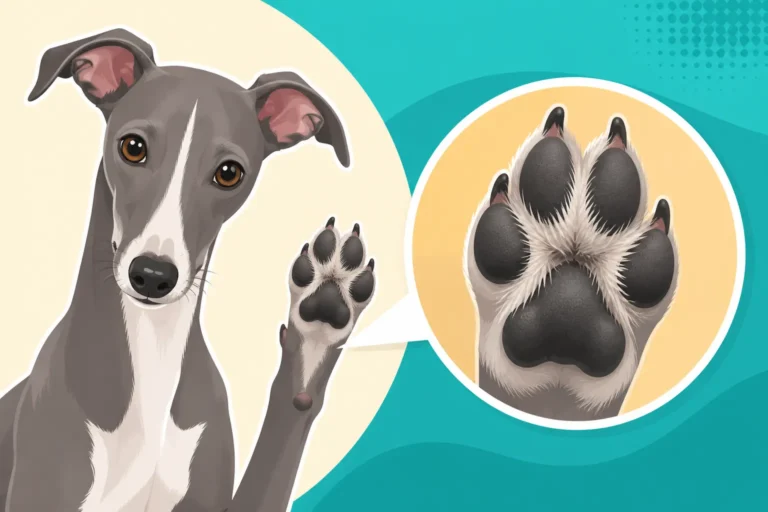
Unlike some breeds that have thick, robust paw pads, Italian Greyhounds possess pads that are noticeably thinner and more sensitive. These pads are designed for cushioning impact on soft earth, like a grassy field during a joyous zoomie session, not for prolonged exposure to abrasive or hot surfaces. Think of it like comparing a delicate ballet slipper to a heavy-duty hiking boot – both serve their purpose, but one is clearly not built for rough conditions. Their pads have a finer layer of keratin, which is the tough protein that forms the outer layer of skin and nails. This reduced thickness means less natural insulation and protection against both cold and heat, making them feel extreme temperatures much more acutely than a dog with denser, more calloused pads. When you consider the vast difference in pad thickness, it's easy to see why what might feel merely warm to your hand can be scalding to an Italian Greyhound's foot.
The Lack of Protective Fat and Fur
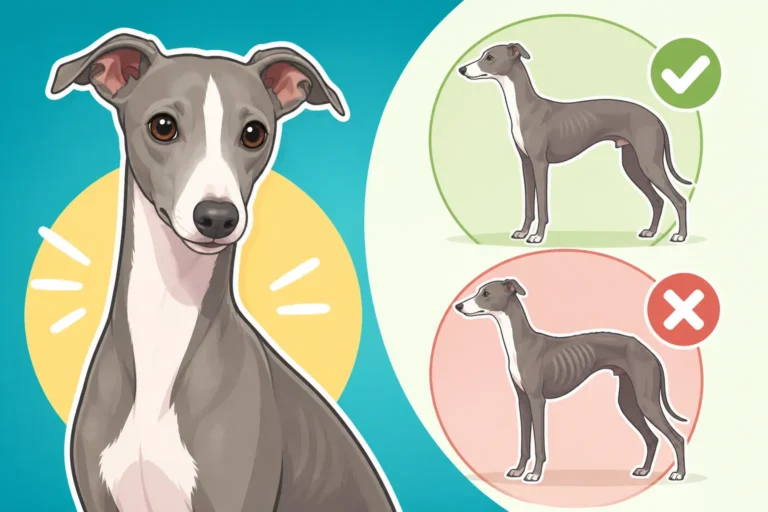
Italian Greyhounds are famously lean, with very little body fat. This characteristic is part of their sighthound heritage, allowing for incredible speed and agility. However, this lack of fat isn't just internal; it extends to their paw pads as well. Many dog breeds have a layer of fatty tissue within their paw pads that acts as a natural insulator and shock absorber. Italian Greyhounds, with their minimal body fat, have a much thinner layer of this protective fat. This means there's less buffer between the external surface and the sensitive tissues, nerves, and blood vessels within their paws.
Furthermore, their short, fine coat, while elegant and easy to care for, offers almost no protection to their paw pads. Some breeds have tufts of fur between their toes, which can provide a small amount of insulation and help wick away moisture. Italian Greyhounds typically have very sparse hair, if any, between their pads. This absence of fur means direct contact between the scorching pavement and their skin, leaving no barrier to prevent burns. It’s like walking barefoot on hot sand versus wearing socks – the difference in protection is significant. Their whole anatomy screams delicacy, and their paws are no exception. For more about their unique physiology, you might find Why an Italian Greyhound Carries Almost No Body Fat insightful.
How Heat Transfers to Delicate Paws
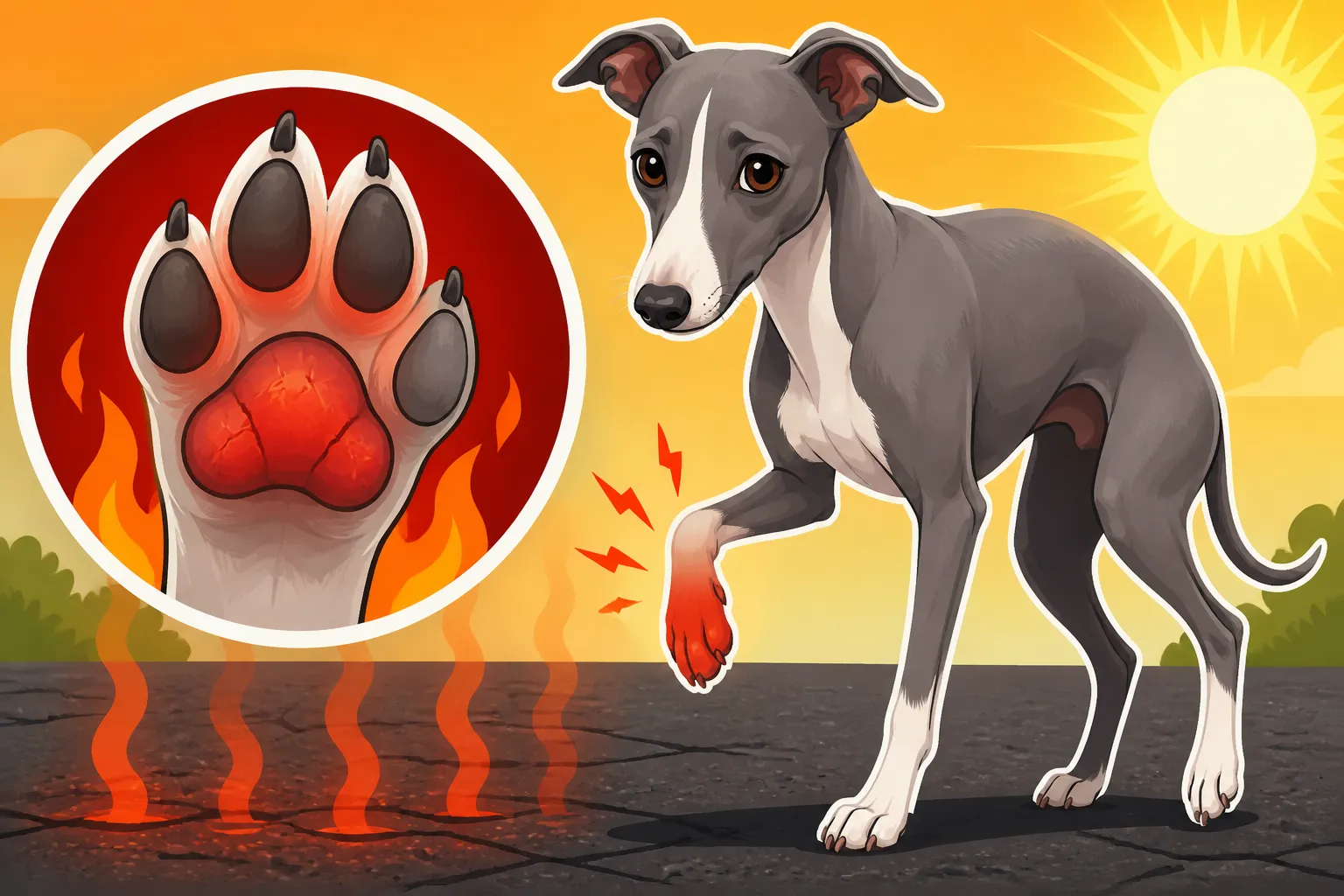
Heat transfer is a simple but brutal process when it comes to hot pavement and an Italian Greyhound's paws. Asphalt, concrete, and even brick absorb and retain a tremendous amount of heat from the sun. On a sunny 80-degree Fahrenheit day, the pavement can reach temperatures of 120-130 degrees Fahrenheit or even higher. Imagine walking barefoot on a surface that hot yourself – it would be unbearable and instantly damaging.
When your Italian Greyhound steps onto such a surface, the heat quickly transfers from the pavement directly into their thin, poorly insulated paw pads. Unlike air, which allows for some convection and cooling, direct contact with a superheated solid surface results in rapid conductive heat transfer. The longer their paws are in contact, the more heat they absorb, leading to cell damage, blistering, and severe burns. This isn't just discomfort; it's a genuine injury that can be as painful and serious as any other type of burn, requiring immediate medical attention. It’s crucial to remember that their paws are not leathery shoes; they are living tissue, vulnerable to extreme temperatures.
Recognizing the Dangers of Hot Surfaces
It's easy to forget just how hot pavement can get, especially when the air temperature feels pleasant to us. However, awareness and proactive checks can prevent painful injuries for your Italian Greyhound. You need to be able to accurately gauge the temperature of surfaces and understand what symptoms to look for.
The "Seven Second Rule" for Pavement Temperature
The "seven-second rule" is a straightforward and effective way to test if the pavement is too hot for your Italian Greyhound's paws. Simply place the back of your hand or your bare foot flat on the asphalt. If you can't comfortably hold it there for a full seven seconds, then it's too hot for your dog's sensitive paw pads.
This rule is vital because air temperature is not a reliable indicator of surface temperature. On a moderately warm day, say 75-80 degrees Fahrenheit, direct sunlight can heat dark asphalt surfaces to well over 120 degrees Fahrenheit. At 125 degrees Fahrenheit, damage to paw pads can occur in as little as 60 seconds. At 140 degrees Fahrenheit, which is certainly achievable on a summer day, burns can happen almost instantly. This quick test can literally save your Italian Greyhound from a painful ordeal. Always perform this check before you embark on any walk. Remember, your comfort level for seven seconds is your Italian Greyhound’s safety gauge.
Beyond Asphalt: Other Hot Surfaces to Avoid
While asphalt is often the main culprit due to its dark color and heat-absorbing properties, it's not the only danger. Many other surfaces can become dangerously hot for an Italian Greyhound, even if they don't look as obvious.
Consider concrete sidewalks, brick patios, metal grates, and even artificial turf. All of these materials absorb and retain heat, turning into potential burn hazards under direct sun. I’ve seen Iggies develop blisters from walking on concrete in urban areas during the peak afternoon sun. Even lighter-colored concrete can heat up significantly, especially if there's no shade. Playground surfaces, like rubber mats, can also get surprisingly hot. Your Italian Greyhound's feet are just as delicate walking on a black metal manhole cover as they are on freshly laid asphalt. It's an issue of surface temperature, not just the material itself. Always apply the seven-second rule to any surface your Italian Greyhound will be walking on. For more general advice on staying cool, check out How an Italian Greyhound Handles Summer Heat.
Signs Your Italian Greyhound's Paws Are Burning
Italian Greyhounds are known for their stoicism and can sometimes hide pain, but paw burns will be evident if you know what to look for. Immediate signs might include your Italian Greyhound lifting their paws, limping, trying to walk on the grass verge, or refusing to walk altogether. They might seem agitated or try to lick or chew at their paws.
Upon closer inspection, you'll likely see red, raw, or discolored paw pads. Blisters might form, or the pads could even appear blackened in severe cases. The skin on the pads might peel away, revealing tender new skin underneath. If you touch their pads, they might feel unusually warm to the touch. In very serious instances, your Italian Greyhound might show signs of distress such as panting, whimpering, or restlessness. Never underestimate the severity of a burn; even seemingly minor irritation can quickly escalate into a painful infection if not addressed properly. If you suspect a burn, do not wait, act immediately. It's important to be vigilant as sometimes How an Italian Greyhound Hides Pain can make it hard to spot issues until they are advanced.
Protecting Your Italian Greyhound's Paws
Prevention is always better than cure, especially when it comes to sensitive Italian Greyhound paws. There are several proactive steps you can take to ensure your beloved companion's feet remain healthy and unburned throughout the warmer months.
The Importance of Walking on Grass or Shade
The simplest and most effective way to protect your Italian Greyhound's paws from hot surfaces is to avoid them altogether. Whenever possible, choose to walk your Italian Greyhound on grassy areas. Grass reflects less heat and maintains a cooler temperature than pavement. Shady paths, whether under trees or along the shadowed side of buildings, also offer significant relief.
Plan your walks during cooler times of the day – early mornings or late evenings are ideal. During the peak heat of the day, from late morning to late afternoon, it's best to keep your Italian Greyhound indoors or only let them out for very brief potty breaks on grass. If you must be outside, stay on soft, natural surfaces. A quick trip to the park where they can run on soft dirt or well-maintained turf can be a lifesaver. Even if you're just stepping out of your car, be mindful of the surface beneath their paws. A few steps on hot asphalt can be enough to cause damage. Prioritizing grass and shade is a non-negotiable part of summer care for an Italian Greyhound. You may also want to consider a Covered Potty Area Helps an Italian Greyhound if you have limited grass.
Choosing the Right Paw Protection
Sometimes, avoiding hot surfaces isn't entirely feasible, especially in urban environments or when traveling. This is where paw protection comes in handy. Dog boots or booties can provide a crucial barrier between delicate paw pads and hot pavement.
However, not all dog boots are created equal, and finding ones that fit an Italian Greyhound's unique foot shape can be a challenge. Their narrow feet and long, delicate legs mean that many generic boots designed for stockier breeds simply won't stay on. Look for boots specifically designed for sighthounds or those with adjustable straps that cinch securely around their ankles without being too tight. Brands like Ruffwear or Muttluks offer various styles that some Italian Greyhound owners have success with, available through retailers like Chewy or Amazon. Make sure they are breathable and comfortable, and introduce them gradually at home before attempting a full walk. Your Italian Greyhound might resist them at first, but with patience and positive reinforcement, most can learn to tolerate them for short periods. Paw balms can also offer some conditioning and a very minor layer of protection, but they are not a substitute for boots on truly hot surfaces. They are more for moisturizing and toughening pads over time. For more on general clothing needs, How Many Coats an Italian Greyhound Needs might be a good read.
Conditioning Paws for Summer Walks
While boots are great for immediate protection, you can also work on subtly conditioning your Italian Greyhound's paw pads throughout the year to make them a little more resilient. This isn't about making them immune to hot asphalt, but rather promoting overall paw health.
Regular, moderate walks on varied, non-extreme surfaces (like cool pavement, grass, and dirt) can help gradually thicken the pads naturally. Think of it like building calluses on your own hands – it happens slowly over time with consistent, gentle exposure. Keep your Italian Greyhound's nails trimmed short, as long nails can alter their gait and put undue pressure on their pads. Regularly check their paws for any small cuts, cracks, or foreign objects, and use a paw balm to keep them moisturized and prevent cracking. Brands offering natural paw balms can be found on Amazon or Chewy. A healthy, well-maintained paw pad is generally more resilient than a dry, cracked one, even if it's still delicate. Remember, conditioning is a long-term strategy, not a quick fix for dangerously hot conditions.
First Aid for Burned Italian Greyhound Paws
Despite our best efforts, accidents can happen. If you suspect your Italian Greyhound has burned their paw pads, knowing what to do immediately can significantly impact their comfort and recovery. Prompt action is critical.
Immediate Steps After a Burn
If you believe your Italian Greyhound has burned their paws, act quickly and calmly.
- Get Off the Hot Surface Immediately: Carry your Italian Greyhound if possible, or gently guide them to a cooler surface like grass, dirt, or a shaded area.
- Cool the Paws: Gently flush the burned paws with cool (not ice cold) running water for at least 10-15 minutes. You can use a hose on a gentle setting or place their paws in a shallow basin. This helps to stop the burning process and soothe the pain. Avoid ice or very cold water, as it can cause further tissue damage.
- Prevent Licking: Once cooled, gently pat the paws dry with a clean cloth. If there are any open wounds or blisters, you'll want to prevent your Italian Greyhound from licking them, as this can introduce bacteria and lead to infection. You might need to use an Elizabethan collar (e-collar or "cone") if you have one on hand, or a protective bandage (lightly applied, not tight) if you're confident in your bandaging skills.
- Assess the Damage: Carefully examine each paw pad. Note the extent of redness, blistering, or peeling. This information will be crucial when speaking to your veterinarian. Do not apply any ointments or creams without veterinary instruction, as some products can trap heat or worsen the burn.
When to Seek Veterinary Attention
Any suspected paw burn on an Italian Greyhound warrants a call to your veterinarian. Their pads are so thin and vulnerable that what might seem minor to you could be a significant injury for them.
You should seek immediate veterinary attention if:
- The burn covers a large area of the paw.
- Blisters are present, especially if they are large or broken.
- The skin is peeling or appears black.
- Your Italian Greyhound is in obvious pain, limping severely, or refusing to bear weight on the paw.
- There's any swelling, discharge, or foul odor, which could indicate infection.
- You're unsure about the severity of the burn or how to treat it.
Your vet can properly clean the wound, assess the depth of the burn, prescribe pain medication, and provide appropriate bandages or antibiotics if necessary. They can also advise on proper wound care at home to prevent infection and promote healing. Delaying veterinary care can lead to prolonged pain, infection, and a longer recovery period. Remember, your vet is your best resource for these kinds of injuries. It’s always good to have a What to Keep in a First Aid Kit for an Italian Greyhound ready for emergencies.
Preventing Infection and Promoting Healing
Once you've seen the vet, home care will become a critical part of the healing process. Preventing infection is paramount, as paw pads are constantly exposed to dirt and bacteria.
Follow your vet's instructions precisely regarding cleaning, medication, and bandage changes. This usually involves gentle cleaning with an antiseptic solution and applying prescribed topical treatments. Keeping the wound clean and dry is essential. Your vet might recommend special medicated booties or daily foot soaks. Continue using an e-collar to prevent licking, as even a seemingly healed paw can be reinjured or infected by excessive licking. Restricting your Italian Greyhound's activity will also be important to allow the pads to heal without constant pressure or friction. This might mean kennel rest or very short, leashed potty breaks on clean grass.
Healing can take several weeks, depending on the severity of the burn. During this time, continue to monitor the paws closely for any signs of worsening infection or delayed healing, and report these to your vet. Good nutrition also plays a role in healing; ensuring your Italian Greyhound is on a high-quality diet, perhaps one from a brand like Ollie, can support overall health and recovery. Patience and diligent care will help your Italian Greyhound make a full recovery and get back to enjoying their walks safely.
| Surface Type | Example Temperature at 80°F Air Temp | Risk Level for Italian Greyhound Paws | Recommended Action |
|---|---|---|---|
| Asphalt | 120-140°F | Very High | Avoid entirely, use boots if unavoidable, walk in grass/shade. |
| Concrete | 100-120°F | High | Test with 7-second rule, avoid direct sun. |
| Sand | 100-115°F | Medium-High | Test with 7-second rule, keep walks brief, stick to wet sand near water. |
| Artificial Turf | 100-120°F | High | Test with 7-second rule, avoid in direct sun. |
| Metal Grates | 130-150°F+ | Extreme | Never allow contact, carry IG over. |
| Grass | 75-85°F | Low | Ideal surface for walking, seek out shady grass. |
Disclaimer
This article is for general informational purposes only and does not constitute professional advice. Laws, prices and regulations vary by location and change over time. Consult a qualified professional for guidance on your specific situation.