Whether a Smaller Italian Greyhound Lives Longer
It’s a common thought among dog lovers that tiny dogs seem to stick around forever, while their giant cousins often have much shorter lives. This often leads Italian Greyhound owners, or those aspiring to be, to wonder: if I get a really tiny Iggy, will it live even longer than the breed’s already impressive lifespan? It's a hopeful thought, wanting as much time as possible with our beloved companions, but the reality for Italian Greyhounds, like so many nuanced aspects of their care, isn't quite so simple. This guide will delve into whether a smaller Italian Greyhound lives longer, examining the science, the unique considerations for our delicate breed, and what truly contributes to their longevity.
The General Rule: Small Dogs Often Live Longer, But Iggys Have Their Own Nuances
The idea that smaller dogs live longer than larger ones isn't just an old wives' tale; there's actually a scientific basis to it. However, applying this broad rule directly to the Italian Greyhound, especially when we start talking about "smaller" within the breed, requires a bit more careful thought.
The Science Behind Longevity and Size in Dogs
Generally speaking, smaller dog breeds tend to have longer lifespans than larger breeds. A Chihuahua might live for 15-20 years, while a Great Dane often only makes it to 7-10 years. Researchers believe this phenomenon is tied to the rate of growth and cell turnover. Larger dogs grow much faster, and this accelerated growth might lead to a more rapid accumulation of age-related diseases and an earlier onset of conditions like cancer. Essentially, their systems seem to "age" at a faster biological pace, burning through their lifespan more quickly. It's a fascinating and somewhat tragic paradox where the very traits that make them majestic – their size and rapid development – contribute to a shorter existence.
This rapid aging theory suggests that the metabolic processes in larger dogs might generate more damaging free radicals, or that their cellular repair mechanisms are simply overwhelmed more quickly. There's also the element of breed-specific health issues; many giant breeds are predisposed to certain cancers, heart conditions, or orthopedic problems that can significantly shorten their lives. So, for the general canine population, smaller stature often correlates with a longer journey through life.
Where the Italian Greyhound Fits into the "Small Dog" Category
Italian Greyhounds, being a toy breed, already fall into the "small dog" category that typically enjoys longer lifespans. These elegant little sighthounds generally live a good, long life, often reaching Why an Italian Greyhound Lives Fourteen to Fifteen Years. This is one of the many reasons why so many of us fall head over heels for them – we want as much time as possible with their quirky, affectionate personalities. They are known for their relatively robust health compared to some other toy breeds, especially when sourced from responsible breeders who prioritize health screenings.
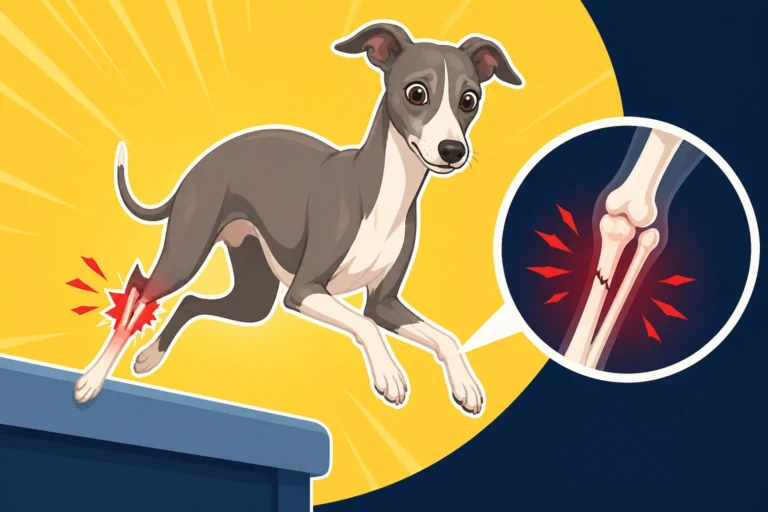
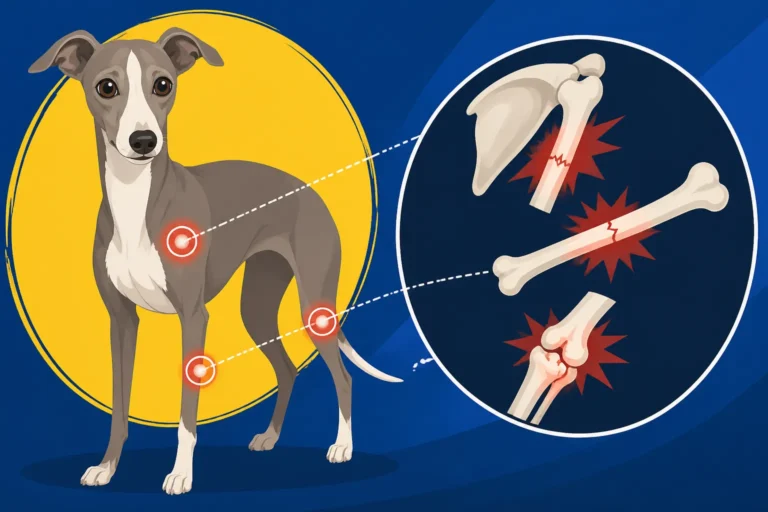
However, Italian Greyhounds aren't just any small dog. Their unique physiology, including their incredibly fine bone structure and lean build, means they have their own set of vulnerabilities. While they benefit from the general longevity associated with small size, they also require specific care to protect them from accidents that could significantly impact their health and lifespan. Their delicate nature, particularly regarding their bones, means that a seemingly minor fall for another breed could be a serious incident for an Iggy, leading to costly and often complex surgeries, as discussed in A Broken Leg Is the Emergency Every Italian Greyhound Owner Fears. So, while their small size is a plus for general longevity, their specific build introduces other factors to consider.
"Smaller" Italian Greyhounds: Defining What That Means and Its Implications
When we talk about an Italian Greyhound being "smaller," it's crucial to distinguish between a healthy, well-within-standard small Iggy and one that might be considered undersized or bred down to an extreme. The distinction here can mean the difference between robust longevity and a lifetime of fragility.
What Constitutes a "Smaller" Italian Greyhound?
A healthy Italian Greyhound typically weighs between 7 to 14 pounds and stands about 13 to 15 inches tall at the shoulder, as detailed in What an Italian Greyhound Weighs and How to Tell If It Is Right. Within this range, you'll naturally find some Iggies who are on the smaller side – perhaps a petite 8-pound girl or a lighter-boned 10-pound boy. These dogs, if bred responsibly and proportioned correctly, can be perfectly healthy and enjoy the full, long lifespan characteristic of the breed. Their "smallness" is simply a natural variation within the accepted breed standard, not an extreme deviation. They are still structurally sound, just on the lower end of the size spectrum.
The issue arises when an Italian Greyhound is intentionally bred to be undersized or falls into the "teacup" category. This is often done to appeal to a market seeking the absolute smallest dog possible, but it comes at a significant cost to the dog's health and structural integrity. These dogs might be drastically smaller than the breed standard, perhaps weighing only 4-6 pounds, and often appear disproportionate or overly delicate. This kind of extreme smallness is usually not a natural genetic variation but rather the result of poor breeding practices, often involving breeding the smallest dogs together without regard for health or conformation. This is unfortunately a byproduct of The Toy Sized Italian Greyhound Fad and What It Cost, leading to significant health issues.
Health Risks Associated with Undersized Italian Greyhounds
An Italian Greyhound that is unnaturally small or significantly undersized often faces a myriad of health challenges that can actually reduce their lifespan and quality of life, rather than extending it. While a healthy, smaller-than-average Iggy within the breed standard is fine, an extremely tiny one can be incredibly fragile. Their bones can be even more brittle than the already delicate bones of a standard Italian Greyhound, making them highly susceptible to fractures from even minor bumps or falls. You might find yourself facing frequent, expensive veterinary bills for injuries, and insurance providers like Healthy Paws can be a lifesaver in these situations, helping to cover unexpected medical costs that arise from such fragility.
Beyond bone issues, undersized Italian Greyhounds are prone to other significant health problems. They may have underdeveloped organs, leading to issues with their heart, lungs, or kidneys. Their metabolism can be highly unstable, making them susceptible to hypoglycemia, especially as puppies. Maintaining their body temperature is also a constant struggle, as their small size and minimal body fat (remember, Why an Italian Greyhound Carries Almost No Body Fat) make them incredibly sensitive to cold, requiring constant vigilance to keep them warm, as discussed in Why an Italian Greyhound Gets Cold on the Table. These chronic health issues not only compromise their well-being but also often lead to shorter, more challenging lives filled with vet visits and ongoing care. This is why it's so important to understand Why Very Small Italian Greyhounds Are Unsound and why responsible breeders avoid breeding for extreme smallness.
| Factor | General Small Dog Rule | Healthy, Standard Italian Greyhound | Undersized ("Teacup") Italian Greyhound |
|---|---|---|---|
| Average Lifespan | Often longer than large dogs | 14-15 years (excellent) | Potentially shorter, health-compromised |
| Bone Fragility | Generally less prone to fractures due to size | Delicate, prone to fractures | Extremely delicate, highly prone to fractures |
| Metabolism & Growth | Slower cellular turnover contributes to longevity | Balanced growth rate | Often unstable, prone to hypoglycemia |
| Organ Development | Typically proportional and healthy | Generally well-developed | Risk of underdeveloped or compromised organs |
| Temperature Regulation | Varies by breed, but generally good | Poor, prone to cold | Very poor, extreme cold sensitivity |
| Overall Health | Generally robust | Excellent with proper care & genetics | Prone to chronic, severe health issues |
| Vet Bills | Lower for common issues | Can be high for fractures, dental | Extremely high due to fragility & chronic issues |
Factors Truly Influencing an Italian Greyhound's Lifespan
While extreme smallness in an Italian Greyhound can be detrimental, and being within a healthy, standard size range is ideal, focusing solely on size misses the bigger picture of what truly allows these dogs to thrive and live a long, happy life. Many other factors play a far more significant role in determining how long your beloved Iggy will be by your side.
Genetics and Responsible Breeding
The single most impactful factor on an Italian Greyhound's lifespan, beyond its inherent breed traits, is its genetic foundation, which comes directly from its parents and their lineage. This means choosing a responsible breeder is paramount. A good breeder will meticulously screen their breeding stock for hereditary conditions common in the breed, such as certain eye diseases, patellar luxation, and thyroid issues. They should be transparent about the health history of their dogs and provide documentation of health testing, as outlined in What an Italian Greyhound Breeder Should Have Tested.
Genetics don't just dictate susceptibility to disease; they also influence overall conformational soundness, temperament, and general vitality. Dogs from lines with a history of good health and longevity, where careful selective breeding has been practiced for generations, are simply more likely to live longer, healthier lives themselves. Conversely, an Italian Greyhound from a backyard breeder or a puppy mill, where health testing is often ignored and breeding is done simply for profit, might inherit a host of genetic weaknesses that could significantly shorten their life or burden them with chronic conditions from a young age. It's truly a lottery when you don't know the genetic history, and you're not just buying a puppy, you're investing in its future health.
Lifestyle and Preventative Care
Once you bring your Italian Greyhound home, their lifestyle and the preventative care you provide become critical determinants of their longevity. This isn't just about feeding them good food; it encompasses a holistic approach to their well-being. A high-quality diet appropriate for their age and activity level is foundational, ensuring they maintain an ideal weight, which reduces strain on their delicate joints and organs. Regular, appropriate exercise, such as short walks and supervised indoor zoomies, keeps their muscles strong and their minds stimulated without risking injury, unlike the high impact jumps that cause fractures. Setting up a safe home environment, particularly by introducing ramps and steps to furniture, can drastically reduce the risk of fractures, which are a constant worry for Iggy owners.
Preventative care extends to daily habits like brushing their teeth, a task that, while often overlooked, is incredibly important for Italian Greyhounds due to their predisposition to severe dental disease. Periodontal Disease Is the Italian Greyhound's Most Common Diagnosis is a stark reminder that neglecting dental hygiene can lead to painful extractions, infections, and even systemic health problems that shorten their lifespan. Furthermore, ensuring they are always warm, especially indoors, by providing blankets and sweaters, protects them from unnecessary stress on their systems. A proactive approach to their daily life, safeguarding them from common Iggy hazards, is a key ingredient to a long, full life.
The Importance of Regular Veterinary Care
Consistent, high-quality veterinary care throughout your Italian Greyhound's life is absolutely non-negotiable for maximizing their lifespan. This begins with puppy vaccinations and regular wellness check-ups, ensuring they are protected from preventable diseases and that any potential health issues are caught early. As Italian Greyhounds age, these routine visits become even more critical, allowing your vet to monitor for age-related conditions. Caring for an Italian Greyhound Past Eleven emphasizes that senior Iggies often require more frequent check-ups to manage conditions like arthritis, heart murmurs, or kidney disease.
Beyond routine exams, it’s essential to be prepared for the unexpected. Italian Greyhounds, despite our best efforts, are prone to injuries like broken legs, which require immediate and often specialized veterinary intervention. Having a plan for these emergencies, whether it’s a dedicated savings account or comprehensive pet insurance like Healthy Paws, ensures that your Iggy receives the best possible care without financial hesitation. These proactive measures can make a dramatic difference in outcomes, transforming a potentially life-threatening situation into a recoverable one. Your vet is your partner in your Iggy's health journey, and maintaining that relationship, along with being financially prepared, is one of the greatest gifts you can give your dog for a long, healthy life.
Ultimately, while the general rule suggests smaller dogs live longer, for Italian Greyhounds, "smaller" isn't necessarily better beyond their inherent toy breed status. What truly matters is a foundation of excellent genetics, a protective and enriching home environment, diligent preventative care, and consistent, proactive veterinary attention throughout their lives. Focus on these pillars, and you'll be giving your Italian Greyhound the very best chance at a long, joyful life by your side.
Disclaimer
This article is for general informational purposes only and does not constitute professional advice. Laws, prices and regulations vary by location and change over time. Consult a qualified professional for guidance on your specific situation.