Why Very Small Italian Greyhounds Are Unsound
A very small Italian Greyhound can look delicate without being unhealthy, but breeding specifically for an unusually tiny size can put a dog’s structure and wellbeing at risk. The confusing part is that “teacup” is not an official breed size, and a low number on the scale alone does not diagnose a problem. This guide explains what unsoundness means, what warning signs to watch for, and how to assess a puppy responsibly.
What “unsound” means in a very small Italian Greyhound
Small size is not a diagnosis
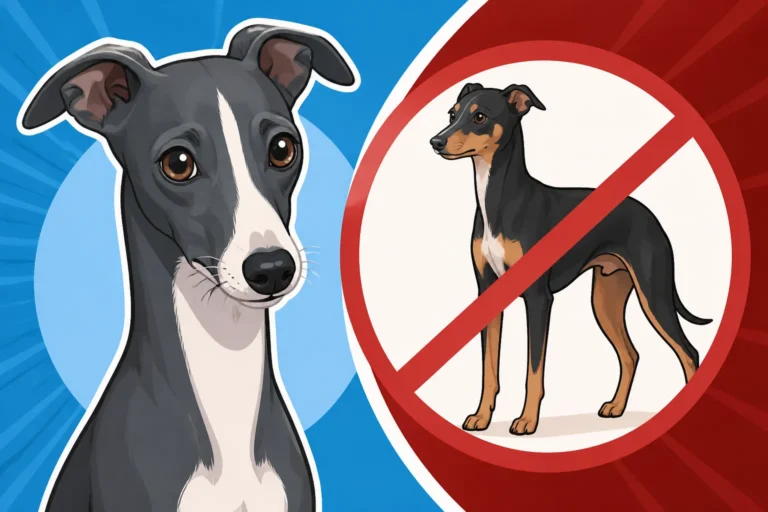
An Italian Greyhound may be naturally smaller than another dog of the same breed and still be healthy, active, and well proportioned. The concern is not simply that a dog is petite. It is whether the dog’s growth, bone development, movement, or general health has been compromised in pursuit of extreme smallness.
“Unsound” is a broad term for a structural or functional problem that affects a dog’s comfort or ability to move normally. It might refer to poorly developed bones, abnormal limb alignment, an unstable gait, or another physical issue. It does not mean that every dog below a preferred size range is automatically unhealthy. A veterinarian must assess the individual dog rather than infer its health from a label or a single measurement.
Breed standards provide a point of reference, not a complete health report. The Italian Greyhound’s accepted size can vary according to the registry or country, so it is worth checking the standard relevant to the dog’s registration. For more context, see What Weight Range an Italian Greyhound Should Fall In and What an Italian Greyhound Weighs and How Tall It Stands.
Why breeding for extreme smallness can create risk
A puppy’s final adult size is influenced by genetics, early development, nutrition, illness, and other factors. A breeder who repeatedly selects the smallest dogs specifically to produce ever-smaller puppies may narrow the gene pool or favor size over sound structure and health. That can make it harder to maintain balanced proportions and robust development across generations.
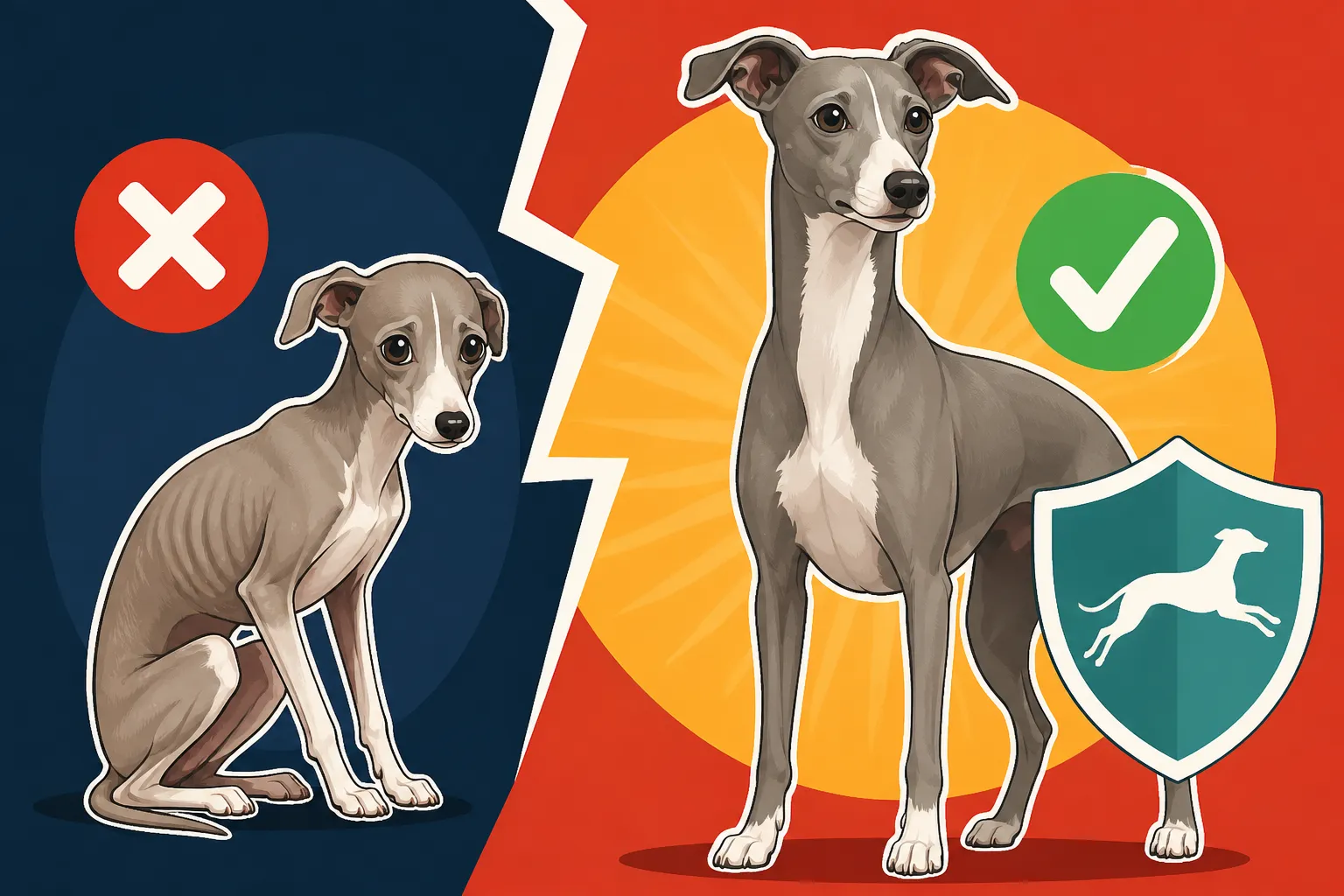
There is an important distinction between a naturally small, healthy dog and a puppy whose growth has been restricted or whose small frame reflects an underlying problem. A puppy that is weak, unusually inactive, struggling to gain weight, or showing difficulty standing and moving needs veterinary attention. Those signs cannot be safely explained away as “just being tiny.”
Italian Greyhounds are fine-boned dogs, and their limbs need sensible protection, especially during puppyhood. A very small puppy may be especially vulnerable to accidental falls or rough play, but size alone does not establish a fracture or guarantee one. Learn more about the broader risks in Why Very Small Italian Greyhounds Are Unsound and The Age an Italian Greyhound's Bones Finish Hardening.
“Teacup” is a marketing label, not a separate variety
There is no recognized “teacup” variety of Italian Greyhound with its own official size standard. The word is generally used as a sales description, and different sellers may apply it differently. It does not guarantee a particular adult weight, temperament, health status, or body type.
A seller may use the label to make a puppy sound rare or desirable. That does not prove that the puppy is unhealthy, but it is a reason to ask careful questions. Ask how the puppy’s parents were selected, what health testing was completed, how the litter is growing, and whether the breeder is prioritizing soundness and temperament along with size. See Whether a Teacup Italian Greyhound Exists and Whether the Italian Greyhound Was Ever Bred Too Small for related questions.
How extreme smallness can affect health and daily life
Fragile limbs need sensible handling
Italian Greyhounds have slender legs, and young puppies are still developing. Falls from furniture, being dropped, collisions, and rough play can all cause injuries. A very small puppy may be harder to see underfoot or easier for a child to mishandle, so the home setup matters as much as the dog’s weight.
Use low, secure access to couches and beds rather than letting a puppy repeatedly leap down. Supervise play with larger dogs, and teach children to sit on the floor when handling the puppy rather than carrying it around. A ramp or step may help prevent risky jumps; Chewy is one place owners may browse for pet-safety products, but the important consideration is whether an item is stable, appropriately sized, and suitable for the dog.
Do not assume that a dog who is running or walking normally has not been injured. Some dogs continue moving despite pain. Sudden limping, reluctance to bear weight, swelling, or a limb held at an unusual angle calls for prompt veterinary advice. For more on prevention and common injuries, read A Broken Leg Is the Emergency Every Italian Greyhound Owner Fears and Why an Italian Greyhound's Leg Bones Break So Easily.
Growth and body condition need individual monitoring
A low body weight can be normal for one dog and concerning for another. A veterinarian considers the dog’s age, frame, muscle, growth pattern, appetite, and physical examination rather than using a number in isolation. Regular weigh-ins can help reveal whether a puppy is following a steady pattern, but home weighing does not replace an exam.
Avoid trying to make a puppy grow larger by adding supplements or feeding extra food without veterinary guidance. Overfeeding does not correct poor bone structure and may put unnecessary strain on developing joints. Likewise, calcium supplements are not a general solution for a small puppy and can be inappropriate when added without a professional’s direction.
If a puppy is consistently losing weight, failing to gain as expected, or having repeated digestive or energy problems, contact a veterinarian. Keep notes on meals, appetite, stool, and weight changes so you can describe what is happening clearly. When considering a puppy, ask the breeder how growth is monitored and what follow-up support is provided.
Low size can complicate ordinary care
A very small dog may need more deliberate attention to handling, warmth, and safe play. Italian Greyhounds have short coats and little body fat, so comfort depends on the individual dog and the conditions around it. A small puppy can lose warmth quickly, particularly when wet or exposed to cold, and should have a warm, dry resting place.
For everyday care, choose equipment that fits securely without restricting movement. If you browse Chewy or another pet retailer for a harness, bed, or ramp, measure the dog and check the product’s fit and stability rather than selecting an item based on a “teacup” label. Products should support safe movement; they cannot make an unsound frame sound.
A tiny dog can also be more easily injured by routine household activity. Keep food, medicines, and small objects out of reach, and consider blocking access to high furniture when the puppy is unsupervised. These precautions are useful for Italian Greyhounds generally, not only for dogs described as unusually small.
| What you notice | Why it matters | Sensible next step |
|---|---|---|
| Puppy is smaller than littermates but lively and steadily growing | Size difference alone does not establish a health problem | Ask the breeder about growth records and discuss the puppy’s development with a veterinarian |
| Puppy is weak, unusually sleepy, or not gaining weight | Could indicate a health or feeding concern that needs assessment | Arrange veterinary advice rather than relying on a size label |
| Persistent limp or reluctance to use a leg | Pain or injury may be present even if the puppy still moves around | Limit activity and contact a veterinarian promptly |
| Seller promises a guaranteed tiny adult size | Adult size is not reliably guaranteed by a marketing term | Ask for parent details, health information, and a written agreement |
| Breeder cannot explain health testing or puppy care | It is difficult to assess responsible breeding without clear answers | Pause the decision and seek more information before committing |
How to evaluate a puppy and breeder responsibly
Look beyond the advertised weight
A puppy listing that emphasizes an exceptionally low expected adult weight may be focusing attention on appearance rather than health. Ask how the adult-size estimate was made and whether it is based on the parents’ actual size, previous litters, or simply a sales claim. Even a careful breeder cannot promise an exact adult weight.
Meet the puppy in a setting where you can observe how it moves and interacts, if possible. Look for comfortable, coordinated movement and an alert response to the environment. Do not try to diagnose structure from photographs or make a final decision based on a brief visit; a veterinarian’s examination is essential.
Ask to see the puppy’s veterinary records and understand what care has already been provided. A responsible breeder should be willing to discuss the puppy’s health, its parents, and any concerns openly. Helpful preparation includes Which Questions to Ask an Italian Greyhound Breeder and What Health Testing an Italian Greyhound Breeder Should Show.
Ask what the breeder prioritizes
Ask whether the breeder selects for health, temperament, and sound movement rather than for the smallest possible size. Ask about the parents’ health history and what health checks are appropriate for the lines involved. Clear, specific answers are more useful than broad assurances such as “our dogs are perfect” or “the puppies are vet checked.”
Find out how puppies are raised and monitored. You can ask what the breeder does to keep puppies safe as they explore, how they assess growth, and what happens if a puppy develops a health problem after going home. A written contract should explain responsibilities and what support is available if a serious concern arises.
Be cautious if a seller pressures you to pay quickly, refuses reasonable questions, or will not provide clear records. Those behaviors do not prove that a puppy is unhealthy, but they make it harder to make an informed choice. The history of breeding dogs for very small size is worth understanding too; see The Toy Sized Italian Greyhound Fad and What It Cost.
Plan a veterinary check soon after bringing a puppy home
Arrange an initial veterinary appointment and bring any records supplied by the breeder. The veterinarian can assess the puppy’s overall condition, growth, gait, and care needs, and can recommend a follow-up schedule. Ask what changes should prompt an urgent call, especially if you are worried about appetite, energy, or movement.
Until you have a clear picture of the puppy’s development, use conservative safety measures. Prevent unsupervised jumps from furniture, avoid rough play with much larger dogs, and handle the puppy with support under the chest and hindquarters. A secure resting space and close supervision are more useful than trying to keep the puppy completely inactive.
If you have questions about a puppy’s growth, bring a written record of weights and any changes you have noticed. Chewy and other retailers may offer pet scales or supplies, but a home scale is only a tracking aid; veterinary interpretation is what helps determine whether growth is appropriate. The goal is not to make the dog match a particular number. It is to support healthy development and catch concerns early.
Choosing a healthy Italian Greyhound over a “tiny” promise
A small Italian Greyhound is not automatically unsound, and an average-sized one is not automatically healthy. The more useful questions are whether the dog is growing appropriately, moves comfortably, has been bred with attention to health and soundness, and receives suitable veterinary care.
Treat “teacup” or “extra tiny” as marketing language rather than a health credential. Ask for records, meet the breeder, look beyond a promised adult weight, and have your veterinarian assess the puppy. Thoughtful handling and a safe home can reduce avoidable risks, but neither replaces responsible breeding or individual medical care.
Disclaimer
This article is for general informational purposes only and does not constitute professional advice. Laws, prices and regulations vary by location and change over time. Consult a qualified professional for guidance on your specific situation.