Which Egyptian Tombs Show a Dog Like an Italian Greyhound
It’s a common, understandable leap to make when you see the elegant, fine-boned form of an Italian Greyhound: they just look ancient, don't they? Many people picture those iconic Egyptian tomb paintings with graceful, slender dogs and immediately think of our beloved Iggys. While the idea that Italian Greyhounds pranced alongside pharaohs is a captivating one, the reality is a little more nuanced, and this guide will clarify what ancient Egyptian tombs truly show, helping us appreciate our breed's actual rich history.
The Allure of Ancient Egyptian Canine Depictions
There’s an undeniable romanticism in imagining our Italian Greyhounds tracing their lineage back thousands of years to the banks of the Nile. The visual cues are strong: the long, slender legs, the deep chest, the tucked abdomen, the delicate muzzle, and the expressive eyes of many sighthound breeds resonate deeply with the dogs immortalized in ancient Egyptian art. This striking resemblance often leads enthusiasts and even casual observers to believe that the Italian Greyhound, as we know it, was a fixture in those royal courts.
Why We See Italian Greyhounds in Tomb Art
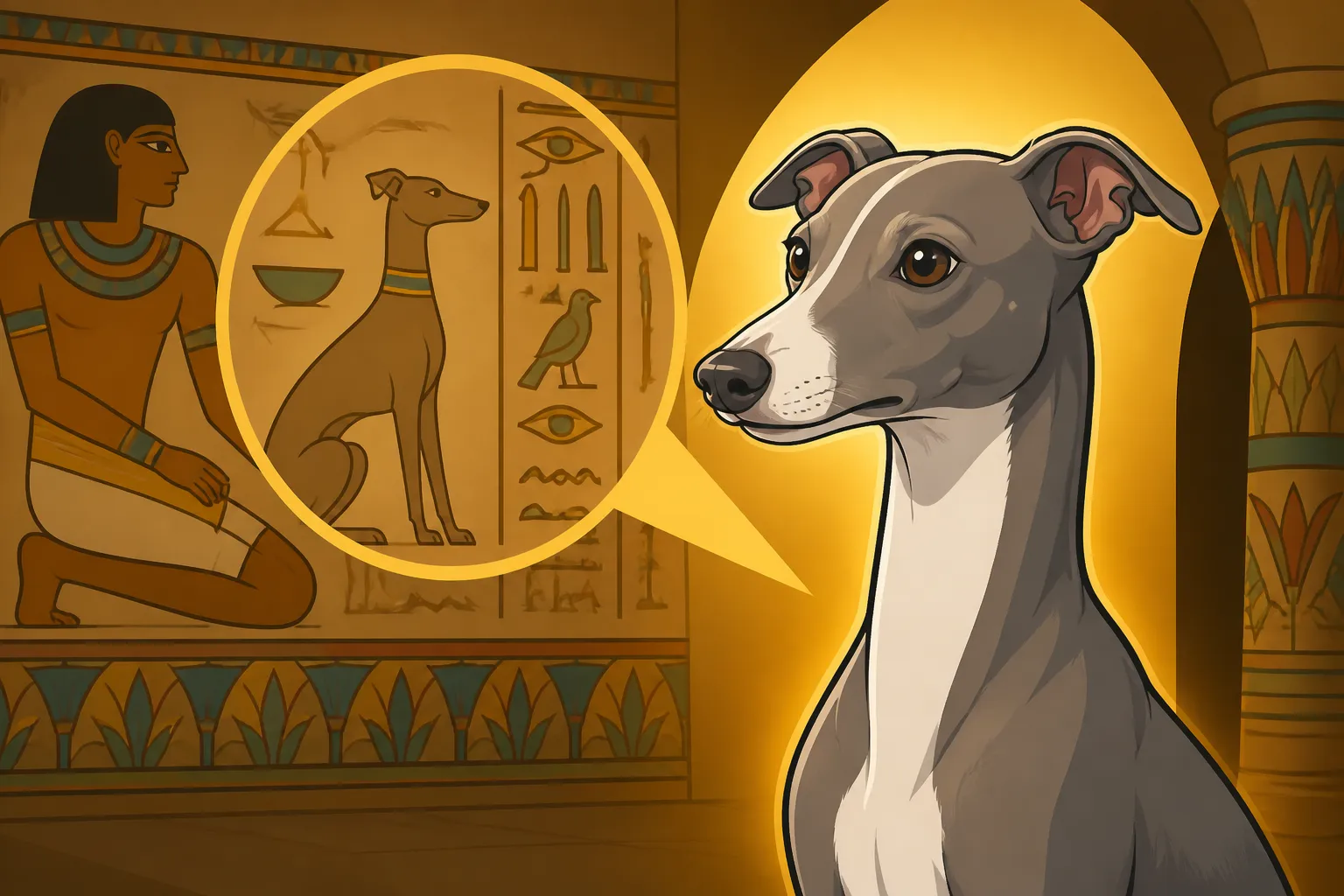
The primary reason for this persistent belief is purely visual. Ancient Egyptian artists, whether carving reliefs into stone or painting murals on tomb walls, frequently depicted dogs with unmistakable sighthound characteristics. These dogs were slender, athletic, and possessed the long, graceful lines that define the entire sighthound family. When you compare these ancient depictions to a modern Italian Greyhound, the general silhouette, the delicate build, and the overall impression of speed and elegance are remarkably similar. It’s easy to look at a depiction of a dog chasing game or resting by its owner’s feet and think, "That's an Iggy!" This visual continuity, spanning millennia, fuels the popular misconception.
However, it's crucial to understand that while these ancient dogs were indeed sighthounds, the concept of specific, named breeds with standardized appearances and genetic purity, as we understand it today, is a relatively modern invention. The dogs in Egyptian art were ancestral sighthounds, likely belonging to what we would now call landraces, adapted to their environment and purpose, rather than meticulously bred to a detailed written standard like our current Italian Greyhounds. The way the artists rendered them, often with simplified forms, further blurs the lines, making it easy to project modern breed characteristics onto ancient images.
The General Presence of Sighthounds in Ancient Egypt
It is absolutely true that sighthound-like dogs were present, valued, and often revered in ancient Egypt. They were companions, hunting aids, and symbols of royalty and power. These dogs, often referred to by scholars as "Tesem" or other generic terms for sighthound types, appear consistently across various periods of Egyptian history, from the early dynastic periods through the New Kingdom. They are shown on leashes, participating in hunts, guarding estates, and sitting faithfully beside their human counterparts.
These ancient sighthounds were clearly efficient hunters, built for speed and agility, perfectly suited for coursing game across the desert landscape. Their depictions demonstrate their importance in daily life, spiritual beliefs, and the afterlife. Many were buried with their owners, or even given their own elaborate burials, sometimes mummified, indicating their cherished status. The archaeological record is rich with evidence of these elegant canines. However, the step from "sighthound-like dog" to "Italian Greyhound" is where the historical evidence diverges from popular belief. The specific characteristics that define an Italian Greyhound today – its precise size, ear set, head shape, and temperament – were not codified or even consistently present in ancient Egypt.
Delving Into Specific Tomb Evidence
When we examine the actual art within ancient Egyptian tombs, we find an incredible tapestry of life, death, and beliefs, and dogs feature prominently. However, the precise breed identification, particularly for something as specific as an Italian Greyhound, requires a very careful and critical eye. What we predominantly see are general sighthound types, dogs of various sizes, but none that definitively match the highly refined and diminutive Italian Greyhound standard.
Which Dogs Appear in Ancient Egyptian Art
The most famous sighthound type depicted in ancient Egypt is often referred to as the "Tesem." This dog was characterized by its erect, pointed ears, a curled or sickled tail, a slender body, and long legs. They varied in size, but typically appear larger and more robust than a modern Italian Greyhound, perhaps closer in stature to a modern Basenji or a smaller Pharaoh Hound. They were clearly bred for speed and keen sight, essential for hunting. You can find depictions of the Tesem in numerous tombs, showing them engaged in various activities.
For example, dogs resembling the Tesem appear in the tomb of Intef II (11th Dynasty), where they are depicted as hunting dogs. Another notable example is the tomb of Rekhmire (18th Dynasty), which features detailed paintings of daily life, including dogs alongside their masters. While these dogs are undeniably sighthound in form, their size and features don't align with the miniature elegance of the Italian Greyhound. They often have a more substantial bone structure and a slightly different head shape. It's like looking at a modern Greyhound and a Whippet; both are sighthounds, but distinctly different breeds. Whether the Italian Greyhound Really Dates to Ancient Egypt delves further into this distinction.
The Case of the Pharaoh Hound and Saluki
Interestingly, if any modern breeds bear a striking resemblance to ancient Egyptian sighthounds, it's often thought to be the Pharaoh Hound and, to some extent, the Saluki. The Pharaoh Hound, with its erect ears, sleek coat, and graceful lines, is sometimes referred to as "The Blushing Dog of Malta" and has a lineage that some believe could be linked to those ancient Egyptian depictions, though its direct connection is also debated by historians. The Saluki, a much older breed, truly does boast an ancient heritage, with roots in the Middle East going back thousands of years, and certainly would have been known to the Egyptians through trade and conquest. These dogs, however, are significantly larger than Italian Greyhounds, typically weighing between 40-60 pounds, whereas an Italian Greyhound usually weighs less than 15 pounds.
This size difference is critical. The distinct feature of the Italian Greyhound, its toy size, is not consistently found in ancient Egyptian canine art. While small dogs certainly existed in ancient times, the specific combination of sighthound elegance with true diminutiveness, like our Iggys, doesn't emerge clearly until much later in history. For those curious about the lifespan of these ancient dogs compared to modern breeds, Why an Italian Greyhound Lives Fourteen to Fifteen Years provides a good contrast.
| Feature / Breed | Ancient Egyptian Sighthounds (e.g., Tesem) | Italian Greyhound (Modern) | Pharaoh Hound (Modern, linked) |
|---|---|---|---|
| Size | Medium to Large (varied) | Small (7-14 lbs) | Medium-Large (40-60 lbs) |
| Ear Set | Erect, pointed | Rose or Folded | Erect, pointed |
| Body Type | Slender, athletic, moderate bone | Very fine-boned, delicate | Sleek, powerful |
| Tail | Curled, sickled | Fine, low-set, curled | Whippy, carried up when alert |
| Purpose | Hunting, companion | Companion, lap dog | Hunting, companion |
| Earliest Known Evidence | ~3000 BCE (Egypt) | ~2000 BCE (Mediterranean) | ~1000 BCE (Malta) |
The Actual Historical Journey of the Italian Greyhound
So, if not Egypt, then where did our charming Italian Greyhounds actually come from? The accepted historical narrative places their origins firmly in the Mediterranean basin, with the breed developing and gaining prominence in Europe, particularly during the Renaissance. This journey, while perhaps less exotic than Egyptian pharaohs, is equally fascinating and gives us a clear understanding of the breed's development.
Mediterranean Origins: Greece and Rome
The earliest archaeological evidence for dogs resembling what would become the Italian Greyhound dates back about 2,000 years, primarily in the regions around modern-day Greece and Turkey. Small sighthound skeletons have been excavated from archaeological sites, and similar small, elegant dogs are depicted in artwork from these periods. For instance, small dogs closely resembling Italian Greyhounds have been found in Pompeii, preserved in the aftermath of Mount Vesuvius's eruption, often depicted in frescoes or found in the actual remains of Roman homes. These were clearly companion dogs, prized for their delicate beauty and affectionate nature. The Italian Greyhound Is Two Thousand Years Old explores this timeline in more detail.
These small sighthounds were likely kept as cherished household pets by the Greeks and Romans, enjoying a life of comfort rather than rigorous hunting. Their size made them ideal indoor companions, fitting perfectly into the lives of the upper classes. This preference for smaller dogs as luxury items was a significant factor in the development of the breed's diminutive stature.
The Renaissance and Beyond: Italy's Influence
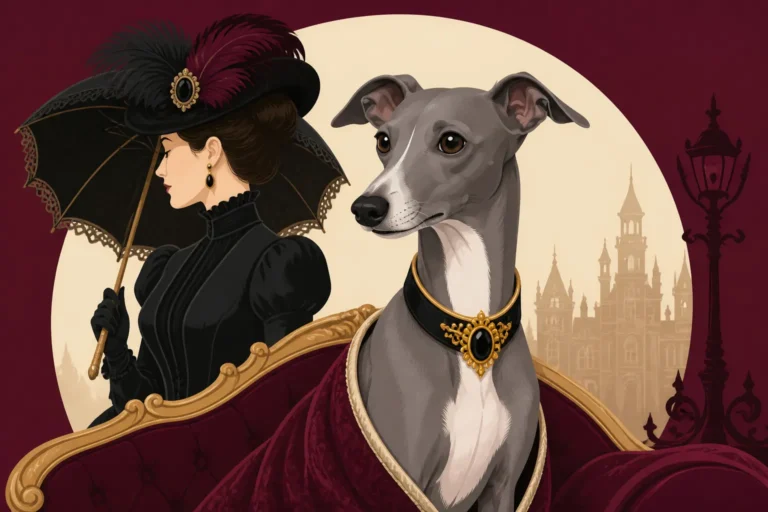
It was during the Italian Renaissance, however, that the breed truly solidified its identity and gained its modern name. From the 16th century onwards, these small, graceful sighthounds became immensely popular among European nobility and royalty. Italian aristocrats, known for their love of art, beauty, and refinement, cherished these dogs as symbols of status and elegance. This period saw concentrated breeding efforts to refine their exquisite features and maintain their small size, leading directly to the Italian Greyhound we recognize today.
Painters like Giotto, Carpaccio, and Titian often included these dainty dogs in their portraits, cementing their image as beloved companions of the elite. The Renaissance Painters Who Put Italian Greyhounds in the Frame provides a wonderful exploration of these artistic depictions. Kings and queens across Europe, including Catherine the Great of Russia and Frederick the Great of Prussia, were known to be devoted to their Italian Greyhounds. The breed’s unique build, though elegant, makes them prone to certain injuries, which owners today still must contend with. Why an Italian Greyhound's Leg Bones Break So Easily is a must-read for anyone considering owning one.
While the Egyptian connection remains a lovely, enduring myth, the true story of the Italian Greyhound, evolving from ancient Mediterranean sighthounds to the pampered pets of Renaissance Europe, is a testament to their timeless appeal and unique charm. Understanding their actual history helps us appreciate the careful breeding and cultural significance that shaped this wonderful companion animal into the breed we love today. When you’re looking for high-quality food or cozy beds for your modern Iggy, you’ll find plenty of options on retailers like Chewy, a far cry from the unknown diets of ancient hounds.
Why the Egyptian Myth Persists
It’s completely understandable why the myth of Italian Greyhounds originating in ancient Egypt continues to circulate. Beyond the visual similarities we discussed earlier, there's a certain romanticism to the idea of a breed being thousands of years old, connected to powerful civilizations and historical figures. When a dog has such a distinctive and elegant appearance, it almost feels like it should have an ancient, storied past stretching back to the dawn of civilization.
The Power of Visual Association
Our brains are hardwired for pattern recognition, and when we see a slender dog with an arched back and long legs in a depiction from ancient Egypt, it's natural to mentally connect it to the modern Italian Greyhound. The mental image of a sleek sighthound in a pharaoh's tomb is simply more compelling than a lineage traced through various European noble houses. The fact that the ancestors of modern sighthounds were present in ancient Egypt lends a kernel of truth to the idea, even if the specific breed identity is misplaced. This visual association is often reinforced in popular culture and anecdotal stories, making it a difficult misconception to dislodge.
Furthermore, many people aren't aware of the relatively recent history of formalized dog breeding. Before the 19th century, dog types were much more fluid, often named for their region of origin or their function rather than a strict genetic standard. So, the idea that a "breed" as specific as an Italian Greyhound could exist thousands of years ago seems plausible if one doesn't understand how dog breeds evolved over time. While modern Italian Greyhounds benefit from carefully selected diets and products, many readily available from suppliers like Chewy, ancient dogs simply ate what was available.
The Impact on Breed Perception
This enduring myth subtly influences how people perceive the Italian Greyhound. It adds to their mystique and enhances their image as a noble, aristocratic breed. Owners often share the myth with pride, further embedding it into the collective understanding of the breed. While it's important for historical accuracy, the core sentiment — that Italian Greyhounds are dogs of ancient elegance and refined beauty — remains true, regardless of whether their ancestors hunted alongside King Tut.
The Italian Greyhound's true history, with roots in ancient Mediterranean cultures and flourishing in the courts of Renaissance Italy, is no less impressive. It speaks to their enduring appeal as exquisite companions, a role they’ve played for centuries. The selective breeding over hundreds of years has given us the specific characteristics we adore today, from their delicate bone structure to their loving, devoted personalities. Learning about When the Italian Greyhound Arrived in Italy and How Old the Italian Greyhound Breed Is helps solidify this understanding.
Why Understanding True Breed History Matters
While it might seem like a minor point, understanding the actual history of a breed like the Italian Greyhound goes beyond mere trivia. It provides valuable insights into their temperament, physical characteristics, and even potential health concerns. Knowing their true lineage helps us appreciate their unique traits and ensures we provide them with the best possible care tailored to their heritage.
Informing Care and Expectations
When we understand that Italian Greyhounds were selectively bred for centuries to be delicate, indoor companions, it informs our expectations for their needs. This isn’t a dog designed for rugged outdoor life or intense physical labor. Their fine bones and delicate skin are a direct result of their history as pampered pets. This knowledge reinforces the importance of protecting them from falls, providing warm clothing, and ensuring a safe indoor environment. Caring for an Italian Greyhound Past Eleven also highlights how their specific needs evolve with age.
Their historical role as lap dogs also explains their "Velcro dog" personality. They thrive on human companionship and are prone to separation anxiety if left alone for extended periods. This isn’t a flaw in their character but a deeply ingrained trait shaped by centuries of close human interaction. Understanding this can help new owners set realistic expectations and adapt their lifestyle to meet their Iggy’s emotional needs. Knowing their history helps us understand their present-day quirks and vulnerabilities, guiding us to be better, more empathetic owners. It helps us understand why we need to buy specialized coats from places like Chewy when the weather gets cold, or why we need soft bedding to protect their joints.
Appreciating the Breed's Evolution
Tracing the Italian Greyhound’s evolution from more general Mediterranean sighthounds to the distinct breed of the Renaissance is a testament to human aesthetic preferences and selective breeding. It highlights how dogs were shaped not just by utility but by companionship and cultural ideals of beauty. This journey shows a deliberate refinement, not a static, ancient form.
This appreciation for their evolution helps us see the Italian Greyhound as a dynamic product of history and human-animal partnership. It allows us to honor the breeders and enthusiasts throughout the ages who carefully cultivated the traits we cherish. So, while it's fun to imagine them in Egyptian pyramids, the truth of their European refinement is a story equally worthy of celebration. For those interested in their genetic make-up, Which Breeds Are Genetically Closest to the Italian Greyhound might offer some intriguing connections.
Ultimately, whether Italian Greyhounds were truly depicted in ancient Egyptian tombs or not, their timeless elegance and affectionate nature have secured their place in human hearts for millennia. The journey of the Italian Greyhound, from ancient Mediterranean companion to Renaissance darling and modern-day family member, is a rich and captivating narrative all its own.
Disclaimer
This article is for general informational purposes only and does not constitute professional advice. Laws, prices and regulations vary by location and change over time. Consult a qualified professional for guidance on your specific situation.