How Old the Italian Greyhound Breed Is
Many Italian Greyhound owners, and even those just admiring the breed, often wonder about their origins. It’s not uncommon to hear tales of them gracing ancient Egyptian tombs or lounging with Roman emperors, giving a sense that this delicate breed is as old as civilization itself. This guide will take a deep dive into the fascinating, sometimes turbulent, history of the Italian Greyhound, exploring the true antiquity of their lineage and how they became the beloved companions we know today.
Tracing Ancient Roots: The Italian Greyhound's Early Ancestors
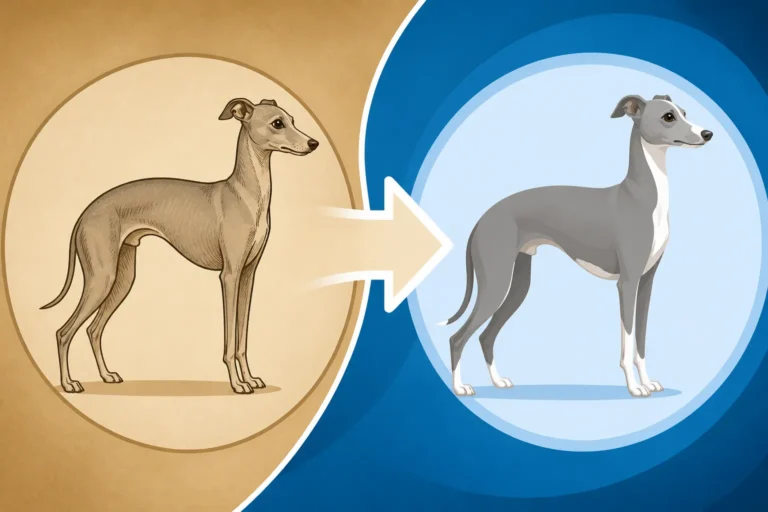
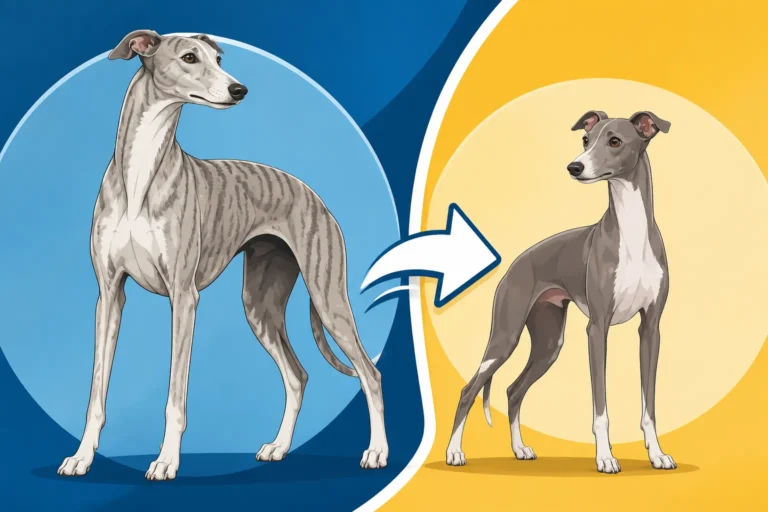
When we talk about how old the Italian Greyhound breed is, it's important to distinguish between "Italian Greyhound-type dogs" and the formally recognized breed with a specific standard. The lineage of small sighthounds is incredibly ancient, stretching back thousands of years. These dogs weren't called "Italian Greyhounds" then, of course, but their distinct features – the slender build, elegant neck, and keen, intelligent eyes – have been present in art and archaeological finds for a very, very long time. It speaks to a shared appreciation for their unique beauty and companionship across diverse cultures and eras.
Speculation from Egyptian and Greek Art
It's a romantic notion to imagine our Iggies trotting alongside pharaohs, and there's some visual evidence that fuels this idea. Ancient Egyptian tombs and artifacts often depict small, slender hounds that bear a striking resemblance to the modern Italian Greyhound. While we can't definitively say they are Italian Greyhounds, these images suggest that dogs with similar physical characteristics were cherished companions and even symbols of nobility and grace in the Nile Valley. Think of the way an Italian Greyhound carries itself – that inherent elegance isn't a new phenomenon. They might have been valued for their beauty and speed, much as larger sighthounds were.
Moving westward, we see similar representations in ancient Greek art, particularly on pottery and frescoes. Small sighthound-like dogs are shown in various settings, from hunting scenes to domestic life, indicating their presence and importance in society. Some researchers believe that these small sighthounds, which eventually made their way to Italy, might have arrived with Phoenician traders, spreading their genes and distinctive look across the Mediterranean world. So, while direct genealogical proof connecting these ancient dogs to today's Italian Greyhounds is elusive, the visual similarities are too compelling to ignore. It’s clear that the aesthetic and perhaps even some of the genetic blueprint for our modern Iggies have a truly antique pedigree. You can explore more about these early connections in Whether Italian Greyhounds Appear in Egyptian Tombs.
The Roman Empire and the Italian Greyhound-like Dogs
As these small sighthound types migrated and became established in various cultures, their presence in the Roman Empire became particularly significant for the breed's eventual development. The Romans were known for their love of dogs, and illustrations from their villas and mosaics frequently feature small, elegant hounds that align closely with the description of an Italian Greyhound. These dogs weren't just pets; they were symbols of status and refinement. A sleek, well-bred dog indicated a person of wealth and taste.
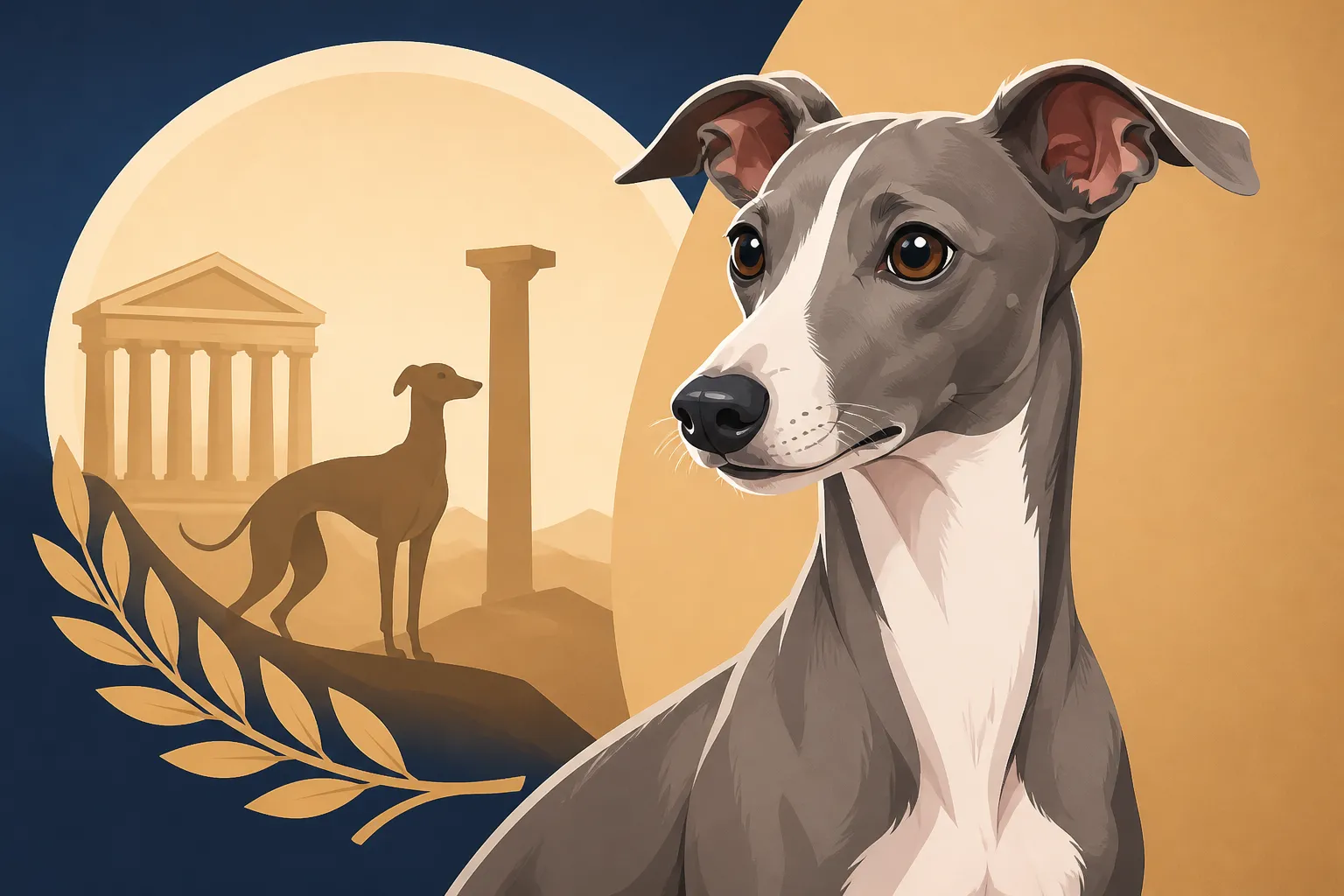
It was during the Roman era, or shortly thereafter, that these dogs began to truly flourish in the Italian peninsula, which eventually gave them their modern name. The climate, the culture, and the patronage of the Roman elite provided fertile ground for the development and refinement of these graceful canines. They were treasured companions, often seen in the arms of noblewomen or lounging on luxurious cushions. This sustained presence and adoration in Italy over centuries laid the groundwork for what would become the distinctive Italian Greyhound breed. The admiration for their delicate beauty and affectionate nature became ingrained in Italian culture, ensuring their survival and continued development through the subsequent historical periods.
The Renaissance Era: When the Breed Gained Its Name
The Renaissance was a pivotal time for many aspects of European culture, and the Italian Greyhound was no exception. This period, roughly from the 14th to the 17th century, saw a resurgence in art, philosophy, and an elevated appreciation for beauty and aesthetics. It was during this time that the "Italian Greyhound" truly came into its own, becoming inextricably linked with the Italian aristocracy and artistic movements. The breed, as we more closely recognize it today, solidified its identity and gained widespread renown across Europe. It's a testament to their enduring charm that they became such prominent figures in a period celebrated for its elegance.
Popularity Among European Nobility
During the Renaissance, the Italian Greyhound was the ultimate status symbol among the European aristocracy. Monarchs, dukes, and counts were eager to own these delicate and refined dogs, which perfectly embodied the era's ideals of grace and sophistication. They were cherished companions, often seen perched on velvet cushions or carried by their noble owners. It wasn't just about owning a dog; it was about owning this dog, a living piece of art. Their gentle temperament and small size made them ideal indoor pets, capable of bringing comfort and joy to the often-stressful lives of the upper classes.
The demand for Italian Greyhounds spread from Italy to other European courts, including those in France, England, and Germany. Royal families would exchange them as precious gifts, signifying alliances and friendships. For instance, it's said that Frederick the Great, King of Prussia, was incredibly devoted to his Italian Greyhounds, even asking to be buried among them. This aristocratic patronage was crucial in preserving and further refining the breed, ensuring that their delicate features and charming personalities were consistently bred for. This era truly cemented the Italian Greyhound's place as a cherished, high-status companion dog throughout the continent. If you want to dive deeper into the breed's impressive historical journey, check out The Italian Greyhound Is Two Thousand Years Old.
Artistic Depictions and Symbolism
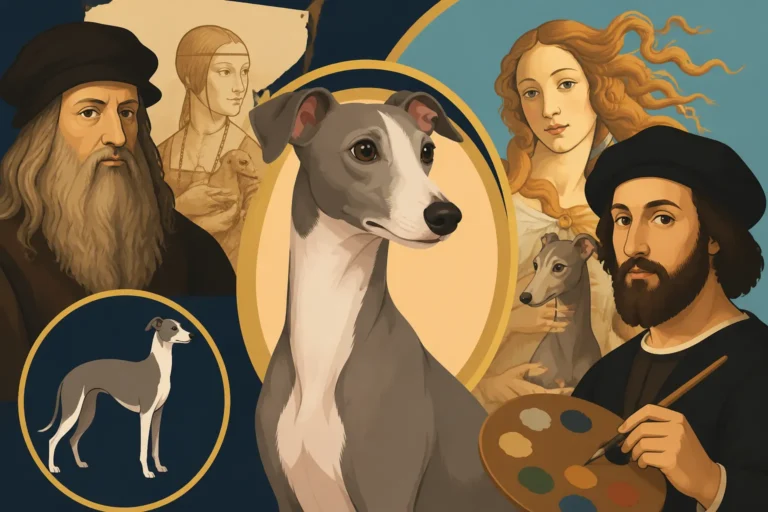
One of the most compelling pieces of evidence for the Italian Greyhound's deep roots and widespread adoration during the Renaissance is their ubiquitous presence in the art of the period. Painters like Titian, Botticelli, and Pisanello frequently included small, slender hounds in their portraits of noble families, allegorical scenes, and even religious works. These aren't just incidental details; the dogs are often prominently placed, sometimes even central to the composition, highlighting their importance to the subjects. These artistic renderings provide an invaluable visual record of the breed's appearance, which has remained remarkably consistent over centuries.
Beyond mere representation, the Italian Greyhound often carried symbolic meaning in these artworks. They could symbolize fidelity, companionship, or the refinement of the owner. Their delicate form and elegant posture lent an air of sophistication and wealth to the painting. This consistent portrayal across various artists and regions demonstrates how deeply ingrained the Italian Greyhound was in the cultural fabric of the Renaissance. Looking at these paintings today, you can immediately recognize the same lean body, arched back, and soulful gaze that characterize our modern Iggies. For a fascinating look at these historical portrayals, read Which Renaissance Painters Included Italian Greyhounds.
Near Extinction and Revival: Challenges Through the Centuries
While the Italian Greyhound enjoyed immense popularity during the Renaissance, the breed's journey through history was not without its perils. Like many breeds tied to aristocracy or specific fads, they faced significant challenges that brought them to the brink of extinction on more than one occasion. These periods were often marked by misguided breeding trends or devastating global events that decimated populations and genetic diversity. It's a stark reminder of how fragile a breed's existence can be and the dedication required to pull them back from the edge.
The Perils of Over-miniaturization
One of the most significant threats the Italian Greyhound faced came from a misguided attempt to make them even smaller. In some historical periods, particularly in the 18th and 19th centuries, there was a strong fashion trend for "pocket dogs" – the tinier, the better. Breeders, eager to meet this demand, pushed for extreme miniaturization. Unfortunately, this often involved breeding the smallest, weakest individuals, leading to serious health problems. The dogs became excessively fragile, prone to bone issues, and often struggled with reproductive difficulties, making it hard to sustain healthy populations. This pursuit of extreme daintiness compromised the breed's overall soundness and vitality.
The consequences of this over-miniaturization were dire. Many puppies did not survive, and those that did were often sickly or extremely delicate. The breed's gene pool became dangerously narrow, and their characteristic elegance started to give way to an almost sickly fragility. It was a period where the breed's charm nearly became its undoing. Thankfully, dedicated fanciers eventually recognized the damage being done and began to steer breeding practices back towards a more robust, healthy, and functional standard, moving away from the "teacup" ideal that had nearly destroyed them. The long-term effects of this period are still something responsible breeders guard against, prioritizing health and sound structure over extreme size.
The Impact of World Wars on Breeding Stock
The 20th century brought unprecedented global conflicts in the form of World War I and World War II, and these events had a catastrophic impact on many dog breeds across Europe, including the Italian Greyhound. During wartime, resources were scarce, and priorities shifted dramatically. Feeding and caring for pets, especially small, delicate ones like Iggies, became a luxury many could not afford. Kennels were often dispersed, breeding programs ceased, and many dogs succumbed to starvation, disease, or were simply lost in the chaos.
The Italian Greyhound populations in Europe, particularly in their ancestral homeland of Italy, were devastated. Travel and trade were severely restricted, making it impossible to move breeding stock or maintain connections between surviving lines. Entire bloodlines were lost, and the breed once again faced the very real prospect of disappearing entirely. These were incredibly dark times for the Italian Greyhound, pushing them to the brink of non-existence. The sheer resilience of the breed, coupled with the foresight and dedication of a few passionate individuals, was all that stood between them and oblivion. You can learn more about how close they came to vanishing in The Italian Greyhound Nearly Died Out Twice in Europe.
American Breeders to the Rescue
In the wake of the World Wars, the survival of the Italian Greyhound breed largely fell to breeders outside of Europe, most notably in the United States. While European populations were decimated, a small but dedicated group of American fanciers had been developing their own lines of Italian Greyhounds, carefully preserving the breed's distinct characteristics and genetic diversity. These American lines became the last bastion of the breed.
Following the wars, these American breeders undertook the monumental task of re-establishing the Italian Greyhound in Europe. They generously sent their dogs across the Atlantic to help rebuild the shattered European gene pool, effectively saving the breed from extinction. This act of international cooperation and dedication was critical. Without their efforts, the Italian Greyhound might only be a footnote in history books. This period highlights the profound responsibility of breeders to maintain the health and viability of a breed, especially during times of crisis. The careful selection and ethical practices of these American breeders ensured that the Italian Greyhound would continue to charm generations to come. For more on this crucial period, see How American Breeders Saved the Italian Greyhound.
Modern Recognition and Breed Standards
The journey from ancient sighthound to the modern Italian Greyhound has been a long one, culminating in its formal recognition by kennel clubs around the world. This recognition brought with it the establishment of breed standards, detailed descriptions that define the ideal appearance, temperament, and structure of the Italian Greyhound. These standards serve as a blueprint for breeders and judges, ensuring the breed's unique characteristics are preserved and promoted. It's how we maintain consistency and health across generations, celebrating the specific traits that make an Iggy an Iggy.
Establishing the Official Breed Standard
The formal recognition of the Italian Greyhound by major kennel clubs, such as the American Kennel Club (AKC), was a crucial step in solidifying its place in the modern dog world. The AKC officially recognized the Italian Greyhound in 1886. This was a significant milestone, as it meant the breed now had a defined standard, a detailed written description of what constitutes an ideal Italian Greyhound. This standard covers everything from size and weight to coat color, ear set, gait, and temperament.
The breed standard isn't just a guide for show dogs; it's a living document that helps to direct responsible breeding efforts. It aims to preserve the breed's distinctive elegance, delicate yet sturdy structure, and affectionate nature. Breeders strive to produce dogs that conform to this standard, not just for aesthetics but also for health and function. It provides a common goal, helping to prevent the recurrence of past issues like over-miniaturization that almost led to their demise. Having a clear standard means that whether you see an Italian Greyhound in California or New York, you'll recognize the inherent qualities that define the breed. When the AKC Recognized the Italian Greyhound offers more insight into this process.
Here's a simplified look at some key aspects of the Italian Greyhound breed standard:
| Feature | Ideal Description | Purpose/Impact |
|---|---|---|
| Size/Weight | 13-15 inches at shoulder; 7-14 pounds | Maintains delicate yet sturdy frame; prevents extreme fragility. |
| Head/Skull | Long, narrow, flat skull; fine muzzle; dark, alert eyes | Contributes to elegant sighthound appearance; indicates intelligence. |
| Ears | Small, fine texture; folded back (rose ears) | Characteristic ear set, adding to breed's distinctive expression. |
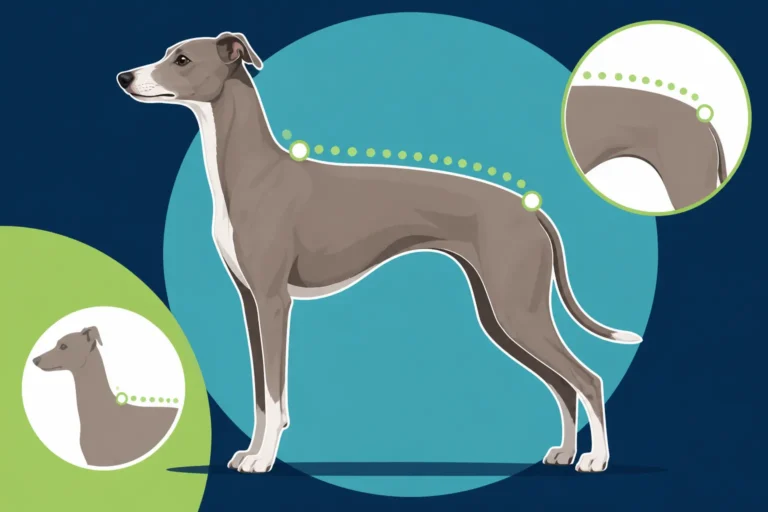
| Neck | Long, slender, gracefully arched | Enhances elegance and allows for high head carriage. |
| Body | Moderately long; deep chest; distinct tuck-up | Streamlined for speed; provides organ capacity; defines sighthound shape. |
| Legs/Feet | Long, straight, fine-boned; "hare feet" | Built for agility and grace; helps distinguish from other breeds. |
| Coat | Short, smooth, fine, glossy | Minimal grooming needs; enhances sleek appearance; sensitive to cold. |
| Tail | Long, fine, carried low and curved | Balances the dog; contributes to overall elegant outline. |
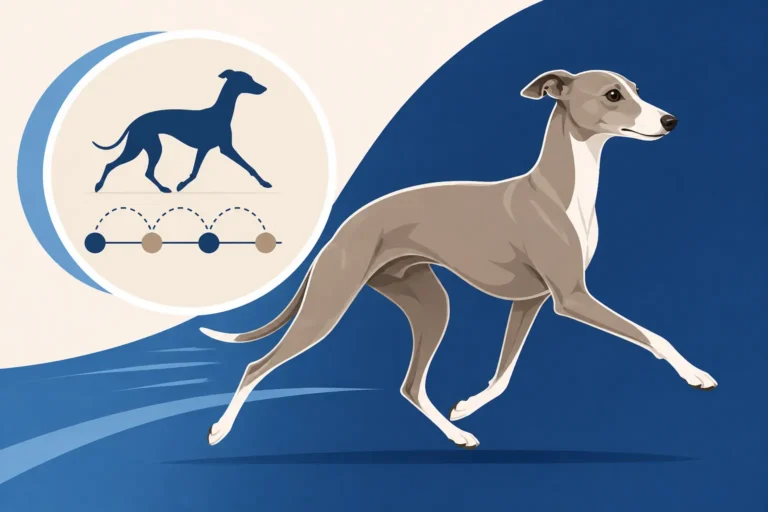
| Gait | High-stepping, free, and springy | Reflects athleticism and grace; distinguishes it from other toy breeds. |
| Temperament | Alert, intelligent, affectionate, sensitive | Defines ideal companion qualities; reinforces "Velcro dog" nature. |
Genetic Studies and Breed Relationships
In recent decades, advancements in genetic science have allowed researchers to delve even deeper into the history of dog breeds, including the Italian Greyhound. DNA studies have provided fascinating insights into their ancient lineage and how they relate to other sighthounds and dog breeds worldwide. These studies confirm what historical records and artistic depictions have long suggested: the Italian Greyhound is indeed a very ancient breed with deep roots in the sighthound family.
Genetic analysis often places Italian Greyhounds within the "ancient breeds" clade, alongside other sighthounds like Greyhounds, Whippets, and Salukis. This means they share a common, very old genetic heritage that predates many of the more recently developed dog breeds. The findings help us understand the unique genetic makeup that contributes to their distinctive physical traits – their speed, agility, and delicate structure – and reinforces their classification as a true sighthound, despite their toy size. It’s also interesting to see how closely related they are to their larger sighthound cousins, solidifying the idea that they were indeed miniaturized versions of these ancient hunters, rather than developed from entirely different stock. You can uncover more intriguing details about this in What DNA Studies Say About the Italian Greyhound. Modern tools, like those you might find through resources like Chewy, can also help owners understand their dog's genetic background, offering various DNA testing kits that explore ancestry and potential health predispositions.
Understanding Longevity: How Long Italian Greyhounds Live Today
Knowing the historical journey of the Italian Greyhound naturally leads to questions about their lifespan in the modern era. Given their delicate appearance and the challenges their ancestors faced, many people wonder how long these beautiful dogs typically live and what contributes to their longevity. The good news is that, despite their fragile reputation, Italian Greyhounds are generally a long-lived breed, often outstripping many other purebred dogs in terms of years.
Average Lifespan and Contributing Factors
On average, a well-cared-for Italian Greyhound can live a respectable 12 to 15 years, with many individuals happily reaching 16 or even 17 years. This makes them one of the longer-lived purebred breeds, which is a wonderful trait for any companion animal. The factors contributing to this impressive lifespan are multifaceted. First, their small size generally works in their favor; smaller dog breeds tend to have longer lifespans than giant breeds. Second, they are generally a relatively healthy breed with fewer endemic, life-shortening genetic conditions compared to some other purebreds, provided they come from responsible breeding.
Key factors that profoundly impact an individual Italian Greyhound's lifespan include:
- Genetics: A strong genetic background, free from inherited diseases, is paramount. This is why choosing a puppy from a reputable breeder who performs health testing is so vital.
- Nutrition: A high-quality, balanced diet appropriate for their age and activity level provides the building blocks for good health.
- Preventative Veterinary Care: Regular check-ups, vaccinations, parasite control, and proactive dental care (a major concern for Iggies) can prevent minor issues from becoming major health crises.
- Safe Environment: Protecting their delicate bones from injury is huge. Avoiding falls, providing ramps, and supervising playtime with larger dogs dramatically reduces the risk of life-threatening fractures.
- Mental and Physical Exercise: While not needing extensive workouts, regular, appropriate exercise and mental stimulation contribute to overall well-being.
- Emotional Well-being: As "Velcro dogs," Iggies thrive on companionship. A loving home environment with plenty of attention helps reduce stress and promotes a happy, healthy life.
It's a combination of good genes and dedicated care that truly allows an Italian Greyhound to reach its full lifespan potential. For more detail on their typical lifespan, you might find How Long an Italian Greyhound Lives on Average to be a helpful read.
The Importance of Responsible Breeding for Health
While Italian Greyhounds are generally long-lived, their delicate nature and history of near-extinction highlight the critical importance of responsible breeding practices. A truly ancient breed means that there have been many opportunities for genetic bottlenecks and the introduction of inherited health issues. Responsible breeders today play a crucial role in safeguarding the breed's future health and longevity.
They achieve this by:
- Health Testing: Screening prospective breeding dogs for known genetic conditions prevalent in the breed, such as certain eye diseases (like Progressive Retinal Atrophy) and patellar luxation. This minimizes the risk of passing these conditions on to puppies. A good breeder will be transparent about the health tests they perform; a great place to start learning about these is What an Italian Greyhound Breeder Should Have Tested.
- Maintaining Genetic Diversity: Avoiding too much inbreeding helps to keep the gene pool broad and robust, reducing the likelihood of recessive genetic disorders appearing. This is a lesson learned from the past periods of breed crisis, such as How Narrow the Italian Greyhound Gene Pool Became.
- Prioritizing Sound Structure: Breeding for correct bone structure and conformation, rather than extreme miniaturization, helps prevent the fragility that historically plagued the breed. This means selecting for healthy, well-proportioned dogs that can lead active lives without undue risk of injury.
- Temperament Assessment: Ensuring that breeding dogs have stable, typical Italian Greyhound temperaments, promoting the affectionate and intelligent nature that makes them such wonderful companions.
When you look for an Italian Greyhound, asking about the health testing of the parents and the breeder's philosophy is paramount. Resources like Chewy, for example, often offer educational content and product solutions that support responsible pet ownership, from specialized diets to ergonomic beds, which can contribute to a long, healthy life for an Italian Greyhound from a well-bred line. By supporting responsible breeders, we ensure that the Italian Greyhound, a breed with a history spanning millennia, continues to thrive and bring joy for generations to come.
Disclaimer
This article is for general informational purposes only and does not constitute professional advice. Laws, prices and regulations vary by location and change over time. Consult a qualified professional for guidance on your specific situation.