What the Italian Greyhound’s Gait Should Look Like
One of the most graceful, yet often misunderstood, aspects of owning an Italian Greyhound is understanding how they move. Many new owners, and even some seasoned ones, might not fully grasp the nuances of their Iggy's gait, often missing subtle clues about their health or simply not appreciating the elegant engineering behind their stride. This guide is here to shed light on what a truly healthy and characteristic Italian Greyhound gait looks like, helping you observe your companion with a more discerning eye.
Understanding the Italian Greyhound's Unique Movement
The way an Italian Greyhound moves isn't just about getting from point A to point B; it's a profound expression of their breed's history, physical structure, and overall well-being. These dogs are built for speed and agility, and every aspect of their conformation contributes to their distinct, effortless trot. Truly understanding this isn't just for show enthusiasts; it's vital for appreciating your Iggy's health and comfort.
Why a Proper Gait Matters Beyond the Show Ring
While judges in the show ring meticulously evaluate every step, a proper gait is far from just an aesthetic concern. For your everyday Italian Greyhound, a sound and efficient gait translates directly to comfort, longevity, and a reduced risk of injury. When a dog moves correctly, its skeletal structure, muscles, and joints are all working in harmony, distributing weight and absorbing impact as nature intended.
Think about it: if your Iggy is constantly putting undue stress on one joint because of an unbalanced stride, that joint is going to wear down faster. This can lead to conditions like arthritis much earlier in life, or exacerbate existing issues. An awkward or inefficient gait also means your dog has to expend more energy to move, leading to quicker fatigue and less enjoyment from their daily walks or zoomies. Observing their movement closely can be one of the first indicators that something subtle is amiss, long before outright lameness appears. It's a proactive way to monitor their health, ensuring they remain spry and pain-free for as many years as possible.
The Sighthound Influence
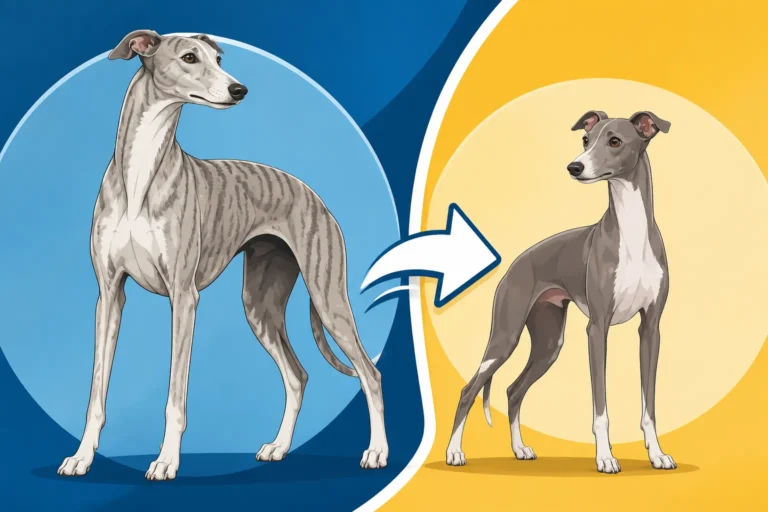
To truly appreciate the Italian Greyhound's gait, you have to remember their roots as sighthounds. These dogs, though small, share the same fundamental physical blueprint as their larger cousins, the Greyhounds and Whippets. They were originally bred to spot and chase small game, meaning their entire body is designed for bursts of incredible speed, efficient locomotion, and quick turns.
This sighthound heritage manifests in their deep chest for powerful lungs, a flexible spine for maximum reach and extension, and long, lean muscles built for propulsion rather than brute strength. Their relatively light bone structure, while making them prone to injury in some situations, also contributes to their airy, almost floating movement. When you watch an Italian Greyhound move, you're seeing thousands of years of selective breeding for efficient, graceful speed. It's not just a dog walking; it's a miniature athlete in motion, a testament to its ancestral purpose, even if their biggest hunt today is for a dropped crumb.
The "High-Stepping" Myth vs. Reality
One common misconception, especially among those new to the breed, is that an Italian Greyhound should have a noticeably "high-stepping" gait, almost like a hackney pony. While they certainly have an elegant lift to their feet, the term "high-stepping" can sometimes conjure an image of exaggerated, prancing movement that isn't truly characteristic of the breed standard.
The ideal Italian Greyhound gait is about reach and drive, not excessive lift. Their front legs should reach forward smoothly, covering ground efficiently, with just enough lift to clear obstacles. Similarly, their hind legs should drive powerfully from behind, pushing them forward. An overly high-stepping or prancing gait can actually be a sign of poor structure or even pain, where the dog is lifting its feet more to avoid discomfort or due to restricted movement in the shoulders or hips. It's a subtle but important distinction: elegant and ground-covering, yes; exaggeratedly prancy, no. This fine balance is what gives them that signature "floating" appearance rather than a stiff, high-kneed march.
The Hallmark of the Italian Greyhound Gait: Reach and Drive
When you boil it down, the essence of a correct Italian Greyhound gait is encapsulated in two words: "reach and drive." This describes how their front and hind limbs work together in a coordinated, powerful, and efficient manner. It’s what allows them to cover ground with such apparent ease and grace, whether they are enjoying a leisurely trot in the park or a sudden burst of their famous "zoomies."
Forelegs: Graceful Reach and Effortless Extension
The front assembly of an Italian Greyhound is a marvel of engineering designed for expansive reach. When an Iggy is trotting, you should see the front legs extending forward from the shoulder, not just from the elbow, with a fluid, pendulum-like motion. The shoulder blade itself should have a good layback, allowing for this broad range of motion. Their elbows should remain close to their body, moving freely but without flaring out.
As the front paw lands, it should be placed well ahead of the body, seemingly reaching out to grasp the ground. There shouldn't be any "paddling" (where the paws arc outward) or "knuckling over" (where the dog seems to walk on the top of its paw). The pads of their delicate feet should make contact first, then the toes, providing gentle shock absorption. This effortless extension from the front is crucial for covering ground efficiently and helps maintain their balance and momentum, preventing unnecessary strain on their joints. A restricted front reach can often indicate tight shoulders or incorrect angulation, which can hinder their natural movement and potentially lead to discomfort down the line.
Hindquarters: Powerful Drive and Flexible Hocks
If the forelegs provide the reach, the hindquarters are the engine providing the powerful drive. An Italian Greyhound's hind legs are built for propulsion, designed to push off the ground with impressive force. This power originates from well-muscled thighs and strong, flexible hocks (equivalent to our ankles).
As the hind leg extends, it should reach far under the body, allowing for a long, driving push-off. The hocks should exhibit a good degree of flexion and extension, acting like springs to propel the dog forward. There shouldn't be any "cow-hocked" appearance (where the hocks turn inward) or "bow-leggedness" (where they turn outward) while moving. When viewed from the rear, the hind legs should track straight and true, much like the front. The coordinated effort between reaching front and driving rear creates a rhythmic, balanced motion that is a hallmark of the breed. Any stiffness in the hocks or a lack of powerful drive can signal underlying issues with muscle development, joint health, or even a subtle injury that might need a vet's attention.
The Importance of a Level Topline
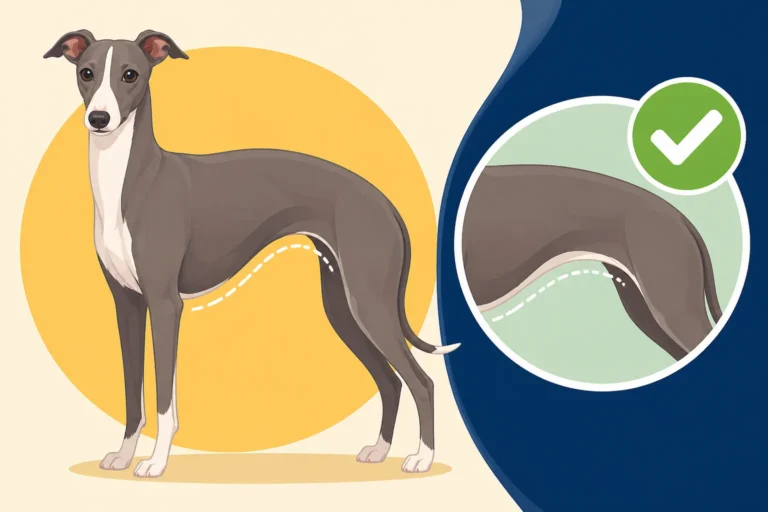
Beyond the limb movements, the Italian Greyhound's topline – the line of their back – plays a critical role in defining their correct gait. While stationary, the breed standard describes a topline that rises gently over the loin, creating a slight arch. However, when moving at a trot, this topline should remain remarkably stable and level.
Imagine a teacup placed on their back; it should ideally stay there without spilling! This stable topline indicates that the dog's core muscles are engaged, and its spinal column is supporting its movement efficiently. A bouncing, swaying, or dipping topline during movement can suggest weakness in the core, an imbalance in their structure, or even discomfort. This stability allows the powerful rear drive to transfer smoothly through the body to the front, creating a fluid, efficient gait. It's a testament to the seamless integration of their skeletal structure and musculature, allowing them to carry themselves with such characteristic poise and grace.
Observing Your Italian Greyhound's Gait: What to Look For
Watching your Italian Greyhound move is more than just a casual glance; it's an opportunity to appreciate their unique physical attributes and to spot any subtle changes that might indicate a problem. To get a comprehensive view, you'll want to observe them from several angles and at different speeds.
Watching from the Side: The "Suspended Trotting" Illusion
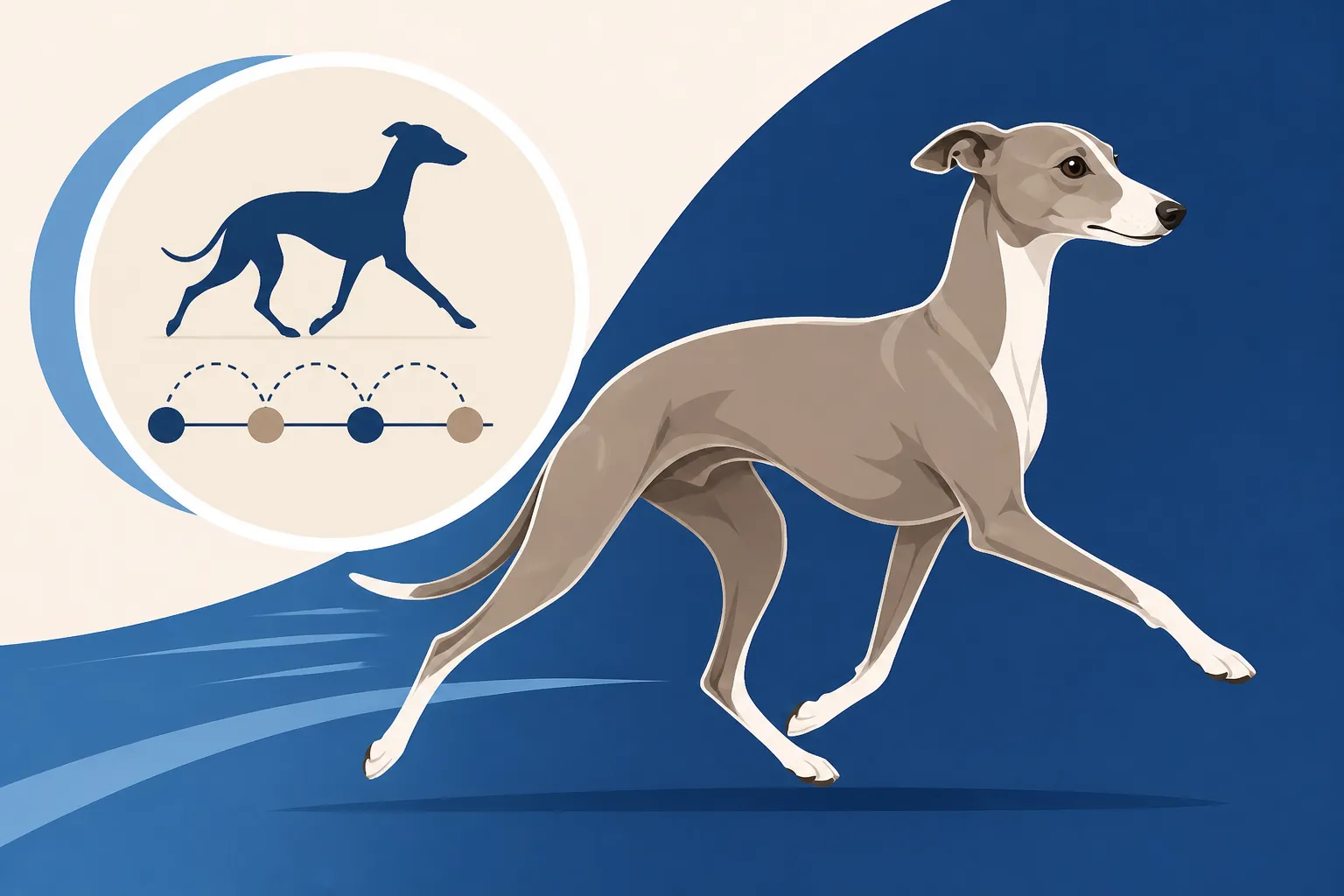
Observing your Italian Greyhound from the side is where you'll best appreciate the elegant flow of their movement, often described as a "suspended trot." As they move at a moderate pace, you should see a moment where all four feet are off the ground, creating a graceful, almost floating appearance. This isn't a continuous flight phase like a gallop, but a brief moment of suspension as their limbs cycle.
When viewed from the side, look for a rhythmic, balanced stride. The front leg on one side and the hind leg on the opposite side (e.g., left front and right rear) should move forward together, almost as if they are crossing paths or overlapping briefly beneath the body. This is called a diagonal trot, and it's the most efficient gait for many dogs. The front feet should reach out and place themselves well forward, while the hind feet should drive powerfully underneath the body. There should be no choppy or short steps; instead, the movement should appear long, effortless, and cover a lot of ground with minimal vertical bounce. Pay attention to how high they lift their feet – too much lift might suggest stiffness or an attempt to clear something, while not enough could mean they're dragging their feet.
Observing from Front and Rear: Parallel Tracking and Soundness
After observing from the side, getting a good look at your Iggy coming towards you and going away is crucial for assessing soundness and limb alignment. From both the front and the rear, the legs should track in straight, parallel lines. Imagine lines extending from their shoulders down to their paws, or from their hips down to their paws – these lines should be straight and consistent.
When coming towards you, the front legs should extend straight forward, with the paws landing directly in line with the shoulders. There shouldn't be any "crabbing" (where the dog moves sideways, not in a straight line), "cross-gaiting" (where the legs cross over each other), or "paddling" (paws swinging out) or "weaving" (paws swinging in). The elbows should remain close to the body. Similarly, as they move away from you, the hind legs should drive straight back, with the hocks flexing and extending without turning in or out. Their pads should be facing straight ahead. Any deviation from this parallel tracking can indicate structural issues, pain, or muscle weakness. It's a sign that their body isn't working as efficiently as it should, potentially putting strain on joints. You can often notice this more clearly on a straight path, like a sidewalk or a long hallway at home.
Speed Variations: Walk, Trot, and Gallop
An Italian Greyhound's gait isn't static; it smoothly transitions through different speeds, each with its own characteristics, while still maintaining efficiency. Observing these changes can also give you clues about their overall health and athleticism.
At a walk, their movement should be deliberate, with each foot lifting and placing sequentially. It's a four-beat gait, where you hear four distinct footfalls. Even at this slower pace, you should still see good reach and extension, though not the suspension of a trot. The head and tail might have a gentle sway, but the back should remain relatively stable. As they pick up speed into a trot, it becomes a two-beat gait, with diagonal pairs of legs moving together (left front and right rear, then right front and left rear). This is the most efficient and often most graceful pace, where the "suspended" moment is most visible. Their head and neck might extend slightly, and the tail might be carried a bit higher. Finally, the gallop is where their sighthound speed truly shines. This is a fast, powerful, four-beat gait with a pronounced period of suspension and collection. Their body stretches out fully, and then coils dramatically, pushing off the ground with immense power. It's a breathtaking display of athleticism, but not one you'll observe in a controlled environment as easily as a walk or trot. Any awkwardness or hesitation in transitioning between these gaits can be a red flag.
Common Gait Issues and What They Might Indicate
Even with the most meticulous care, Italian Greyhounds can sometimes develop issues with their gait. Recognizing these subtle signs is a huge part of being a proactive owner. It's not about being overly paranoid, but rather being observant enough to catch potential problems early, before they become more serious or painful.
Skipping or Hopping: Patellar Luxation Concerns
One of the most common gait abnormalities you might notice in an Italian Greyhound is a sudden skip or hop, especially when they're running or changing direction. They might be trotting along normally, then suddenly lift one hind leg for a few steps, perhaps shaking it out, before putting it back down and resuming a normal stride. This distinctive "skipping" is a classic sign of Patellar Luxation in an Italian Greyhound.
Patellar luxation means that the kneecap (patella) temporarily slips out of its groove in the thigh bone. When it slips out, the dog can't extend its leg properly, so it holds it up until the kneecap either slips back into place on its own or the dog manipulates it back. While some Iggies can live with mild luxation without much discomfort, it can cause pain, lead to arthritis over time, and in severe cases, require surgical correction. If you notice your Iggy doing this even occasionally, it's definitely something to discuss with your veterinarian. They can assess the grade of luxation and advise on the best course of action.
Stiffness or Reluctance to Move: Arthritis or Injury
Sometimes, the signs are more generalized. You might notice your Italian Greyhound seems a bit stiff after waking up, or they're slower to get up from lying down. Perhaps they're reluctant to jump on or off furniture, or they seem less enthusiastic about their usual walk or zoomie session. This general stiffness or reluctance to move can be a subtle indicator of pain or discomfort.
In older Italian Greyhounds, this can often be a sign of Arthritis in an Italian Greyhound's Healed Leg or just age-related joint stiffness. However, it can also point to a more acute injury, such as a muscle strain, a sprain, or even a hairline fracture that isn't yet causing obvious lameness. Remember, Italian Greyhounds are incredibly stoic and masters at hiding pain, so any change in their willingness to move or their usual agility warrants attention. If you see signs of limping, holding a limb up, or crying out when touched, it could mean something more significant like Signs an Italian Greyhound Has Broken a Leg, which would require immediate veterinary care. Never dismiss stiffness or reluctance to move as "just getting old" without first ruling out treatable causes with your vet.
Crabbing or Pacing: Potential Structural Imbalances
Less dramatic but still significant gait anomalies include "crabbing" or "pacing." Crabbing is when a dog runs with its body angled, carrying its rear slightly to one side rather than running in a perfectly straight line. It looks a bit like a crab scuttling sideways, even though the dog is moving forward. Pacing, on the other hand, is when the dog moves both legs on the same side of its body forward at the same time (e.g., left front and left rear, then right front and right rear), rather than the diagonal movement of a trot.
Both crabbing and pacing can indicate structural imbalances, discomfort, or inefficiency in movement. Crabbing might be an attempt to compensate for a minor discomfort in one hip or stifle, or it could be a structural flaw where the dog's angulation isn't quite matched front to back. Pacing is often seen in dogs with a short, stiff back, or those carrying extra weight, as it can be less strenuous than a true trot for some. While pacing can be a natural gait for some breeds, it's not typical for a healthy Italian Greyhound trot. If your Iggy consistently displays either of these gaits, it's worth discussing with your vet or a canine physical therapist to identify any underlying causes and ensure they're moving as comfortably and efficiently as possible.
Factors Influencing an Italian Greyhound's Gait
An Italian Greyhound's gait isn't fixed; it's a dynamic reflection of their age, environment, and overall health. Understanding these influencing factors can help you better interpret what you're seeing and proactively support their mobility throughout their lives.
Age and Development: From Puppy Wiggles to Mature Stride
Watching an Italian Greyhound puppy zoom around is an absolute joy, but their gait in those early months is very different from that of a mature adult. Puppies are still developing their coordination, muscle strength, and bone density. Their movements might appear clumsier, more exaggerated, or less refined. They'll have bursts of uncoordinated energy, and their little legs might seem to go in all directions. This is perfectly normal as they learn to navigate the world.
However, as they grow, their bones are still hardening, and their growth plates are still open. This is a critical period for bone development, and excessive or inappropriate exercise can be detrimental. You’ll want to be mindful of The Age an Italian Greyhound's Bones Finish Hardening to understand when their skeletal system is more robust. By the time they reach adulthood, usually around 12-18 months, their gait should have settled into that elegant, efficient stride we described. In contrast, an older Italian Greyhound might show subtle changes. They might be a little stiffer, have slightly less spring in their step, or their overall speed might decrease. This is a natural part of aging, but it's important to differentiate between normal age-related slowing and pain-induced reluctance to move.
Environment and Surfaces: Impact of Hardwood Floors and Rough Terrain
The ground an Italian Greyhound walks on profoundly impacts their gait and comfort. Their delicate, minimally padded feet and light bone structure are not ideally suited for all surfaces. Hardwood floors, tile, and other slippery indoor surfaces can be particularly challenging and even dangerous for an Iggy. They often struggle to get traction, leading to splayed legs, awkward movements, and an increased risk of slips, falls, and even fractures. This is why many Italian Greyhound owners invest in runners and rugs to provide better footing, understanding that Whether Rugs Help an Italian Greyhound on Hardwood is a critical consideration for safety.
Similarly, rough outdoor terrain, like rocky trails or uneven pavement, can be hard on their sensitive paws and joints. While they love to run, sustained activity on such surfaces can cause discomfort or injury. Paved sidewalks and grassy areas are generally much kinder to their feet. In cold weather, snow and ice not only pose a slipping hazard but can also cause frostbite on their delicate paw pads if they're out too long without protection. Being mindful of the environment and providing appropriate measures, such as booties for winter walks or ensuring non-slip surfaces indoors, is crucial for preserving their healthy gait.
Overall Health and Conditioning: Muscle Tone and Weight
An Italian Greyhound's overall health, muscle tone, and weight are direct contributors to the quality of their gait. A well-conditioned Iggy with appropriate muscle mass will move with more power, fluidity, and resilience. Their muscles support their joints, absorb shock, and contribute to their elegant posture. Regular, appropriate exercise, such as daily walks (keeping in mind How Far an Italian Greyhound Should Walk Daily) and safe play, is essential for maintaining this muscle tone.
Conversely, an Italian Greyhound that is either underweight or overweight can suffer from gait issues. An underweight Iggy, which is common given their low body fat, might lack the muscle mass to support their frame properly, leading to weakness and a less powerful stride. Checking for Signs an Italian Greyhound Is Underweight involves feeling their ribs, spine, and hip bones. On the other hand, an overweight Italian Greyhound puts undue stress on its joints, leading to a heavier, more cumbersome gait, and increased risk of injury and arthritis. If you notice Signs an Italian Greyhound Is Overweight, such as their ribs being hard to feel or a noticeable layer of fat, addressing their diet and exercise is crucial. Both extremes can lead to compensatory movements, discomfort, and a less efficient gait, highlighting the importance of maintaining their ideal weight and fitness level.
Maintaining a Healthy Gait for Your Italian Greyhound
Ensuring your Italian Greyhound maintains a healthy, elegant gait throughout their life is a continuous commitment. It involves a holistic approach that covers their physical activity, nutrition, and regular health check-ups. It's about being proactive and attentive to their unique needs as a breed.
Regular Exercise and Appropriate Play
For an Italian Greyhound, exercise is vital not just for mental stimulation but also for building and maintaining the lean muscle mass that supports their delicate frame. Daily walks are a must, but the type and intensity of play are equally important. Short bursts of running, or "zoomies," are characteristic of the breed and excellent for their cardiovascular health and muscle development. However, these activities need to be conducted in a safe, enclosed area where they can't dart off after a squirrel or other perceived prey.
Activities that involve sudden, uncontrolled twists, high jumps, or rough-and-tumble play with larger, heavier dogs should be avoided. Their fine bones are prone to fractures, and a misstep during boisterous play can have serious consequences. Instead, encourage safe, controlled games of fetch on soft surfaces, lure coursing (a fantastic outlet for their sighthound instincts), or short, brisk walks. Providing ramps or steps for furniture access can also significantly reduce the risk of injury from jumping, protecting their joints and bones over the long term. Remember, the goal is consistent, safe activity that strengthens their body without putting them at undue risk.
Nutrition and Supplementation for Joint Health
A balanced diet forms the foundation of overall health, and this directly impacts joint health and, consequently, gait. High-quality dog food, appropriate for their age and activity level, provides the essential nutrients for strong bones, healthy cartilage, and resilient muscles. For Italian Greyhounds, who are notoriously lean, ensuring they receive enough calories without becoming overweight is a delicate balance.
As Italian Greyhounds age, or if they've had previous injuries, considering joint supplements can be beneficial. Ingredients like glucosamine, chondroitin, and Omega-3 fatty acids (found in fish oil) are commonly used to support cartilage health and reduce inflammation. You can often find a wide variety of these supplements and high-quality dog foods specifically formulated for joint health on platforms like Chewy, making it convenient to source what you need. Always discuss any supplementation plans with your veterinarian, as they can recommend the best products and dosages based on your individual Iggy's needs and existing health conditions. Proper nutrition isn't a cure-all, but it's a powerful preventative measure to support their mobility.
Working with Your Vet and Specialists
Your veterinarian is your most important partner in maintaining your Italian Greyhound's healthy gait. Regular wellness exams are crucial for catching subtle changes before they become major problems. Vets can perform orthopedic examinations, checking for range of motion, pain response, and early signs of conditions like patellar luxation or arthritis. Don't underestimate the importance of routine check-ups; How an Italian Greyhound Hides Pain means you might not see obvious signs until a condition is quite advanced.
If your vet identifies a gait abnormality or suspects a musculoskeletal issue, they might recommend further diagnostics like X-rays or refer you to a specialist, such as a veterinary orthopedist or a canine physical therapist. These specialists have advanced knowledge and tools to diagnose complex conditions and develop tailored treatment plans, which might include medication, specific exercises, or even surgical intervention. Finding a vet who understands the unique physiology of sighthounds can also be incredibly beneficial, as Why an Italian Greyhound's Vet Should Know Sighthounds ensures they are aware of breed-specific predispositions and anesthetic considerations. Being proactive and seeking professional advice at the first sign of trouble can make a world of difference in your Italian Greyhound's long-term comfort and mobility.
Disclaimer
This article is for general informational purposes only and does not constitute professional advice. Laws, prices and regulations vary by location and change over time. Consult a qualified professional for guidance on your specific situation.