Whether an Italian Greyhound Can Be All White
An Italian Greyhound with a nearly white coat can prompt questions about breed standards, pigmentation, and sun sensitivity. The short answer is that a white or mostly white Italian Greyhound may be possible, but “all white” can mean several different things—and whether that coat meets a show standard depends on the registry. Here’s how to tell the difference and what to consider for your dog’s care.
Can an Italian Greyhound Be All White
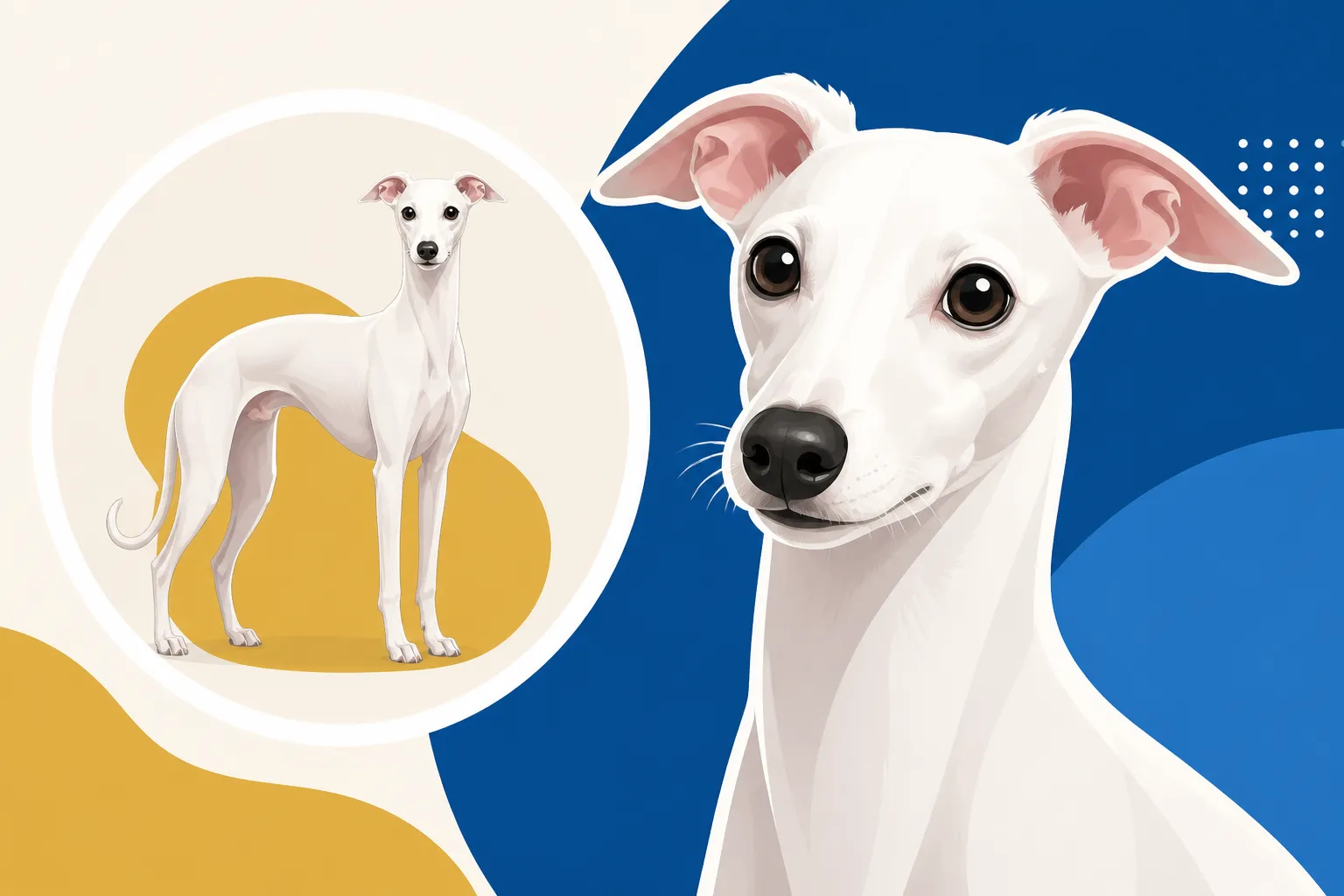
An Italian Greyhound can look white, especially when its coat is very pale or it has extensive white markings. But a bright white coat, a pale cream coat, and white patches on a darker coat are not necessarily the same thing. Looking at the dog’s skin, nose, eyes, and markings can help describe what you’re seeing, though a veterinarian or knowledgeable breeder is best placed to assess an individual dog.
White markings, pale coats, and solid white coats
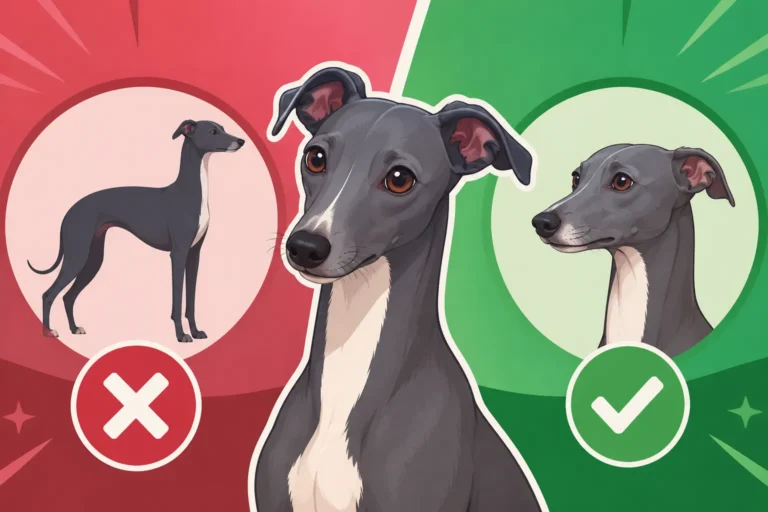
White markings often appear on an Italian Greyhound’s chest, toes, or face. A dog with these markings can still look predominantly white, particularly if the colored patches are small. In other dogs, a light cream, fawn, or gray coat may look almost white in bright daylight, even though it has visible color when seen indoors or beside a sheet of white paper.
A genuinely solid-white appearance is different from a white dog with a few colored hairs or faint patches. It’s also worth separating coat color from skin pigment. A white-haired dog may still have dark pigment on its nose, eyelids, paw pads, or skin. Conversely, pink skin beneath white hair is more exposed to sunlight, so it deserves extra attention.
The phrase “all white” is often used casually rather than as a precise description. If you’re asking a breeder about a puppy, request clear photos in natural light and ask whether the puppy has any colored patches, ticking, or pigment changes. The broader guide Which Colors an Italian Greyhound Comes In explains the range of coat shades and patterns people commonly encounter.
White does not automatically mean albino
A white coat alone does not establish that a dog has albinism. Coat color and pigment in the eyes, skin, and nose are related but distinct features. A white-coated Italian Greyhound may have ordinary pigmentation in those areas, while a dog with unusually little pigment may have pale or pink skin and very light eyes.
If your dog has a pink nose, pale eyelids, or very light eyes, don’t try to diagnose the cause based on appearance alone. Ask your veterinarian to examine the dog, particularly if you notice squinting, eye irritation, skin redness, or a change in vision. Those signs deserve attention whether the dog is white, cream, or another color.
It’s also sensible to ask for the puppy’s recorded color and any available information about its parents. A responsible breeder should be comfortable explaining how they describe the coat and what the relevant breed registry allows. Whether Coat Color Predicts an Italian Greyhound's Health offers more context on why color by itself is not a reliable shortcut for judging an individual dog’s health.
Do Breed Standards Allow a White Italian Greyhound
The answer depends on the registry and the country where the dog is being judged. Breed standards are written for conformation shows, not as a general test of whether a dog is a healthy or “real” Italian Greyhound. A dog can be a beloved Italian Greyhound and still have a color or marking that does not fit a particular show standard.
Registry rules can differ
The American Kennel Club’s Italian Greyhound standard accepts a broad range of colors and markings, with specified exceptions for brindle and black-and-tan markings. Under that standard, white is not automatically disqualifying simply because it is white. For a dog being considered for showing, however, check the current wording and ask a knowledgeable breeder or the relevant registry how that exact coat would be evaluated.
Some standards used in other countries describe accepted colors more narrowly and may allow white only in particular areas, such as the chest or feet. That means a mostly white or solid-white dog may be treated differently depending on where it is being shown. Don’t assume that a rule you heard from a breeder in one country applies everywhere.
| What you see | What it may mean | What to check |
|---|---|---|
| White on the chest or toes | White markings on a colored coat | The registry’s rules for markings |
| A very pale cream or fawn coat | A light color that can look white in some lighting | Coat color in natural daylight and registry terminology |
| Large white areas with colored patches | A predominantly white pattern | Whether that amount and placement of white is allowed under the relevant standard |
| White coat with pink or lightly pigmented skin | Low pigment in exposed areas may be present | Sun protection and veterinary advice |
| A white-looking dog with dark nose and eye pigment | White hair with visible pigment elsewhere | Accurate description from the breeder or veterinarian |
If showing matters to you, ask about the applicable standard before choosing a puppy. Which Colors the Italian Greyhound Standard Accepts and Whether White Markings Are Allowed on an Italian Greyhound are useful companion topics, but the registry’s own standard should guide show-related decisions.
Show eligibility is not a measure of worth
It can feel disappointing to learn that a dog’s color may limit show eligibility, especially if you’ve already fallen in love with a puppy. But conformation rules are about judging dogs against a written description of the breed. They do not determine whether a dog can be a wonderful companion, take part in training, or enjoy an active life.
If you are buying from a breeder, be clear about your goals. Someone hoping to show should ask about the puppy’s color, markings, pedigree, and the breeder’s experience with the relevant standard. Someone looking for a companion can focus more broadly on health, temperament, early socialization, and whether the breeder provides clear records and support.
Color should not distract from health questions. Ask what health screening has been done on the parents and what documentation is available. What an Italian Greyhound Breeder Should Have Tested provides a broader checklist for those conversations.
Caring for a White or Mostly White Italian Greyhound
A white coat does not automatically mean an Italian Greyhound has a health problem. Still, Italian Greyhounds have a short, fine coat and little body fat, so sensible skin and weather care matters regardless of color. Areas with thin hair or pale skin may need particular protection from strong sun.
Watch for sun exposure
Sun can irritate or burn exposed skin, especially on areas with sparse hair or little pigment. Think about the nose, ear edges, belly, and any pale or thinly coated patches. A long sunny outing, a nap beside a bright window, or repeated time in a yard without shade can add up to more exposure than owners expect.
Plan outdoor time thoughtfully. Choose shade when possible, avoid leaving your dog outside unattended, and be cautious during the brightest part of the day. A light protective shirt can help cover the body, but it should fit comfortably, allow movement, and not cause overheating. For clothing or pet-formulated sun-care options, retailers such as Chewy may offer items to compare; ask your veterinarian what is appropriate for your dog before applying anything to the skin.
Do not assume human sunscreen is safe for dogs. Some ingredients can be harmful if licked or swallowed, and dogs are very good at licking a product off their noses or legs. Ask your veterinarian for a pet-safe option and follow the label’s directions. If you browse products through Chewy, check the ingredients and intended use carefully, then confirm suitability with your veterinary team.
A reddened, tender, peeling, or scabbed area should not be treated as a simple cosmetic issue. Contact your veterinarian for advice, especially if the skin is painful, worsening, or repeatedly affected. More detailed guidance appears in Which Italian Greyhound Colors Sunburn Fastest and Where to Put Sunscreen on an Italian Greyhound.
Check skin and coat routinely
A quick weekly check can help you notice irritation early. Run your hands gently over the dog’s body and part the coat where it is thin. Look for redness, flaking, sores, new bumps, or areas where hair seems to be thinning. White hair can make some skin changes easier to see, but it can also make owners focus on color rather than the condition of the skin itself.
Keep notes if a patch changes over time. A photo taken in consistent lighting can help you describe a change to your veterinarian, especially if the dog is squirmy during an appointment. Don’t assume a new bare patch is caused by sun or coat color; skin problems can have different causes and may need an examination.
When buying sun-protective clothing or care products, treat Chewy or any other retailer as a place to compare options, not a substitute for veterinary guidance. Fit, fabric, ingredients, and whether the dog can lick the product all matter. The safest choice is the one your veterinarian says is appropriate and your dog will comfortably tolerate.
Questions to Ask Before Choosing a White Puppy
If you’re considering an Italian Greyhound advertised as white, a few specific questions can clear up confusion. Ask the breeder how they describe the puppy’s color, whether there are colored markings or faint patches, and how the puppy’s pigment looks around the nose, eyes, and paw pads. Request natural-light photos rather than relying on heavily edited images.
Ask about documentation and expectations
If you hope to show the dog, identify the registry and country whose rules apply before making a decision. Ask the breeder whether they believe the puppy’s color and markings meet that standard, and whether that opinion is based on the written standard or informal experience. A careful breeder should be willing to explain uncertainty rather than promise show eligibility based on a photo.
If you are looking for a companion, ask about the puppy’s health, temperament, socialization, and the parents’ health screening. A distinctive coat can be appealing, but it should not become the main reason to overlook basic questions about responsible breeding and care.
A puppy’s color can also become more apparent as the coat develops. Lighting, age, and small patches of pigment can affect how a young dog looks in photographs. How an Italian Greyhound Puppy's Color Changes is a helpful related topic if you’re trying to understand why a puppy’s coat may not look exactly the same later on.
Focus on the individual dog
A white Italian Greyhound is not automatically healthier, less healthy, or more delicate than another Italian Greyhound because of its coat alone. Pay attention to the dog in front of you: how it moves, responds to people, and behaves in its environment. For health concerns, a veterinary exam is more useful than assumptions based on appearance.
And remember, a pale dog still needs the everyday care this breed often requires: gentle handling, warmth when needed, safe exercise, routine veterinary care, and protection from hazards. If you’re choosing a dog mainly because you love the look of a white coat, make sure you’re equally prepared for the realities of living with an Italian Greyhound.
Disclaimer
This article is for general informational purposes only and does not constitute professional advice. Laws, prices and regulations vary by location and change over time. Consult a qualified professional for guidance on your specific situation.